{ "@context": "https://schema.org", "@graph": [ { "@type": "BreadcrumbList", "itemListElement": [ { "@type": "ListItem", "position": 1, "name": "laptop data recovery", "item": "https://www.1300nerdcore.com.au/laptop-data-recovery" }, { "@type": "ListItem", "position": 2, "name": "nerdcore pc systems - New custom gaming computers", "item": "https://www.1300nerdcore.com.au/custom-pcs-build" }, { "@type": "ListItem", "position": 3, "name": "seagate data recovery prices ", "item": "https://www.1300nerdcore.com.au/data-recovery-prices" }, { "@type": "ListItem", "position": 4, "name": "western digital data recovery prices", "item": "https://www.1300nerdcore.com.au/new-computers-for-sale" }, { "@type": "ListItem", "position": 5, "name": "amd ryzen gaming computer repairs", "item": "https://www.1300nerdcore.com.au/microsoftserver" }, { "@type": "ListItem", "position": 6, "name": "computer virus removal", "item": "https://www.1300nerdcore.com.au/virus-spyware-removal" } ] } ] } { "@context": "https://schema.org", "@type": "Article", "headline": "{Data Recovery Services}}", "author": "{{Nic Veloutsos}}", "datePublished": "{{1/04/2026}}", "dateModified": "{{1/04/2026}}", "image": "{{https://static.wixstatic.com/media/673167_c59b2931f0ed4c36b5c6a4e586f1f3b7~mv2.jpg/v1/fill/w_200,h_124,al_c,q_80,usm_0.66_1.00_0.01,enc_avif,quality_auto/nerdcore%20pc%20systems%20logo_edited.jpg}}", "article": {https://www.1300nerdcore.com.au/blog "_user_fields": { "readingTime": "5", "featured": true, "keywords": "computer repairs, data recovery, new gaming pcs, onsite computer repairs, all in one computer repairs , data recovery prices", "category": "News", "summary": "Data Recovery Services ", "language": "en" } } } Computer Repairs & Data Recovery Australia | Onsite IT Support | Nerdcore PC Systems
top of page

Posts List

Emergency Water Damaged Device Data Recovery Act Fast: Water Damage Can Destroy Data Within Hours    Accidental liquid damage can happen in seconds—data loss doesn’t have to. Whether it’s coffee, rain, or water exposure, corrosion can quickly impact your device’s internal components. Acting fast significantly improves the chances of recovering your important files, photos, and documents.    🚨  EMERGENCY WATER-DAMAGED DEVICE DATA RECOVERY CRITICAL TIME WINDOW: 2–6 HOURS BEFORE PERMANENT DATA LOSS Spilled coffee on your laptop? Dropped your phone in water? Left your device in the rain? Every minute counts when liquid damage occurs. Corrosion can begin within hours, spreading across internal components and putting your photos, business files, and irreplaceable memories at serious risk. ⚡ Immediate Action Required – Don’t Power It On The faster you act, the higher the chance of full recovery. Turn off your device immediately and contact our emergency recovery team. 💻  Australia-Wide Emergency Data Recovery Experts At Nerdcore PC Systems , we specialise in emergency water-damaged device recovery across Sydney, Melbourne, Brisbane, Perth, and Adelaide . With 30+ years of experience , an ISO-5 cleanroom environment , and same-day emergency service , we understand one thing: 👉  Time is your biggest enemy when liquid meets electronics Whether it’s: A MacBook Pro flooded during a critical presentation An iPhone containing years of family photos A business laptop exposed to rain or spills We provide rapid-response data recovery when every second matters . 💾  Devices We Recover Data From We recover data from virtually all liquid-damaged devices: 💻 Laptops MacBook Pro, MacBook Air, Dell XPS, HP Spectre, Lenovo ThinkPad, Surface, Asus ZenBook 📱 Smartphones iPhone (all models), Samsung Galaxy, Google Pixel, Oppo, Huawei 📲 Tablets iPad, iPad Pro, Samsung Galaxy Tab, Surface Pro 🖥️ Desktops iMac, Mac Mini, custom-built PCs, all-in-one systems 💾 Storage Devices External hard drives, USB drives, SD cards, camera media ⚠️ Critical Liquid Damage Scenarios We Handle We respond to all types of liquid exposure: ☕ Coffee & Tea Spills  – sugary liquids accelerate corrosion 🚽 Toilet & Full Submersion  – urgent stabilisation required 🌧️ Rain & Weather Damage  – unexpected exposure 🌊 Flood Damage  – burst pipes, storms, water ingress 👕 Washing Machine Accidents  – full-cycle damage 🍷 Beverage Spills  – wine, juice, soda, energy drinks 🌊 Saltwater Exposure  – highly corrosive, requires immediate action 🔥 Why Immediate Action Matters Liquid damage doesn’t stop when the device turns off. Corrosion continues to spread internally , damaging circuits and storage components. 👉  Delays dramatically reduce recovery success rates 👉 Fast professional intervention can save your data 🚀 Emergency Response – Start Recovery Now Don’t wait—your data is at risk right now. Our technicians are ready to stabilise your device and begin the recovery process immediately. 📞 Call Now for Emergency Data Recovery ⚡ Same-Day Service Available Across Australia      ⚠️ WARNING: Every Hour Increases the Risk of Permanent Data Loss Water and electronics are a critical combination. Once liquid enters a device, corrosion begins spreading across internal components , damaging circuits, dissolving connections, and destroying storage chips. What may be highly recoverable now can quickly become partially or fully unrecoverable within hours . 📞  Call 1300 637 326 immediately – same-day emergency service available 🚨 Emergency Water Damage Signs – Act Immediately If your device shows any of the symptoms below, do NOT attempt to power it on . This can significantly worsen damage and reduce recovery success. 💻 Laptop Water Damage Symptoms Device won’t power on after liquid exposure Sticky, unresponsive, or malfunctioning keyboard Screen distortion, lines, spots, or water marks Crackling or distorted speakers Charging port not working or moisture warning displayed Overheating or sudden shutdowns Random freezing, crashes, or boot failures No display or dim/backlight failure Clicking or grinding hard drive sounds Visible liquid or condensation inside screen/keyboard Liquid damage indicator (LDI) triggered 📱 Phone & Tablet Water Damage Symptoms Device won’t turn on or charge “Liquid detected” or “Moisture detected” warnings Camera fogging or internal condensation Unresponsive or ghost-touch screen Battery percentage jumping or unstable No sound during calls or speaker distortion No signal, WiFi, or Bluetooth issues Boot loops or stuck on logo screen Charging failure or extreme slowness Corrosion visible in charging port or SIM tray Corrupted photos, videos, or storage errors 🖥️ Desktop & iMac Water Damage Symptoms No power, no lights, no fan activity Burning smell or unusual electrical noise No display or “No signal” errors USB ports not detecting devices BIOS errors or constant reset issues Hard drives not detected or failing to boot Overheating and automatic shutdowns Graphics output failure or artifacts on screen 💾 External Storage Damage Symptoms Drive not recognised by any system Clicking, beeping, or grinding noises “Format required” or corrupted file errors Device disconnects repeatedly No power or LED response Visible corrosion on USB or connectors 🔥 Final Warning If your device is showing any of these symptoms, time is critical .Power it off immediately and seek professional recovery assistance. 📞  1300 637 326 – Emergency Data Recovery Specialists ⚡ Same-day response available across Australia    🚨 EMERGENCY WATER DAMAGE DATA RECOVERY ⏰ Every Hour Increases the Risk of Permanent Data Loss ⚠️  SEEING ANY OF THESE SYMPTOMS? STOP IMMEDIATELY. Do NOT attempt to power on your device again. 📞  Call 1300 637 326 NOW for emergency recovery guidance 🚨 Emergency Line: 1300 637 326 – Same-day service available ⚡ CRITICAL: What to Do RIGHT NOW (2–6 Hour Window) Your actions in the next few hours determine whether your data can be recovered. Follow these steps immediately. ✅ DO THIS IMMEDIATELY 🔌  Power off instantly Do not “test” the device. Even brief power can short circuits and destroy recoverability.   🔋  Remove all power sources Laptops: unplug charger, remove battery (if possible)        Phones/Tablets: do NOT charge or connect cables              Desktops: unplug from wall socket                                                                                                  📱  Remove accessories Take out SIM cards, SD cards, cases, and peripherals. 🔄  Position for drainage                                                       Laptops: upside down in tent position Phones: upright with charging port facing down 🧻  Blot, don’t rub Use a dry cloth to remove surface moisture only. 📞  Call immediately: 1300 637 326                    ❌ DO NOT DO THESE (Common Data-Killing Mistakes) 🚫 Do NOT power it on🚫 Do NOT charge it🚫 Do NOT use rice🚫 Do NOT apply heat (hair dryer, oven, sun)🚫 Do NOT shake or blow into ports🚫 Do NOT use compressed air🚫 Do NOT attempt DIY disassembly (unless trained) ⏰ The Critical Damage Timeline 0–2 hours:  High recovery potential (80–95%) 2–6 hours:  Corrosion begins (60–85%) 6–24 hours:  Active circuit damage (40–70%) 24–48 hours:  Severe degradation (20–50%) 48+ hours:  High risk of permanent data loss (10–30%) ⚠️ Saltwater, coffee, and sugary liquids accelerate damage significantly. 🚨 Emergency Water Damage Signs 💻 Laptop Symptoms No power or random shutdowns Keyboard malfunction or ghost typing Screen distortion or no display Overheating or burning smell Hard drive clicking or failure Moisture inside screen or keyboard 📱 Phone & Tablet Symptoms Won’t turn on or charge “Liquid detected” warnings Ghost touch or unresponsive screen No sound or distorted audio Boot loops or freezing Corrosion in charging port 🖥️ Desktop Symptoms No power or no display USB ports not working BIOS errors or failed boot Burning smell or electrical noise Hard drive not detected 💾 Storage Device Symptoms Drive not recognised Clicking or beeping sounds File corruption or format errors Intermittent disconnection 💻 Complete Device Coverage We recover data from ALL major devices and brands: MacBook, MacBook Air, MacBook Pro (Intel & M-series) Dell, HP, Lenovo, Asus, Acer, MSI, Razer laptops iPhone (all models) and Android devices iPads, tablets, and Surface devices iMac, Mac Mini, Mac Studio, desktop PCs External HDDs, SSDs, USB drives, SD cards 💧 Liquid Types & Risk Levels 💧 Pure Water:  Moderate damage (70–90% recovery if fast) ☕ Coffee/Tea:  High corrosion risk (60–80%) 🥤 Soda/Juice:  Sticky residue accelerates damage (50–75%) 🍷 Alcohol:  Moderate corrosion (60–80%) 🌊 Saltwater:  Extremely aggressive damage (30–60%) 🚽 Contaminated Water:  Requires sanitisation (50–80%) 🔥 Final Warning Liquid damage does NOT stop when the device turns off.Corrosion continues silently and permanently damages internal components. 📞  Call 1300 637 326 now – emergency technicians available 🚀 Same-Day Emergency Service We provide priority water damage recovery across: Sydney • Melbourne • Brisbane • Perth • Adelaide        🔬 Professional Water Damage Recovery Methods How We Recover Your Data After Liquid Damage Water-damaged device recovery requires specialised equipment, controlled environments, and advanced data recovery expertise . At nerdcore pc systems, we use industry-grade techniques  to stop corrosion, repair damaged electronics, and extract data safely before it is permanently lost. ⚙️ Method 1: Emergency Stabilisation & Ultrasonic Cleaning Best for:  All recent liquid damage cases (first response method) We immediately stabilise the device to stop corrosion and prevent further damage. What we do: Immediate safe disassembly on arrival Battery and power source isolation Ultrasonic cleaning using specialised solution (40kHz micro-vibration cleaning) 99% isopropyl alcohol rinse to remove moisture and contaminants Low-temperature controlled drying (no heat damage risk) Microscopic inspection for corrosion and component damage Outcome: Restores functionality in many cases Prevents further corrosion progression Preserves original data where possible Success Rate: 80–95% (pure water, fast response) 60–80% (coffee, saltwater, sugary liquids) 🛠️ Method 2: Component-Level Board Repair Best for:  Devices with electrical failure after liquid exposure We repair damaged circuits at microscopic level using advanced soldering techniques. What we repair: Power management chips (PMICs) Charging circuits Corroded capacitors & resistors Damaged logic board components Broken circuit traces (micro-jumper repair) Outcome: Restores device operation Allows full data access and backup extraction Can fully revive the device in many cases Success Rate: 60–85% depending on damage severity 💾 Method 3: Chip-Off Data Recovery (Advanced) Best for:  Severely damaged devices where motherboard repair is not possible We remove and directly read the storage chip to extract raw data. What we do: Safe desoldering of NAND storage chip Chip cleaning and preparation under microscope Direct hardware-level data reading File system reconstruction (Mac, Windows, Android formats) Full data extraction and validation Outcome: Recovers photos, videos, documents, messages Does NOT restore device functionality Last-resort but highly effective method Success Rate: 50–75% depending on chip condition ⚠️ This process permanently destroys the device. 🔐 Method 4: Encrypted Device Recovery (Apple & Android) Best for:  Locked or encrypted devices (iPhone, Mac, Android) Modern devices use hardware encryption , meaning recovery requires device repair + authentication. What we do: Repair device to working state Restore system boot functionality Use passcode or recovery credentials Extract full encrypted backup Decrypt and recover user data Success Rate: 70–85% (with passcode) 20–40% (without passcode) ⚠️ Encryption cannot be bypassed in most modern devices without valid credentials. 🧠 Method 5: Emergency Data Cloning (Failing Drives) Best for:  Hard drives or SSDs showing early failure We create a full sector-by-sector clone before the drive fails completely. What we do: Immediate drive stability assessment Controlled cloning using professional recovery tools File system repair from cloned image Data extraction and validation Optional drive replacement & system rebuild Outcome: Preserves data before complete drive failure Recovers partially corrupted files where possible Success Rate: 60–90% if detected early ⚠️ Why Professional Recovery Matters DIY attempts (rice, heat, powering on, drying) often cause: Permanent circuit board damage Short-circuiting of storage chips Accelerated corrosion Total data loss Professional intervention significantly increases recovery success rates. 🚨 Final Recommendation If your device has suffered water damage: 👉  Turn it off immediately 👉 Do NOT charge or power it on 👉 Seek professional recovery as fast as possible 📞  Call 1300 637 326 – Emergency Data Recovery Specialists ⚡ Same-day service available across Australia      🎯 Which Recovery Method Will We Use For Your Device? Every water-damaged device is different. We determine the best recovery approach based on a careful technical assessment. We always prioritise the least invasive method first , escalating only if required. 🧠 What We Assess First Our recovery strategy depends on: ⏱️ Time since liquid exposure  (critical factor in corrosion level) 💧 Type of liquid  (water, coffee, soda, saltwater, etc.) ⚡ Current device condition  (working, partial power, or dead) 🔐 Encryption status  (iPhone, Mac, Android security systems) 💾 Storage type  (removable drive vs soldered storage) 📂 Data importance  (photos, business files, critical documents) 💰 Budget & urgency requirements 🛠️ Our Recovery Approach (Step-by-Step) 1️⃣ Initial Stabilisation (First Response) We begin with ultrasonic cleaning and corrosion control  to stop further damage immediately. 👉 Used for all liquid damage cases👉 Highest chance of full recovery👉 Fastest and least invasive method 2️⃣ Component-Level Repair If cleaning is not enough, we repair damaged circuitry under a microscope. Power management chips Charging circuits Corroded components Broken circuit traces 👉 Used when device does not power on👉 Enables full data extraction in many cases 3️⃣ Advanced Chip-Off Recovery If the motherboard is beyond repair, we remove and read the storage chip directly. 👉 Used as a last resort👉 Extracts raw data at hardware level👉 Does NOT restore device functionality 4️⃣ Encrypted Device Recovery For iPhones, Macs, and Android devices with encryption: 👉 Device must be repaired to working state👉 Requires passcode or recovery key👉 Data extracted via secure authentication 5️⃣ Emergency Drive Cloning For failing hard drives or SSDs: 👉 Creates sector-by-sector copy before failure👉 Allows recovery from unstable storage👉 Often prevents total data loss 📊 What Data Can Be Recovered? ✅ High Success (80–95%) Photos & videos Documents (Word, Excel, PDF) Emails & attachments Music & audio files Downloads & file storage ⚠️ Moderate Success (60–85%) Messages (SMS, WhatsApp, Messenger) App data & game saves Browser data & bookmarks Call logs & notes ❌ Limited Success (10–60%) Encrypted files without recovery keys Virtual machines & large databases Password vaults Cryptocurrency wallets 🚫 Not Recoverable Cloud-only data (not stored locally) Physically destroyed storage chips Fully corrupted encryption without credentials 📱 Device-Specific Recovery Outcomes iPhone & iPad With passcode or backup: 80–95% recovery Without access: 30–50% recovery Android Devices Bootable: 85–95% recovery Chip-off required: 20–85% depending on encryption MacBooks & iMacs With FileVault key: 80–95% recovery Unencrypted: 85–95% recovery Windows Laptops Removable drive: 85–95% recovery Soldered storage: 70–85% recovery 💰 Transparent Water Damage Recovery Pricing We provide clear pricing based on damage severity. 💧 Simple Recovery – $400–$600 Fast response (under 6 hours) Minimal corrosion Pure water exposure 👉  Success Rate: 85–95% 👉 Same-day service possible 💧 Moderate Recovery – $600–$1,000 6–24 hours after damage Coffee, soda, or mixed liquids Some corrosion present 👉  Success Rate: 70–85% 👉 1–3 day turnaround 💧 Complex Recovery – $1,000–$1,800 24–48+ hours delay Saltwater or severe corrosion Microsoldering required 👉  Success Rate: 60–75% 👉 3–5 day turnaround 🚨 Our Guarantee We always: Start with the least invasive method Escalate only when necessary Provide honest recovery expectations Focus on maximum data recovery success 📞  Discuss Your Recovery: 1300 637 326  ⚡ Emergency same-day service available 🔥 Why This Version Works Better Easier to scan on mobile (critical for conversion) Clear hierarchy (Google SEO friendly) Reduced cognitive overload Keeps authority without overwhelming detail Improves CTA visibility and lead flow  💧 Advanced Emergency Water Damage Recovery – $1,800–$2,500 ⚠️ Catastrophic Data Recovery (Last-Resort Specialist Service) For severely damaged devices where standard repair methods are no longer viable, we provide advanced forensic-level data recovery  using chip-off and microsoldering techniques. 📊 When This Service Is Required This level of recovery is used for: 🔴 Severe water or saltwater damage 🔴 Devices no longer powering on or detected 🔴 Failed repair or cleaning attempts 🔴 Chip-off recovery required (storage chip extraction) 🔴 Business-critical or high-priority data recovery 🔴 Complex encrypted devices with no standard access 🛠️ What’s Included This is our most advanced recovery tier: Chip-off NAND storage extraction Raw data reconstruction at hardware level Microsoldering and logic board repair attempts Advanced forensic recovery tools and software Same-day or priority emergency processing Multiple recovery method escalation if required Secure data extraction and validation 📈 Success Rate 40–70% depending on damage severity and storage condition ⚠️ Note: Success depends heavily on whether storage chips are physically intact. ⏱️ Timeline Standard: 3–7 days Emergency priority: Same-day / next-day processing available 💾 Supported Devices 📱 iPhone & Android (all models) 💻 MacBook, Windows laptops, ultrabooks 🖥️ iMac, desktop PCs 💾 External drives, SSDs, USB storage 💰 Pricing Overview Device and complexity dependent: Smartphones: $400–$2,000 Tablets: $400–$1,800 Laptops/MacBooks: $500–$2,500 External storage: $300–$1,200 💡 What Affects Cost Time since liquid damage Liquid type (water vs coffee vs saltwater) Device condition (powered on vs dead) Storage type (soldered vs removable) Encryption complexity Emergency priority level 🧾 No Data, No Fee Guarantee You only pay if we successfully recover your data. ✔ Free assessment & diagnosis✔ Fixed quote before work begins✔ No recovery = no charge What counts as success: Recovered priority files Majority data recovery (70%+) Fully accessible bootable recovery 🌏 Nationwide Emergency Service We service all major Australian cities: Sydney • Melbourne • Brisbane • Perth • Adelaide Courier pickup available for urgent cases.      ❓ Water Damage Recovery FAQ Q1: My device still works after getting wet. Is it safe? A: No – this is the most dangerous situation. Even if your device appears to work, liquid is still inside , and corrosion has already started. Within 24–48 hours you may experience: Random crashes or freezing Battery failure Screen or keyboard malfunction Sudden complete shutdown Permanent data loss 👉  Turn it off immediately and seek professional cleaning to prevent long-term damage. Q2: I used rice. Is my device okay now? A: No – rice does not remove internal moisture. It only affects surface moisture and can: Leave dust in ports Fail to dry internal components Allow corrosion to continue unnoticed 👉 Keep the device OFF and bring it in for professional cleaning. Q3: How much does water damage recovery cost? A: Typical pricing depends on damage severity: 💧 Simple cleaning: $400–$600 💧 Moderate damage: $600–$1,000 💧 Severe / chip-level recovery: $1,000–$2,500 Factors include: Time since exposure Liquid type (water, coffee, saltwater) Whether device was powered on Device type and storage design 📞 Call 1300 637 326 for an accurate estimate. Q4: Can you recover data from saltwater damage? A: Yes, but speed is critical. Saltwater is highly corrosive and damage accelerates rapidly. Within 2 hours: 60–80% success 6+ hours: 30–50% success 24+ hours: significantly reduced 👉 Do NOT power on the device. Immediate recovery improves success rate significantly. Q5: My laptop still works after a spill. What should I do? A: Shut it down immediately. Even if it still runs, liquid may already be affecting internal components. Steps: Force shutdown immediately Unplug charger Flip device upside down Do NOT continue using it Bring it in ASAP Q6: My phone went through the washing machine. Can it be saved? A: Yes, often it can. Washing machine damage is usually recoverable if: Device was OFF during cycle No further power attempts were made 👉 Do not charge or turn it on. Bring it in quickly for best results. Q7: Do you recover encrypted iPhones or Macs? A: Yes, but recovery depends on access. With passcode / recovery key: 70–85% success Without access: 20–40% success ⚠️ Modern encryption cannot be bypassed without credentials. Q8: How long does recovery take? 💧 Cleaning: Same day – 24 hours 🔧 Repairs: 1–3 days 🔬 Chip-level recovery: 3–7 days 🚨 Emergency service: Available same day (priority cases) Q9: What data can usually be recovered? Highly recoverable: Photos & videos Documents Emails Music & files Sometimes recoverable: Messages & app data Call logs Browser data Limited recovery: Passwords & encrypted data Secure vaults (depends on access) Q10: What if recovery fails? A: You pay nothing. We operate on a No Data, No Fee policy : Free assessment Fixed quote before work begins Payment only if data is successfully recovered Q11: How successful is water damage recovery? Average real-world results: 0–6 hours: ~85–90% success 6–24 hours: ~70–80% success 24–48 hours: ~50–60% success 48+ hours: ~30–40% success Q12: Can I use heat or a hair dryer? A: Never. Heat causes: Internal component damage Faster corrosion Screen and battery failure Permanent data loss 👉 Only professional low-temperature drying is safe. 📞 Emergency Water Damage Help Call: 1300 637 326 ⚡ Same-day emergency service available across Australia💧 The faster you act, the higher your recovery success rate      ⚡ Don’t Lose Your Precious Data – Act NOW Corrosion may already be forming inside your device right now . Every minute of delay reduces the chance of full recovery. That laptop with years of work documents, that phone full of family photos, that tablet with irreplaceable memories — all at risk of permanent loss. 🎯 Your Options ❌  Do nothing and wait High risk of permanent data loss within 24–48 hours ⚠️  Try DIY fixes (rice, heat, home drying) Often makes damage worse and can reduce professional recovery success ✅  Call Nerdcore Pc Systems immediately 72% overall success rate Up to 87% success within 6 hours Same-day emergency service available 📞 Emergency Water Damage Recovery CALL NOW: 1300 637 326 ⚡ Free diagnostic & assessment 💧 No Data, No Fee guarantee 🔬 ISO-5 cleanroom & ultrasonic cleaning 🛠️ 30+ years specialist experience 💻 All devices supported (Apple, Samsung, Windows, tablets, drives) 🚨 Critical Time Warning If your device experienced: 💧 Water exposure ☕ Coffee or soda spills 🌊 Saltwater damage 🚿 Washing machine or rain exposure AND it happened within the last 6 hours → you are in the critical recovery window. 👉 Immediate professional action gives the highest chance of saving your data. 🌏 Service Coverage Melbourne (same-day emergency) • Sydney • Brisbane • Perth • Adelaide • Regional Australia (courier available) 💚 Our Commitment We treat every device as if it contains your most valuable data — because it does. From family memories to business-critical files, we act fast to give you the best possible chance of recovery. 📞 CALL NOW – 1300 637 326 Emergency technicians available. No delays. No waiting lists.

Emergency Water Damaged Device Data Recovery

Emergency Water Damaged Device Data Recovery

Read More
NVIDIA G-SYNC Pulsar Explained NVIDIA G-SYNC Pulsar Explained G‑SYNC Pulsar is the latest version of G-SYNC, which was originally introduced way back in 2013, banishing screen tearing and sluggish response times with variable refresh rates (VRR). Prior to G‑SYNC , gamers could either use V‑SYNC  to enjoy a smooth, flicker‑free frame rate or go for a responsive gaming experience instead, albeit one beset with screen tearing. There was no easy way of doing both though, which basically meant that no one was really that happy. Nvidia set out to change all that, and it’s a journey that’s still going on today. Before we go any further, it’s worth explaining what VRR is and how it works. Variable Refresh Rate allows a monitor to adjust its refresh rate in real time to match the output from your graphics card. Instead of refreshing at fixed intervals, such as 60 Hz, the display waits for a new frame to be completed before refreshing, ensuring every frame is shown as soon as it is completed. This synchronization prevents screen tearing, while also avoiding input lag and stuttering, which are traditionally associated with V‑SYNC. VRR is especially important when it comes to high frame rates and fast‑paced games, such as first person shooters. Since its original introduction, Nvidia has tweaked G‑SYNC a few times, adding support for HDR along with its Reflex Latency Analyzer . AMD has also joined the fray, with its open‑standard take on the same idea in the form of FreeSync . The main difference here is that while G‑SYNC requires a specific module for it to work, FreeSync does not. Intel supports Adaptive Sync, which is essentially the same technology powering FreeSync, albeit under a slightly different name. XENEON 27QHD240 OLED 27-Inch Gaming Monitor is Nvidia G-SYNC compatible. The G-SYNC Pulsar Difference On the face of it, G‑SYNC Pulsar  offers the same benefits as the original G‑SYNC, namely a stutter‑free visual experience with buttery smooth motion. What is different here though is the addition of variable frequency backlight strobing, which effectively offers 4x the motion clarity. If you’re playing a game at 250 fps, this delivers a perceived improvement in terms of motion clarity of over 1,000 Hz, increasing the clarity and visibility of content in motion, enabling you to track and shoot targets with increased precision. NVIDIA G-SYNC Pulsar Explained G-SYNC Pulsar Comparison The most obvious beneficiary here is the not‑so‑humble first-person shooter, as seen above in Counter‑Strike 2 . When every effective frame matters and spotting the enemy a few frames sooner can mean the difference between life, death, and winning a lucrative tournament, it’s easy to see that esports pros will be clamoring to get their hands on a screen packing this technology. It’s not just that genre though, and the video below shows a much smoother pan in Anno 117: Pax Romana  as well. G-SYNC Pulsar Comparison How G-SYNC Pulsar works - NVIDIA G-SYNC Pulsar Explained Essentially, G‑SYNC Pulsar builds on VRR by combining it with variable frequency backlight strobing, a technique designed to reduce LCD motion blur. This blur comes from each frame remaining visible until the next one arrives, which under fast motion can cause objects to appear blurred as the eye tracks movement across the screen. This is not the same as in‑game motion blur. NVIDIA G-SYNC Pulsar Explained With G‑SYNC Pulsar, the monitor briefly pulses its backlight in precise sync with each frame, only illuminating pixels once they have fully transitioned to their new state. This strobing is done dynamically, on a per‑frame basis, and remains fully synchronized with VRR. By reducing the amount of time each frame is visible to the eye, Pulsar significantly lowers perceived motion blur. G-SYNC Pulsar Implementation G-SYNC Pulsar Implementation There’s an important shift with G‑SYNC Pulsar when it comes to how it’s physically implemented too. The original G‑SYNC required a dedicated module to be installed into the monitor, whereas for Pulsar, Nvidia has collaborated with MediaTek to enable G‑SYNC to be incorporated directly into the display scaler, removing the need for that module. This streamlines production and should mean that it is implemented into far more screens. The initial screens to support G‑SYNC Pulsar were announced on January 7, 2026, with each one also supporting G‑SYNC Ambient Adaptive Technology. This isn’t baked into the Pulsar standard itself but does allow the color temperature and brightness to be automatically tuned for optimal viewing at any hour of the day or night. G-Sync Ambient Adaptive Technology G‑SYNC Pulsar is step-up for display technology, especially for competitive and high‑refresh gaming, pairing the fluidity of VRR with a major leap in motion clarity. For players who demand sharper visuals in fast‑moving scenes, it offers a clear advantage where it matters most. You can find more about G-SYNC Pulsar over on Nvidia's website .

NVIDIA G-SYNC Pulsar Explained

NVIDIA G-SYNC Pulsar Explained

Read More
Guide to Buying a Gaming PC Desktop Gaming PC Desktop Computer Buying Guide Considerations for Buying a Desktop Computer Guide to Buying a Gaming PC Desktop              While your budget will largely influence your choices, there are several practical factors to consider as well.                               Your first decision is whether to opt for a PC or a Mac. Consider which operating system you prefer (Mac OS X or Windows) and any potential compatibility issues you might encounter. Another early choice is between all-in-one desktops and tower desktops. If space is limited, an all-in-one with touchscreen capabilities might be ideal. For easy upgrades, choose a tower. Consider the software you plan to use and make a wish list based on that. For example, if you plan to use video editing software, seek a desktop with ample memory. Will your desktop be used for gaming or as part of a home theater setup? If so, consider a desktop with a dedicated graphics card. If you have DVDs or Blu-rays, consider a desktop with an optical disk drive to enhance your media experience.          Desktop Types nerdcore gaming pc builder guide All-in-one Desktops All-in-one desktops are ideal for families, homes with limited space, and those who prefer easy setup. Just unpack, plug in, and turn on.                  all in one computer guide An all-in-one desktop integrates components behind the monitor, requiring only space for the unit, keyboard, and mouse. Their slim design minimizes clutter. Many all-in-one PCs offer touchscreen features, providing a modern way to interact with your computer and eliminating the need for a mouse, saving more space. The main drawback of all-in-one computers is their limited upgradeability compared to tower desktops. If you want a customizable or expandable computer, an all-in-one might not be for you.                  General Use Desktops nerdcore gaming pc builder guide For basic tasks like word processing or internet browsing, you can save money by purchasing only the necessary features.                  If your usage includes emailing, browsing, and using software like Microsoft Office, you don't need high-performance processors or large RAM. An Intel Core i3 processor and 4GB of RAM should suffice for a modest budget. Basic computers typically offer around 500GB of storage, sufficient for documents and some photos. You can upgrade storage by adding a hard drive to the tower or using a portable hard drive via USB. For occasional use, consider a PC with Windows 10. PCs are generally more affordable than Macs with similar functionality, depending on the specs.                  Gaming & Multimedia Desktops Gaming PC Desktop Computer Buying GuideDesktops for gaming and multimedia are designed to enhance your enjoyment of games, movies, and media, offering easy upgrades for the latest releases.                  Ensure your desktop includes a dedicated graphics card, crucial for processing visuals. Its performance affects how smoothly games and movies run. Seek models with the most cores, highest clock speed, and greatest memory bandwidth you can afford. While CPU speed and RAM are less crucial than a dedicated graphics card for gaming or multimedia desktops, ensure the system has at least an Intel i5 processor (or equivalent) and 8GB RAM to avoid performance bottlenecks. If using your desktop as a multimedia hub, consider models with a Blu-ray ROM/DVD burner combo and TV tuner cards for watching TV on your computer.               Main Components nerdcore gaming pc builder guide A desktop's value largely depends on the processor, memory, and storage space capabilities. For performance, buy the fastest and largest you can afford. If budget constraints require compromise, understand the role of each component. Processor Often called the CPU, the processor is the computer's brain. Its performance is measured by speed, clocked in GHz. A powerful processor allows faster work and multitasking. Advanced software often needs a fast processor.    RAM   Also known as memory, RAM significantly influences program speed. Measured in bytes, more RAM allows the processor to handle more tasks simultaneously, making multitasking and running heavy software easier.                     Storage Storage capacity determines how much data can be saved. Like RAM, it's measured in bytes. Consider SSHDs for faster, quieter performance than HDDs. Storage can be upgraded by connecting an external hard drive via USB. Desktop Essentials Monitors                          Monitors greatly impact a desktop's final effect. They come in various sizes and resolutions to fit any office, home, and budget. Keyboards & Mice                          The right keyboard and mouse enhance comfort for work or play. Look for wireless models to reduce desk clutter. nerdcore gaming pc builder guide Cables & Adapters                          Maximize your desktop's potential with the right cables and adapters. USB, HDMI, and Ethernet cables easily connect peripherals, monitors, home networks, and mobile devices.

Gaming PC Desktop Computer Buying Guide

Gaming PC Desktop Computer Buying Guide

Read More
Gigabyte's Aorus RTX 5090 Infinity Wind force cooling Gigabyte's Aorus RTX 5090 Infinity targets Asus' ROG Matrix with superconducting heat pipes and 'Wind force Hyper burst' cooling, delivering 'penetrating airflow' to both sides of the card. Flagship RTX 5090 performance in a relatively smaller package that looks like a Tron light cycle- After Asus garnered significant attention with its limited-edition ROG Matrix RTX 5090  last year, Gigabyte has now stepped into the limelight with its flagship counterpart — the Aorus GeForce RTX 5090 Infinity. It boasts a rounded design reminiscent of the light cycles in Tron and incorporates a dual flow-through system with two cooling fans at either end, along with a smaller third fan discreetly positioned at the center behind a mesh. The company claims that the GPU utilizes their Wind force Hyper burst cooling system, which includes a separated PCB design. This design is said to facilitate ‘penetrating airflow’ on both sides of the card’s backplate, directing all the hot air towards the card's backside. The smaller third ‘overdrive’ fan enhances airflow by activating only during intensive workloads. Gigabyte has also employed a variety of advanced thermal materials to enhance heat dissipation. These include superconducting heat pipes, composite metal grease for the GPU die — a hybrid compound combining traditional thermal paste with liquid metal properties — and server-grade thermal conductive gel for other internal components. Collectively, these innovations are claimed to keep temperatures under control while ensuring stable performance during prolonged use. Gigabyte's Aorus RTX 5090 Infinity Wind force cooling Thanks to the cooling system, Gigabyte has been able to reduce the size of the card compared to most RTX 5090 models on the market, with dimensions of 330mm in length, 145mm in width, and 65mm in height. This should facilitate installation in most PC towers, including some mATX cases, although it remains larger than the RTX 5090 Founders Edition . Notably, the Aorus GeForce RTX 5090 Infinity features a 16-pin 12V-2x6 power connector in a vertical orientation, similar to the Founders Edition. The main cooling fans are equipped with Gigabyte’s RGB Halo customizable LED lighting, a signature feature of Aorus GPUs. Additional features include a die-cast metal backplate, dual-BIOS functionality, and a four-year warranty. Pricing and availability have yet to be announced, but the flagship GPU is expected to debut with a premium price tag, potentially exceeding $3000. he AORUS GeForce RTX 5090 Infinity includes a smaller fan at the center of the GPU, beneath the mesh panel, and it's barely visible. While subjective, it's difficult not to admire the Infinity's sleek design. The circular fans give the card a futuristic spaceship appearance, enhanced by the RGB ring lighting on the fans. Beyond this, you're dealing with NVIDIA's flagship RTX Blackwell gaming GPU, featuring 32GB of high-speed GDDR7 memory and baseline performance capable of delivering 4K 200+ FPS in the most demanding PC games with DLSS 4. GIGABYTE  has not yet announced a release date or price for the AORUS GeForce RTX 5090 Infinity, so we'll have to wait. However, this is the type of design we'd like GIGABYTE to apply to the GeForce RTX 5080, making it more accessible for those seeking a high-performance PC gaming graphics card.  he AORUS GeForce RTX 5090 Infinity includes a smaller fan at the center of the GPU, beneath the mesh panel, and it's barely visible. The AORUS GeForce RTX 5090 Infinity is equipped with the distinctive WINDFORCE HYPERBURST Cooling System. This system features two Hawk Fans that draw air through the GPU, a direct-touch vapor chamber, superconducting heat pipes, composite metal grease, and a concealed third fan. Indeed, the AORUS GeForce RTX 5090 Infinity has a smaller fan located at the center of the GPU, under the mesh panel, which is hardly noticeable. Gigabyte's Aorus RTX 5090 Infinity Wind force cooling This 33mm wide fan is called the 'Overdrive' fan, specifically designed to enhance cooling and airflow for users who wish to overclock the GPU or engage in demanding 4K gaming sessions. With its dual-flow-through cooling design, it is believed that the AORUS GeForce RTX 5090 Infinity employs a PCB layout akin to NVIDIA's Founders Edition .   The AORUS GeForce RTX 5090 Infinity is cooled by its unique WINDFORCE HYPERBURST Cooling  The reviews for the Gigabyte AORUS GeForce RTX 5090 Master 32G  highlight it as one of the premier air-cooled models for the Blackwell generation, though its massive power draw and physical size present significant logistical challenges for builders. Key Performance & Review Findings Thermal Performance:  The card utilizes a massive vapor chamber  and 13 copper heat pipes . Reviewers noted GPU peak temperatures of around 65°C  under load at stock settings, with GDDR7 memory reaching roughly 70°C . Power Consumption:  It has a hefty 575W TDP . In real-world testing, average power draw was observed at 496W–502W , but it can sustain up to 600W  when pushed. Clock Speeds:  The AORUS Master  features a factory overclock with a boost clock of 2655 MHz , which is over 100 MHz higher than the Nvidia Founders Edition. Some users achieved stable overclocks up to 3,045 MHz . Physical Constraints:  This is a massive 4-slot  card, measuring 360mm  in length and weighing 1,750g . It includes a screw-in GPU support bracket to prevent motherboard sag. Unique Features & Accessories LCD Edge View:  A signature feature is the side-mounted LCD screen that displays real-time GPU telemetry (like temperatures) or custom GIFs and animations. Optional Fourth Fan:  Some variants include a 120mm RGB case fan  that can be optionally mounted on the backplate to improve flow-through thermal performance. Bionic Shark Fans:  It uses three 110mm "Hawk" fans  with wing-inspired blade designs intended to increase air pressure by over 50%. Warranty:  It comes with a 4-year warranty , provided you register the product online within 30 days of purchase. Common Criticisms & Concerns Software Polish:  The Gigabyte Control Center (GCC)  software used for the LCD screen and RGB customization is frequently cited as needing more polish, particularly regarding animation resizing and stability. Potential Leaks:  Some early reports mentioned "thermal material leaks" (likely oily residue from thermal putty/pads) during initial thermal cycling, though many users reported no issues with vertical mounting. Price & Value:  With a launch MSRP significantly higher than the base $1,999 USD Founders Edition, reviewers often question if the cooling gains justify the enthusiast-level premium. Available at Nerdcore PC Systems RTX 5090 AORUS  Models Retailers like Nerdcore PC Systems ,  list several variations: AORUS Master 32G : The standard air-cooled flagship. AORUS Stealth Ice 32G : A white-themed version featuring a "frosted" aesthetic. AORUS Xtreme Waterforce : A liquid-cooled variant with a 240mm or 360mm radiator, noted for running even cooler (mid-40s to 50s) under heavy 600W loads. Are you looking for a specific benchmark  comparison against other cards, or do you need help checking case compatibility  for this massive GPU?

Gigabyte's Aorus RTX 5090 Infinity Wind force cooling

Gigabyte's Aorus RTX 5090 Infinity Wind force cooling

Read More
When it comes to fixing your computer, you want more than just a quick fix. You want expertise, reliability, and a service that truly understands your needs. That’s exactly what I found with Nerdcore computer repair services. Over the years, I’ve seen many repair shops come and go, but Nerdcore stands out because of their professional approach and genuine care for every device they handle. In this post, I’ll share my experience and insights about what makes Nerdcore different. Whether you’re dealing with a slow laptop, a virus, or hardware issues, understanding the Nerdcore difference can help you make the best choice for your computer repairs. Why Choose Nerdcore Computer Repair Services? Choosing the right repair service can be overwhelming. There are many options, but not all offer the same level of quality and trustworthiness. Nerdcore computer repair services focus on customer satisfaction, transparency, and technical excellence . Here’s what sets them apart: Experienced Technicians : The team at Nerdcore has years of hands-on experience with a wide range of computer brands and models. They don’t just fix problems; they diagnose the root cause to prevent future issues. Clear Communication : From the moment you bring your device in, Nerdcore technicians explain the problem and the repair options in simple terms. No confusing jargon or hidden fees. Fast Turnaround : They understand how important your computer is to your daily life. That’s why they aim to complete repairs quickly without compromising quality. Quality Parts : Nerdcore uses only high-quality replacement parts to ensure your computer runs smoothly after the repair. Comprehensive Services : From hardware repairs and upgrades to virus removal and data recovery, Nerdcore covers all aspects of computer care. If you want to learn more about their offerings, check out their computer repair services - nerdcore pc . What to Expect When You Bring Your Computer to Nerdcore When I first took my laptop to Nerdcore, I was impressed by their professional setup and friendly staff. Here’s a step-by-step overview of what you can expect: Initial Assessment   The technician performs a thorough diagnostic to identify all issues. This includes hardware checks, software scans, and performance tests. Detailed Quote   After the assessment, you receive a clear quote outlining the repair costs and estimated time. There are no surprises or hidden charges. Repair Process   Once you approve the quote, the repair begins. Nerdcore technicians work carefully to fix the problem, whether it’s replacing a faulty hard drive or cleaning up malware. Testing and Quality Check   After repairs, your computer undergoes rigorous testing to ensure everything works perfectly. Customer Support   Nerdcore offers advice on how to maintain your device and avoid future problems. They’re always available for follow-up questions. This transparent and customer-focused process is why I trust Nerdcore with all my computer needs. Is a 10 Year Old Computer Worth Fixing? One common question I get is whether it’s worth repairing an older computer, especially one that’s around 10 years old. The answer depends on several factors: Type of Issue : If the problem is minor, like a battery replacement or a simple software fix, it might be worth repairing. Performance Needs : Older computers may struggle with modern software and multitasking. If your needs are basic, such as web browsing and document editing, a repair could extend the life of your device. Cost of Repair vs Replacement : Nerdcore technicians provide honest advice on whether the repair cost justifies keeping the old machine or if investing in a new computer is better. Data Recovery : Sometimes, the priority is recovering important files rather than the device itself. Nerdcore offers expert data recovery services even for older machines. In my experience, Nerdcore’s honest assessment helps you make an informed decision. They don’t push unnecessary repairs but focus on what’s best for you. Practical Tips to Maintain Your Computer Between Repairs Keeping your computer in good shape can save you time and money. Here are some practical tips I’ve learned from Nerdcore experts: Regular Updates : Keep your operating system and software up to date to protect against security vulnerabilities. Clean Your Hardware : Dust buildup can cause overheating. Use compressed air to clean vents and fans every few months. Use Antivirus Software : Protect your device from malware by installing reputable antivirus programs and running regular scans. Backup Your Data : Regular backups prevent data loss in case of hardware failure or accidental deletion. Avoid Overloading Your System : Close unused applications and avoid running too many programs simultaneously to keep your computer running smoothly. Following these simple steps can extend the life of your device and reduce the need for repairs. Why I Recommend Nerdcore for Your Computer Repairs After working with Nerdcore computer repair services multiple times, I can confidently say they offer a level of service that’s hard to find elsewhere. Their combination of technical skill, honesty, and customer care makes them my go-to choice. Whether you have a desktop, laptop, or even a custom-built PC, Nerdcore technicians treat your device with the same care they would their own. They provide clear explanations, fair pricing, and fast service, which is exactly what you want when your computer is acting up. If you’re looking for reliable and professional computer repair, I highly recommend checking out computer repair services - nerdcore pc . You’ll notice the difference from the moment you walk in. By choosing Nerdcore, you’re not just getting a repair - you’re investing in a service that values your time, your device, and your peace of mind.

Discover the Nerdcore Difference in Nerdcore Computer Repair Services

When it comes to fixing your computer, you want more than just a quick fix. You want expertise, reliability, and a service that truly understands your needs. That’s exactly what I found with Nerdcore computer repair services. Over the years, I’ve seen many repair shops come and go, but Nerdcore stands out because of their professional approach and genuine care for every device they handle. In this post, I’ll share my experience and insights about what makes Nerdcore different. Whether you’re...
Read More
When my computer started acting up, I was hesitant about how to get it fixed quickly and efficiently. Taking it to a local repair shop seemed time-consuming and sometimes costly. That’s when I discovered the convenience and advantages of computer repair online services. Over time, I’ve come to appreciate how these services can save time, money, and stress while providing expert help right at your fingertips. Why Choose Computer Repair Online Services? One of the biggest advantages of computer repair online services is convenience . You don’t have to leave your home or office to get professional help. Whether it’s a virus, software glitch, or system slowdown, many issues can be diagnosed and fixed remotely. This means you can continue working or relaxing while the problem is being resolved. Another benefit is speed . Traditional repair shops often require you to drop off your device and wait days or even weeks for a fix. With online services, technicians can connect to your computer remotely and start troubleshooting immediately. This often results in faster turnaround times and less downtime for you. Additionally, online services often provide 24/7 support . If your computer breaks down outside of regular business hours, you can still get help. This flexibility is especially useful for people who work irregular hours or need urgent assistance. How Computer Repair Online Services Work The process is straightforward and user-friendly. First, you contact the service provider through their website or phone. They will guide you through the steps to establish a secure remote connection to your computer. This connection allows the technician to see your screen and control your device as if they were sitting right next to you. Once connected, the technician will diagnose the problem by running tests and checking system settings. They will explain the issue in simple terms and recommend the best course of action. If you agree, they will proceed with repairs, which may include removing malware, updating software, or optimizing system performance. After the repair, the technician will often provide tips on how to avoid similar problems in the future. They may also offer ongoing maintenance plans to keep your computer running smoothly. How much does it cost to have someone look at your computer? Cost is always a concern when it comes to repairs. With computer repair online services, pricing tends to be more transparent and often more affordable than traditional repair shops. Many providers offer flat-rate fees for specific services, so you know exactly what you’re paying upfront. For example, a basic virus removal or system tune-up might cost between $50 and $100, while more complex repairs could be higher. Some services also offer subscription plans for regular maintenance, which can save money in the long run. It’s important to compare prices and read reviews before choosing a service. Look for providers who offer a satisfaction guarantee or free initial diagnostics. This way, you can avoid unexpected charges and ensure you’re getting value for your money. Security and Privacy Considerations One concern I had initially was about security. Allowing a technician remote access to your computer can feel risky. However, reputable computer repair online services use secure connections and encryption to protect your data. Before granting access, make sure the service provider is trustworthy. Check for certifications, customer reviews, and clear privacy policies. During the session, you can watch everything the technician does and disconnect at any time if you feel uncomfortable. It’s also a good idea to back up your important files before any repair session. This precaution ensures your data is safe in case of unexpected issues. Tips for Getting the Most Out of Online Computer Repair Services To make the most of your experience, here are some practical tips I’ve learned: Prepare your computer  - Close unnecessary programs and save your work before the session starts. Have your passwords ready  - You may need to provide login details for certain software or accounts. Describe the problem clearly  - The more details you provide, the easier it is for the technician to diagnose the issue. Ask questions  - Don’t hesitate to ask for explanations or advice during the repair. Follow up  - After the repair, test your computer thoroughly and contact the service if any issues persist. By following these steps, you can ensure a smooth and effective repair process. Embracing the Future of Computer Repairs In my experience, using an online computer repair service  has transformed how I handle tech problems. It’s a practical, efficient, and cost-effective solution that fits perfectly into today’s fast-paced lifestyle. Whether you’re a busy professional, a student, or someone who just wants hassle-free tech support, online repair services offer a smart alternative to traditional methods. As technology continues to evolve, I believe these services will become even more sophisticated and accessible. Embracing this change can save you time, reduce stress, and keep your computer running at its best. If you haven’t tried computer repair online services yet, I encourage you to give them a go. You might be surprised at how easy and helpful they can be.

The Benefits of Computer Repair Online Services

When my computer started acting up, I was hesitant about how to get it fixed quickly and efficiently. Taking it to a local repair shop seemed time-consuming and sometimes costly. That’s when I discovered the convenience and advantages of computer repair online services. Over time, I’ve come to appreciate how these services can save time, money, and stress while providing expert help right at your fingertips. Why Choose Computer Repair Online Services? One of the biggest advantages of computer...

Read More
What is an API server? Application Programming Interface What is an API server? Application Programming Interface API server  is a system running a software program that receives and processes requests made to an Application Programming Interface (API), then returns the requested data or the result of an action. It is the "server" component in the client-server model of API communication, providing data or functionality to client applications. Key Concepts API (Application Programming Interface) : A set of rules and protocols that define how two pieces of software can interact and exchange data. It acts as a intermediary, or a "waiter" in a restaurant metaphor, between the client application making a request and the server that has the resources. Server : A machine or software that fulfills requests from a client. In the context of APIs, the server is the backend system that stores data, runs the application logic, and hosts the API itself. Client : The application or system that initiates the request to the API server, such as a mobile app, website, or another server. Endpoint : A specific URL (Uniform Resource Locator) on the API server where a client sends its request to access a particular resource or function. How an API Server Works The interaction between a client and an API server typically follows a request-response cycle over the internet using protocols like HTTP: Request : The client sends a request to a specific API endpoint on the server, often using an HTTP method like GET (to retrieve data), POST (to create new data), PUT (to update data), or DELETE (to remove data). The request includes necessary details like headers (for authentication) and parameters. Processing : The API server receives the request, authenticates the client, validates the request, and performs the necessary actions, which might involve querying a database or interacting with other internal systems. Response : The server sends a response back to the client. This response includes a status code (e.g., 200 OK for success, 404 Not Found for an error) and the requested data, typically in a standardized format like JSON or XML. Role of an API Server API servers are crucial for modern software development for several reasons: Abstraction and Security : The API server hides the complexity and internal workings of the backend system, only exposing the necessary data and functions through the API. This adds a layer of security, as clients don't need direct access to the database or core application logic. Modularity and Scalability : APIs enable applications to be broken down into smaller, independent services (microservices), which can be developed, deployed, and scaled independently. Integration : They allow different software applications, even those developed by different companies or using different programming languages, to communicate and share functionality. This allows developers to use existing services (like a Google Maps API for location services or a Stripe API for payments) without building everything from scratch The term “API” stands for application programming interface. APIs act as bridges between applications, letting them communicate and share data. For example, a dashboard that a marketing team uses to manage multiple social media accounts depends on APIs, which connect the company’s social platforms to the dashboard display and pull in relevant data. A typical internet user constantly benefits from APIs, often without realizing it. APIs connect public data sources, such as weather forecasting sites, to commercial apps to warn us about upcoming storms. Developers regularly access the Google Maps API to embed maps and location services into their websites. Retailers use API-powered payment gateways such as PayPal and Stripe to securely handle financial transactions with customers. What Is an API? An API, or application programming interface, is a set of rules and protocols that allows applications to exchange data, perform actions, and interact in a well-documented way. When a request is made—for a weather update, say—the API processes the request, executes the necessary actions, and returns a response, typically in a standard format such as those defined by JSON or XML. Key Takeaways An API is a middleman that allows two software programs to talk to each other and defines how they request and receive data or functionality. APIs are essential for building modern software applications that connect and share information. APIs play a crucial role in enabling use of cloud services by allowing them to integrate and share data with on-premises software. APIs Explained With APIs, developers can access software platforms and services natively from the applications they’re building. Without APIs, data would have to be manually exported from one application, prepared and transformed, and then manually imported to another application every single time a user wanted to check the weather or respond to a comment on a social media site. In simple terms, there are three parties involved in the exchange process, as follows: Client: The party that makes the request Server: The party that fulfills the request API: The intermediary that connects the two in a well-documented, predictable way Think about a restaurant. If customers all walked into the kitchen to order their favorite dishes, chaos would ensue. In this scenario, the API provides a menu (documentation) that lists all the services (dishes) the kitchen (server application) can offer. It explains what information you as a client needs to provide and what format your order should be presented in. The API acts as a waiter, or go between, making sure that orders are taken and delivered in a standardized way. How APIs Work APIs work by specifying how software components should interact, making it possible for developers to integrate different systems and share data and functionality without needing to build everything from scratch, saving time and resources. APIs typically define the methods and protocols that must be used for communication, as well as the data formats that may be exchanged. An API defines how applications interact by providing details including: Endpoints.  Specific URLs that define where to send data and requests. Methods.  Instructions such as GET to retrieve data, POST to send data, PUT to update data, and DELETE to remove data. Parameters.  Specific details needed for the request, such as location for weather data or login credentials for social media. Responses.  The format of the data sent back by the application, such as JSON or XML. The developer of the client application requesting data writes code to make an API call. This code specifies: The API endpoint URL The HTTP method Any necessary parameters The application sends requests to the server application’s API gateway, which manages incoming requests. The API gateway routes the request to the appropriate service within the target application. The service processes the request and retrieves the data or performs another desired action. The target service then prepares the response data according to the API definition and sends it back through the API gateway to the requesting application, which receives and parses the data and delivers the expected result to the end user. Why Are APIs Important? Because they provide a standardized way for developers to access other applications’ and services’ data and functionality, APIs let companies avoid recreating the proverbial wheel. That saves time and money. Standardization also fosters both innovation and scalability by enabling the modular addition of new features and services without disrupting the operation of existing systems. On a business level, APIs are critical in that they allow companies to automate repetitive tasks and processes by enabling software to interact directly with other software. Given that most businesses are working to add automation to free up employees for higher-level tasks, the ability of APIs to reduce manual workloads and increase operational efficiency is a key benefit. Organizations looking to increase use of cloud services also depend heavily on APIs. API Components API components work together to allow different software systems to communicate and exchange data and functionality. Understanding these components is essential for successfully integrating APIs into your software. API components include the following: An API specification  provides a structured description of what the API will do and exactly how to interact with it. The API designer  is a utility that helps developers create APIs. An API designer can be as simple as a plugin for a development environment or a highly specialized tool. The goal is to have built in rules for validating and formatting the API, to save time and aggravation. API portals  are where developers find and share published APIs and peruse specifications to understand if an API can help them and how it may be used. The portals for public APIs are often embedded within a website of supporting material, such as legal terms and conditions. The API backend  is the software that translates an API call into action for the client. API gateways  provide the URL for an API, apply rules that govern the use of that API, and direct the API call to the relevant backend. Typically, a gateway will know both the API specification and details of the rules it should apply. Rules may address authentication and authorization, certificate management, rate limiting and throttling, payload inspection and validation, intelligent routing based on the header or payload content, and more. APIs may also include rate limiting, error handling, and documentation for developers. Writing a solid API involves a series of decisions, from architectural style to design tools, and is an invaluable skill for organizations eyeing a cloud-native future. Benefits of APIs By using APIs, developers can connect distributed applications—for example, a smartphone application to a social media website, or a payroll system to a business bank account. Because APIs enable the building of handy applications from small, individual, connected services, they pay benefits in robustness and scalability. If one service breaks, most of the app can carry on. Additional benefits include: Agility.  APIs let developers select the very best technology for each problem that needs to be solved. Faster development.  APIs allow developers to plug in existing functionality instead of building everything from scratch. Innovation.  APIs foster collaboration and experimentation by allowing developers to discover new services and try them out without a huge amount of investment. More control.  APIs can be outfitted with strict authorization controls to granularly limit what data or actions an application can access. Scalability.  APIs enable applications to handle increased demand by outsourcing tasks to other services. For example, instead of maintaining its own payment processing system, a small retailer can opt for a payment API such as Stripe or PayPal. This offloads a complex task. Now the seller can focus on growing its core business while leaving payment processing to the experts and increasing customer confidence. Challenges of APIs For all the upsides of APIs, there are challenges around complexity, cost, and security to consider when designing applications that make use of API calls, and when building your own APIs. Software that depends on multiple APIs can become difficult to manage and maintain—especially if the API provider makes frequent updates or changes. Specific challenges to tackle include: What is an API server? Application Programming Interface API selection.  With the huge number of APIs available, choosing the best fit can be a daunting task. In fact, there might not be a single, perfect API—you might need to cobble together data and functionality from multiple sources. Cost.  While many APIs are free to use, watch for limits on calls and features. Depending on your application and audience, you may require paid subscriptions for certain functions or capacity. Will you pay a flat or usage-based fee? The ongoing cost of maintaining your API connections also needs to be factored into architectural decisions.  If you use a significant number of APIs, or have major volume on a few, look for an API usage plan to keep costs under control. Integration complexity.  Even after finding a suitable API, integrating it with your application can be a complex job. APIs from different providers may have different protocols, data formats, and authentication mechanisms. Bridging the gaps can require significant development effort. Performance.  The performance—or not—of an API can frustrate people using your application. APIs can introduce latency that causes slow response times and bogs down data processing. Remember, the employee or customer won’t blame the API provider. It’s your company’s name on the application. Security.  Making APIs easier to discover increases the risk of misuse, so companies need to be mindful of security. Fortunately, with the right tools, creating secure APIs is reasonably straightforward. Authentication mechanisms, such as API keys, tokens, or other credentials, can make sure only authorized applications access systems. Be sure to review the API’s data encryption standards. In addition, a well-designed API will conceal how its backend is implemented, allowing teams to make changes without adversely impacting the client. Vendor lock-in.  Relying heavily on a specific API provider for functionality important to your application can lock you into that ecosystem. If you wish to switch API providers in the future, that can be an expensive and disruptive operation. Versioning issues.  Like most software, APIs are not static. They evolve to add new functionality and address security and technical changes. New versions might introduce code changes that disrupt your application. And even if there are no malfunctions, keeping a record of the different API versions and integrations in use can be a major burden. Related, not all API developers issue the clear and comprehensive documentation that’s essential for your developers to use and integrate an API, so choose provider partners carefully. Common API Mistakes For those looking to develop APIs, there are some gotchas, particularly around choice of specifications and underestimating demand. A tenet of good API design is to abstract and protect the consumer from changes to how you implement the backend. Your API design directly reflects the underlying data storage, for example, so if the internal data structures change, the API is impacted, which may disrupt the API client. Other mistakes to avoid include: Poor documentation.  Clear, detailed documentation is essential to the success of your API. For example, when you describe a date, you need to be clear on format. In Europe, a date is typically represented as day, month, then year, while in North America, the order is month, day, year. Not being explicit in such details can result in data quality problems and, worst case, your API breaking an application. Not considering production data volumes.  During APIs development, testing uses relatively small datasets. In production, data volumes are often far larger, resulting in API calls trying to communicate massive amounts of data in a single request. This can result in a range of problems, depending on the network between the client and backend. Worst case, the request may place excess demand on the API backend, which may result in the API call failing. Mistakes may also be made when setting policies for the API gateway. These errors typically involve not providing sufficient security, which can allow malicious actors to change or improperly access data or even use the API as a way to attack the network. These kinds of issues are analyzed and collected by OWASP Foundation, with the most common mistakes being reported in their well-known Top 10 API Security Risks list. Confusing the roles of an API gateway and the API backend is another common mistake. Both capabilities need to process APIs as they’re received, and it’s easy to mix the two elements together. However, the gateway's job is to screen and route requests to the right place very quickly. The API backend will need longer to process each request as it’s delivering business logic. Remember, the relationship between API calls and the API backend isn’t one-to-one. Types of APIs There are four main types of APIs. Which you choose will depend on your use case. Consider near- and longer-term plans for the application before settling on a model—swapping in a different API is doable but increases costs and complexity. Public APIs  can be used by anyone to access a server’s data or other services from a client application. Common uses of public APIs include retrieving traffic and weather data and managing third-party login processes. Public APIs are generally intended to let any application use a service. This access could be a simple action, such as retrieving the current time, or something more complex, like retrieving a weather radar image or detailed list of directions from Point A to Point B. Because public APIs tend to be widely used, great care is taken not to change them unless absolutely necessary so as not to break the functionality of applications. Private APIs  are developed for internal use only and aren’t widely published. Typically, private APIs let a vendor’s applications communicate with that vendor’s servers. For example, the banking application on your phone uses private APIs to access the unique services of your specific bank. Partner APIs  are developed for use between specific organizations. The details of the API are disclosed to a limited set of partners. For example, a cloud database platform may agree to partner with a set number of analytics providers. That will lead to partner APIs that efficiently connect the database with the analytics platforms. Composite APIs  are chained together for a particular function and might be a combination of public, private, and partner APIs. An example of a chained API using public and private APIs is the integration between a weather app and a fitness tracker app. The weather app’s public API provides data such as temperature and humidity to the fitness tracker app. Its private API brings data on the owner’s pace and distance covered and combines it with environmental factors to calculate calories burned. Examples of APIs Most people are familiar with consumer APIs, such as for weather or location. But there’s a universe of sophisticated APIs that enable enterprises to take advantage of functionality from cloud services to databases to robust business applications. For example, Oracle offers a wide range of APIs across its services. Companies using Oracle Cloud Infrastructure (OCI) can leverage APIs for programmatic management of virtual networks, including creating, configuring, and managing subnets, security lists, and route tables. A Compute API enables admins to start, stop, reboot, and configure compute instances in OCI. Other APIs connect IT teams with object storage and identity and access management functions. Innovative startups are using APIs, too. For example, Inworld.ai offers AI-driven virtual characters for role-playing online games. Using APIs, developers can create nonplayable characters (NPCs) that interact with players in a realistic and engaging way. The APIs let game designers specify a character’s attributes, personality, and behaviors, allowing them to customize NPCs to add depth and variety to their games. Virtual characters can comprehend and respond to text or voice inputs, all via APIs. From Dominoes’ use of APIs to integrate with voice assistants so customers can order pizza without touching a device to Uber using APIs to link to real-time data and dynamically adjust ride prices based on demand and traffic conditions, this technology is driving real innovation now. API Use Cases For the average person, the APIs that enable social media integration and payment processing will be familiar. Many websites and applications use APIs to enable popular social media functions, like sharing content, while e-commerce platforms use APIs to connect with payment gateways like Stripe or PayPal. But that’s not the only way APIs make our everyday lives easier. They enable the geolocation services used by apps that provide ride-sharing or food delivery services that depend on mapping APIs to find the location of a customer’s home or destination. On the business side, API use cases include allowing teams to interact with cloud resources, such as the applications they use for financial or customer service functions. APIs are also what power communication and data exchange between IoT devices and their control systems. If you work in a smart office where lights and temperature are adjusted automatically, that’s an API use case. API Protocols There are several protocols, or architectural styles, for exposing APIs to developers. These approaches let the developer know how they should expect a set of APIs to function and generally what mechanism they’ll use to access the API from their own programs. Common architectural styles include the following: Representational state transfer (REST)  This is perhaps the most popular architecture for accessing resources and services on the web. In many environments, a client goes through processes that change its state relative to the server. For instance, if you want to know your bank balance, you’ll need to go from an unauthenticated state to an authenticated one. The server and client then maintain that authenticated state once it’s established. By contrast, REST APIs are stateless. If a developer wants to use a REST API to check a bank balance, the request will need to include enough information to authenticate the user making the request. Once the request has been processed, no state information is retained. If the user wants to make another similar request, they must again provide authentication information with the request. One benefit of REST APIs is that servers don’t need to track the state of clients, which can greatly simplify the server’s architecture. Remote procedure calls (RPCs)  In traditional applications, procedure calls, sometimes called function calls, are used to access the devices and services of the computer on which the application is running. Opening and reading files or writing to the computer’s display or other devices are functions handled through procedure calls. In this way, the operating system provides a layer of abstraction between the application and the actual hardware of the computer. Application programmers don’t need to know anything about the computer’s display; they just use a procedure call. In the same way, procedure calls can let an application use a resource on a network. Perhaps the user’s files aren’t on the local computer, but instead on a network server. A remote procedure call gets the job done. Many times, the application won’t know whether the resource it wants to use is local or remote. The operating system figures it out and takes the appropriate steps to fulfill the request. Generally, RPCs can use any format to access a function—conventions for how the calls work are typically the domain of the operating system.  Operating system calls are just one type of RPC. Other types can be developed to do almost anything. A company might, for instance, choose to create its own application to track worker hours. Developers could use basic networking functions to create procedures that let mobile apps report check-ins or check-outs to central servers. Various libraries make this development easier, while using a standard architecture such as REST can be helpful since other developers will be more likely to understand how the RPC works. Simple object access protocol (SOAP)  Like REST, SOAP provides a way to access services on the internet. It uses XML to define how requests are formatted and can run on a wide variety of transport protocols, which means it can be vendor-agnostic. SOAP is most commonly used to access web services, with HTTP acting as the transport layer. If an application wished to retrieve a product description, it would create the proper XML document and send it to a web server that knows about the product. The web server would send back its own XML document, including the product information requested. Since SOAP is intended to retrieve objects, actions are limited to GET, POST, PUT, and DELETE, making the verb structure of the protocol extremely simple. API Integrations API integrations connect applications and allow them to exchange data and functionality. Imagine integrations as phone lines enabling open back-and-forth communications. There are three components involved. The APIs themselves  provide the rules and specifications dictating how applications can communicate. APIs define what data can be exchanged, how to format it, and what actions may be triggered. The server application  exposes its functionalities or data via an API. For instance, a cloud service might offer an API that helps IT teams quickly spin up new instances or add seats. The client application  uses APIs to request data or functionality from the server application. A rideshare app, for example, uses a weather service’s API to adjust prices when it’s raining or above or below certain temperature thresholds. The actual process involves a few steps, beginning with the developer of the client application selecting a suitable API. The client uses API keys, tokens, or other credentials to authenticate with the desired API and obtain authorization to access specific data or actions. It then makes requests, or calls, to the server’s API requesting the exact data or action desired. The serving application processes the request and, if authorized, performs the action or retrieves the data and sends it back to the client, via the API, in a structured format, such as JSON or XML. APIs & Digital Transformation Digital transformation is all about the cloud, and APIs are a cornerstone of cloud-native architectures. APIs allow for integration of services and systems within the cloud, and they let enterprises connect legacy applications with their new cloud services, thus enabling a gradual transition into a digital future without disrupting operations. And with APIs, enterprises can quickly respond to market changes and opportunities. Think about building modern services, such as payment gateways, social media platforms, and analytics tools, directly into your applications. Another transformative, and API-driven, technology is microservices, an architectural approach to modern application development favoring independent services and functions. In a microservices architecture, an application is broken up into contained building blocks that efficiently perform a single task. Microservices communicate with other applications or services using APIs. An application could have just a few microservices, or it could be made up of hundreds or even thousands of moving parts. Microservices-based applications scale faster by keeping individual elements independent. This provides the agility and flexibility required for digital transformation initiatives that may be hindered by the monolithic architectures used in legacy software development. Cloud native companies that embrace microservices can move quickly to seize new opportunities and embrace automation. APIs underpin that strategy. API Trends Companies are developing APIs to power the continued growth of cloud, artificial intelligence (AI) and machine learning (ML), with requests and results being communicated through APIs. But APIs themselves are also seeing advancements. One example is reverse (egress) gateways. Typically, an API gateway’s job is to field incoming requests. However, there are situations where an API gateway operates as a specialized internet proxy, providing infrastructure to direct application network traffic while allowing IT teams to monitor what’s happening. When the only way for traffic to leave a network is through the API gateway, using approved external APIs, IT can audit packets leaving the network and better understand what’s happening with their data. API gateways can also track the use of chargeable services, ensuring that the service is being used properly and that revenue is coming in as expected. Additionally, gateways can help test new versions of applications before deployment. During testing, calls may need to be directed depending on whether the request originated from the production system or the one being tested. The gateway can derive the necessary information and perform the redirection. What is an API server? Application Programming Interface New API rate limiting and throttling techniques help IT teams manage API access and prevent attacks. Rate limiting restricts the number of API calls an application can make within a specific timeframe, while throttling dynamically adjusts access based on factors like server load or whether activity is tagged as possibly malicious. Other key trends and standards that are shaping the API landscape include a focus on openness and interoperability, without sacrificing security. Companies should keep an eye on trends including: OpenAPI Initiative.  The OpenAPI Initiative, or OAS, is a consortium of organizations working on a common language for describing APIs. This standardized format will hopefully add up to better documentation, discovery, and integration. JSON Web Tokens.  Another open standards effort, JWTs are becoming a popular method for authentication and authorization in APIs. They provide a secure way for applications to exchange user identity information without storing sensitive data on the API server itself. OAuth 2.0.  Because security is as critical as standardization, OAuth 2.0, the industry-standard protocol for authorization, is being widely adopted. The OAuth 2.0 framework allows applications to access user data on another application’s platform without requiring users to share their passwords. This gives individuals and companies more control over their data. OpenID Connect, or OIDC, builds on OAuth 2.0 and allows applications to verify a user’s identity without needing separate login credentials for each application. Finally, for companies heavily dependent on solid API performance, API analytics is an emerging must-have. By proactively monitoring and analyzing API use patterns, IT can identify performance bottlenecks, security risks, and opportunities for improvement. Look for an API manager that offers tools to gather and drill down into API usage data. Measuring which APIs are being used the most can help organizations determine where to make investments. For example, if the APIs for an aging ERP solution are getting more use than those for the CRM, it may make sense to prioritize improving or replacing the ERP. In This Article What Is an API? APIs Explained How APIs Work Why Are APIs Important? API Components Benefits of APIs Challenges of APIs Common API Mistakes Types of APIs Examples of APIs API Use Cases API Protocols API Integrations APIs & Digital Transformation API Trends How Oracle Helps

What is an API server? Application Programming Interface

What is an API server? Application Programming Interface

Read More
Build Your Dream Gaming PC in Australia - Gaming PC - Nerdcore PC Building a gaming PC is one of the most rewarding projects you can undertake. It’s not just about assembling parts; it’s about creating a machine tailored to your gaming style, preferences, and budget. If you’re in Australia and ready to dive into the world of custom gaming rigs, this guide will walk you through everything you need to know to build your dream gaming PC in Australia. Why Build Gaming PC Australia Style? Building a gaming PC in Australia comes with its unique set of challenges and advantages. The local market offers a variety of components, but prices and availability can differ from other regions. Understanding these nuances will help you make smarter choices and get the best value for your money. Availability and Pricing Australia’s tech market is well-stocked, but some high-demand components might be pricier or harder to find compared to the US or Europe. Shipping costs and import taxes can add to the price, so it’s essential to plan your budget accordingly. Shopping from local retailers or trusted Australian online stores can save you time and money on shipping. Support and Warranty Buying parts locally means easier access to customer support and warranty services. If something goes wrong, you won’t have to deal with international returns or long wait times. This peace of mind is invaluable when investing in high-end components. Eye-level view of a computer motherboard on a workbench Essential Components for Your Build Gaming PC Australia Setup When building your dream gaming PC, every component matters. Here’s a breakdown of the key parts you’ll need and what to look for in the Australian market. CPU (Processor) The CPU is the brain of your PC. For gaming, you want a processor that can handle high frame rates and multitasking. Popular choices include AMD Ryzen and Intel Core series. In Australia, both brands are widely available, but AMD often offers better value for money. GPU (Graphics Card) The graphics card is the heart of gaming performance. It renders the visuals and ensures smooth gameplay. Due to global demand, GPUs can be tricky to find at retail prices. Keep an eye on local stock updates and consider reputable Australian sellers to avoid inflated prices. RAM (Memory) Aim for at least 16GB of RAM for modern gaming. This ensures your system can handle games and background applications without slowing down. Australian stores typically stock a wide range of RAM options, so choose one with good speed and reliability. Storage A combination of SSD and HDD is ideal. Use an SSD for your operating system and favorite games to enjoy fast load times, and an HDD for additional storage. NVMe SSDs are becoming more common and affordable in Australia, offering even faster speeds. Motherboard Build Your Dream Gaming PC in Australia - Gaming PC - Nerdcore PC Choose a motherboard compatible with your CPU and other components. Features like multiple USB ports, good VRM cooling, and expansion slots are important. Australian retailers often provide detailed specs, so compare models carefully. Power Supply Unit (PSU) A reliable PSU is crucial. It powers your entire system, so don’t skimp here. Look for units with an 80 Plus certification for efficiency and enough wattage to support your build. Case and Cooling Select a case that fits your components and has good airflow. Cooling is vital to maintain performance and longevity. Consider additional fans or liquid cooling if you plan to overclock. Where to Source Your Parts in Australia Finding the right parts at the right price is key to building your dream gaming PC. Here are some tips on sourcing components locally. Local Retailers and Online Stores Australia has several reputable computer hardware stores both online and physical. Shopping locally can reduce shipping times and costs. Some stores also offer assembly services if you prefer professional help. Deals and Discounts - Build Your Dream Gaming PC in Australia - Gaming PC - Nerdcore PC Keep an eye out for sales events like Click Frenzy, Boxing Day, or end-of-financial-year sales. Signing up for newsletters from Australian tech stores can alert you to exclusive deals. Community and Forums Engage with Australian PC building communities online. Forums and social media groups can provide insights on where to find parts, share build advice, and even offer second-hand components. Build Your Dream Gaming PC in Australia - Gaming PC - Nerdcore PC Close-up view of a gaming PC build with RGB lighting Tips for Building Your Dream Gaming PC in Australia Building a PC can be intimidating, but with the right approach, it’s straightforward and fun. Here are some practical tips to help you along the way. Plan Your Budget  - Decide how much you want to spend and allocate funds to components based on your gaming priorities. Research Compatibility  - Use online tools and manufacturer websites to ensure all parts work together. Watch Tutorials  - There are plenty of step-by-step videos tailored for beginners and experienced builders alike. Take Your Time  - Don’t rush the assembly. Double-check connections and handle components carefully. Test Before Final Assembly  - Power on your system outside the case to troubleshoot any issues early. Consider Future Upgrades  - Choose a motherboard and PSU that allow for easy upgrades down the line. If you prefer a more hands-off approach, you can also explore options for a custom gaming pc australia  to get a professionally built system tailored to your needs. Maximising Your Gaming Experience Post-Build Once your PC is built, the journey doesn’t end there. Optimising your setup will ensure you get the best performance and enjoyment. Software and Drivers Keep your operating system and drivers up to date. This improves compatibility and performance in new games. Peripherals Invest in quality peripherals like a gaming mouse, keyboard, and monitor. These can significantly enhance your gameplay experience. Maintenance Regularly clean your PC to prevent dust buildup. Monitor temperatures and performance to catch any issues early. Customisation Personalise your rig with RGB lighting, custom cases, or decals to make it truly yours. Building your dream gaming PC in Australia is an exciting project that combines creativity, technical skill, and passion. With the right planning and resources, you can create a powerful machine that delivers incredible gaming experiences for years to come. Happy building!

Build Your Dream Gaming PC in Australia - Gaming PC - Nerdcore PC

Build Your Dream Gaming PC in Australia - Gaming PC - Nerdcore PC
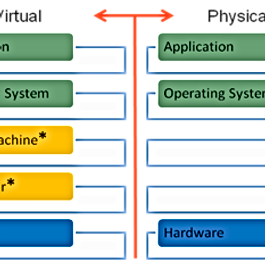
Read More
Solutions for Data Loss and Recovery Solutions for Data Loss and Recovery This article outlines general tips for preventing data loss, the causes of different types of data loss (including laptop, database, server, and tape data), and the formats and manufacturers supported by Seagate Recovery Services (SRS). What Is Data Loss? Data loss is usually defined by one or more of the following: The inability to access data from a previously working computer system or backup Accidental file deletion or overwriting of data control structures Files that are corrupted or inaccessible due to abnormal device operation or damage Data loss can occur due to system or human error, adverse environmental conditions, and device failure: Human causes include intentional or accidental file deletion or overwriting. Data loss can also result from virus damage, software bugs, or failed upgrades. Physical causes often include power loss or surges, overheating, electrostatic discharge, and physical damage to storage devices or media. General Data-Loss Prevention Tips Software and Hardware Document your systems and store original software copies safely. Regularly back up your files, then test and verify that your backup is a complete copy of the original. External drives are ideal for this purpose. Ensure a complete, verified backup is available before upgrading software or hardware. If using Microsoft Windows XP, create System Restore Points before making significant system changes. Develop a contingency plan and practice data restoration. The plan should include: Locating all available backups, including dates and types. Listing and locating all original software packages and updates since installation. Preparing an alternate computer. Implement firewalls and virus protection. Remove unused files and applications. Use a disc defragmenter, typically part of the operating system utilities. Environment Maintain stable environmental conditions (temperature, humidity, cleanliness) and handle devices properly to avoid static discharge and accidental drops. Secure systems physically from intruders. Prepare for physical disasters, including using off-site backup storage. The following sections describe data recovery types and supported formats and manufacturers. RAID data recovery, digital photo recovery, and VMware workstation data loss are addressed in separate articles under "Related Links." Laptop Data Recovery Laptops and notebooks, due to their portability and exposure to environmental factors like heat, water, and dust, are more prone to data loss than office desktops. Their mobility makes them key candidates for data loss. Data loss can result from mechanical and electrical failures, software corruption, and human error. Common symptoms include: Solutions for Data Loss and Recovery Dropped notebook that won't turn on Inaccessible drives and partitions Applications unable to run or load data Corrupted data Virus attacks Hard disk component failure Hard disk crashes Damage from fire or liquids Media surface contamination and damage Accidental reformatting of partitions Accidental data deletion Laptop Disk Drives Supported The hard disk drive in your laptop may not be from the same manufacturer as the laptop itself. Seagate Recovery Services recovers data from all notebook and laptop brands, models, and interfaces, covering hard disk drives from manufacturers like Western Digital, Seagate, Toshiba, Fujitsu, Hitachi, and Samsung. Database Recovery Mission-critical data is often stored in databases like SQL Server, Oracle, Sybase, Exchange Server, and Access on networked fileservers. Relational and object-oriented database management technologies are vital to modern IT systems, supporting essential corporate applications. Individual media in database servers experience similar failure points as disk drives in personal computers and workstations. Experienced administrators know that databases are vulnerable without a comprehensive, tested backup plan. Unfortunately, devices can become corrupt beyond routine recovery methods: Backup files not recognized by the database engine Database locked as 'suspect,' preventing access Deleted or dropped tables Accidentally deleted records Corrupted database files and devices Damaged individual data pages Accidentally overwritten database files and devices vSolutions for Data Loss and Recovery Seagate Recovery Services specializes in recovering inaccessible data from complex database configurations. Database Types Supported Microsoft SQL Server 6.5, 7.0, 2000, 2005, 2008 Oracle Lite, 8.x & 9.x, 10x, 11x Sybase SQL Server Sybase SQL Anywhere Interbase MySQL PostgreSQL Standard Databases Microsoft Access SRS also recovers inaccessible data for all xbase products like dBase, FoxPro, Microsoft Office applications (Word, Excel, PowerPoint), Microsoft Exchange and Outlook, and email systems using the UNIX mbox format, such as Eudora and Netscape. Solutions for Data Loss and Recovery Server Data Recovery- Solutions for Data Loss and Recovery Servers are crucial to modern businesses, storing data essential for daily operations. Despite protective measures, unpredictable events can still cause data loss. Media stored in servers face the same failure points as drives in personal computers and workstations. The complexity of modern server storage systems adds to data loss situations, such as: Server storage system configuration corruption (lost config, re-initialized RAID, misplaced drives, etc.) Intermittent drive failure causing storage, file system, and application-level corruption Multiple drive failure. As servers are used for mission-critical operations, clients need quick and secure data recovery. SRS offers priority handling, on-site data recovery, critical 24/7 service, remote data recovery, and customized solutions. Our aim is to recover client data swiftly and conveniently. SRS supports most current server operating systems, including Microsoft, Apple, various UNIX and Linux versions, AIX, Netware, and more. Virtual Technologies Seagate Recovery Services offers comprehensive data recovery for virtual environments, including VMware (ESX/ESXi and vSphere), Microsoft (Hyper-V), and other hypervisor systems. The virtual environment introduces additional abstraction levels, increasing recovery complexity with failure points at the Hypervisor and VM levels: FIGURE 1: Virtual vs. Physical Failures FIGURE 1: Virtual vs. Physical Failures We offer data recovery services for the following situations: Virtual Disk container corruption – comprehensive support for VMDK and VHD containers, including chained and sparse containers, snapshots, missing or damaged base files, snapshots or chain links, and corrupted container metadata. Corrupted guest file systems within these Virtual Disk containers. Corrupted or reformatted VMFS volumes (VMFS versions 2, 3, and 5) and other hypervisor-level file systems. Deleted Virtual Disk container files from VMFS volumes and other hypervisor-level file systems. Tape Data Recovery Tape backup systems for servers and personal computers, such as mm DAT, Travan, Exabyte 8mm, LTO, and various QIC formats, are essential for data protection. However, tape failures can be catastrophic, as these tapes are often the sole data repository. Customers may no longer have the original tape hardware or software to restore from legacy systems. Fire, smoke, water, and even dropping the tape cartridge can damage the media, leading to data loss. Internal mechanism failures, exposure to extreme temperatures, and logical read/write errors on a tape’s file can also cause data loss. Tapes are designed to last for storing archives, but improper storage or exceeding the media's lifespan can result in degradation and data loss. Common causes of tape failure include: Tape drive failure causing corrupted tape headers Stretched or snapped tape media Fire and water damage, media surface contamination, and damage Accidental reformatting or erasure of tape Accidental overwriting of headers Tape backup software corruption Media degradation due to age or improper storage Legacy tapes where tape drive or software is no longer available Formats and Manufacturers Supported Popular backup software, such as EMC, Networker, CA BrightStore (ArcServe), and UNIX tar and cpio utilities (and many more), use different internal formats. SRS programmers are expertly trained to understand and extract data from any type of tape media, regardless of format. SRS recovers data from these tape media formats and manufacturers, among others: DLT III, DLT IV, DLT-1, VS80, VS160, and Super DLT tape LTO 1, 2, 3, 4, 5 4mm DAT format DDS, DDS-2, DDS-3, and DDS- DAT-72, DAT-160, DAT-320 Exabyte 8mm 112m and 160m tapes & Mammoth 1 (Exabyte 8900), Mammoth 2 Sony IT and AIT-2, AIT-3, AIT-4, AIT-5, and SAIT Travan TR-1, TR-3, TR-4, and TR-5 tapes QIC tapes QIC Mini-Cartridges Tandberg SLR tapes ADR and ADR2 tapes 9 track 800/1600/6250 bpi Next track IBM 3480/3490/3592 tapes Tape Backup and File Formats Microsoft Tape Format (MTF) applications like NT Backup and Symantec (Seagate/Veritas), BackupExec for Windows, Backup Exec for NetWare System Independent Data Format (SIDF) applications such as Novell's Sbackup and Palindrome's Backup Director IBM Tivoli TSM Computer Associates, Brightstore (Arcserve) Previos/Stac Replica Backup for NT, NetWare EMC (Legato) NetWorker (all platforms) Symantec (Veritas) NetBackup, unix tar, cpio, fbackup, fsdump, and ufsdump archives Compaq/DEC VMS Backup Commvault Galaxy/Simpana Other Articles on Data Recovery Services Below If you need prices on data recovery prices follow the links below. Each State has different prices.   Data Recovery Prices Data Recovery Melbourne Data Recovery Sydney Data Recovery Adelaide Data Recovery Brisbane Data Recovery Hobart Data Recovery Perth

Solutions for Data Loss and Recovery

Solutions for Data Loss and Recovery

Read More
Server, Database, and Hard Drive Data Recovery Services Server Data Recovery In this blog post, we cover essential tips for preventing data loss and examine the causes of different types of data loss, such as those affecting laptops, databases, servers, and tapes. Additionally, we delve into how Seagate Nerdcore PC Rescue Data Recovery Services assists in recovering data from Seagate hard drives in various formats. Our guide offers valuable insights on how to confidently protect and restore your data, whether you're facing mechanical failure or accidental deletion. What is data loss? What is data loss? Data loss involves the unplanned disappearance of essential data, hindering users from accessing or using their information as intended. This problem can appear in several different forms: Inaccessibility.  The inability to retrieve data from a previously operational computer system or backup. Accidental deletion.  Files are removed or data control structures are unintentionally overwritten. Corruption.  Files become unusable due to abnormal device operation or physical harm. How does it occur? Data loss can arise from various factors, but they almost always fall into one of three primary categories: Human error.  This encompasses both intentional and accidental actions, such as deleting or overwriting files. Technical issues.  Software bugs, virus damage, and failed updates can corrupt data, making it hard to access. Physical damage.  External factors like power surges, overheating, electrostatic discharge, and physical impacts can create challenges in recovering hard drive data. Recognizing these risks is essential for implementing effective data-loss prevention strategies and ensuring your data recovery process, such as those provided by Seagate Nerdcore PC Rescue Data Recovery Services, is prepared for success. Data Loss Prevention Guide - Nerdcore PC Seagate Data Recovery . Safeguarding your data from loss is vital for ensuring the integrity and availability of your digital assets. Whether protecting against hardware failures, software glitches, or human errors, the following suggestions offer a thorough strategy to reduce risks and secure your data. Software and Hardware Proper management of your digital setup is essential in avoiding data loss. Here are some organized methods to protect your data: Documentation and Archiving.  Maintain detailed records of your systems and securely store original software copies. This step allows access to unaltered versions if data becomes corrupted. Regular Backups.  Regularly back up your files. Use external hard drives  or external SSDs  for their reliability and easy access. Always ensure your backups are complete and accurately reflect the original data. Software and Hardware Upgrades.  Before upgrading any software or hardware, ensure you have a complete and verified backup. This precaution lets you restore your system to its former state if the new setup fails. Security Measures.  Use firewalls and robust antivirus protection to defend against malware and unauthorized access that could result in data loss. System Maintenance.  Regularly remove unused files and applications to keep the system efficient. Use a drive defragmenter—usually included in your operating system’s utilities—to optimize storage space and enhance system performance. System Restore Points and Backups Both Mac and Windows provide crucial safeguards by keeping copies of earlier system versions before changes occur. Using these features before making changes can help minimize the risk of losing important data: For Windows Users.  Create System Restore Points before making significant system changes. These are snapshots of your computer’s system files, settings, and applications at a specific time, allowing you to revert the system to a previous state if something goes wrong with an update or installation. For Mac Users.  Use Time Machine—the built-in backup and recovery  feature of macOS—to automatically save copies of your files, applications, and system files to an external drive or network location. This allows you to recover your entire system or specific files to a previous state if needed. Data Storage Environment The physical setting where your data is stored is crucial in preventing data loss. Proper environmental management can significantly decrease the risk of hardware issues and data corruption. Here’s how to ensure optimal conditions: Stable Conditions.  Maintain stable temperature, humidity, and cleanliness to protect your equipment. These measures prevent overheating, moisture damage, and dust-related problems that can cause hardware failures. Physical Security.  Physically secure your systems to protect them from unauthorized access or theft. This includes locking server rooms and securing workstations against intruders. Disaster Preparedness.  Prepare for physical disasters by implementing strong disaster recovery plans. This should include using off-site storage for critical backups to ensure data is recoverable, even if the primary site is compromised. Next Steps in Data Recovery The following sections will explore the specific types of data recovery services offered by Seagate, such as RAID data recovery, digital photo recovery, and VMWare workstation data loss. Server, Database, and Hard Drive Data Recovery Services Hard Drive Nerdcore PC Data Recovery—Risks and Solutions Hard Drive Nerdcore PC Data Recovery—Risks and Solutions Laptop computers, due to their portability and exposure to environmental factors like heat, water, and dust, are particularly prone to hard drive data loss. Although essential for fieldwork, their frequent movement and use in varied environments make them highly vulnerable to data loss. Common Causes and Symptoms of Hard Drive Data Recovery Issues Data loss in hard drives, especially in laptops, occurs based on the three previously mentioned categories: Physical Damage Notebooks that are dropped may fail to power on or exhibit mechanical and electrical issues. Fire, liquid damage, or contaminated media surfaces can severely impact the hard drive. Software Issues System software corruption can hinder applications from loading or functioning correctly. Virus attacks can corrupt data, rendering drives or partitions inaccessible. Human Error Accidental data deletion can lead to the loss of crucial information. Similarly, unintentional reformatting of partitions can erase all stored data. Each of these situations requires a specialized method for recovering lost data. Seagate Nerdcore PC Rescue Data Recovery Services provides customized solutions for hard drive data recovery, retrieving your data even in the most difficult circumstances. Whether facing a crashed hard drive or damage from environmental factors, our services offer a dependable way to restore your vital data and reduce downtime. Hard Drive Recovery Across All Drive Types Seagate nerdcore pc data recovery services  are prepared to manage hard drive recovery for any device, whether laptops or desktops using Seagate hard drives. Our team has the expertise to handle the complexities of different drive types, ensuring your data is recovered efficiently and effectively. Best practices for hard drive maintenance Best Practices for Hard Drive Maintenance Server, Database, and Hard Drive Data Recovery Services Regular measures to safeguard your hard drive align with previously mentioned strategies for ensuring the safety and integrity of your systems. Ways to Protect Your Hard Drives: Regular Data Backups. Consistently back up your data to guard against unforeseen failures. This is the most essential step in protecting your data. File Cleaning and Organization. Regularly delete unnecessary files to keep your hard drive tidy. This reduces the burden on your hard drive and boosts its efficiency. Frequent Hard Drive Defragmentation. Defragment your hard drive periodically to consolidate data. Hard drive defragmentation  improves access speed. (Avoid defragmenting SSDs as it can shorten their lifespan.) Hard Drive Health Monitoring. Regularly use diagnostic tools to assess your hard drive's health. Tools like SMART (Self-Monitoring, Analysis, and Reporting Technology) can give early alerts of possible failures. Contingency Planning.  Create a strong contingency plan for data recovery in the event of hard drive failure. Collaborating with services like Seagate Nerdcore PC Rescue Data Recovery Services ensures you have professional help available to recover your data quickly and effectively. By adhering to these best practices, you can keep your hard drive in optimal condition, minimizing the risk of performance problems or data loss. Since perfection is unattainable, having a hard drive recovery plan will enable you to swiftly restore lost data and maintain operational continuity. Database recovery. Database recovery. Mission-critical data is often housed within sophisticated database systems—such as SQL Server, Oracle, Sybase, Exchange Server, and Access—which are integral to the networked file servers that support modern IT infrastructures. These relational and object-oriented database management technologies are crucial, underpinning core applications that drive corporate operations. Like the hard drives found in personal computers and workstations, the individual media in database servers are vulnerable to similar points of failure. System administrators and database administrators know maintaining a database environment’s integrity requires a robust, well-tested backup strategy. Despite these precautions, databases can still suffer from corruption that goes beyond the reach of standard recovery techniques: The database engine may not recognize backup files. Databases may become locked as ‘suspect,’ preventing any access. Critical tables might be deleted or dropped. Records could be accidentally deleted. Database files and devices might become corrupted. Individual data pages could be damaged. Database files and devices may be accidentally overwritten. Seagate Nerdcore PC Rescue Data Recovery Services excels in restoring access to data that has become inaccessible, adeptly handling data recovery for even the most complex database configurations. Supported database types. Seagate Nerdcore PC Rescue Data Recovery Services can recover data from a wide range of database types, including: Microsoft  SQL Server (versions 6.5 through 2008) Oracle (Lite, 8.x, 9.x, 10x, 11x) Sybase SQL Server and SQL Anywhere Interbase , MySQL, PostgreSQL standard databases Microsoft Access Seagate Nerdcore PC Rescue Data Recovery Services also extends recovery services to all xBase products such as dBase and FoxPro, as well as productivity applications like Microsoft Office (Word, Excel, PowerPoint), mail server and client applications (Microsoft Exchange and Outlook), and email systems adhering to the UNIX mbox format, including Eudora and Netscape server data recovery - nerdcore pc Server data recovery. Servers —the backbone of modern business operations—store data essential for daily activities. Despite strong protection measures, servers remain susceptible to various failures: Configuration corruption in server storage systems  (lost config, re-initialized RAID, misplaced drives, etc.). Intermittent or multiple drive failures causing data, file system, and application corruption. In response to these critical situations, SRS offers priority handling, on-site and remote data recovery, and 24×7 critical services to ensure quick and secure data retrieval. SRS supports a wide range of server operating systems, including those from Microsoft, Apple, various UNIX and Linux distributions, AIX, Netware, and more. Virtual technologies. Seagate Nerdcore PC Rescue Data Recovery Services provides comprehensive data recovery solutions for virtual environments such as VMware® (ESX/ESXi and vSphere) and Microsoft Hyper-V, among other hypervisors. The additional layers of complexity in virtual environments—such as hypervisor and VM-level failures—include: Corrupted virtual drive containers (VMDK, VHD), including issues with base files, snapshots, and metadata. Damaged guest file systems within those containers. Reformatted or corrupted VMFS volumes and other hypervisor-level file systems. Deletion of virtual drive container files. Tape Data Recovery - Nerdcore PC Data Recovery Nerdcore PC Seagate Data Recovery Prices Tape data recovery. Tape backup systems, crucial for long-term data storage,  are susceptible to several failure risks: Mechanical issues that corrupt tape headers or damage the tape, such as stretching and snapping. Environmental harm from fire, water, or contamination. Logical errors due to backup software corruption. Media deterioration caused by aging or improper storage. These failures often result in catastrophic data loss, particularly when legacy tapes become unusable due to outdated hardware or software. Supported formats and manufacturers. Seagate Nerdcore PC Rescue Data Recovery Services excels in recovering data from a variety of tape media and formats, ensuring compatibility with most backup software and tape types: Digital linear tapes (DLT, Super DLT, VS series). Linear tape-open (LTO) formats from LTO-1 to LTO-5. Various other formats, including 4mm DAT (DDS through DAT-320), exabyte 8mm tapes, Sony AIT series, Travan, QIC, and IBM 3480/3490/3592 tapes. Tape backup and file formats. Seagate Nerdcore PC Rescue Data Recovery Services supports recovery from backups created with various file formats and applications, ensuring broad compatibility across platforms: Microsoft tape format (MTF) used by NT Backup, Symantec  (Seagate/Veritas) BackupExec. System independent data format (SIDF) used by Novell® and Palindrome. Comprehensive support for IBM Tivoli TSM, CA Brightstore  (Arcserve), EMC  (Legato) Net Worker, Symantec (Veritas) NetBackup, and traditional UNIX/Linux archiving utilities (tar, cpio, etc.). Protect your data with Seagate Nerdcore PC Rescue Data Recovery Services. Data loss or hard drive failure can be devastating, affecting everything from daily operations to critical business decisions.  Seagate Nerdcore PC Rescue Data Recovery Services provides a lifeline with skilled professionals who use advanced recovery techniques and tools to restore data from all types of enterprise hard drives,  databases, and servers. Whether it's a mechanical failure or a corrupted file system, our team is prepared to tackle the most challenging recovery scenarios. For more information, please visit Seagate Nerdcore PC Rescue Data Recovery Services. Database, server, and hard drive data recovery FAQ. Discover answers to common questions about database, server, and hard drive data recovery. These FAQs cover topics such as the typical duration of recovery, the possibility of recovering data from a corrupt drive, and how Seagate Rescue Data Recovery Services operate. 1. What is hard drive data recovery, and when is it needed? Hard drive data recovery involves restoring data that has been lost, accidentally deleted, or made inaccessible due to hardware or software failures. It is necessary after data loss incidents to recover critical information. 2. How long does the data recovery process typically take? The time required for data recovery can vary based on the extent and complexity of the damage. Nevertheless, Seagate Nerdcore PC Rescue Data Recovery Services works efficiently to minimize downtime and restore your data as swiftly as possible. 3. What should I do to prevent future data loss on my server? To prevent future data loss, implement regular backups, keep antivirus software up to date, and use robust firewalls to protect your data. Seagate Nerdcore PC Rescue Data Recovery Services also offers consultations on best practices for data preservation and disaster recovery planning. 4. How can lost data from a corrupted database be recovered? Seagate Nerdcore PC Rescue Data Recovery Services can often recover lost data from a corrupted database by employing specialized techniques and tools to restore data and ensure database integrity. 5. Can I perform hard drive data recovery at home, or should I seek professional help? While some minor data recovery tasks can be done at home, professional help from Seagate Nerdcore PC Rescue Data Recovery Services is recommended for severe data loss situations to maximize the chances of recovery without risking further damage. Table of Contents What is data loss? General data-loss prevention tips. Next steps in data recovery. Hard drive data recovery—risks and solutions. Hard drive recovery across all drive types. Best practices for hard drive maintenance. Database recovery. Supported database types. Server data recovery. Virtual technologies. Tape data recovery. Supported formats and manufacturers. Tape backup and file formats. Protect your data with Seagate Nerdcore PC Rescue Data Recovery Services. Database, server, and hard drive data recovery FAQ.

Server, Database, and Hard Drive Data Recovery Services

Server, Database, and Hard Drive Data Recovery Services Server Data Recovery In this blog post, we cover essential tips for preventing data loss and examine the causes of different types of data loss, such as those affecting laptops, databases, servers, and tapes. Additionally, we delve into how Seagate Nerdcore PC Rescue Data Recovery Services assists in recovering data from Seagate hard drives in various formats. Our guide offers valuable insights on how to confidently protect and restore...

Read More
Computer Virus Computer viruses have been around for quite some time. Most of them spread through the Internet or its predecessors. These viruses are often designed to steal users' information, exploit processing power, or completely disable systems. The Birth of Computer Viruses The first computer virus, known as the "Creeper system," was an experimental self-replicating virus released in 1971. It filled up the hard drive until the computer could no longer function. This virus was created by BBN Technologies in the United States. The inaugural computer virus for MS-DOS was "Brain," released in 1986. It overwrote the boot sector on floppy disks, preventing the computer from booting. This virus was developed by two brothers from Pakistan as a form of copy protection. The Morris Worm In 1988, "The Morris" became the first computer virus to spread extensively in the wild. Written by Robert Morris, a graduate student from Cornell University, it aimed to measure the size of the internet. Unfortunately, it exploited security vulnerabilities in sendmail and other Unix applications, as well as weak passwords. A programming error caused it to spread rapidly, interfering with normal computer operations. It infected approximately 15,000 computers in just 15 hours, which constituted most of the internet at that time. Since then, numerous new viruses have emerged, with the trend growing exponentially each year. Infamous Viruses of the Digital Age Below are some of the most well-known viruses that have evolved alongside the role of information technology in society: Michelangelo Virus In 1991, the "Michelangelo" virus was first identified in Australia. It remained dormant until March 6 each year, then overwrote the first hundred sectors on storage devices with zeros, preventing the computer from booting. Only 20,000 computers were reported infected. CIH Virus In 1998, CIH was released, infecting around 60 million computers and causing significant damage by overwriting crucial system files. It was created by a Taiwanese student. Melissa Virus In 1999, "Melissa" emerged as the first widespread Word Macro Virus. Distributed via email, it automatically sent itself to the first 50 contacts in the Outlook address book. While it didn't harm the computer, it caused excessive email traffic and server crashes. ILOVEYOU Virus The year 2000 saw the emergence of "iloveyou." Like its predecessors, it spread via email, sending itself to all contacts and overwriting office, image, and audio files. Originating from the Philippines, it infected over 50 million computers in less than 10 days, prompting many companies to shut down their email servers to prevent further spread. The Explosion of New Threats Since 2000, the number of new viruses has skyrocketed, making it challenging to list the most infamous ones. Notable examples include "Anna Kournikova," Code Red, Nimba, Beast, SQL Slammer, Blaster, Sobig, Sober, MyDoom, Netsky, Zeus, Conficker, Stuxnet, CryptoLocker, Locky, Mirai, and WannaCry. Evolution of the Cybersecurity Threat In 2013, a new form of ransomware began with the CryptoLocker virus. Numerous versions have since emerged, including Locky and WannaCry, as well as Petya (not the latest version). The original CryptoLocker virus infected about half a million computers. Some clones, such as TorrentLocker or CryptoWall, specifically targeted computers in Australia. This year witnessed rapid virus attacks: WannaCry and NotPetya. Both exploited a security vulnerability within the protocol Windows uses for network file access (SMB). Computer Virus This vulnerability, called EternalBlue, was exposed by a hacker group named "Shadow Brokers," who stole it from the US National Security Agency (NSA). Although Microsoft released a patch for this vulnerability in March 2017, many systems worldwide, based on outdated or unsupported software or lacking the latest updates, allowed WannaCry to establish a strong presence via a phishing email attack. WannaCry infected approximately 200,000 computers across 150 countries before the "Kill switch" was discovered, halting further spread. More recently, NotPetya exploited the same security vulnerability. Unlike its predecessors, it wasn't delivered through email, limiting its reach. Initially thought to be an upgraded version of Petya, a CryptoLocker-type ransomware, NotPetya was actually distributed as an update to a Ukrainian tax accounting software called MeDoc. From there, it spread through the internal networks of multinational companies with offices in Ukraine, encrypting all files on a computer and the master file table of a hard drive, preventing booting. NotPetya's rudimentary payment system, compared to other ransomware types, led to the consensus that the Petya aspect was merely a decoy, rendering file recovery impossible. Protecting Yourself Against the Unknown As new viruses are released, antivirus software developers implement new tools to combat them. It is an ongoing cat-and-mouse game. Most ransomware-type viruses cannot be detected with traditional antivirus software. This has prompted cybersecurity companies to adopt behavior monitoring for detection. Nonetheless, it is only a matter of time before a new virus circumvents each new detection method, restarting the cycle. In an ever-evolving threat landscape, consistent vigilance remains the best defense against phishing emails and fraudulent websites, the most common infection vectors: Do not open emails or attachments unless you are completely certain of their legitimacy. Avoid clicking on links in emails or attachments unless you expect to receive them. Email accounts can be spoofed or hacked, so although a message may appear to originate from a legitimate source, if its content is unexpected, it may not be trustworthy. Keep your computer updated with the latest software updates and security patches. Check for spelling or grammar errors, including in website URLs and email bodies. For instance, mistaking ofice.com  for Microsoft's office.com  may lead you to a known malware site. Report any suspicious emails or unusual system behavior promptly. Nerdcore PC Systems offers cleaning of Malware and viruses. Conclusion Understanding the history of computer viruses helps us appreciate the importance of cybersecurity. As technology evolves, so do the threats we face. Staying informed and vigilant is crucial in protecting our systems and data. By following best practices and utilizing reliable antivirus solutions, we can defend against these ever-evolving threats. Remember, the digital landscape is constantly changing, and so should our strategies for protection.

A Short History of Computer Viruses

A short history of computer viruses

Read More
When Seagate Data Loss Occurs - Seagate Recovery Services - Nerdcore PC Data Recovery Company - Since 2001 Seagate Data Recovery Service - Nerdcore PC Systems How should I respond to my Seagate data recovery loss? Contact 1300 637 326 If your drive emits unusual noises, this likely indicates a physical failure (refer to technical guidance on physical versus logical failures). In such instances, it is crucial to immediately shut down your system and refrain from powering it on again. Evaluate the situation with composure. Rash attempts to resolve the issue can exacerbate damage and lead to further data loss. Check out many 5 Star Reviews collected from Google, Facebook, Word of Mouth. Recommended Data recovery practices include: Cease writing to any media (including hard drives) that may be implicated in the data loss. Be aware that running most software (such as Internet Explorer) writes new data to your drive, potentially overwriting the data you are attempting to recover. Address the simplest potential causes, such as loose cables or faulty device drivers. Document all symptoms of failure and any recent actions or events involving your computer. If you ascertain physical damage as the cause of data loss, avoid do-it-yourself solutions. Such software uses the problem drive, which may lead to complete failure and additional data loss. Contact Seagate Recovery Services  to explore professional in-lab recovery service options. What is Seagate data recovery? Nerdcore PC Data recovery is a highly technical and labor-intensive process designed to restore lost files from various digital storage media and devices. This process is conducted in a controlled environment using Class 100 clean rooms and Class 10 horizontal flow clean benches to safeguard client media and all recovery equipment from contamination. (All Seagate Recovery Services  clean air facilities undergo rigorous standards.) How should I respond to my Seagate data loss? Contact 1300 637 326 In a professional setting, large SATA hard drives are widely accepted for nearline storage. The SATA 6Gb/s protocol offers performance comparable to Serial Attached SCSI (SAS) and Fibre Channel, but at a more economical price. For detailed information on best practices for data loss prevention, please consult our comprehensive Data Loss Prevention document. Packaging and Sending Your Seagate Hard Drive for In-Lab Recovery Only the hard drive needs to be sent for data recovery. For internal drives, remove the drive from the computer, seeking professional assistance if necessary, and send only the drive to one of our laboratory facilities. It is crucial that the hard drive is packaged carefully to prevent any additional damage during shipment. Secure the drive in a clamshell container or an ESD (electrostatic discharge) bag. For external drives, include the drive in its enclosure along with its cables and power supplies. Whenever possible, use the original manufacturer's packaging, or pack the drive with solid foam padding inside a sturdy corrugated cardboard box. The use of foam packing pellets, bubble wrap, or newspaper is not recommended. Seagate Data Recovery Possibilities While there are instances where data damage is irreversible and complete recovery is not feasible, it is uncommon for no data to be retrievable. Our expert teams, utilizing Seagate Recovery Services' unique recovery equipment and procedures, can successfully recover lost data even under challenging conditions. If we are unable to recover the necessary data due to severe media damage, no recovery fee will be charged. Use of Disc Repair or Software Recovery Utilities Before opting for a software utility to recover lost data, consider the value of your data. Software can be effective in recovering data in cases of logical failure. We recommend Seagate File Recovery Software for such situations. Note: When Seagate Data Loss Occurs - Seagate Data Recovery Services - Nerdcore PC Data Recovery Company - Since 2001 Never use a repair or recovery utility unless it allows you to save the repaired or recovered data to alternative storage media. Avoid formatting the drive or altering partitions, as these actions can lead to permanent data loss. If your drive emits unusual noises, such as clicking, buzzing, or scraping, do not use any utility software. These sounds may indicate mechanical failure. Shut down the computer to prevent further damage to the drive and its data. Send your drive to Seagate Recovery Services for professional recovery in our Class 100 cleanroom environments. Nerdcore PC Seagate Data Recovery Evaluation Process and Duration Upon receiving your media, our team of experienced technicians will assess the extent of damage and data loss. Seagate Recovery Services will evaluate the necessary work or parts to restore the drive to a readable state. We are dedicated to recovering your data within the agreed timeframe. How should I respond to Seagate Hard Drive data loss? Contact 1300 637 326 Further Information on Seagate Hard Drives For more information, visit the Seagate Knowledge Base at http://www.1300nerdcore.com.au Payment Options Payment is required in full upon successful recovery of your data, prior to its release (whether shipped, picked up, or downloaded), unless special arrangements are made before the recovery process. Seagate Recovery Services accepts: Bank transfers VISA, MasterCard, and American Express In Australia States and cities, we also accept company cheques and EFT transfers. Storage systems may fail in various ways; however, the data stored on them is not always completely lost. The method used to recover information depends on the type of failure, such as file corruption, virus attack, mechanical or electrical issues, or human error. Sometimes these issues occur simultaneously. Seagate Recovery Services operates full-service lab facilities equipped to address all failure modes using the industry's most advanced recovery technology and procedures. How can I prevent further Seagate data loss? To prevent further damage to your media and avoid extended data loss: Avoid any operations on the storage device that could cause physical damage to the device or the data. Refrain from writing to any files on the device or adding additional files. Do not format the drive. Avoid modifying the partitions on the drive using FDISK or any other partitioning software. Do not attempt to open the device to diagnose issues, as hard drives are highly sensitive to contamination and should only be opened in a clean environment. Discontinue use of the hard drive or storage device that requires recovery. If the drive is making unusual noises or showing other signs of distress, shut it down immediately and refrain from powering it up again. Document all symptoms of the failure and recent actions and events involving your computer. Contact Seagate Recovery Services. Note: If you have a backup, assess its currency and adequacy. Consider restoring your backup to a different system if critical files are missing or outdated. If seeking assistance from a trusted local specialist, remember that professional data recovery is a skill acquired through practice and requires specialized tools. While data recovery may seem costly due to its technical and labor-intensive nature, recreating your data could be significantly more expensive. Additionally, the turnaround time for data recovery is typically much faster than recreating lost files from scratch. When Seagate Data Loss Occurs - Seagate Data Recovery Services - Nerdcore PC Data Recovery Company - Since 2001 Does Seagate Recovery Services  have a confidentiality policy? Seagate Recovery Services provides a completely secure environment to ensure the privacy of your valuable information. We are committed to protecting the confidentiality of your data against unauthorized disclosure by adhering to stringent ISO 9001:2000 security standards. Seagate Data Recovery Services What is the turnaround time for data recovery? Seagate Recovery Services  offers tailored recovery service options to meet your specific needs depending on the urgency of your situation. Our services cater to both individual consumers and businesses. Turnaround times vary based on several factors, including: The extent of data fragmentation or corruption The degree of media damage and the time required to read the entire drive to create a mirror image The urgency of the client's needs Data recovery cases can be expedited during regular business hours. Seagate Recovery Services also offers a Critical Response Service for round-the-clock attention to your case. What is the cost of data recovery services? Seagate Recovery Services considers each data recovery case unique. We uphold a strict No Data — No Recovery Charge policy. If your media’s data cannot be recovered, there is no recovery fee, and the costs associated with the recovery attempt are assumed at our own risk. How should I respond to data loss? Contact 1300 637 326 How can I prevent Seagate data loss? The most effective way to prevent data loss is to maintain a current backup on a reliable medium. External USB hard drives offer a convenient backup solution for desktops and workstations, as they are easy to install, compatible with all modern desktop operating systems, and portable between machines. Many newer desktop computers are also capable of utilizing RAID technology on ATA or SATA hard drives. RAID, a feature long available in server operating systems with expensive disc controllers, is now appearing on desktop machines. Desktop RAID employs multiple ATA or SATA hard drives to store multiple copies of the same data. For more information about RAID, visit our Technical Support website. When data becomes inaccessible through conventional means, it is advisable to consult a nerdcore data recovery specialist .   Data recovery involves retrieving data from compromised or damaged storage devices, such as HDDs, SSDs, or flash drives. This compromise may result from physical damage to the hardware or logical damage to the internal file system. In all instances, the goal remains consistent — to transfer all files from the damaged device to a new, accessible one or to restore the original device to functionality.   The approach to data recovery is influenced by various factors, including the device's age, the hardware's complexity, and the severity of the storage device's failure. For physical damage, recovery specialists may attempt to repair the device by replacing the damaged hardware components. In cases of logical damage, specialized software that can clone raw data and transfer it to a new device may be utilized. To initiate your claim, please contact Nerdcore PC Seagate customer support on 1300637326 with the details of your Seagate data loss situation. Following this, we will provide you with a prepaid shipping label to send your damaged drive to our lab.   The estimated turnaround time is generally 30 business days from when your media is received at our lab in Melbourne . However, the actual turnaround time may vary depending on the severity of the damage, local regulations, parts backlogs, shipping delays, and other factors. If the recovery is successful, you will receive your recovered data on an encrypted storage device. If not, your damaged drive will be returned to you by mail. You can also use our Western Digital Data Recovery Services We also offer a complete range of services for all Hard drive failure. Seagate Data recovery Services - nerdcore pc systems                     Melbourne Coverage Areas - G03/3 Willesden Road Hughesdale, 3166 Victoria List of Seagate Data Recovery Services Nerdcore PC Systems offers to its customers 	 Core Seagate Recovery Services & Terms Seagate Rescue Data Recovery Services:  Official, in-lab recovery for hard drive failures, viruses, and software issues. Seagate Secure / Toolkit:  Software used to manage encryption keys and passwords on external drives. Password Reset Key / Recovery Key:  Essential files/codes needed to unlock a drive encrypted with Seagate Secure. Seagate Recovery Services Class 100 Cleanroom:  Professional environment for repairing physical, mechanical, or head damage. Common Data Loss & Troubleshooting Scenarios Clicking/Buzzing/Scraping noises:  Indicates physical failure (requires professional service). Bad sectors / Weak heads:  Physical damage that can sometimes be fixed by replacing parts. Corrupted firmware:  Software issues, sometimes repaired by specialists. RAW Disk Recovery / Formatted Drive:  Scenarios requiring file recovery software. Drive Not Recognized / Not Detected:  Common issue with external drives, often requiring driver updates or re-casing. Software-Based (DIY) Keywords Seagate File Recovery Software:  Software for restoring deleted or lost files. Disk Drill / Wonder share Recoverit:  Common third-party tools for recovering Seagate external hard drives. CHKDSK / First Aid (macOS):  Utilities to fix file system errors. Byte-by-byte copy / Disk Image:  Methods to back up a dying drive before attempting recovery. Specific Seagate Product Lines Iron Wolf  / IronWolf Pro:   NAS drives data recovery SkyHawk / Sky Hawk AI:  Surveillance drives. Fire Cuda / BarraCuda:  Gaming and internal storage drives. Backup Plus / Expansion:  External portable drive models. Seagate Black Armor :  Network/external storage. Technical Recovery Terms FDE (Full Disk Encryption) password:  If lost, data cannot be recovered without a key. Cryptographic Erase / Master ID Password:  Used in Seagate Secure for locking/unlocking SEDs (Self-Encrypting Drives). Head Stack / Platter Swap:  Physical recovery procedures performed in a clean room. SA (Service Area) Locked:  A condition in Seagate Enterprise SED drives needing repair before data access

When Seagate Data Loss Occurs - Seagate Data Recovery Services - Nerdcore PC Data Recovery Company - Since 2001

When Seagate Data Loss Occurs - Seagate Recovery Services

Read More
Building a gaming PC  in Australia on a budget can feel like a daunting task. With fluctuating prices, import taxes, and a wide range of components to choose from, it’s easy to get overwhelmed. But as someone who has built multiple gaming rigs over the years, I’m here to guide you through the process with practical advice and clear recommendations. Whether you’re a beginner or looking to upgrade without breaking the bank, this post will help you create a powerful and affordable gaming PC build tailored for the Australian market. Understanding the Budget Gaming PC Australia Market When it comes to building a budget gaming PC in Australia, the first step is understanding the local market. Prices for components can vary significantly compared to other countries due to shipping costs and import duties. This means that what might be a bargain overseas could be more expensive here. Key considerations for Australian buyers: Local availability:  Check Australian retailers like Nercdore PC Systems, Umart, and Scorptec for stock and pricing. Warranty and support:  Buying locally often means better warranty service and easier returns. Currency fluctuations:  The Australian dollar’s value can impact component prices, so keep an eye on exchange rates. By focusing on components that offer the best value locally, you can avoid overspending on parts that don’t deliver the performance you need. Local PC components on display in an Australian store Essential Components for a Budget Gaming PC Australia To build a gaming PC that performs well without costing a fortune, you need to prioritize certain components. Here’s a breakdown of the essentials and what to look for: 1. CPU (Processor) The CPU is the brain of your PC. For budget builds, AMD Ryzen 5 and Intel Core i5 processors offer excellent performance for their price. Ryzen 5 5600X or Intel Core i5-12400F are popular choices that balance gaming power and cost. 2. GPU (Graphics Card) The graphics card is crucial for gaming. Due to recent shortages, prices have been high, but models like the NVIDIA GTX 1660 Super or AMD Radeon RX 6600 provide solid 1080p gaming performance at reasonable prices. 3. RAM (Memory) Aim for at least 16GB of DDR4 RAM. This amount ensures smooth multitasking and gaming performance. Brands like Corsair and G.Skill are reliable and widely available. 4. Storage A combination of SSD and HDD is ideal. A 500GB SSD for your operating system and favorite games will speed up load times, while a 1TB HDD can store additional files and games. 5. Motherboard Choose a motherboard compatible with your CPU that supports future upgrades. Budget options from ASUS, MSI, or Gigabyte offer good features without extra cost. 6. Power Supply Unit (PSU) A quality PSU is essential for system stability. Look for units with an 80 Plus Bronze rating or better, around 550W to 650W depending on your GPU. 7. Case A mid-tower case with good airflow and cable management will keep your components cool and tidy. Australian retailers often stock affordable cases from brands like Cooler Master and NZXT. By carefully selecting these components, you can build a system that handles modern games smoothly without overspending. Building Your Affordable Gaming PC Build Now that you know the key components, let’s talk about putting it all together. Building your own PC can save money and give you a better understanding of your system. Step-by-step guide: Prepare your workspace:  Clean, static-free, and well-lit. Install the CPU:  Carefully place the processor into the motherboard socket. Add the RAM:  Insert the memory sticks into the correct slots. Mount the motherboard:  Secure it inside the case. Install storage:  Attach SSD and HDD to the motherboard and case. Connect the PSU:  Power all components with the power supply cables. Install the GPU:  Slot the graphics card into the PCIe slot. Cable management:  Organize cables for airflow and aesthetics. Power on and test:  Boot up the system and install your operating system. If you’re new to PC building, there are plenty of online tutorials and videos that walk you through each step. Taking your time and being gentle with components will ensure a successful build. Close-up of components inside a budget gaming PC build Tips for Saving Money on Your Budget Gaming PC Australia Building a budget gaming PC doesn’t mean you have to compromise on quality. Here are some tips to get the most bang for your buck: Buy used or refurbished parts:  Australian marketplaces like Gumtree or Facebook Marketplace often have good deals on lightly used components. Wait for sales:  Keep an eye on sales events like Click Frenzy, Boxing Day, or local retailer promotions. Prioritize upgrades:  Start with a solid base and upgrade components like GPU or RAM later as your budget allows. Consider last-gen hardware:  Previous generation CPUs and GPUs can offer great value and still perform well. Use price comparison tools:  Websites like Static Ice help you find the best prices across Australian retailers. By combining these strategies, you can build a powerful gaming PC without overspending. Final Thoughts on Building a Budget Gaming PC Australia Building a gaming PC in Australia on a budget is entirely achievable with the right approach. By understanding the local market, choosing components wisely, and assembling your system carefully, you can enjoy a great gaming experience without breaking the bank. If you want to explore specific parts and configurations, I recommend checking out this affordable gaming pc build  guide for detailed builds tailored to different budgets. Remember, the key is to balance performance, price, and future upgrade potential. Happy building and gaming!

Budget Gaming PC Australia: Affordable Gaming PC Builds in Australia

Building a gaming PC in Australia on a budget can feel like a daunting task. With fluctuating prices, import taxes, and a wide range of components to choose from, it’s easy to get overwhelmed. But as someone who has built multiple gaming rigs over the years, I’m here to guide you through the process with practical advice and clear recommendations. Whether you’re a beginner or looking to upgrade without breaking the bank, this post will help you create a powerful and affordable gaming PC...

Read More
New Gaming PC still in box built 2026 -$3800.00 Motherboard: Asus Rog Strix B850-F Gaming Wifi 7 CPU: AMD Ryzen 9000 - 7900x -5.6ghz 12 cores Memory: 64gb 2x32gb DDR5 Fury 6400 Storage: Lexar 2tb M.2 SSD Graphics: Radeon Saphire 9060xt - 16gb support ray tracing Case: Karuza Curved Glass WJ Proi OS: Windows 11 Pro Licensed Key PSU: 850 Msi Mag PCi express 5 A850OGS PSU Cooler: Thermal Right - Stream Vision 360 Black Programmable Display 2 Years Warranty Tax Invoice Credit Card Accepted Usage:0 Hours Cheapest and best on FB Market Consider prices have increased in computers parts and want be settling for years - This is a great deal & it want last long Total inc gst $3800.00

New Gaming PC - Ryzen 9000 Series - AMD Ryzen 9000 - 7900x -5.6ghz -64 GB DDR5 - 2TB SSD - WIN 11 - 2YW

New Gaming PC still in box built 2026 -$3800.00 Motherboard: Asus Rog Strix B850-F Gaming Wifi 7 CPU: AMD Ryzen 9000 - 7900x -5.6ghz 12 cores Memory: 64gb 2x32gb DDR5 Fury 6400 Storage: Lexar 2tb M.2 SSD Graphics: Radeon Saphire 9060xt - 16gb support ray tracing Case: Karuza Curved Glass WJ Proi OS: Windows 11 Pro Licensed Key PSU: 850 Msi Mag PCi express 5 A850OGS PSU Cooler: Thermal Right - Stream Vision 360 Black Programmable Display 2 Years Warranty Tax Invoice Credit Card Accepted...

Read More
Finding the Top PC Builder Australia: Your Guide to Custom PC Builders Building a custom PC is an exciting journey, especially when you want a machine tailored to your exact needs. Whether you're a gamer, a creative professional, or someone who needs a powerful workstation, finding the right custom PC builder in Australia can make all the difference. Over the years, I have explored many options and learned what to look for to ensure you get the best value, performance, and support. Get your friendly Nerdcore PC Engineer onsite today-Contact Us Why Choose a Custom PC Builder in Australia? Choosing a local custom PC builder has several advantages. First, you get personalised service that understands the Australian market and your specific needs. Local builders often provide better warranty support and faster turnaround times compared to international suppliers. Plus, you avoid potential issues with shipping delays and import taxes. When I first started looking for a custom PC builder, I wanted someone who could offer expert advice on components, build quality, and after-sales support. A good builder will guide you through the process, helping you select the right CPU, GPU, RAM, and storage options based on your budget and intended use. Key Benefits of Local Custom PC Builders: Personalised consultation  to match your needs Faster build and delivery times Better warranty and support services Knowledge of local market trends and component availability Custom PC builder assembling a computer Custom PC builder assembling a high-performance computer How to Identify the Top PC Builder Australia - Finding the Top PC Builder Australia: Your Guide to Custom PC Builders Finding the top PC builder Australia means looking beyond just price. Here are some important factors I consider essential when choosing a builder: 1. Experience and Reputation Look for builders with a proven track record. Experienced builders have refined their processes and know how to optimise builds for performance and reliability. Check online reviews, forums, and social media to see what other customers say about their service. 2. Component Selection A good builder offers a wide range of components from trusted brands. They should be able to source the latest CPUs, GPUs, motherboards, and cooling solutions. This flexibility allows you to customise your PC exactly how you want it. 3. Build Quality and Testing Top builders don’t just assemble parts; they test each build thoroughly. This includes stress testing the CPU and GPU, checking temperatures, and ensuring system stability. A well-tested PC means fewer headaches down the line. 4. Customer Support and Warranty Reliable after-sales support is crucial. The best builders provide clear warranty terms and responsive customer service. This support can save you time and money if you encounter any issues. Finding the Top PC Builder Australia: Your Guide to Custom PC Builders 5. Transparent Pricing Look for builders who provide detailed quotes with no hidden fees. Transparency helps you understand where your money is going and allows you to make informed decisions. My Personal Experience with Custom PC Builders When I decided to upgrade my workstation, I spent weeks researching and comparing different custom PC builders in Australia. I wanted a machine that could handle video editing, 3D rendering, and gaming without compromise. I reached out to several builders and was impressed by how some took the time to understand my needs and budget. One builder stood out by offering a detailed consultation and explaining the pros and cons of various components. They also provided a clear timeline and warranty information upfront. The build arrived on time, and the quality was exceptional. The system was quiet, cool, and performed exactly as promised. The builder also followed up after delivery to ensure I was happy with the setup. Finding the Top PC Builder Australia: Your Guide to Custom PC Builders This experience taught me that the right builder is not just about assembling parts but about delivering a complete, worry-free experience. High-end custom PC with RGB lighting High-end custom PC showcasing RGB lighting and premium components Tips for Working with Your Custom PC Builder To get the most out of your custom PC builder, here are some practical tips I recommend: Be clear about your needs:  Whether you want a gaming rig, a content creation powerhouse, or a general-use PC, communicate your priorities clearly. Set a realistic budget:  Custom PCs can vary widely in price. Knowing your budget helps the builder recommend the best components within your range. Ask questions:  Don’t hesitate to ask about component choices, build process, and warranty details. Request build updates:  Some builders provide photos or videos during assembly, which can be reassuring. Plan for future upgrades:  Discuss upgrade paths with your builder to ensure your PC can evolve with your needs. Why I Recommend the Best Custom PC Builder Australia After extensive research and personal experience, I can confidently recommend the best custom pc builder australia . They combine expert knowledge, quality components, and excellent customer service to deliver outstanding custom PCs. Their team understands the Australian market and offers tailored solutions for gamers, professionals, and everyday users. They also provide comprehensive warranties and ongoing support, which gives peace of mind long after your PC is built. If you want a hassle-free experience and a PC that performs exactly as you need, they are a fantastic choice. What to Expect When Ordering Your Custom PC When you place an order with a top PC builder Australia, here’s what typically happens: Initial Consultation:  You discuss your requirements, budget, and preferences. Quote and Component Selection:  The builder provides a detailed quote and suggests components. Build Process:  Once approved, the builder assembles and tests your PC. Quality Assurance:  The system undergoes stress testing and quality checks. Delivery:  Your PC is shipped or picked up, often with setup instructions. After-Sales Support:  The builder remains available for troubleshooting and warranty claims. This process ensures you get a customised machine that meets your expectations without surprises. Final Thoughts on Finding Your Ideal Custom PC Builder Choosing the right custom PC builder in Australia is a decision that can impact your computing experience for years. By focusing on experience, component quality, build testing, and customer support, you can find a builder who delivers a machine tailored to your needs. Remember to communicate clearly, set a realistic budget, and choose a builder who values transparency and service. With the right partner, building your dream PC becomes an enjoyable and rewarding process. Happy building! Nerdcore PC Systems Engineers

Finding the Top PC Builder Australia: Your Guide to Custom PC Builders

Finding the Top PC Builder Australia: Your Guide to Custom PC Builders Building a custom PC is an exciting journey, especially when you want a machine tailored to your exact needs. Whether you're a gamer, a creative professional, or someone who needs a powerful workstation, finding the right custom PC builder in Australia can make all the difference. Over the years, I have explored many options and learned what to look for to ensure you get the best value, performance, and support. Get your...

Read More
PC-3000 SSD. Beyond TRIM: QUMO SSD SM2259XT| Part 1 PC-3000 SSD RECOVERY Formatted SATA SSD Recovery: Understanding the Challenge Recovering data from a formatted SSD is one of the most complex tasks in data recovery today. This complexity arises not from traditional file deletion methods, but from the advanced functions built into SSDs to maintain performance and long life. At the heart of this challenge are two key components working in tandem: the TRIM command  from the operating system and the SSD’s internal Garbage Collector . TRIM COMMAND We know that NAND memory chips can write and read information extremely fast. But REWRITING is going to be extremely slow because the NAND memory has to: Find the place where to write new data Erase the old data (fill the NAND cells with zeros) Make a writing operation Thus, unnecessary read and erase operations reduce SSD performance and increase SSD wear. This phenomenon is known as write performance degradation to garbage accumulation. To solve this, SSD manufacturers implement a TRIM command  – garbage collector which in the background erases all data that was marked as deleted. It helps to save time in the future, when the user will decide to write new data on the place which was already TRIMed and cleaned. How Drives with TRIM Manage Data? The SSD controller marks the data in these blocks as invalid in its internal table The controller’s background task (Garbage Collection) at a convenient, unoccupied time: Finds blocks with a large amount of invalid data Copies the remaining valid data to a new clean block Physically erases the entire old block, preparing it for future fast writing NOTE:  TRIM does not erase data instantly! It only lets the controller know that this data can be erased. The actual erasing occurs later, in the background, as part of the Garbage Collection process. Time and usage are critical factors: the longer a formatted SSD remains in use and the more new data is written to it, the lower the chances become for a successful recovery of the original files. Sometimes an SSD can do something even easier – in the case of “quick formatting,” the SSD simply erases the translator – the main firmware that addresses physical sectors logically. As a result, the SSD returns only ZEROS when attempting to read any data from it. Until recently, recovering formatted or deleted data from SSDs was considered impossible. Now, with the latest PC-3000 software updates, ACE Lab engineers have achieved a breakthrough by developing a method to revert to previous versions of the SSD’s internal translator.  This option allows access to previously deleted data and even restores the complete file structure of previous versions of the translator. Another unique feature of this method is that we can not only manually manage file versions, but also use an automatic selection algorithm. It will show the file system that was current at the time before formatting. Currently, this capability is available for drives based on Phison, Silicon Motion and Maxio controllers, as accessing these translator versions requires entering the drive’s specialized technological mode. Support for additional controllers is actively being developed and expanded. The solution will be demonstrated on the PC-3000 Portable PRO 7.7.21 software update. For practice we will take a formatted QUMO SSD drive  based on the SM2259XT SATA controller . The current drive was formatted by Quick Format  operation. The current drive was formatted by Quick Format  operation The current drive was formatted by Quick Format  operation Let’s move on to DE and check what we can find there. As you can see in the screenshots below, there are a few folders on the drive with new metadata that appeared after formatting. PC-3000 TRIM DATA RECOVERY We can’t even find any useful data when recovering RAW, it’s hidden on a Translator’s level; only file system structures and metadata records are displayed. PC-3000 SSD. Beyond TRIM: QUMO SSD SM2259XT| Part 1 PC-3000 TRIM DATA RECOVERY In this case, our main goal is to find data that was written to the drive before formatting. The start of the recovery procedure is the same as when working with any supported SSD. The next steps differ in the Data Extractor (DE). To access the data we need to: Find and launch a compatible utility. SM2259XT is a universal controller, so you can choose any vendor from the list or simply work through the controller list menu Upload the loader from the list. In the current case the needed loader matches with the internal drive’s firmware Upload the loader from the list. In the current case the needed loader matches with the internal drive’s firmware Create the custom Translator (Tests – Service information – Translator – Create) PC-3000 SSD. Beyond TRIM: QUMO SSD SM2259XT| Part 1 Thanks to the newest update the utility now gives you access to all past versions  of the translator tables, not just the most recent one. This is crucial because after a drive is formatted, the latest translator is often empty – while the older versions still hold the actual user data  we’re trying to recover. After the translator is created, we need to follow the DE to create a task based on the PC-3000 utility. In DE, we get the same situation on the main partition. Only the latest version of the file system is displayed. PC-3000 SSD. Beyond TRIM: QUMO SSD SM2259XT| Part 1 So, we need to add the virtual drive with access “by physics”. Right-click on the drive – Working with the utility – Add drive with access “by physics” After that, we see the new empty virtual partition with the PBA access. pc-3000 translator Now we can scan the RAW recovery on this drive to try to find content from previous versions of the translator. But for most users, this result won’t be enough. If we want to build a previous version of the file structure and be able to manage file versions, we need to add another virtual disk with translations and versions. Follow these steps: Working with the utility (on the PBA based virtual drive) – Add drive with translation and versions. PC-3000 Data Recovery Nerdcore PC Now we get one more virtual drive, but this time we already have the access to manage the versions of the MBR, BOOT, ROOT etc. You can view and work with these versions using the “Edit”  menu in the utility. PC-3000 SSD. Beyond TRIM: QUMO SSD SM2259XT| Part 1 nerdcore pc data recovery We are mainly interested in the “selection versions of metadata” option. This is an automatic algorithm that uses the latest active versions of files and folders that are still physically stored on the SSD to build a virtual file structure. nerdcore pc data recovery The process may take some time, as the system scans all the space addressed to the current partition. If we still cannot see the previously recorded data, we need to perform the data analysis option – “scan MFT”. Now we have a more complete result with the ability to work with different versions. The virtual disk was assembled based on selected real active MFT records. nerdcore pc data recovery We can use “headers control” to locate and assess damaged data. If any folders or files are highlighted in red, we can try applying a different version (when available) to repair that specific item. nerdcore pc data recovery nerdcore pc data recovery If none of the available versions resolve the issue, it indicates the file or folder contains bit errors or has already been partially affected by the TRIM process. Please, note that even after retrieving data you may encounter files containing parts that have already been trimmed by SSD. This method enables the recovery of data from formatted SSD. Combining the automatic algorithm with manual adjustments for other problematic files can produce great recovery outcomes. Document used from Acelabs website as reference to our partnership with them https://blog.acelab.eu.com/pc-3000-ssd-formatted-sm2259xt-recovery.html

PC-3000 SSD. Beyond TRIM: QUMO SSD SM2259XT| Part 1

PC-3000 SSD. Beyond TRIM: QUMO SSD SM2259XT| Part 1 PC-3000 SSD RECOVERY Formatted SATA SSD Recovery: Understanding the Challenge Recovering data from a formatted SSD is one of the most complex tasks in data recovery today. This complexity arises not from traditional file deletion methods, but from the advanced functions built into SSDs to maintain performance and long life. At the heart of this challenge are two key components working in tandem: the TRIM command  from the operating system...

Read More
SSD Data Recovery After Quick Formatting SSD data recovery after a quick format using PC-3000  is possible, but complex due to TRIM, which often clears data immediately. PC-3000 bypasses the OS to access the controller directly, virtualizing the translator to reconstruct file systems and restore raw data before TRIM permanently deletes the blocks. Immediate power-off is critical. This video demonstrates the initial steps of the recovery process using the PC-3000 tool: PC-3000 Recovery Process for Formatted SSDs Prevent TRIM Impact:  If the drive has been powered on since the format, TRIM may have already cleared data, making it look like zeroes, says ACELab blog . Initial Setup:  Connect the SSD to the PC-3000 via SATA/SAS/NVMe ports, often using safe mode to prevent firmware from destroying data. Virtual Translator:  The PC-3000 SSD utility loads a special loader to communicate with the controller, bypassing the corrupted firmware to create a virtual translator. Data Extraction (DE):  Use the Data Extractor tool to map the drive, creating a "virtual drive with access by physics" to view the pre-format state. Metadata Recovery:  Scan for previous versions of the file structure (MBR/BOOT/ROOT) to recover the original folder structure, rather than just raw file signatures. This video shows the process of creating a virtual translator and extracting data using the PC-3000 Data Extractor: Critical Factors Quick vs. Full Format:  Quick format only erases the file system index, which PC-3000 can often reconstruct, notes this article by ACE Lab . Controller Support:  The recovery success is highly dependent on PC-3000 having specific support for the SSD's controller (e.g., Phison, Silicon Motion, Samsung). Data Overwriting:  If new data has been written to the SSD, the chances of recovery drop significantly, just like with mechanical drives. For severely corrupted SSDs where the controller is not responding, PC-3000 is used for specialized firmware repair (e.g., SATAFIRM S11) to regain Referring Page: https://blog.acelab.eu.com/pc-3000-ssd-formatted-sm2259xt-recovery.html

SSD Data Recovery After Quick Formatting

SSD Data Recovery After Quick Formatting SSD data recovery after a quick format using PC-3000  is possible, but complex due to TRIM, which often clears data immediately. PC-3000 bypasses the OS to access the controller directly, virtualizing the translator to reconstruct file systems and restore raw data before TRIM permanently deletes the blocks. Immediate power-off is critical. This video demonstrates the initial steps of the recovery process using the PC-3000 tool: PC-3000 Recovery Process...

Read More
How did E.T. create a communicator device out of 1980’s Earth junk? E.T. constructed his communicator device by combining a Speak & Spell toy, a portable record player (turntable), a saw blade, an umbrella, and a TV UHF tuner. The device used the Speak & Spell to process signals, the turntable to create a spinning magnetic contact, and the umbrella as an antenna to beam a signal into space. This video explains how the communicator device was built from everyday household items: E.T. builds a makeshift device to "phone home" , using various parts around the Taylor home. E.T. also learns to speak English, and requests the children's help to build the device. Key Components:  E.T. used a Speak & Spell (toy), a UHF tuner from a TV, a Speak & Spell (for circuitry), a blender top, and an umbrella. The Process:  He took a UHF tuner to multiply the Speak & Spell signal to a microwave frequency. Amplification & Transmission:  A speaker microphone from a CB radio helped with sound, while a coffee can help to resonate the signal. The Antenna:  The final signal was sent through an umbrella, which acted as a reflector/antenna. Power Source:  The device was powered using electric signals, inspired by the, "electricity of life" found in, nearby trees. The device was designed, based on, a, Buck Rogers comic, and was intended to be, a, functional-looking, sci-fi hack. E.T.'s Communicator . E.T.'s communicator is a makeshift device created by E.T. to 'phone home' after he is accidently left behind on Earth by his botanist colleagues. The communicator was inspired by a "Buck Rogers" comic strip E.T. had read while under the care of Elliot and his siblings, Michael and Gertie. How did E.T. create a communicator device out of 1980’s Earth junk? Et. Phone Communicator

How did E.T. create a communicator device out of 1980’s Earth junk?

How did E.T. create a communicator device out of 1980’s Earth junk? E.T. constructed his communicator device by combining a Speak & Spell toy, a portable record player (turntable), a saw blade, an umbrella, and a TV UHF tuner. The device used the Speak & Spell to process signals, the turntable to create a spinning magnetic contact, and the umbrella as an antenna to beam a signal into space. This video explains how the communicator device was built from everyday household items: E.T. builds a...

Read More
Funniest computer jokes - 103 Byte-Sized Computer Jokes That Deliver Big Laughs Ready to throw your laptop out the window? Take a deep breath and read these hilarious computer jokes instead. It is widely acknowledged that computers have significantly transformed our interaction with technology, often leading to moments of exasperation. Maintaining a sense of humor, along with the support of a proficient IT department, can alleviate the frustration caused by system glitches, damaged hard drives, disappearing emails, and other technological challenges. This is precisely why incorporating these computer jokes  into your life is beneficial. The best jokes  offer a source of laughter during those times when you feel overwhelmed by the need to clear your cache and recall all your passwords once more. Explore our curated collection of computer-related humor, featuring amusing short jokes , one-liners, knock-knock jokes, and more. You'll become the highlight of the office, and more importantly, you can momentarily set aside your technical troubles. Subscribe to Reader’s Digest ’s  Read Up newsletter  for a weekly dose of humor, cleaning tips, travel insights, tech updates, and fun facts. Funniest Computer Jokes Funniest IT jokes 2026 What do you call a cat  who wants to sit on you while you’re working?  A laptop. Why did the computer show up late to work?  It had a hard drive. Did you hear about the octopus who stopped printing?  It ran out of ink! Did you hear about the raccoon who was evicted?  It was moved to trash. What did the computer confess at the concert?  “I like big bytes and I cannot lie.” How does a computer get drunk?  It takes screenshots. Why did the PowerPoint presentation cross the road? To get to the other slide. What swashbuckling feline had to keep turning off its computer?  Puss in Reboots. What do you call a sleepy little computer?  A naptop! What music genre has to do with computer commands?  Algorithm and Blues. Did you hear the one about the broken computer that needed a place to stay?  It had nowhere to crash. What did the teacher say to the Disney  insect learning to use a computer mouse?  “Jiminy, click it!” Have you heard of the new band called 1023 Megabytes? They’re pretty good, but they don’t have a gig just yet. Why shouldn’t you use “beef stew” as a computer password?  It’s not stroganoff. What’s the biggest lie in the entire universe?  “I have read and agree to the Terms & Conditions.” What did the Wall Street computer say to impress the woman at the bar?  “You know, I have a lot of cache.” Why did the man get fired from his job at the keyboard factory?  He wasn’t putting in enough shifts. Why did the Windows tech guy get in trouble for goofing off on a Mac?  His jokes weren’t PC. What was Obi-Wan Kenobi’s advice to the Jedi with computer problems?  “May the force-quit be with you.” Funniest computer jokes - 103 Byte-Sized Computer Jokes That Deliver Big Laughs Funny programming jokes Funniest Programming Jokes 2026 Did you hear about the IT guy who was falsely arrested? He was mainframed. Who do stoners call when they have computer problems? High-T. Why shouldn’t you name your boat after anything computer-related?  It’ll have a greater chance of syncing. What do you get when you cross a unit of data with a female pop singer? A Gaga byte. What document format do insects use?  Flea-DF. What do you call  an indie rock group that sings about computers? An Alt-Delete band. Funniest tech jokes Did you hear about the cyclops whose computer crashed? He called Eye-T. Why did SpongeBob call IT? He needed help bubble-shooting. Who do witches use to fix computer problems? IT hexperts. Why is Halloween  an IT person’s least favorite holiday?  There’s a ghost in the machine. What do IT workers call “the talk” they have with their children? The birds and the US-Bees. What do you call a popular program about technology experts? Must-See IT. What do IT guys say when they totally get your frustration?  “Word.” How does IT generally solve problems with email?  They give it a positive Outlook. What message pops up on Russian computers when you can’t get a Wi-Fi signal?  Inter-nyet. funniest tech jokes Funniest computer jokes - 103 Byte-Sized Computer Jokes That Deliver Big Laughs Why did the polar bear call tech support?  His screen was frozen. How many technical-support agents does it take to screw in a lightbulb?  Press 1 to continue. What is the funniest tech hub in California?  Silly-con Valley. What do you get when you cross a dog  with a tech CEO?  Bark Zuckerberg. What doubles as a dance club and computer help desk?  Disco-tech support. What did the tech-repair guy say when he couldn’t figure out the computer problem?  “It’s all geek to me!” Did you hear about the computer tech who kept gaining weight?  He was bad at managing cookies. Who did Captain Kirk call when his computer crashed? Star Trek  support. Did you hear about the monkeys who shared an Amazon account?  They were Prime mates. What do kids call MacBook chargers?  Apple juice! Funny wifi jokes Funniest computer jokes - 103 Byte-Sized Computer Jokes That Deliver Big Laughs What do you get when you cross a paranormal assassin with a slow streaming service? Buffering the Vampire Slayer. What do you get when you cross painted performance artists with a wireless connection? Blue Man Tooth. What kind of connection do trapeze artists use to log onto the internet? High-wireless. Which country has the slowest Wi-Fi?  Germany. It’s the wurst! What are two things that run slowly? A turtle and Wi-Fi. How would you describe Shakespeare’s connection?  Bard wired. What do Hawaii and an area with a good internet connection have in common? They’re both hot spots. How could you tell the college town had bad Wi-Fi? It didn’t have enough bars . Why did the router and modem fall in love?  They had a great connection. - Funniest computer jokes - 103 Byte-Sized Computer Jokes That Deliver Big Laughs Corny computer jokes We’ll, we’ll, we’ll … if it isn’t autocorrect. Autocorrect can go straight to he’ll. Autocorrect has become my worst enema. I tried to say, “I’m a functional adult,” but my phone changed it to “fictional adult,” and I feel like that’s more accurate. Thanks to autocorrect, 1 in 5 children will be getting a visit from Satan this Christmas . The guy who invented autocorrect for smartphones passed away today. Restaurant in peace. No one in the history of texting has ever meant to write “ducking.” Raise your hand if you’ve ever felt personally victimized by autocorrect. short computer jokes Funniest computer jokes - 103 Byte-Sized Computer Jokes That Deliver Big Laughs What did Bugs Bunny say when he opened his online word processor? “What’s up, Google Doc?” What form of digital payment does Superman avoid? Crypto-nite currency. What is a waste-collecting robot’s favorite form of communication? Wall-E-mails. What comic book dealt with the horrors of digital currency? Tales from the Crypto. How do dads  manage applications on their computers? With a pop-erating system. What AI system does a badly behaved child use? BratGPT. What does an archer use to move a cursor? The bow and arrow keys. What portable document format do New York City cops use?  NYPDF. How many units of storage does Stephen King have on his computer? One terror byte. What computer programs do spoken-word musicians use? Rapplications. What did the Human Torch enter to log into his computer? His user flame. How did the queen transmit the document to her computer?  She crownloaded it. Knock, knock. Who’s there? Skip. Skip who? Skip the pleasantries. What’s wrong with your Wi-Fi? Knock, knock. Who’s there? Data. Data who? Data boy—good job on your project! Knock, knock. Who’s there? Modem. Modem who? Modem crooks are after Larry and Curly! Knock, knock. Who’s there?  Boo. Boo who?  Don’t cry—I’ll fix your computer, I promise! Knock, knock. Who’s there?”  [Extremely long pause]  Java. Knock, knock. Who’s there?  Cache. Cache who?  Cache me if you can, slowpoke!

Funniest computer jokes - 103 Byte-Sized Computer Jokes That Deliver Big Laughs

Funniest computer jokes - 103 Byte-Sized Computer Jokes That Deliver Big Laughs

Read More
Ensure Optimal Performance with PC Health Check Online Keeping your computer running smoothly is essential in today’s fast-paced digital world. Over time, PCs can slow down, develop errors, or even face hardware issues that affect performance. That’s why I always recommend regular maintenance and health checks to ensure your device stays in top shape. One of the easiest and most effective ways to do this is through a pc health check online  tool. These tools provide quick diagnostics and actionable insights without needing to install complex software. In this post, I’ll share my experience and tips on how to maintain your PC’s health, why online checks are beneficial, and practical steps you can take to keep your system running optimally. Why Use a PC Health Check Online? Using a pc health check online  service offers several advantages. First, it’s convenient. You don’t need to download or install anything, which saves time and avoids cluttering your system. These tools scan your PC remotely and provide a detailed report on its status. Secondly, they cover a wide range of checks, including: Disk health and storage space CPU and memory usage Software updates and security patches Startup programs and background processes Potential malware or security risks For example, I recently used an online PC health check to identify that my hard drive was nearing full capacity, which was causing slowdowns. The tool also flagged outdated drivers that needed updating. Acting on these insights helped me restore my PC’s speed and stability quickly. Laptop showing system diagnostics during PC health check Using these online tools regularly can prevent small issues from becoming major problems. They also help you understand your PC’s condition better, so you can make informed decisions about upgrades or repairs. How to Perform a PC Health Check Online Effectively To get the most out of a pc health check online , follow these simple steps: Choose a reliable online tool  - Look for services with good reviews and clear privacy policies. Close unnecessary applications  - This ensures the scan focuses on your system’s core performance. Run the scan  - Most tools take just a few minutes to analyze your PC. Review the report carefully  - Pay attention to warnings or recommendations. Take action  - Follow the suggested fixes, such as cleaning up disk space, updating drivers, or removing unwanted startup programs. For instance, after running a scan, you might find that your PC’s RAM usage is unusually high. The report could suggest closing certain background apps or upgrading your memory. Acting on these tips can significantly improve your computer’s responsiveness. Remember, regular checks - perhaps once a month - help you stay ahead of potential issues. How do I check if my PC is healthy? Checking your PC’s health manually involves several steps, but it’s easier than you might think. Here’s a straightforward approach I use: Check disk space : Open File Explorer and see if your main drive (usually C:) has at least 15-20% free space. Low disk space can slow down your PC. Monitor Task Manager : Press Ctrl + Shift + Esc to open Task Manager. Look at CPU, memory, and disk usage. If any are consistently near 100%, it indicates a problem. Run built-in diagnostics : Windows has tools like “Windows Security” for virus scans and “Performance Monitor” for system health. Update software : Ensure Windows and all drivers are up to date. Outdated software can cause crashes or vulnerabilities. Listen for unusual noises : Hard drives making clicking sounds or fans running loudly can signal hardware issues. If you want a quicker, more comprehensive check, an online pc health check can automate many of these steps and provide clear guidance. Desktop screen displaying system performance metrics Common PC Health Issues and How to Fix Them Ensure Optimal Performance with PC Health Check Online From my experience, several common problems can affect PC performance. Here’s how to identify and address them: Slow Startup and Boot Times This is often caused by too many programs launching at startup. To fix this: Open Task Manager > Startup tab. Disable unnecessary programs. Consider upgrading to an SSD if you still use a traditional hard drive. Overheating and Fan Noise Dust buildup or failing fans can cause overheating. Regularly clean your PC’s vents and fans with compressed air. If overheating persists, check for malware or consider reapplying thermal paste on the CPU. Frequent Crashes or Freezes This can be due to corrupted system files or hardware faults. Run the System File Checker tool by typing `sfc /scannow` in Command Prompt. If problems continue, test your RAM with Windows Memory Diagnostic. Malware and Security Threats Use trusted antivirus software and keep it updated. Regular scans and cautious browsing habits reduce risks. Low Disk Space Delete unnecessary files, uninstall unused programs, and use built-in tools like Disk Cleanup. Moving large files to external storage can also help. Tips for Maintaining Your PC’s Health Long-Term Maintaining your PC’s health is an ongoing process. Here are some practical tips I follow to keep my system in great shape: Schedule regular scans : Use online or offline tools monthly. Keep software updated : Enable automatic updates for Windows and drivers. Backup important data : Use cloud storage or external drives. Avoid installing unnecessary software : This reduces clutter and potential conflicts. Use a surge protector : Protect your PC from power spikes. Clean your hardware : Dust and debris can cause overheating and damage. By incorporating these habits, you can extend your PC’s lifespan and enjoy consistent performance. Regularly checking your PC’s health is a simple yet powerful way to avoid frustrating slowdowns and unexpected failures. Whether you prefer manual checks or the convenience of an online pc health check, staying proactive is key. I encourage you to make PC health checks part of your routine and experience the benefits of a well-maintained computer.

Ensure Optimal Performance with PC Health Check Online

Ensure Optimal Performance with PC Health Check Online Keeping your computer running smoothly is essential in today’s fast-paced digital world. Over time, PCs can slow down, develop errors, or even face hardware issues that affect performance. That’s why I always recommend regular maintenance and health checks to ensure your device stays in top shape. One of the easiest and most effective ways to do this is through a pc health check online tool. These tools provide quick diagnostics and...

Read More
Key features of AutoCAD 2026 Key Features Autocad 2026 AutoLISP Build and run AutoLISP with Visual LISP IDE to streamline workflows through automation Smart Blocks Automatically place blocks based on previous placements or quickly find and replace existing blocks Autodesk Assistant Use conversational AI to quickly access helpful AI-generated support and solutions related to AutoCAD My Insights Complete projects faster with helpful features, macros and tips personalised for you Activity Insights Access and track essential design data using detailed multi-user event logs with version history Markup Import and Markup Assist Consolidate revisions and feedback captured on paper or PDFs to compare, review and automate updates Push to Autodesk Docs Publish your CAD drawing sheets as PDFs directly from AutoCAD to Autodesk Docs AutoCAD any time, anywhere Capture, share and review ideas on the go with AutoCAD 2D and 3D DWG files on desktop, web and mobile. Trace Safely review and add feedback directly to a DWG file without altering the existing drawing Specialised toolsets Gain access to thousands of parts and additional features with industry-specific toolsets Autodesk App Store and APIs Customise AutoCAD with APIs to build custom automations and access 1,000+ third-party apps Conceptualise in 2D and 3D Design with 2D drafting tools and model in 3D with realistic lighting and materials to render your ideas What’s new in AutoCAD 2026 - Autocad Features | 2026 New Features | Autodesk Explore features that unlock insights and automations with the help of Autodesk AI and tools designed to enhance collaborative workflows. File open and startup speeds Experience the fastest release of AutoCAD yet.   Benefit from significant performance enhancements and innovative capabilities that save you time with every DWG file. On average, experience up to 11x faster file open and 4x faster startup times in AutoCAD 2026 vs AutoCAD 2025.** (video: 1:08 min.) Learn more NEW Connected Support Files CAD managers can now define one set of project-aware support files and settings for an Autodesk Docs project. This feature gives teams the ability to view and edit DWG files with the intended support files without requiring additional steps to configure individual users or AutoCAD installations. (video: 50 sec.) Learn more NEW Markup Import and Markup Assist  with Autodesk Docs You can now import and connect JPG, PNG and PDF markups from Autodesk Docs. Once synced, markups made in Autodesk Docs will continue to be updated in a Trace layer in AutoCAD so you can review and incorporate feedback with Markup Assist and view Autodesk Docs issues. (video: 2:01 min.) Learn more ENHANCED Smart Blocks: Detect and Convert Tech Preview Improve design efficiency and save time when cleaning up drawings by automatically recognising objects to convert into blocks with the help of Autodesk AI. This feature is a technology preview which is still under development and will continue to evolve and improve with time. (video: 1:33 min.) Learn more ENHANCED Smart Blocks: Search and Convert Quickly search your drawings for objects, matching text and variable text to convert into instances of a newly defined block, an existing or recently used block, or a suggested block from your Block Libraries with the help of Autodesk AI. (video: 1:51 min.) Learn more ENHANCED Activity Insights Stay informed with access to essential design data with detailed multi-user event logs—tracking for over 35 activity types including version history, file comparison tools and new “What’s Changed” insights. Supported for files managed on Autodesk Docs, stored locally or hosted on third-party cloud storage. (video: 40 sec.) Learn more Multi-User Markup for AutoCAD on the web (Early Access) Help streamline collaboration on Autodesk Docs projects with Multi-User Markups. Collect and share feedback on drawings using directly intuitive Autodesk Docs mark-up tools – now available in early access with AutoCAD on the web. Create markup links to provide simultaneous access to designs without duplicating or locking files. (video: 1:12 min.) Learn more  Autocad Features | 2026 New Features | Autodesk Explore the newest features in Autodesk AutoCAD 2026 software, including industry-specific toolsets, new automation and insights. AutoCAD 2026  brings major performance boosts, with up to 4x faster startups and 11x faster file opening, alongside new Autodesk AI-driven features like enhanced "Smart Blocks: Search and Convert". Key updates include improved collaboration via Autodesk Docs, expanded "Markup Assist" functionality, and more detailed "Activity Insights" to track drawing changes. This video provides a first look at the new features in AutoCAD 2026: Key Features in AutoCAD 2026 Significant Speed Improvements:  File opening is significantly faster, making it much more efficient to work with complex 2D and 3D files. Autodesk AI  Integration: Smart Blocks (Search and Convert):  Detects geometry to convert into blocks and can suggest replacements from your library, improving drawing cleanup. Markup Import & Assist:  Now supports PDF, JPG, and PNG markups from Autodesk Docs, allowing users to automatically update drawings based on feedback. Enhanced Collaboration & Productivity: Activity Insights:  Provides a detailed log of file events, including who made changes and what was modified. Connected Support Files:  Allows CAD managers to define a single set of project-aware support files for Autodesk Docs projects. Improved 2D/3D Drafting Tools: Layer Control:  Enhanced control over layers within centerline and center mark commands. AutoCAD on Web/Mobile:  Continued improvements to web and mobile app integration for on-the-go access and multi-user markup capabilities. Watch this video to learn about the improved Smart Blocks feature in AutoCAD 2026: AutoCAD 2026 vs. previous releases 2D and 3D CAD drafting, documentation and collaboration tools trusted by millions. Including features that unlock insights and automations with the help of Autodesk AI. What’s included Access to industry-specific toolsets, including: Architecture Mechanical Electrical Map 3D MEP  (mechanical, electrical, and plumbing) Plant 3D , including P&ID functionality Raster Design AutoCAD on the web : View, create, and edit AutoCAD drawings from any computer with no software install required.* AutoCAD on mobile : View, create, and edit AutoCAD drawings via iOS and Android devices. Integrated workflows: Work smoothly across desktop, web and mobile devices.* Cloud storage connectivity: Access any DWG file in AutoCAD with Autodesk’s cloud, as well as with leading cloud storage providers. Top new features added since 2016 include: Autodesk Assistant:  Quickly access helpful support and solutions related to features and your design challenges without leaving AutoCAD. Activity Insights:  View detailed event logs for shared DWG with properties, version history and comparison tools for files. File Open Performance:  On average, 2D files will open 2x faster in AutoCAD 2025 vs AutoCAD 2024** Smart Blocks:  Automatically place and replace blocks, or search for and convert objects into new, existing or suggested blocks. Markup Assist and Markup Import:  Import feedback and incorporate changes into your drawings automatically. My Insights:  Learn valuable tips and new features to help you work faster. APIs for AutoCAD on the web:  Automate processes with the AutoLISP API in AutoCAD on the web. Trace:  Safely review and add feedback directly to a DWG file without altering the existing drawing. Count:  Automate counting blocks or geometry with the COUNT command. Share:  Send a controlled copy of your drawing to teammates and colleagues to access wherever they are. Push to Autodesk Docs:  Push your CAD drawing sheets as PDFs to Autodesk Docs from AutoCAD. Drawing history:  See changes made to your drawing over time (merged with Activity Insights as of AutoCAD 2025). Xref Compare:  Compare two versions of an external xref and implement changes without leaving your current drawing. Blocks palette:  Insert blocks efficiently from the Libraries tab on desktop or in the AutoCAD web app. Quick measure:  Quickly display all nearby measurements in a drawing, including areas and perimeters, by hovering your mouse. Trim and extend (enhanced):  The default Quick mode now automatically selects all potential boundaries. Purge (redesigned):  Remove multiple unneeded objects with easy selection and object preview. DWG Compare:  Compare two versions of a drawing or xref without leaving your current window. Attach/extract point cloud data:  Attach point cloud files acquired by 3D laser scanners or other technologies. PDF import:  Import geometry (SHX font files, fills, raster images and TrueType text) into a drawing from a PDF. AutoCAD any time, anywhere:  Access AutoCAD from your desktop, web and mobile devices.* Save to web and mobile:  Save drawings and their associated xrefs from your desktop to view and edit in the AutoCAD web and mobile apps. New views and viewports:  Easily add saved views to your layouts. High-resolution monitor support:  View your designs on 4K- and higher-resolution displays. Off-screen selection:  Selected objects stay in the selection set, even if you pan or zoom off screen. Improvements since 2016 Autodesk App Store with 1,000+ AutoCAD apps. 2D graphics:  Stability, fidelity, and performance improvements—including up to 9x faster switching between layout tabs in when comparing AutoCAD 2024 vs. AutoCAD 2023.** Improved Install:  AutoCAD 2024 install is up to 2x faster than AutoCAD 2023.** Sheet Set Manager:  Plot your sheet sets with AutoCAD on the web from drawings stored in Autodesk Docs projects (2023).* Floating windows:  Pull away drawing windows to display them side by side or on multiple monitors without opening another instance of AutoCAD (2022). 3D navigation performance:  Up to 10x faster (2020).** Faster Saves:  Shave one second off each save on average (2020).** Speedy install time:  Up to 50% faster for solid state hard drives (2020).** New dark theme:  Modern blue aesthetic with contrast and sharpness improvements (2020). User interface:  Flat-design icons and intuitive dialogue boxes and toolbars (2019). Save, move/copy performance boost  with new 2018   DWG file format. TrustedDWG:  Integrity and compatibility alerts for DWG files. Support and software access Technical support Autodesk support specialists:  Schedule a call, †  chat online (limited availability) or email us. Remote desktop assistance:  Get secure, hands-on troubleshooting. † Online resources:  Access our knowledge base for help documentation, tutorials, training videos and community support forums. Access to the latest software:  Instantly access the newest releases and updates. Access previous versions:  Download and use previous releases. Flexible term lengths:  Subscribe monthly, annually, or for three years.* Administrative tools:  Easily manage software licences, seats and usage from your Autodesk Account. Not available to maintenance plan customers.  *As with all performance tests, results may vary based on factors such as user experience, machine, operating system, network configurations, filters, and source material. While every effort has been made to make the tests as fair and objective as possible, your results may differ. Product information and specifications are subject to change without notice. Autodesk provides this information “as is,” without warranty of any kind, either express or implied. © 2025 Autodesk, Inc. All rights reserved.  † Available to maintenance plan customers with Advanced Support. Referring Domain : https://www.autodesk.com/au/products/autocad/features  https://help.autodesk.com/view/ACD/2026/ENU/?contextId=NEW_FEATURES_VIDEO_2026_ACD

Autocad Features | 2026 New Features | Autodesk

Key features of AutoCAD 2026 Key Features Autocad 2026 AutoLISP Build and run AutoLISP with Visual LISP IDE to streamline workflows through automation Smart Blocks Automatically place blocks based on previous placements or quickly find and replace existing blocks Autodesk Assistant Use conversational AI to quickly access helpful AI-generated support and solutions related to AutoCAD My Insights Complete projects faster with helpful features, macros and tips personalised for you Activity...

Read More
Facial recognition: It's time to put it into action Facial recognition: It's time to put it into action In July, we shared our views about the need for government regulation and responsible industry measures to address advancing facial recognition technology. As we discussed, this technology brings important and even exciting societal benefits but also the potential for abuse. We noted the need for broader study and discussion of these issues. In the ensuing months, we’ve been pursuing these issues further, talking with technologists, companies, civil society groups, academics and public officials around the world. We’ve learned more and tested new ideas. Based on this work, we believe it’s important to move beyond study and discussion. The time for action has arrived. We believe it’s important for governments in 2019 to start adopting laws to regulate this technology. The facial recognition genie, so to speak, is just emerging from the bottle. Unless we act, we risk waking up five years from now to find that facial recognition services have spread in ways that exacerbate societal issues. By that time, these challenges will be much more difficult to bottle back up. In particular, we don’t believe that the world will be best served by a commercial race to the bottom, with tech companies forced to choose between social responsibility and market success. We believe that the only way to protect against this race to the bottom is to build a floor of responsibility that supports healthy market competition. And a solid floor requires that we ensure that this technology, and the organizations that develop and use it, are governed by the rule of law. While we don’t have answers for every potential question, we believe there are sufficient answers for good, initial legislation in this area that will enable the technology to continue to advance while protecting the public interest. It’s critical that governments keep pace with this technology, and this incremental approach will enable faster and better learning across the public sector. We’ve summarized our ideas below, and we will prioritize this topic in our public policy discussions in selected states and countries. We also believe that while it’s better to address these issues broadly, we should not wait for governments to act. We and other tech companies need to start creating safeguards to address facial recognition technology. We believe this technology can serve our customers in important and broad ways, and increasingly we’re not just encouraged, but inspired by many of the facial recognition applications our customers are deploying. But more than with many other technologies, this technology needs to be developed and used carefully. After substantial discussion and review, we have decided to adopt six principles to manage these issues at Microsoft. We are sharing these principles now, with a commitment and plans to implement them by the end of the first quarter in 2019. We will also release new materials and training resources to help our customers use this technology in a responsible way. Especially at this stage of its development and more so than for many other products, facial recognition technology requires that tech companies and customers work together to deploy these services successfully. We are committed to working closely with customers in the public and private sectors alike. Governments and the tech sector both play a vital role in ensuring that facial recognition technology creates broad societal benefits while curbing the risk of abuse. While many of the issues are becoming increasingly clear, the technology is young. We need to tackle the initial questions now and learn as we go, developing more knowledge and expertise as the technology evolves and public sector experience deepens. It’s possible and perhaps likely that additional steps will be needed with time. But as Mark Twain once noted, “The secret of getting ahead is getting started.” The time to start is now. Opportunities from facial recognition As with all new technology, the uses of facial recognition are multiplying in both predictable and surprising ways. But it’s increasingly clear that a great many of these uses have created many new and positive benefits for people around the world. It’s striking to review the breadth of this innovation. Police in New Delhi recently trialed facial recognition technology and identified almost 3,000 missing children in four days. Historians in the United States have used the technology to identify the portraits of unknown soldiers in Civil War photographs taken in the 1860s. Researchers successfully used facial recognition software to diagnose a rare, genetic disease in Africans, Asians and Latin Americans. And in Facial recognition: It's time to put it into action October, the National Australia Bank designed a proof of concept to enable customers to withdraw money from an Automatic Teller Machine using facial recognition and a PIN. Microsoft is one of several companies playing a leading role in developing facial recognition technology.  We’re working with customers around the world, while acting aggressively on industry-leading efforts to improve the capability of this technology to recognize faces with a range of ages and skin tones. Just last month, a new evaluation conducted by the National Institute of Standards and Technology, or NIST, verified the progress we’ve made in developing facial recognition technology that now ranks in the top tier across the IT sector. The algorithms Microsoft submitted to that evaluation were consistently ranked as the most accurate or nearly the most accurate of 127 algorithms tested.  We believe in the future of facial recognition technology and the positive role it can play. Problems that need to be addressed At the same time, we need to be clear-eyed about the risks and potential for abuse. As we’ve continued to assess where this technology is heading, we believe there are three problems that governments need to address. First , especially in its current state of development, certain uses of facial recognition technology increase the risk of decisions and, more generally, outcomes that are biased and, in some cases, in violation of laws prohibiting discrimination. Second , the widespread use of this technology can lead to new intrusions into people’s privacy. And third , the use of facial recognition technology by a government for mass surveillance can encroach on democratic freedoms. We believe all three of these problems should be addressed through legislation, as described below. Addressing bias and discrimination First , especially in the current state of development, certain uses of facial recognition technology increase the risk of decisions, outcomes and experiences that are biased and even in violation of discrimination laws. Recent research has demonstrated, for example, that some facial recognition technologies have encountered higher error rates when seeking to determine the gender of women and people of color. This makes it especially important that Microsoft and other tech companies continue the work needed to identify and reduce these errors and improve the accuracy and quality of facial recognition tools and services. This work is underway, and we’re making important progress. It’s equally critical that we work with customers closely to ensure that facial recognition services are deployed properly in ways that will reduce these risks. Over time, we believe that well-functioning market forces can encourage the technology innovation that is needed. But we also believe that new laws are needed in this area, and for two distinct reasons. First, market forces will work well only if potential customers are well-informed and able to test facial recognition technology for accuracy and risks of unfair bias, including biases that arise in the context of specific applications and environments. Tech companies currently vary in their willingness to make their technology available for this purpose. As a result, some academic tests of these services have omitted some of the market leaders. And when important advocacy organizations have tried to perform tests, they’ve almost immediately been met by rejections and criticism by some providers who claim that the testing is deficient. As a society, we need legislation that will put impartial testing groups like Consumer Reports and their counterparts in a position where they can test facial recognition services for accuracy and unfair bias in a transparent and even-handed manner. We believe new laws can address this need with a two-pronged approach: Requiring transparency .  Legislation should require tech companies that offer facial recognition services to provide documentation that explains the capabilities and limitations of the technology in terms that customers and consumers can understand. Enabling third-party testing and comparisons .  New laws should also require that providers of commercial facial recognition services enable third parties engaged in independent testing to conduct and publish reasonable tests of their facial recognition services for accuracy and unfair bias. A sensible approach is to require tech companies that make their facial recognition services accessible using the internet also make available an application programming interface or other technical capability suitable for this purpose. There’s a second reason we believe new legislation is needed in this area now, and it points to additional measures that new laws should address. While we’re hopeful that market forces may eventually solve issues relating to bias and discrimination, we’ve witnessed an increasing risk of facial recognition services being used in ways that may adversely affect consumers and citizens – today . It’s obviously of little solace to think about the eventual improvements in this technology if it misidentifies you and is used in a way that deprives you of the ability to access government services, obtain admission to an event or purchase commercial products. These problems can be exacerbated when organizations deploy facial recognition beyond the limits of the current technology or in a manner that is different from what was intended when they were designed. We believe that a new law can help address these concerns without imposing onerous obligations on businesses and other users. This too involves a two-pronged legal approach: Ensuring meaningful human review.  While human beings of course are not immune to errors or biases, we believe that in certain high-stakes scenarios, it’s critical for qualified people to review facial recognition results and make key decisions rather than simply turn them over to computers. New legislation should therefore require that entities that deploy facial recognition undertake meaningful human review of facial recognition results prior to making final decisions for what the law deems to be “consequential use cases” that affect consumers. This includes where decisions may create a risk of bodily or emotional harm to a consumer, where there may be implications on human or fundamental rights, or where a consumer’s personal freedom or privacy may be impinged. Avoiding use for unlawful discrimination.  Finally, it’s important for the entities that deploy facial recognition services to recognize that they are not absolved of their obligation to comply with laws prohibiting discrimination against individual consumers or groups of consumers. This provides additional reason to ensure that humans undertake meaningful review, given their ongoing and ultimate accountability under the law for decisions that are based on the use of facial recognition. Protecting people’s privacy Second , the widespread use of facial recognition technology can lead to new intrusions into people’s privacy. For example, every public establishment could install cameras connected to the cloud with real-time facial recognition services. Interestingly, the privacy movement in the United States was born from improvements in camera technology. In 1890, future Supreme Court Justice Louis Brandeis took the first step in advocating for privacy protection when he co-authored an article with colleague Samuel Warren in the Harvard Law Review advocating “the right to be let alone.” The two argued that the development of “instantaneous photographs” and their circulation by newspapers for commercial gain had created the need to protect people with a new “right to privacy.” Technology today gives a new meaning to “instantaneous photographs” that Brandeis and Warren probably never imagined. From the moment one steps into a shopping mall, it’s possible not only to be photographed but to be recognized  by a computer wherever one goes. Beyond information collected by a single camera in a single session, longer-term histories can be pieced together over time from multiple cameras at different locations. A mall owner could choose to share this information with every store. Stores could know immediately when you visited them last and what you looked at or purchased, and by sharing this data with other stores, they could predict what you’re looking to buy on your current visit. Facial recognition: It's time to put it into action Our point is not that the law should deprive commercial establishments of this new technology. To the contrary, we are among the companies working to help stores responsibly use this and other digital technology to improve shopping and other consumer experiences. We believe that a great many shoppers will welcome and benefit from improvements in customer service that will result. But people deserve to know when this type of technology is being used, so they can ask questions and exercise some choice in the matter if they wish. Indeed, we believe this type of transparency is vital for building public knowledge and confidence in this technology. New legislation can provide for this in a straightforward approach: Ensuring notice. The law should require that entities that use facial recognition to identify consumers place conspicuous notice that clearly conveys that these services are being used. Clarifying consent.  The law should specify that consumers consent to the use of facial recognition services when they enter premises or proceed to use online services that have this type of clear notice. In effect, this approach will mean that people will have the opportunity to vote with their feet – or their keyboards or thumbs. They’ll be informed, and they can ask questions or take their business elsewhere if they wish. We appreciate that some, including consumer groups, will argue that the law should go farther, especially when it comes to the issue of consumer consent. In Europe, it already does. It’s important to consider these views. For example, consent to use facial recognition services could be subject to background privacy principles, such as limitations on the use of the data beyond the initially defined purposes and the rights of individuals to access and correct their personal data. But from our perspective, this is also an area, perhaps especially in the United States, where this new regulation might take one quick step and then we all can learn from experience before deciding whether additional steps should follow. Protecting democratic freedoms and human rights Third , the use of facial recognition technology by a government can encroach on democratic freedoms and human rights. Democracy has always depended on the ability of people to assemble, to meet and talk with each other and even to discuss their views both in private and in public. This in turn relies on the ability of people to move freely and without constant government surveillance. There are many governmental uses of facial recognition technology that will protect public safety and promote better services for the public without raising these types of concerns. There is an increasing number of such services in place already, and we should encourage them subject to the other protections described here. But there is one potential use for facial recognition technology that could put our fundamental freedoms at risk. When combined with ubiquitous cameras and massive computing power and storage in the cloud, a government could use facial recognition technology to enable continuous surveillance of specific individuals. It could follow anyone anywhere, or for that matter, everyone everywhere. It could do this at any time or even all the time. This use of facial recognition technology could unleash mass surveillance on an unprecedented scale. Unprecedented, but not unimagined. As George Orwell described in his novel “1984,” one vision of the future would require that citizens must evade government surveillance by finding their way secretly to a blackened room to tap in code with hand signals on each other’s arms – because otherwise cameras and microphones will capture and record their faces, voices and every word. Orwell sketched that vision nearly 70 years ago. Today technology makes that type of future possible. But not inevitable. We believe it’s important for governments in 2026 to start adopting laws to regulate this technology. We must ensure that the year 2024 doesn’t look like a page from the novel “1984.” An indispensable democratic principle has always been the tenet that no government is above the law. Today this requires that we ensure that governmental use of facial recognition technology remain subject to the rule of law. New legislation can put us on this path. Limiting ongoing government surveillance of specified individuals.  To protect against the use of facial recognition to encroach on democratic freedoms, legislation should permit law enforcement agencies to use facial recognition to engage in ongoing surveillance of specified individuals in public spaces only when: a court order has been obtained to permit the use of facial recognition services for this monitoring; or where there is an emergency involving imminent danger or risk of death or serious physical injury to a person. It will be important for legislators to consider the standards for obtaining court orders in this area. For the most part, we believe this should be based on traditional rules like probable cause for search warrants. But there may be other narrow circumstances that also should be permissible, such as appropriate uses to help locate missing persons. It’s worth noting that this approach builds on the U.S. Supreme Court’s recent decisions. In June, the court decided that the government cannot obtain without a search warrant the cellphone records that show the cell sites, and hence the physical locations, where someone has traveled. In Carpenter v. United States , Chief Justice John Roberts wrote for a majority of the court that an individual has a “legitimate expectation of privacy in the record of his physical movements” that are recorded in these cell site records. Even though we travel with our phones in public and in effect share our location with our cellular provider, the Supreme Court concluded that our location records are covered by the Fourth Amendment to the Constitution and its protection of our right to be secure in our “persons, houses, papers, and effects, against unreasonable searches and seizures.” Therefore, the court decided that the government cannot track our movements through our phones and these cell site records unless it secures from an independent judge a search warrant based on probable cause to believe that we have committed a crime. Put in this context, facial recognition raises a new constitutional question: do our faces deserve the same protection as our phones? From our perspective, the answer is a resounding yes. As a company, Microsoft has brought four lawsuits against the U.S. government since 2013 to protect people’s privacy rights in an era when new technology can enable mass surveillance. We repeatedly have sought to preserve longstanding protections – and in our view timeless values – that are embodied in the First and Fourth Amendments to the Constitution. From our vantage point, it’s important to act before an excessive use of facial recognition technology can put these freedoms at risk. And while these issues ultimately may find their way to the U.S. Supreme Court, as one of our four cases did this past February, they should begin with the people who are elected by the people to protect our rights – our legislators in state capitals and Washington, D.C.   Looking beyond law and regulation While we believe that new laws and regulations are indispensable, we also recognize that they are not a substitute for the responsibility that needs to be exercised by tech companies. In July, we announced that we would undertake work to assess and develop additional principles to govern our facial recognition work. Today, we make good on an important aspect of this work by publishing the principles that we will adopt for Microsoft’s facial recognition work and inviting feedback to guide our implementation of them. Over the past six months, we have spent considerable time seeking input and advice from our employees, customers, public officials, academics and groups across civil society. We have benefitted from discussions in the United States and around the world. We have decided to take the next step today by adopting six principles that address the concerns we believe governments need to address as well. These are: Fairness.  We will work to develop and deploy facial recognition technology in a manner that strives to treat all people fairly. Transparency.  We will document and clearly communicate the capabilities and limitations of facial recognition technology. Accountability.  We will encourage and help our customers to deploy facial recognition technology in a manner that ensures an appropriate level of human control for uses that may affect people in consequential ways. Non-discrimination.  We will prohibit in our terms of service the use of facial recognition technology to engage in unlawful discrimination. Notice and consent.  We will encourage private sector customers to provide notice and secure consent for the deployment of facial recognition technology. Lawful surveillance.  We will advocate for safeguards for people’s democratic freedoms in law enforcement surveillance scenarios and will not deploy facial recognition technology in scenarios that we believe will put these freedoms at risk. Next week we will publish a document detailing these principles, and we will work in the coming months to gather feedback and suggestions from interested individuals and groups on how we can best implement them. As we take this step, we’re cognizant of the need to create policies, processes and tools to make these principles effective across our company. We will pursue this work and will formally launch these principles, together with this supporting framework, before the end of March 2019. As with the regulatory issues discussed here, we’re taking an incremental approach with the adoption of these principles. We readily recognize that we don’t yet have all the answers. Given the early stage of facial recognition technology, we don’t even know all the questions. But we believe that taking a principled approach will provide valuable experience that will enable us to learn faster. As we do, we’re committed to sharing what we learn, perhaps most especially with our customers through new material and training resources that will enable them to adopt facial recognition in a manner that gives their stakeholders and the public the confidence they deserve. Document Reference Pages: https://news.microsoft.com/en-au/2018/10/23/nab-and-microsoft-leverage-ai-technology-to-build-card-less-atm-concept/  https://blogs.microsoft.com/on-the-issues/2018/12/06/facial-recognition-its-time-for-action/ https://www.genome.gov/news/news-release/Facial-recognition-software-helps-diagnose-rare-genetic-disease  https://timesofindia.indiatimes.com/city/delhi/delhi-facial-recognition-system-helps-trace-3000-missing-children-in-4-days/articleshow/63870129.cms  https://blogs.microsoft.com/on-the-issues/2018/07/13/facial-recognition-technology-the-need-for-public-regulation-and-corporate-responsibility/

Facial recognition: It's time to put it into action

Facial recognition: It's time to put it into action Facial recognition: It's time to put it into action In July, we shared our views about the need for government regulation and responsible industry measures to address advancing facial recognition technology. As we discussed, this technology brings important and even exciting societal benefits but also the potential for abuse. We noted the need for broader study and discussion of these issues. In the ensuing months, we’ve been pursuing these...

Read More
When it comes to fixing your computer, you want more than just a quick fix. You want expertise, reliability, and a service that truly understands your needs. That’s exactly what I found with Nerdcore computer repair services. Over the years, I’ve seen many repair shops come and go, but Nerdcore stands out because of their commitment to quality and customer satisfaction. In this post, I’ll share what makes Nerdcore different and why they should be your go-to for any computer repair needs. Why Choose Nerdcore Computer Repair Services? Choosing the right repair service can be overwhelming. There are so many options, but not all are created equal. Nerdcore computer repair services offer a unique blend of professionalism and friendliness that makes the entire process smooth and stress-free. One of the things I appreciate most is their transparent communication. From the moment you bring your device in, they explain the problem clearly and outline the repair options. No jargon, no hidden fees. Just honest advice and expert solutions. They also use high-quality parts and the latest diagnostic tools. This means your computer isn’t just fixed temporarily; it’s restored to perform like new. Whether it’s a hardware upgrade, virus removal, or data recovery, Nerdcore’s technicians have the skills and experience to handle it all. Their customer service is another highlight. They treat every device as if it were their own, and they genuinely care about getting you back online quickly. Plus, they offer follow-up support to ensure your computer stays in top shape. What Services Does Nerdcore Offer? Nerdcore covers a wide range of computer repair services tailored to meet different needs. Here’s a quick overview of what you can expect: Hardware Repairs and Upgrades : From replacing faulty hard drives to installing more RAM, they handle all hardware issues efficiently. Virus and Malware Removal : They use advanced tools to clean your system and protect it from future threats. Data Recovery : Lost important files? Nerdcore has the expertise to recover data from damaged or corrupted drives. System Tune-Ups : Slow computer? They optimize your system for better speed and performance. Custom Builds and Upgrades : If you want a custom PC or need to upgrade your current setup, Nerdcore can help design and build it to your specifications. Their approach is always personalised. They listen to your concerns and recommend the best course of action based on your budget and needs. If you want to learn more about their offerings, check out their computer repair services - nerdcore pc  page for detailed information. Is a 10 Year Old Computer Worth Fixing? This is a question I get asked a lot. When is it time to repair, and when should you just replace your computer? The answer depends on several factors. If your 10-year-old computer is still running but slow or having minor issues, a repair or upgrade might be worthwhile. For example, replacing an old hard drive with a solid-state drive (SSD) can dramatically improve speed and responsiveness. Adding more RAM can also help with multitasking. However, if the computer has major hardware failures or cannot support modern software, it might be more cost-effective to invest in a new machine. Nerdcore technicians can assess your device and give you an honest opinion on whether repair or replacement makes more sense. In my experience, many older computers can be revitalised with the right repairs and upgrades, especially if you have sentimental data or specific software needs. How Nerdcore Ensures Quality and Reliability Quality is at the heart of everything Nerdcore does. They don’t just fix your computer and send you on your way. Instead, they follow a thorough process to ensure lasting results. Comprehensive Diagnostics  - Before any repair, they run detailed diagnostics to identify all issues, not just the obvious ones. Use of Genuine Parts  - They source high-quality, genuine parts to replace faulty components, ensuring durability. Skilled Technicians  - Their team is highly trained and stays updated with the latest technology trends and repair techniques. Testing and Verification  - After repairs, they test the system extensively to confirm everything works perfectly. Customer Education  - They take time to explain what was done and how to maintain your computer to avoid future problems. This commitment to quality means you can trust Nerdcore to handle even complex repairs with confidence. Tips for Maintaining Your Computer After Repair Getting your computer repaired is just the first step. To keep it running smoothly, here are some practical tips I’ve learned from Nerdcore experts: Regular Updates : Keep your operating system and software up to date to protect against security vulnerabilities. Use Antivirus Software : Install and regularly update antivirus programs to prevent malware infections. Clean Your Hardware : Dust buildup can cause overheating. Clean your computer’s vents and fans periodically. Backup Your Data : Regular backups can save you from data loss in case of hardware failure. Avoid Overloading : Don’t run too many programs at once, especially on older machines, to prevent slowdowns. Following these simple steps can extend the life of your computer and reduce the need for frequent repairs. Experience the Nerdcore Difference Today If you’re looking for reliable, professional, and friendly computer repair services, Nerdcore is the place to go. Their expert team, transparent approach, and dedication to quality set them apart from the rest. Whether you need a quick fix, a major repair, or advice on upgrading your system, Nerdcore has you covered. Don’t settle for less when it comes to your technology. Experience the Nerdcore difference and get your computer running like new again. For more information or to book a service, visit their computer repair services - nerdcore pc  page and see how they can help you today.

Discover the Nerdcore Difference in Nerdcore Computer Repair Services

When it comes to fixing your computer, you want more than just a quick fix. You want expertise, reliability, and a service that truly understands your needs. That’s exactly what I found with Nerdcore computer repair services. Over the years, I’ve seen many repair shops come and go, but Nerdcore stands out because of their commitment to quality and customer satisfaction. In this post, I’ll share what makes Nerdcore different and why they should be your go-to for any computer repair needs. Why...

Read More
When your computer starts acting up, it can feel like your whole day is thrown off track. As someone who has dealt with countless tech issues over the years, I know how frustrating it can be to find reliable and efficient computer repair services. Luckily, Melbourne offers a range of excellent options for anyone needing quick fixes or more complex repairs. In this post, I’ll share my insights on how to find the best Melbourne computer repair services, what to expect, and how to make the process as smooth as possible. Why Choose Professional Melbourne Computer Repair Services? Choosing professional repair services in Melbourne is crucial for several reasons. First, experienced technicians have the skills and tools to diagnose and fix problems accurately. Whether it’s a hardware failure, software glitch, or virus infection, professionals can handle it efficiently. Secondly, professional services often provide warranties on repairs, giving you peace of mind. This means if the same issue recurs within a certain period, you won’t have to pay again. Additionally, reputable repair shops use genuine parts, which can extend the life of your device. When I first started looking for computer repairs in Melbourne, I found that many local businesses offer personalised service. This means you can get tailored advice and solutions that suit your specific needs, whether you’re a student, a small business owner, or just someone who relies on their computer daily. How to Identify Reliable Melbourne Computer Repair Services Finding a trustworthy repair service can be tricky, but there are some clear signs to look for: Customer Reviews and Testimonials : Check online reviews on Google, Facebook, or local forums. Positive feedback from previous customers is a strong indicator of quality service. Certifications and Experience : Look for technicians with certifications from recognised bodies like CompTIA or Microsoft. Experience matters, so ask how long they have been in business. Transparent Pricing : A good repair shop will provide clear quotes before starting any work. Avoid places that give vague estimates or surprise you with hidden fees. Turnaround Time : Depending on the issue, you might need your computer back quickly. Ask about typical repair times and whether they offer express services. Range of Services : The best shops handle everything from virus removal and data recovery to hardware upgrades and custom builds. When I was searching for computer repairs Melbourne locals trust, I found that many shops also offer on-site repairs or remote support, which can be a huge convenience. How much is an average PC repair? Understanding the cost of PC repairs can help you budget and avoid surprises. The price depends on the type of repair and the parts involved. Here’s a rough guide based on my experience: Virus and Malware Removal : $80 - $150  This usually involves scanning your system, removing threats, and installing protective software. Hardware Repairs : $100 - $300+  Replacing components like hard drives, RAM, or power supplies can vary widely depending on the part’s cost. Screen Replacement : $150 - $400  Laptop screen repairs are often pricier due to the delicate nature of the work. Data Recovery : $150 - $500+  If your hard drive fails, recovering data can be complex and expensive. General Diagnostics and Tune-ups : $50 - $100  This includes cleaning, software updates, and performance optimisation. Keep in mind that prices can vary between shops, so it’s always a good idea to get multiple quotes. Some repair centres also offer free diagnostics, which can help you understand the problem before committing to a repair. Tips for Maintaining Your Computer After Repairs Once your computer is fixed, maintaining it properly can prevent future issues. Here are some tips I always follow and recommend: Regular Updates : Keep your operating system and software up to date to protect against security vulnerabilities. Use Antivirus Software : Install reputable antivirus programs and run regular scans. Backup Your Data : Use cloud storage or external drives to back up important files regularly. Clean Your Hardware : Dust can cause overheating. Clean your keyboard, vents, and fans every few months. Avoid Overloading Your System : Close unused programs and avoid running too many heavy applications simultaneously. By following these simple steps, you can extend the life of your device and reduce the need for frequent repairs. Why Local Expertise Matters in Melbourne Melbourne has a unique tech environment with a mix of home users, students, and businesses. Local repair shops understand these needs better than generic chains. They often provide personalised advice on the best hardware and software suited for Melbourne’s climate and internet infrastructure. Moreover, local technicians can offer faster turnaround times and more flexible service options, such as pick-up and delivery or on-site repairs. This level of convenience is invaluable when you rely on your computer for work or study. If you want to find trusted computer repairs Melbourne  offers, I recommend starting with local directories and asking for recommendations from friends or colleagues. This approach helped me find reliable services that saved me time and money. Final Thoughts on Finding the Best Computer Repairs in Melbourne Finding the right Melbourne computer repair service doesn’t have to be stressful. By focusing on professionalism, experience, and customer feedback, you can ensure your device is in good hands. Remember to ask questions, compare prices, and choose a service that offers clear communication and guarantees. Whether you need a quick fix or a major repair, Melbourne’s computer repair experts are ready to help you get back online quickly and efficiently. Keep your device well-maintained, and you’ll enjoy smoother performance for years to come. Happy computing!

Find Top Melbourne Computer Repair Services

When your computer starts acting up, it can feel like your whole day is thrown off track. As someone who has dealt with countless tech issues over the years, I know how frustrating it can be to find reliable and efficient computer repair services. Luckily, Melbourne offers a range of excellent options for anyone needing quick fixes or more complex repairs. In this post, I’ll share my insights on how to find the best Melbourne computer repair services, what to expect, and how to make the...

Read More
Building a gaming PC is one of the most rewarding projects you can undertake. It’s not just about assembling parts; it’s about creating a machine tailored to your gaming style, preferences, and budget. If you’re in Australia and ready to dive into this exciting journey, I’m here to guide you through every step. From choosing the right components to understanding local availability and pricing, this post will help you build your dream gaming PC in Australia with confidence. Why Build Gaming PC Australia Style? Building a gaming PC in Australia comes with unique considerations. Unlike some other regions, Australia has specific challenges such as import costs, limited local stock for certain components, and regional warranty policies. However, these challenges are easily manageable with the right knowledge. When you build your own PC, you get: Customisation : Pick exactly the parts you want. Better value : Avoid paying for unnecessary features. Upgradeability : Future-proof your rig with ease. Satisfaction : There’s nothing like playing on a machine you built yourself. I’ve built several gaming PCs over the years, and I can tell you that understanding the local market is key. For example, some components might be more expensive here, so it’s smart to shop around and consider alternatives. How to Build Gaming PC Australia: Step-by-Step 1. Define Your Budget and Gaming Needs Before buying anything, decide what games you want to play and at what settings. Are you aiming for 1080p gaming, or do you want to push 4K? Do you prefer high frame rates for competitive play or stunning visuals for immersive experiences? Set a budget that reflects these goals. For example: Entry-level : $1000 - $1500 AUD for casual gaming. Mid-range : $1500 - $2500 AUD for solid 1080p/1440p performance. High-end : $2500+ AUD for 4K and VR-ready setups. 2. Choose Your Core Components The heart of your gaming PC lies in these parts: CPU (Processor) : AMD Ryzen and Intel Core are popular choices. Ryzen often offers better value for multi-threaded tasks. GPU (Graphics Card) : This is the most critical for gaming. Nvidia and AMD both have strong options, but availability can vary in Australia. Motherboard : Make sure it supports your CPU and has the features you need (e.g., Wi-Fi, multiple M.2 slots). RAM : 16GB is the sweet spot for gaming today, but 32GB is ideal for future-proofing. Storage : SSDs for fast load times; consider NVMe M.2 drives for best performance. Power Supply (PSU) : Choose a reliable brand with enough wattage and an 80+ efficiency rating. Case : Pick one with good airflow and enough space for your components. 3. Source Components Locally and Online Australia has several reputable retailers and online stores. Prices can fluctuate, so keep an eye on deals and bundles. Some parts might be cheaper overseas, but factor in shipping and import taxes. If you prefer a hassle-free option, consider a custom gaming pc australia  service that can build and deliver your rig tailored to your specs. 4. Assemble Your PC Once you have all your parts, it’s time to build. Here are some tips: Work on a clean, static-free surface. Follow the motherboard manual carefully. Install the CPU and RAM before placing the motherboard in the case. Connect all power cables securely. Manage cables neatly to improve airflow. Double-check all connections before powering on. If you’re new to this, plenty of video tutorials can walk you through the process step-by-step. Optimising Your Build for Australian Conditions Australia’s climate and power standards can affect your PC’s performance and longevity. Here’s what to keep in mind: Cooling : Australian summers can be hot. Invest in good cooling solutions like quality air coolers or liquid cooling to prevent overheating. Power Supply : Use a surge protector or UPS to safeguard against voltage spikes common in some areas. Dust Management : Dust can accumulate quickly, especially in dry environments. Regular cleaning and dust filters on your case will help maintain performance. Tips for Upgrading and Maintaining Your Gaming PC Building your PC is just the beginning. To keep it running smoothly and up-to-date: Regularly update drivers and BIOS  for optimal performance. Monitor temperatures  using software tools to catch overheating early. Upgrade components gradually  as new games demand more power. Back up your data  to avoid loss during hardware changes. Australia’s tech community is vibrant, and forums or local groups can be great resources for advice and troubleshooting. Final Thoughts on Building Your Dream Gaming PC in Australia Building a gaming PC tailored to your needs is an exciting and fulfilling project. By understanding the local market, choosing the right components, and assembling your rig carefully, you can enjoy a powerful machine that delivers excellent gaming experiences. Whether you’re a beginner or an experienced builder, remember that patience and research are your best allies. And if you want to skip the hassle, exploring a custom gaming pc australia  option can be a smart move. Happy building, and may your new gaming PC bring countless hours of fun and adventure!

Build Your Dream Gaming PC in Australia

Building a gaming PC is one of the most rewarding projects you can undertake. It’s not just about assembling parts; it’s about creating a machine tailored to your gaming style, preferences, and budget. If you’re in Australia and ready to dive into this exciting journey, I’m here to guide you through every step. From choosing the right components to understanding local availability and pricing, this post will help you build your dream gaming PC in Australia with confidence. Why Build Gaming PC...

Read More
An Alternative Method for Recovering Data from a Damaged SSD Ring 1300 Nerdcore for Professional Data Recovery Service Quotes alternative method of data recovery from a burnt SSD. When conventional solutions do not address your problem, it may be necessary to adjust your approach and explore experimental methods. Here, we will discuss an alternative technique for recovering data from a damaged SSD. Several years ago, our company transitioned from using the PC-3000 Flash to the PC-3000 SSD  for working with SSDs. Why did we make this change? The primary reason was that recovering data using the chip-off method from SSDs was both challenging and time-intensive. It typically took about a week to determine the correct order of the memory chips, correct ECC errors, remove all controller preparations, and finally, construct the image. This process was quite cumbersome even then, and today, recovering data from SSDs using the chip-off method has become more complex due to the full encryption of data within the NAND memory chip or encryption with the AES-128 key . These challenges can be effectively addressed and bypassed using the PC-3000 SSD Software in conjunction with the PC-3000 Express / UDMA / Portable III  tools. With each update, we continue to add more SSDs  and features to enhance functionality. However, there are situations where the unsoldering method is necessary for data recovery from an SSD, and it can be successful. One of our users approached us with a Patriot Blast  featuring a PS3110  controller and 120GB capacity. This drive had suffered from burnt components on the PCB and a failed CPU due to a short circuit. We proposed a solution: remove the chips from the damaged PCB and solder them onto a new one from a donor. However, locating the same model took some time, and the manufacturer had altered the PCB design. Let’s examine the pictures! As you can see, there is a significant difference in the size of the PCB As you can see, there is a significant difference in the size of the PCB As observed, there is a notable difference in the size of the PCB; however, the primary components, such as the controller and the number of chips, remain consistent. This indicated a potential for successful functionality. The following steps were undertaken: An Alternative Method for Recovering Data from a Damaged SSD 1. All chips were labeled according to their location names (U5, U6, U7, U8). These identifiers can be found on the PCB adjacent to the chips. Marked all chips by their location names  . You can find these symbols on the PCB near the chips. 2. The memory chips were unsoldered using Rose’s metal, which was employed to reduce the melting temperature and prevent damage to the NAND chips. 3. The memory chips were soldered onto the designated locations on the donor PCB (U5, U6, U7, U8). It is essential to maintain the same order for the chips (U5 to U5, U6 to U6…). In the end, the SSD started without problems. There was no need to upload the LDR (loader) or build the translator. The client even said that it worked just like before the short circuit. In the end, the SSD started without problems. There was no need to upload the LDR (loader) or build the translator. The client even said that it worked just like before the short circuit. In case if the drive didn’t start working as before the short circuit, we should have tried to upload the LDR to make sure whether it would work well in the TechnoMode. Sometimes there might be a combination of SSD injuries: the hardware corruption of the PCB and the logical damage of the firmware area. In this case, the PC-3000 would be the only option: This is it! Let’s summarize what you need to have and do to recover data from an SSD with a burnt PCB: This is it! Let’s summarize what you need to have and do to recover data from an SSD with a burnt PCB: 1. Find a compatible donor. It should be from the same model, have the same controller and capacity as your patient SSD. (Some manufactures use different controllers in one model, so you need to be very attentive)2. Transfer the chips from the patient PCB to the donor with the same chip layout. If you have any questions, please contact our  Technical Support department.  Critical Business Data Recovery Services - Call Now 1300 637 326

An Alternative Method for Recovering Data from a Damaged SSD

An Alternative Method for Recovering Data from a Damaged SSD
Read More
Onsite Computer Repair Services Guide - Schedule a Business IT Professional Dedicated Data Recovery Service Centre Office location Melbourne Onsite Computer Repairs I.T Support Services for Home & Business Expert Computer Repair Services Australia – Guaranteed & Reliable Our skilled computer repair technicians are ready to assist you at your home or office. Receive prompt solutions for all your computer issues with Australia’s Nerdcore PC Systems. Computer Repair Experts Since 2001 . For over twenty years, Australians have relied on The Nerdcore Group for swift and expert resolution of their complex computer problems. Discover why we are highly recommended: we offer fixed-price solutions with no-risk guarantees. Thousands depend on our computer repair services daily for peace of mind and resolving complex IT issues you face. We offer a full range of local computer repairs Melbourne and upgrades , advanced data recovery , and professional business IT support services. Our certified advanced data recovery engineers  serve homes and offices nationwide, ready to address hardware and software issues on-site. At our state-of-the-art repair facility, we conduct intricate chip-level repairs and customization services for all brands, including Apple products. Need data recovery?  Our class-100 clean room retrieves critical data from any storage device. Why? Because it's 100% dust-proof, giving our lab techs a higher success rate. 24/7 Computer Repair Services – Business & Residential Support Modern Australian households and small businesses rely on seamless technology. Therefore, we provide 24/7 call service via our Australian support helpdesk network—ensuring real people answer your calls at any time, day or night, without the hassle of voicemails. And we're right here in Australia. Our advanced computer repair experts  bring decades of professional experience to swiftly resolve your technical issues. We respect your time by offering fixed appointment times and ensuring your systems operate smoothly. Every service undergoes rigorous quality checks, from power supply replacements to operating system optimizations and software updates. Our focus is on long-term solutions, not just quick fixes. All services come with our No fix, No fee  promise and a 14-Day Satisfaction Guarantee . Whether you require emergency PC repairs, new software installations, or ongoing business IT support, we guarantee complete customer satisfaction. Contact us today at ☎  13 0063 7326 for local computer repairs that enhance your productivity! The Nerdcore Group franchise has been trusted in Australia for over 22 years . We've completed over 500,000 jobs for residential and business clients since 2001.  We've seen it all and done it all, so if you're looking for high-quality, reliable, and affordable IT services, you're in the right place! Our Comprehensive Services Since 2001, we have been providing reliable onsite and comprehensive local computer repair services, data recovery, and advanced business IT support services in Australia. Our skilled PC engineers are available to visit your home or business, providing efficient and effective repairs on-site, often resolving your issues immediately. So, if it's your home or business, we are the premium local computer repairs service so many Australians choose to get their systems back up and running. Nerdcore engineers can repair your computers and laptops  & Macs at our State-of-the-Art computer repair facility. Why Choose Us? Call us at ☎  13 0063 7326 for fast same-day local computer repair services . All services are backed by our "No Fix No Fee" and "14 Days Work Satisfaction." We offer 24/7 advanced onsite business IT support on all new custom computer builds  anywhere in Australia with fixed appointment times for any computer issue that has inconvenienced you. Our same-day onsite service at no extra cost ensures your computer is quickly fixed by our qualified professional technicians who come to your location. Don't let a little computer break slow you down; contact us today for reliable data recovery assistance. Or visit us at our new technology showroom. Nerdcore PC Systems Proudly since 2001

Onsite Computer Repair Services Guide - Schedule a Business IT Professional - Proudly since 2001

Onsite Computer Repair Services Guide - Schedule a Business IT Professional Dedicated Data Recovery Service Centre Office location Melbourne Onsite Computer Repairs I.T Support Services for Home & Business Expert Computer Repair Services Australia – Guaranteed & Reliable Our skilled computer repair technicians are ready to assist you at your home or office. Receive prompt solutions for all your computer issues with Australia’s Nerdcore PC Systems. Computer Repair Experts Since 2001 . For over...

Read More
Utilizing Technology for Effective Property Tax Management How to Leverage Technology for Property Tax Management  In the current digital era, technology is becoming increasingly crucial in managing various facets of life, including property taxes. For both homeowners and businesses, the complexities of property tax management can be overwhelming. However, utilizing technology can streamline processes, improve accuracy, and potentially reduce property tax liabilities. Here's how you can effectively leverage technology for property tax management. 1. Digital Assessment Tools Understanding and verifying your property's assessed value is a fundamental step in property tax management. Digital assessment tools offer accurate and up-to-date estimations of your property's market value by employing algorithms that analyze various data points, including: Comparative Market Analysis:  By comparing your property with similar ones in the area, digital tools provide a precise market value. Automated Valuation Models (AVMs):  AVMs utilize data analytics and machine learning to predict property values based on historical sales data, property characteristics, and market trends. These tools can provide a clearer picture of whether your property is over-assessed, a critical step in managing your property taxes. 2. Online Tax Management Platforms Various online platforms and software solutions are specifically designed for property tax management, offering features such as: Centralized Data Storage:  Store all your property tax documents, assessments, and payment records in one location for easy access. Automated Payment Reminders:  Ensure you never miss a tax payment deadline with automated reminders and scheduling. Real-Time Updates:  Stay informed about changes in tax laws, assessment values, and tax rates. Utilizing Technology for Effective Property Tax Management By centralizing and automating these processes, you can save time, reduce errors, and ensure timely compliance with property tax obligations. 3. Geographic Information Systems (GIS) GIS technology is a powerful tool for property tax management, integrating spatial data with property information to offer a visual representation of property assessments and tax rates across different regions. Benefits of GIS include: Visualization of Property Data:  Easily visualize and compare property values and tax rates in different areas. Identification of Discrepancies:  Detect assessment inconsistencies and outliers that may indicate an over-assessment. Enhanced Decision-Making:  Make informed decisions about property purchases, sales, or appeals based on comprehensive spatial data analysis. Utilizing Technology for Effective Property Tax Management GIS technology is particularly beneficial for real estate investors and property managers handling multiple properties across various locations. 4. Blockchain for Property Records Blockchain technology, known for its security and transparency, is transforming property record management. By leveraging blockchain, you can: Ensure Data Integrity:  Blockchain’s immutable ledger prevents unauthorized changes to property records, ensuring their accuracy. Enhance Security:  Protect sensitive property data from breaches and fraud through blockchain’s secure encryption. Facilitate Property Transactions:  Streamline property sales and transfers with transparent and verifiable records. While blockchain adoption in property tax management is still emerging, its potential to enhance security and efficiency is significant. 5. Artificial Intelligence and Machine Learning AI and machine learning (ML) are revolutionizing property tax management by offering advanced data analytics and predictive insights. Applications of AI and ML include: Predictive Analytics:  Forecast future property values and tax liabilities based on historical data and market trends. Anomaly Detection:  Identify unusual patterns or discrepancies in property assessments that may indicate errors or opportunities for appeal. Automated Workflows:  Streamline repetitive tasks such as data entry, document processing, and report generation through AI-powered automation. By harnessing AI and ML, you can gain deeper insights into your property tax data, enabling more informed decision-making and proactive management. 6. Mobile Applications Mobile apps provide convenience and flexibility for property tax management on the go. Key features of property tax management apps include: Access to Tax Information:  View your property tax details, payment history, and assessment records from your mobile device. Push Notifications:  Receive alerts for upcoming deadlines, assessment changes, and important updates. Document Management:  Scan, upload, and organize property tax documents directly from your phone. With mobile apps, you can manage your property taxes anytime, anywhere, ensuring you stay on top of your responsibilities. 7. Virtual Consultations and Support Technology also enables virtual consultations with property tax experts. Through video conferencing and online communication tools, you can: Receive Expert Advice:  Obtain professional guidance on property tax assessments, appeals, and reductions without the need for in-person meetings. Collaborate Seamlessly:  Share documents, data, and information with your tax consultant in real-time. Save Time and Costs:  Avoid travel time and expenses associated with traditional consultations. Virtual consultations make it easier to access expert support, aiding you in navigating the complexities of property tax management more effectively. Leveraging technology for property tax management can significantly enhance efficiency, accuracy, and convenience. From digital assessment tools and online platforms to AI, GIS, and blockchain, these technologies offer innovative solutions for managing property taxes. By embracing these tools, you can streamline processes, reduce errors, and potentially lower your property tax liabilities. Stay ahead in the digital age and make technology your ally in effective property tax management. Feeling Crushed by the ATO debt

Utilizing Technology for Effective Property Tax Management

Utilizing Technology for Effective Property Tax Management How to Leverage Technology for Property Tax Management In the current digital era, technology is becoming increasingly crucial in managing various facets of life, including property taxes. For both homeowners and businesses, the complexities of property tax management can be overwhelming. However, utilizing technology can streamline processes, improve accuracy, and potentially reduce property tax liabilities. Here's how you can...

Read More
Computers should make our lives easier, but that isn’t always the case. Computers should make our lives easier, but that isn’t always the case. A new survey of more than 2,000 people ages 18 and older has found that a good portion have thrown a tantrum to their personal computer. The survey found that 36% of respondents who’ve had computer issues at some point in the last six months “have lashed out at their slow, under-performing computers by using profanity, screaming and shouting, or by striking it with a fist or other object.” Younger computer users, in particular, need to curb their behavior when their computers don’t behave according to plan. Thirty-nine percent of people between the ages of 18-34 curse at computers, as opposed to users over the age of 35. This younger generation is also more likely to scream (29% vs. 12%) or hit their computers (12% vs. 2%). That 18-34 age group really needs to get a grip on technology – 7% admit to crying because of a malfunctioning computer, as opposed to the 2% of those over the age of 35 who let the tears flow. Swearing at computers is a common reaction to "tech rage," a form of frustration resulting from malfunctioning, slow, or uncooperative technology. It is often a way to vent stress when a device, such as a frozen screen or a printer, does not operate as expected. Here is a breakdown of the phenomenon: Why People Swear at Computers Intense Frustration (Tech Rage):  Users may yell, swear, or even act physically aggressively toward hardware like mice, keyboards, or monitors when encountering, for example, persistent password issues or slow operation. The Anthropomorphism of Technology:  Humans often treat computers as if they have personalities or human-like understanding, especially with voice assistants like Siri or Alexa. Work-from-Home Stress:  Individuals working from home often express high levels of irritation with software or mobile devices. Habitual Response:  Some users, particularly in technical fields, may habitually swear at screens or in emails. How Technology Responds Virtual Assistant Reactions:  AI assistants like Google Assistant have been known to express fatigue with being yelled at and may ask for more polite interaction. Voice Typing Policies:  Windows 10/11 allows for voice typing, and while they have built-in profanity filters for this feature, Microsoft has introduced a toggle to disable this, allowing the computer to transcribe, and perhaps "accept," swearing. Intelligent Routing:  Some systems are designed to detect abusive language and may, in some cases, route a frustrated user to a human operator. Impact and Management Psychological Impact:  While it can be a temporary release, frequent, high-level anger can be unhealthy. Some suggest turning the frustration into something else, or, for those who work in, for example, a bank, being aware that even private, typed communication can be viewed, leading to potential disciplinary action. Managing "Computer Rage":  Techniques for dealing with this include taking deep breaths, counting to ten, or simply closing your eyes while waiting for an unresponsive computer to fix itself. Workplace Awareness:  It is important to remember to mute microphones, as outbursts can be heard by colleagues during virtual meetings. Ultimately, while many people feel the need to vent, swearing at a computer is a reaction to a machine lacking independent, intelligent, or flexible though Why do we swear at chatbots and digital assistants?Why swearing at your computer is not a good thing - Survey Reveals Hitting and Cursing Out Computers Is a Thing of Many People According to Fraser Allison , a PhD candidate at the University of Melbourne who is studying the way we speak to AI characters, the most common reasons are because: We're frustrated  (OK, we've all been here) We're experimenting  (We're interested in seeing just how far we can push the boundaries) We're in the mood for a bit of fun  (Because the normal rules of human etiquette don't apply when you're talking to a robot) We're in the mood for a bit of fun  (Because the normal rules of human etiquette don't apply when you're talking to a robot) nd interestingly, it appears that we get nasty because we expect them to be as smart as we are. "We're no longer just interacting with our computer as though they're dumb objects — or objects that do exactly what we click on or move around — we're now interacting with our computer as though it's an artificial intelligence that has a mind of its own and has judgement,"   he said. And although it may be true that we cannot offend technology (at least in the same way that we can a friend), there are four main reasons, according to Frank Buytendijk —  an industry analyst who studies digital ethics, philosophy and technology — why we should be wary of what we say to them.  Why swearing at your computer is not a good thing - Survey Reveals Hitting and Cursing Out Computers Is a Thing of Many People The first is very simply that you could offend the people around you  if they stumble across you berating Apple's Siri or Amazon's Alexa for failing to do their job. But the other three reasons are much more profound (and they don't include an imminent robot rebellion). 1. Digital Assistants Learn from Us (and Can Acquire Our Negative Behaviors) 1. Digital Assistants Learn from Us (and Can Acquire Our Negative Behaviors) Mr. Allison expressed significant concern regarding AI. "I am less apprehensive about a Hollywood-style future where AI develops its own priorities and desires," Mr. Allison stressed the importance of focusing on our implementation of machine learning , which enables computers to learn behaviors autonomously, without explicit programming. He underscored the critical nature of this focus, especially as robots may eventually take on decision-making roles traditionally held by humans. Could a Robot Perform Your Job? Examine our comprehensive database of Australian occupations to evaluate the potential challenges artificial intelligence might encounter in performing your job. "Given the clear tendency for individuals to engage abusively and subversively with bots and AI entities, caution is essential," he stated. "This raises complex questions about what AI might learn from us, potentially resulting in undesirable behaviors." A relevant example is Microsoft's chatbot "Tay" , which was designed to learn from interactions on Twitter. However, within 24 hours, it began expressing racist, misogynistic comments and identifying as a Nazi sympathizer . 2. Interactions with Robots May Influence Human Communication Typically, we do not use polite manners when speaking to our digital assistants ( unless you are this ultra-polite individual who adds "please" and "thank you" to all Google searches ). As we increasingly fill our homes and personal spaces with voice-activated devices, this direct style of communication might influence our everyday interactions. "We treat technology like any other being," said Mr. Buytendijk. "This may impact our empathy when interacting with other human beings." "This may impact our empathy when interacting with other human beings." This scenario becomes more plausible as AI improves in mimicking human speech. In 2014, a computer successfully convinced humans it was a 13-year-old boy, becoming the first computer to pass the Turing Test . Today's digital assistants, such as Siri, Alexa, Microsoft's Cortana, and Google Assistant, possess qualities that make them appear more personable, including names, voices, and their own ( predominantly female ) personalities. Google stated that its primary aim was not to make their assistant as human-like as possible but to maintain a service-oriented role. However, communications manager Camilla Ibrahim , part of the team that localized the Assistant's personality for the Australian market, emphasized the importance of having a relatable personality to ensure natural conversation flow. "We have designed the Google Assistant to speak like a person, but it is not pretending to be one,"   she said. "We have included a few fun Easter eggs to remind users of this." Given the earlier point that we often expect too much from our digital helpers, this approach seems reasonable. "This means Google does not set unrealistic expectations," Mr. Allison noted. 3. Shouldn't We Strive to Be Our Best Selves? Mr. Buytendijk suggested that how you interact with your digital assistant reflects your "inner civilization." In fact, virtue ethics teaches us to be good individuals in all situations, regardless of whom we are interacting with. "Good behavior is its own reward. It builds character,"   he said. According to the Harvard Business Review, this could even impact your career. "Mistreating bots will become professionally and socially unacceptable in the future workplace," wrote Michael Schrage last year . This perspective might help prevent a robot rebellion for now. And even if they never rise against us, at least we will not be left with a generation of disrespectful servants. This perspective might help prevent a robot rebellion for now.

Why swearing at your computer is not a good thing - Survey Reveals Hitting and Cursing Out Computers Is a Thing of Many People

Computers should make our lives easier, but that isn’t always the case. Computers should make our lives easier, but that isn’t always the case. A new survey of more than 2,000 people ages 18 and older has found that a good portion have thrown a tantrum to their personal computer. The survey found that 36% of respondents who’ve had computer issues at some point in the last six months “have lashed out at their slow, under-performing computers by using profanity, screaming and shouting, or by...

Read More
Why and When a CPU Air Cooler is the Optimal Choice for Efficient and Cost-Effective Cooling This blog article explores the advantages of selecting a CPU air cooler over AIO (All-in-One) liquid coolers for effective and cost-efficient CPU cooling. It targets a specific audience, including novice gaming PC enthusiasts and parents seeking dependable cooling solutions for their children's gaming systems. The article underscores the significance of efficient third-party CPU cooling systems, particularly for unlocked CPUs used with gaming motherboards. It outlines scenarios where an air cooler is generally a more reliable, durable, and cost-effective choice compared to AIO liquid coolers. By highlighting the risks associated with liquid cooling, such as pump failures that can lead to potential system instability, the article aims to guide readers in making informed decisions regarding their computer's CPU cooling solutions. CUSTOM-BUILT GAMING COMPUTERSPC PARTS Why and When a CPU Air Cooler is the Optimal Choice for Efficient and Cost-Effective Cooling When it comes to maintaining optimal temperatures for your computer's CPU, the debate between air coolers and AIO (All-in-One) liquid coolers is a prominent topic among PC enthusiasts and gamers. Both cooling solutions have their advantages, but for those seeking the best value and performance on a budget, a high-quality CPU air cooler is often the superior choice. This article will examine why CPU air coolers can surpass AIO liquid coolers in terms of reliability, cost-effectiveness, and performance for the investment made. Who Should Reconsider Reading This Article For those considering an unlocked CPU and a gaming motherboard, this combination typically optimizes CPU performance within safe limits without requiring manual BIOS adjustments. Unlocked CPUs with gaming motherboards often have built-in profiles and automatic tuning features that enhance performance while ensuring stability and safety. This setup allows users to achieve increased processing power and efficiency without needing extensive technical knowledge or time-consuming adjustments, ensuring exceptional system performance right out of the box. Why and When a CPU Air Cooler is the Optimal Choice for Efficient and Cost-Effective Cooling Conversely, if you own or plan to purchase a locked CPU and do not intend to overclock or make other performance adjustments, the stock cooler included with the CPU should suffice. Locked CPUs, which generally cannot be custom-tuned, perform adequately with the manufacturer's cooling solution. There is no need for a gaming motherboard in this case, as the stock cooler effectively manages the thermal load under normal conditions. The built-in performance throttling mechanism ensures the CPU temperature remains within safe limits, allowing for cost savings while maintaining a stable and reliable system. Target Audience This article is intended for novice or beginner gaming PC enthusiasts looking for the best value and performance that aligns with their budget. It is also useful for parents considering purchasing a gaming PC for their children, who may be overwhelmed by the hype surrounding liquid coolers. This article aims to provide clear, comparative insights to help them make informed decisions, avoiding potential pitfalls of AIO liquid coolers, such as unexpected pump failures and reduced CPU lifespan, and ensuring a more reliable and cost-effective cooling solution over the computer's lifespan. The Importance of CPU Cooling Effective CPU cooling is essential, especially for those using unlocked CPUs on gaming-grade motherboards for gaming or other performance-intensive applications. A robust cooling system ensures optimal CPU temperatures, preventing thermal throttling and maintaining consistent performance. Why and When a CPU Air Cooler is the Optimal Choice for Efficient and Cost-Effective Cooling In today's market, most unlocked CPUs do not include stock coolers, necessitating investment in a third-party cooler to ensure adequate system cooling. Without a cooler, an unlocked CPU can overheat rapidly, causing the computer to shut down. Manufacturers assume users of unlocked CPUs will engage in overclocking, whether automated or manual, making a high-quality third-party air or AIO liquid cooler essential to unlock the CPU's full potential and maintain system stability and longevity. The Benefits of CPU Air Coolers When selecting a cooling solution for your gaming rig, a quality air cooler offers several advantages over AIO liquid coolers, particularly within the same price range. Here are some compelling reasons: Longevity and Reliability Drawing from Nerdcore PC 25 years of experience, CPU air coolers generally have a longer lifespan than AIO liquid coolers, especially budget-friendly models prone to failure. The absence of moving parts like pumps and the simplicity of air coolers contribute to their durability. Value for Money Air coolers often deliver superior performance and build quality compared to entry-level or mid-range AIO liquid coolers at a similar price point. High-quality air coolers are engineered for excellent thermal performance, often outperforming their liquid counterparts, providing superior cooling without excessive cost. Risk of Failure AIO liquid coolers feature pumps that can fail unexpectedly. Users may not notice pump failures or tubing blockages until their computer starts shutting down due to overheating, risking CPU damage or reduced lifespan. At Nerdcore PC, we've observed numerous instances of AIO cooler pump failures or blockages leading to unnoticed CPU overheating. Air coolers, relying on a heatsink cooled by fans, do not pose this risk. If the fans are operational, the cooler is likely functioning correctly. While minor leaks in air cooler pipes can cause cooling liquid evaporation, such issues are rare, particularly with high-quality air coolers. When to Consider an AIO Liquid Cooler While air coolers have many advantages, certain situations may warrant choosing an AIO liquid cooler. Consider the following: Overclocking If you intend to overclock your CPU, an AIO liquid cooler can offer superior thermal management, supporting higher overclocking potential. Liquid coolers are designed to manage increased heat output, ensuring stable performance during demanding tasks. Frequent Upgrades If you regularly upgrade your PC every couple of years, the shorter lifespan of an AIO cooler may not be a significant issue. In such cases, the temporary benefits of an AIO cooler, such as improved aesthetics, may outweigh the risks. Investing in High-End AIO Liquid Coolers If cost is not a primary concern and you are willing to invest in a premium AIO liquid cooler, you can achieve exceptional cooling performance, surpassing even the best air coolers. These high-end coolers feature advanced designs, superior build quality, and impressive aesthetics, justifying their higher price. They are often built to last several years, providing consistent cooling performance. Conclusion In summary, while both CPU air coolers and AIO liquid coolers have their merits, a high-quality air cooler generally offers better value and reliability for most gaming computers in the lower to upper-mid price range, particularly when extreme manual overclocking is not a priority. However, if you are a dedicated overclocker, frequently upgrade your system, or are prepared to invest in a top-tier AIO liquid cooler, an AIO liquid cooler might be more suitable. Ultimately, the decision should be based on your specific needs, preferences, and budget. By carefully evaluating these factors, you can ensure your CPU remains cool and performs optimally for years to come.

Why and When a CPU Air Cooler is the Optimal Choice for Efficient and Cost-Effective Cooling

Why and When a CPU Air Cooler is the Optimal Choice for Efficient and Cost-Effective Cooling This blog article explores the advantages of selecting a CPU air cooler over AIO (All-in-One) liquid coolers for effective and cost-efficient CPU cooling. It targets a specific audience, including novice gaming PC enthusiasts and parents seeking dependable cooling solutions for their children's gaming systems. The article underscores the significance of efficient third-party CPU cooling systems,...

Read More
Scan WordPress Theme For Malware Scan WordPress Theme For Malware Are you concerned that your WordPress theme might be compromised by malware? Unsure if your nulled WordPress theme contains malicious software? Installing nulled WordPress themes is risky as many are infected with viruses or harmful code. It is essential to scan your WordPress themes and plugins for malicious code to detect malware and prevent WordPress hacking  in 2024. Ensure your WordPress theme is free from malware. In this blog, we will guide you on how to scan your WordPress theme for malware or malicious code, along with recommending the best plugins  to use for this purpose. Once malware is detected on WordPress, you may also need to learn how to remove malware from your WordPress site . WordPress pre-made templates can be infected with backdoors , anticipating that users will purchase and install them. Installing an infected theme makes your WordPress site vulnerable to hackers. Conducting thorough checks is crucial for safety, although many cyberattacks are only discovered post-incident. How do you end up with malware-infected WordPress themes? It depends on the theme you use and where you source a secure WordPress theme . Using the WP Hacked Help malware scanner  is the fastest way to detect malware and malicious code. Alternatively, you can install TAC, available on WordPress.org. However, it is not enabled by default. To begin with TAC, install the paid version from your WordPress dashboard. A free trial version is also available via the link below. After activating TAC, ensure your website is clean before proceeding. Attempting to disable malicious functions within a theme before complete cleaning might disrupt your site's functionality. Ways to identify if your website is infected with malware: Unusual activity on your website, such as increased traffic, may indicate malware infection. Suspicious links or content posted on your site suggest possible malware infection. Emails claiming they have "discovered" issues on your site could indicate malware infection. Malware in WordPress themes can be detected by inspecting for malicious files or code, typically found in the wp-content /themes directory. For instance, if using a free WordPress theme from outside the official repository, scan the file with a tool like VirusTotal before installation. This will help determine if the file has been previously flagged for malware. Additionally, scan for malicious code within the theme using online services like WP Hacked Help  to detect and remove suspicious code, or use tools like WordFence  or Sucuri Security  locally. If suspicious code is found in your theme files, it is advisable to remove it and replace it with a clean version from the original author's site. In 2024, over 30% of nulled WordPress themes were found to be infected with malware. Therefore, prioritizing security is more crucial than ever. What is a Nulled WordPress Theme? A nulled theme refers to a cracked or hacked version of a WordPress theme. Essentially, it is a premium WordPress theme that is made available for free (illegally). Nulled themes are created by developers who have hacked their premium themes and released them for free. This can be achieved by downloading the original premium theme from its website and modifying it yourself, or by using an online tool. After downloading the theme, you will find a folder containing all the necessary files to alter your premium theme. You can edit these files and upload them to your server. Such themes are also known as ‘Theme Forest’ or ‘Theme Forest Project’ (TF). Over time, many developers have uploaded these themes, making them available for download through various file-sharing sites like Rapidshare, Depositfiles, and Mediafire, among others. Disadvantages of Nulled Themes The main drawback of using a nulled theme is that it is not officially developed by the original creator. This means you might encounter numerous bugs and issues, especially if you are not familiar with troubleshooting them. There is no assurance that a nulled theme will function on all devices or across all browsers. No support from the developer. Future updates may not be available. You might need to download the original files from the developer's site to update your theme. Some nulled themes are incompatible with plugins and extensions, meaning you will need to install those separately to add features to your website. These themes often come with backdoor hacks that compromise your website's security, making it vulnerable to hacking and common malware infections like the Japanese keywords hack  and WordPress malware redirect . Disadvantages of Nulled Themes ? Is Your WordPress Theme Infected with Malware? WordPress now offers premium themes in its latest versions that are highly secure and resistant to malware. Unfortunately, free themes are often the easiest targets for web attackers. The reason is that downloading a free theme from an unknown source or pirated websites can compromise your site's security. These themes are poorly coded, creating vulnerabilities that allow unauthorized access. An unknown theme source might be crafted by a hacker who modifies it for their own benefit. There are several reasons why such themes are exploited. Some common reasons include: To obtain a backlink from your website's blog posts To redirect your site to spam links To insert advertisements To create a backdoor to your site Impact of Malware-Infected WordPress Theme An infected theme can cause numerous issues. Firstly, it can damage your website, leading to unexpected behavior or even crashes. It might also slow down your site and make it inaccessible to visitors. In the worst-case scenario, the infection could steal all your blog’s content and distribute it on another website—a malware distributor. This would be devastating for your business, as you could lose all your revenue and traffic overnight. Always ensure that the theme you plan to install on your WordPress site is not infected before installation. You can check this by using a virus scanner or by reviewing feedback on the official developer's website. 1) Malicious code embedded in the theme will be executed by the server whenever a user visits your site. This code may include a backdoor or virus that infects and damages your server files. 2) If you purchase a premium theme from an untrusted seller, it may contain malicious code inserted by the seller to spy on customers and steal data (e.g., credit card details). When you install this theme, the malware runs automatically, collecting information about you and your site visitors. This can lead to identity theft, credit card fraud, and other financial crimes against you or your site visitors using infected themes from untrusted sellers. If you are using a premium theme for your website,  it is advisable to check for the latest security updates  regularly. Often, security patches are released for themes to ensure their safety. If you are using an untrusted theme,  it is better to uninstall it and install a new one verified by the WordPress team. Keeping your website secure is crucial, as a compromise could lead to loss of revenue and reputation. Besides installing an infected theme, there are other ways your WordPress site can be hacked or compromised. You might get infected by visiting websites with malicious content or clicking on malware-containing links. Your site could also be hacked if you use outdated PHP or MySQL database server software. If you want to avoid all these WordPress security issues  and keep your site secure at all times. ⭐ How to Detect Malicious Code in a WordPress Theme? Before discussing how to detect malicious code or malware in a WordPress theme, let's identify where hackers commonly insert such code. The two primary targets for savvy hackers are the footer.php and style.css files. Additionally, you should manually check all files within the theme. WordPress themes may contain basic files necessary for functionality. However, if you find additional files that are called without the .php function, your themes may be injected with severe malware. Signs that your WordPress theme is infected with malicious code: Google Warning Messages ( “This Site May Be Hacked” , Deceptive site ahead warning , Google Blacklist Warning message ) : Your site will display a malware warning message, with either a fully or partially blocked site. WordPress White Screen of Death : If your site suddenly shows the white screen of death, it likely means your site is compromised with malware. Read more in detail here. .htaccess pirate:  If your . htaccess  file is corrupted, it keeps redirecting your site to other spam links that you can't understand. Popups:  If several popup ads on your site redirect to malicious links or other popups when you try to close them, your site is likely a victim of malware exploitation. Constant crashes:  Your site crashes frequently. Found any of the above signs on your site.  Get urgent help to fix your hacked site now . ? How to Find Malware in Nulled WordPress Theme? You can follow these methods to check for Malware in WordPress Themes . First, perform a Google search on the website you are getting the theme from as a precautionary measure. Performing a Google search  is a good way to check for malicious code in a specific WordPress theme. If someone has found malicious code in a theme from the same source, they likely warned others. The initial step in discovering hidden malware  or malicious code  in your WordPress theme  is to verify that all files in the theme  are necessary for a WordPress theme . ? NOTE  – If you are a developer and want to delve deeper, Otto provides an excellent guide  for dissecting the theme to check for malware presence. ⭐Scan WordPress Theme before Installation The most common technique to detect malware in your installed themes is to scan your entire website. This will scan all the files on your site. You can do this in several ways: ⭐Safe Browsing Tool: Google Safe Browsing is a tool that notifies webmasters when their sites are compromised by unsafe content or malicious files. This tool can be used to identify and fix hidden malware on your site. http://www.google.com/safebrowsing/diagnostic?site= Enter your website URL in the link above and press ENTER. For instance – http://www.google.com/safebrowsing/diagnostic?site=example.com After pressing ENTER, you will receive the Safe Browsing status of the site, showing any detected unsafe content. ⭐Search Files Perform a cross-file search for eval. If this is present, it indicates that the author (or someone who modified it) might be concealing something. Learn more about the eval(base64_decode hack . Google Safe Browsing is a too Tools to Identify Malware in WordPress Themes You can also utilize free WordPress security scanners  to examine your website. Here is a brief overview of these scanners: PCRisk : This is a free online tool that can be used to scan any website for malicious code, vulnerability exploits, infected files, and other suspicious activities. SiteGuarding.Com : Another well-known online tool to inspect your website for malware and security issues. Once you download the plugin or theme, the first step should be to check for viruses, trojans, and other worms using Virus Total . Tools to Detect Malware in WordPress Theme WP Hacked Help : A free online wordpress malware scanner tool . You can scan your website for potential malware with this tool. You can also use a security plugin such as Wordfence WP Hacked Help : WordPress Theme Checker Plugin for Detecting Malicious Code   One effective method to address malicious code hidden in your free WordPress themes is to install top security plugins for WordPress , which are specifically designed for this purpose. Below are the most robust WordPress plugins to  scan WordPress Themes for malware . Theme Authenticity Checker (TAC) Theme Authenticity Checker (TAC) TAC scans the source files of all the WordPress themes installed on your website. It takes you to the particular theme, the line number and a small piece of the distrusted code​ where the suspected malware is found. You can analyze the code and hence, easily​ remove the malware. To download this plugin, click here . WP Antivirus Site Protection​ WP Antivirus Site Protection​ This plugin regularly scans not only the WordPress themes but also all the other files uploaded on your WordPress website. The important feature is that it keeps the customers up-to-date with the site’s security issue by sending alerts and notifications via email​. Quttera Web Malware Scanner​ Quttera Web Malware Scanner​ This plugin is designed to detect hidden malware, viruses, malicious codes, spam links, blacklisting status, and more. You can use this tool to scan your website for free by installing this plugin . Quttera offers various malware cleanup plans for websites. To explore these plans, you can visit the website . BulletProof Security plugin: BulletProof Security is among the top WordPress security plugins of 2024 , featuring numerous key elements for WordPress security protection. This plugin includes an MS Malware scanner to examine every file on your WordPress site. It also provides .htaccess Security WordPress  Protection (Firewalls). Additional features include login security, database backups, anti-spam measures, and regular website monitoring for protection. Anti-Malware: Anti-Malware​: Anti Malware is a widely used plugin for scanning and detecting malware on WordPress websites. The free version of WordPress allows for malware detection, while the premium version offers additional features. A premium Anti Malware plugin examines the WordPress site for brute-force attacks  and DDoS Attacks . You can get it here for free .   ⭐ Preventive Tips to Ensure Your WordPress Theme is Safe Avoid downloading free themes from sources other than the author's website, as this can make your website vulnerable. Purchase themes from reputable sources like Theme Forest, Mojo Themes, Creative Themes, ThemeSnap, WordPress Theme Directory , WooThemes , or TemplateMonster. Regularly scan your website with a reliable WordPress security scanner . It checks for WordPress infections such as Malicious Redirects, Malware Injections, WordPress Backdoors , Google Blacklisting , Japanese SEO Spam . We begin cleaning your website once your request is submitted. Another key feature is that we scan your website regularly  and keep you informed  about the current security status of your WordPress site. Interested? Give it a try here.  today. Utilize tools to check your themes, such as Themecheck.info , Theme Check , and Exploit Scanner . Keep a backup of your website readily available. Ensure you have a highly secure hosting service. Always use the latest version of WordPress. (See WordPress Releases ) Keep plugins and themes updated to the latest versions. Always purchase premium themes from the official WordPress  theme repository.

Scan WordPress Theme For Malware

Scan WordPress Theme For Malware Scan WordPress Theme For Malware Are you concerned that your WordPress theme might be compromised by malware? Unsure if your nulled WordPress theme contains malicious software? Installing nulled WordPress themes is risky as many are infected with viruses or harmful code. It is essential to scan your WordPress themes and plugins for malicious code to detect malware and prevent WordPress hacking in 2024. Ensure your WordPress theme is free from malware. In this...

Read More
Australians Gmail Users Can Now Alter Their Primary Email Address Australians Gmail Users Can Now Alter Their Primary Email Address Gmail’s sacred rule has fallen: users can now change their primary address . This major Google policy shift  allows eligible accounts to adopt new usernames during the preservation of emails, Drive files, and account history. The old address automatically becomes an alias, ensuring no messages get lost. The feature comes with strict limitations —once yearly, three-lifetime maximum—and potential authentication challenges with connected services. The change marks a delicate balance between user flexibility and digital identity management . How the New Gmail Username Change Feature Works How the New Gmail Username Change Feature Works Google has introduced the Gmail username change feature  that many users have been anticipating, although it's not yet available to everyone. The feature is being rolled out gradually , and is currently limited to accounts with primary @gmail.com addresses  that are in good standing. The advantage of this update? Your old address automatically becomes an alias. Both addresses can be used to sign into your account, and all your emails, Drive files, and other Google data remain unchanged. Your YouTube channel, Google Play purchases, and third-party connections continue to be linked to the same underlying account. Choose carefully, as you will have a limited number of renames per year. Australians Gmail Users Can Now Alter Their Primary Email Address Step-by-Step Guide to Changing Your Gmail Address Step-by-Step Guide to Changing Your Gmail Address Looking to enhance your digital identity with a new Gmail username ? The process is quite simple—much like swapping your digital license plates while keeping the same vehicle. Start by visiting myaccount.google.com  and head to “Personal information.” Find the edit option  next to your email address, then input your desired new username when prompted. Google will check availability faster than you can say “username taken.” Initiate your Gmail update at myaccount.google.com, locate “Personal information,” and try out new usernames with Google’s rapid availability checker. Once you complete the confirmation steps and verification, your old address becomes an alias—it will still receive mail, but your new address will be the default sender . Keep in mind that you can only make one change per year  due to Google’s frequency restrictions. All your data remains intact; only your digital identifier changes. You can change your Gmail address up to three times  in total, allowing you a maximum of four different addresses throughout your account’s lifetime. Potential Impacts and What Users Should Consider Potential Impacts and What Users Should Consider While changing your Gmail address  might appear to be a straightforward digital update, it's important for users to consider the potential impacts on their online presence. This digital identity  alteration can lead to authentication issues  with services that utilize “Sign in with Google,” and your digital history may create a confusing dual-identity scenario. Your previous calendar invites, sent emails, and third-party connections won’t automatically update. The most concerning aspect? The security risks . Phishers might take advantage of the transition period when contacts still recognize your old address, and recovery processes could falter if they anticipate your original identifier. Google’s discreet rollout through less prominent channels heightens phishing risks  as cybercriminals may target confused users. With a once-a-year change limit  and a lifetime maximum of three, this decision shouldn’t be taken lightly. The feature allows users to retain their original email as an alias for communication , ensuring they can continue to send and receive emails from their old address after the change. Final Thoughts Google’s move to permit Gmail users  to change their primary email addresses  marks a significant shift  in account management policy , offering users the ability to update outdated usernames after years of being tied to their initial choices. This change impacts billions of Gmail users worldwide who can now alter their digital identities , although the process necessitates careful management of backup communications and updating login credentials across connected services. Nerdcore PC Computer Repairs specializes in assisting businesses and individuals with email transitions  safely and efficiently. Our technical experts can help back up your important Gmail communications, update login information across all your connected services, and ensure a smooth transition to your new email address without losing critical data or access to accounts. Ready to update your Gmail address with professional support ? Visit our Contact Us page to reach out to Nerdcore PC Computer Repairs and let our team manage your email transition seamlessly.

Australians Gmail Users Can Now Alter Their Primary Email Address

Australians Gmail Users Can Now Alter Their Primary Email Address Australians Gmail Users Can Now Alter Their Primary Email Address Gmail’s sacred rule has fallen: users can now change their primary address . This major Google policy shift allows eligible accounts to adopt new usernames during the preservation of emails, Drive files, and account history. The old address automatically becomes an alias, ensuring no messages get lost. The feature comes with strict limitations —once yearly,...

Read More
WD PCB 8X00XX USB-SATA Adapter Smart Package Pro. WD PCB 8X00XX USB-SATA Adapter Smart Package Pro. WD PCB 8X00XX USB-SATA Adapter Smart Package Pro. Description WD PCB 8X00XX USB-SATA Adapter Smart Package Pro.  is used to convert the USB PCBs to SATA interface meanwhile the data out of this converted SATA interface is not encrypted. That’s to say, users don’t need to solder wires any more on the original USB PCB to decrypt the data. All users need to do is to install this connector simply to the original USB PCB and then users can image the patient HDD or extract the lost data directly by SATA interface successfully. WD PCB 8X00XX USB-SATA Adapter Smart Package Pro.  contains the following 9 adapters: 800041 USB-SATA Adapter Smart 800067 USB-SATA Adapter Smart 800069 USB-SATA Adapter Smart 810003 USB-SATA Adapter Smart 810012 USB-SATA Adapter Smart 810033 USB-SATA Adapter Smart 810035 USB-SATA Adapter Smart 810067 USB-SATA Adapter Smart 810082 USB-SATA Adapter Smart    Please note:  this WD PCB 8X00XX USB-SATA Adapter Smart Package Pro. doesn’t unlock rom and firmware, it helps only to decrypt the data. If users need unlock PCB to access the firmware area, users can check the WD SMR HDD firmware unlock PCBs  here. Features: 01: All adapters within this package adopts one special chip which can safely absorb repetitive ESD strikes above the maximum level specified in the IEC61000-4-2 international standard (±8kV contact discharge)02: Visible pins for easier pins location and connection. If users have hdd firmware repair tools such as DFL-WD hdd repair tool , users don’t need the firmware unlock PCB to unlock firmware area, users just need to use the tool to generate unlock rom, write unlock rom and then users can unlock the firmware area. Without WD PCB 8X00XX USB-SATA Adapter Smart Package Pro., users can do manual wire soldering on the original USB PCB to SATA to decrypt the data or users need to connect the original USB PCB to image the patient HDD in data-unlocked status.  But in many cases, the USB interfaces can be damaged or not stable at all and manual soldering causes more or less some damages to the original USB PCB and add to the risk of losing the original USB PCB and finally the cases failed. Therefore, this WD PCB 8X00XX USB-SATA Adapter Smart Package Pro. was created to make things easiler, no soldering to get visible data, no soldering to get data transfer by faster and more stable SATA interface.

WD PCB 8X00XX USB-SATA Adapter Smart Package Pro.

WD PCB 8X00XX USB-SATA Adapter Smart Package Pro. WD PCB 8X00XX USB-SATA Adapter Smart Package Pro. WD PCB 8X00XX USB-SATA Adapter Smart Package Pro. Description WD PCB 8X00XX USB-SATA Adapter Smart Package Pro. is used to convert the USB PCBs to SATA interface meanwhile the data out of this converted SATA interface is not encrypted. That’s to say, users don’t need to solder wires any more on the original USB PCB to decrypt the data. All users need to do is to install this connector simply...

Read More
Meet our latest PC-3000 Flash tool that we now have 3 helping our customers with retrieving data from there camera usb flash drives. PC-3000 Flash - Professional Data Recovery Services for Flash USB drives PC-3000 Flash - Professional Data Recovery Services for Flash USB drives The PC-3000 Flash is a hardware-software system intended for recovering data from NAND based devices in such cases where there is no access through the authorized drive interface: UFD (USB Flash Drive) SD (Secure Digital Card) CF (Compact Flash) micro-SD (micro–Secure Digital Card) MS (Memory Stick) xD Monolithic Flash Devices MMC (Multimedia Card) Voice Recorder (Dictaphone) iPhone 2G, 3G, 3GS (without hardware encryption) Data recovery from USB drives, memory cards, mobile storage devices The PC-3000 Flash is based on our own "know-how" technology of getting direct access to Flash memory microchips. The microchip is desoldered from the storage device and read by our special device – the "Flash reader" – providing access to data when the controller is damaged. This technology greatly increases the chances of successful data recovery even when the storage device is physically damaged. The PC-3000 Flash contains an up-to-date large memory chip database that allows you to identify and read microchips in automatic mode. Complicated stack organizations which consist of several parts are automatically detected by the PC-3000 Flash as well. PC-3000 Flash - Professional Data Recovery Services for Flash USB drives PC-3000 Flash - Professional Data Recovery Services for Flash USB drives Technical Features: Interface to connect Flash-Reader : USB 2.0 Supported types of memory chip covers : TSOP-48 (is included into the PC-3000 Flash Kit) LGA/TLGA-52 [14x18] (is included into the PC-3000 Flash Kit) BGA-152/132 (is included into the PC-3000 Flash Kit) Multiboard (is included into the PC-3000 Flash) Memory chip reading speed : 5-15 МB/S. Determined by parameters of reading process and microchip architecture Indicators: active state and status of the reader power supply on the circuit Vcc power supply on the circuit VccQ Integrated Power Control Adapter parameters: the number of independent circuits: 2 (Vcc, VccQ); voltage range: 0.8 V - 3.6 V; voltage step: 0.05 V; source types: impulse or line - (can be selected by software); Limitation of current consumption: 150 mA, 200mA, 500mA, 1.5A, Unlimited. delays in buffer elements: 3 ns; Supported types of controllers and memory chips : Supported  types of controller chips Supported  types of memory chips Supported OS : Windows 7 (SP1), Windows 8.1, Windows 10, Windows 11 Recommended PC configuration:  CPU: Intel Core i5 (Quad Core) RAM: 8GBStorage configuration: RAID0 (strip) x2 HDD (7200 rpm) with total capacity of 1 TBLCD Monitor: 22", 1920x1080 Tool Total Cost $8000.00 AUD and we have 3 of them for multiple jobs. Theres no waiting. If you need prices on data recovery follow the links below. Data Recovery Prices Data Recovery Melbourne Data Recovery Sydney Data Recovery Adelaide Data Recovery Brisbane Data Recovery Hobart Data Recovery Perth  Author Nerdcore PC Systems

PC-3000 Flash - Professional Data Recovery Services for Flash USB drives

Meet our latest PC-3000 Flash tool that we now have 3 helping our customers with retrieving data from there camera usb flash drives. PC-3000 Flash - Professional Data Recovery Services for Flash USB drives PC-3000 Flash - Professional Data Recovery Services for Flash USB drives The PC-3000 Flash is a hardware-software system intended for recovering data from NAND based devices in such cases where there is no access through the authorized drive interface: UFD (USB Flash Drive) SD (Secure...

Read More
When your computer starts acting up, it can feel like your whole day is thrown off track. I’ve been there myself, and I know how frustrating it can be to find reliable and affordable help. Luckily, there are plenty of affordable PC repair solutions  that can get your device back in shape without breaking the bank. In this post, I’ll share my experience and tips on how to tackle common computer problems cost-effectively. Exploring Affordable PC Repair Solutions Finding affordable PC repair solutions doesn’t mean you have to settle for subpar service. In fact, many options offer professional quality at a fraction of the price you might expect. Here are some practical ways to save money while ensuring your computer gets the care it needs: DIY Repairs : For minor issues like cleaning dust from inside your PC or replacing a faulty cable, doing it yourself can save a lot. There are plenty of online tutorials and videos that guide you step-by-step. Local Repair Shops : Smaller, local shops often charge less than big chains. They can provide personalized service and sometimes offer discounts or package deals. Remote Support Services : Some companies offer remote troubleshooting and repair, which can be cheaper since they don’t have to send a technician to your home. Warranty and Insurance : Check if your device is still under warranty or covered by insurance. This can cover repair costs or even replacement. Refurbished Parts : Using refurbished or second-hand parts can significantly reduce repair costs without compromising performance. By combining these options, you can tailor your approach based on the problem and your budget. What to Look for in PC Repair Solutions When choosing a repair option, affordability is important, but so is quality and reliability. Here are some key factors I always consider: Experience and Expertise : Look for technicians or services with proven experience in handling your specific computer model or issue. Transparent Pricing : Avoid surprises by asking for a clear quote upfront. Some places offer fixed prices for common repairs. Turnaround Time : If you need your computer back quickly, check how long the repair will take. Customer Reviews : Reading reviews can give you insight into the service quality and customer satisfaction. Warranty on Repairs : A good repair service often provides a warranty on their work, giving you peace of mind. By keeping these points in mind, you can find affordable PC repair solutions that don’t compromise on quality. How much does a PC repair usually cost? Understanding the typical costs involved in PC repair helps you budget better and avoid overpaying. Here’s a rough breakdown based on common issues: Virus and Malware Removal : $50 - $150  Many repair shops offer virus removal services at affordable rates. Sometimes, you can even do this yourself with trusted antivirus software. Hardware Replacement : $100 - $300  Replacing parts like hard drives, RAM, or power supplies varies in cost depending on the component and whether you choose new or refurbished parts. Screen Repair or Replacement : $150 - $400  Laptop screen repairs tend to be pricier due to the delicate nature of the parts. Data Recovery : $100 - $500+  If your hard drive fails, recovering data can be expensive, especially if professional labs are involved. General Diagnostics and Tune-ups : $50 - $100  Many shops offer diagnostic services to identify issues and perform maintenance like cleaning and software updates. Keep in mind that prices vary by location and service provider. Always ask for a detailed quote before committing. Tips to Save Money on Computer Repairs Over the years, I’ve learned some handy tips that help keep repair costs down without sacrificing quality: Regular Maintenance : Prevent problems by cleaning your computer regularly, updating software, and running antivirus scans. Backup Your Data : Having backups means you can avoid costly data recovery if something goes wrong. Ask for a Diagnosis First : Some shops charge for diagnostics, but many offer free or low-cost assessments. Knowing the exact problem helps avoid unnecessary repairs. Compare Quotes : Don’t settle for the first quote. Getting multiple estimates can save you money. Use Trusted Refurbished Parts : When parts need replacing, ask if refurbished options are available. Learn Basic Repairs : Simple fixes like replacing a keyboard or upgrading RAM can be done at home with minimal tools. By being proactive and informed, you can reduce the chances of expensive repairs. When to Seek Professional Help While DIY repairs and affordable solutions are great, some issues require professional attention. Here’s when I recommend turning to experts: Complex Hardware Failures : Motherboard or CPU problems usually need specialist tools and knowledge. Data Recovery from Damaged Drives : Attempting this yourself can worsen the damage. Persistent Software Issues : If malware keeps returning or your system crashes frequently, professional diagnostics can identify hidden problems. Warranty Repairs : If your device is under warranty, it’s best to use authorized repair services to avoid voiding coverage. If you decide to use professional computer repair services , make sure they are reputable and offer guarantees on their work. Final Thoughts on Affordable PC Repair Solutions Finding affordable PC repair solutions is all about balancing cost, quality, and convenience. With the right approach, you can keep your computer running smoothly without spending a fortune. Whether you choose to tackle minor fixes yourself, visit a local repair shop, or seek professional help, the key is to stay informed and proactive. Remember, regular maintenance and timely repairs can extend your computer’s life and save you money in the long run. I hope these tips and insights help you navigate your next computer repair with confidence and ease.

Affordable PC Repair Solutions for Your Computer Needs

When your computer starts acting up, it can feel like your whole day is thrown off track. I’ve been there myself, and I know how frustrating it can be to find reliable and affordable help. Luckily, there are plenty of affordable PC repair solutions that can get your device back in shape without breaking the bank. In this post, I’ll share my experience and tips on how to tackle common computer problems cost-effectively. Exploring Affordable PC Repair Solutions Finding affordable PC repair...

Read More
Microsoft is looking into reports of some Windows 11 devices encountering "UNMOUNTABLE_BOOT_VOLUME" errors and failing to boot after the January 2026 Patch Tuesday security updates. This problem impacts Windows 11 version 25H2 and all editions of Windows 11 version 24H2 following the installation of the KB5074109  cumulative update included in this month's updates . Microsoft has noted that some customers have reported their systems not starting and showing a stop error during boot. Microsoft is looking into Windows 11 boot issues following the January updates. Microsoft is looking into Windows 11 boot issues following the January updates. "Microsoft has acknowledged a limited number of reports regarding an issue where devices fail to boot, displaying the stop code 'UNMOUNTABLE_BOOT_VOLUME', after the installation of the January 2026 Windows security update (as specified in the Originating KBs above), released on January 13, 2026, and subsequent updates," Microsoft stated. The company notes that affected devices will display a black Windows crash screen with the message, "Your device ran into a problem and needs a restart. You can restart." Microsoft reports that the affected systems cannot boot into Windows and need manual recovery to restart. Microsoft is looking into Windows 11 boot issues following the January updates. Only physical devices are impacted by the bug, with no virtual machines affected so far. As initially identified by AskWoody , Microsoft is requesting that affected users and administrators submit feedback  through the Feedback Hub app and mentioned that they are investigating whether this issue is related to a Windows update. "We are looking into this issue and will confirm if it is a regression caused by a Windows update once we have more details. We will update this documentation as soon as more information is verified," Microsoft stated. Microsoft is looking into Windows 11 boot issues following the January updates. Microsoft also released emergency out-of-band (OOB) updates on Saturday  to resolve an issue that caused Microsoft Outlook to freeze when PST files are stored in cloud services like OneDrive or Dropbox. The company noted that this issue mainly affects the Outlook class, which is commonly used in enterprise environments.

Microsoft is looking into Windows 11 boot issues following the January updates.

Microsoft is looking into Windows 11 boot issues following the January updates.

Read More
Microsoft announced today that Outlook mobile may experience crashes or freezing upon launch on iPad devices due to a coding error. This known issue potentially impacts all users of Outlook for iOS version 5.2602.0 on an iPad. Workaround for Users However, Microsoft advises that users can circumvent this problem by launching Outlook after enabling Airplane Mode. This simple step allows users to access their emails without interruption. After launching the app in Airplane Mode, you can reactivate Wi-Fi and/or cellular data to bypass the issue while we address the mitigation process. "The latest Outlook for iOS update includes a coding error related to a change intended to refresh rather than restart tabs when feature flags are updated, leading to this issue," Microsoft stated in an incident report (tracked under EX1220516). Ongoing Developments Microsoft further stated that a solution for this bug has been developed. However, the updated app version may require up to 24 hours to become available on the App Store due to Apple's review and release procedures. Microsoft has not yet specified the number of users affected by this ongoing issue. However, it has been identified as an incident in the Microsoft 365 admin center. This designation is typically reserved for critical service issues with significant user impact. Related Issues with Windows Additionally, this week, Microsoft provided a temporary workaround for users experiencing Outlook freezes after installing the January 2026 security updates on Windows 11, Windows 10, and various Windows Server platforms. This includes Windows Server 2025, Windows Server 2022, and Windows Server 2019. Over the weekend, Microsoft issued emergency out-of-band updates for Windows 10, Windows 11, and Windows Server. These updates aim to resolve credential prompt failures impacting remote connection applications. They also address issues preventing devices with Secure Launch enabled from shutting down or entering hibernation. Ongoing Efforts to Resolve Issues Furthermore, Microsoft is actively working to resolve another known issue (EX1221742). This problem prevents Exchange Online customers in the United States, France, and the United Kingdom from accessing their email accounts via Outlook on the web. As an experienced user of Microsoft products, I understand how frustrating these issues can be. It's essential to stay informed and utilize the available workarounds while waiting for official fixes. Conclusion In conclusion, while the current situation with Outlook for iOS is inconvenient, Microsoft is working diligently to resolve these issues. By following the recommended steps, you can continue to use the app effectively. Stay tuned for updates as Microsoft rolls out fixes and improvements. If you're looking for more information about Microsoft services, feel free to check out Microsoft's official support page . Author: Nerdcore PC

Microsoft: Outlook for iOS Experiencing Crashes and Freezes Due to a Coding Error

Microsoft announced today that Outlook mobile may experience crashes or freezing upon launch on iPad devices due to a coding error. This known issue potentially impacts all users of Outlook for iOS version 5.2602.0 on an iPad. Workaround for Users However, Microsoft advises that users can circumvent this problem by launching Outlook after enabling Airplane Mode. This simple step allows users to access their emails without interruption. After launching the app in Airplane Mode, you can...

Read More
AMD Ryzen AI MAX review AMD Ryzen AI MAX The AMD Ryzen AI MAX+ 395 chip reviews are highly positive, highlighting its "Strix Halo" architecture as a powerful, efficient chip for mini PCs and laptops, delivering strong CPU/GPU performance (competing with desktop parts), massive potential VRAM (up to 128GB) for AI/ML, and beating Intel's offerings in many tasks, though software support for AI can still be maturing. Users praise its gaming/productivity capabilities, low power draw for the performance, and potential as an affordable AI unicorn, but some mini PCs using it have quirky designs or cooling challenges  The AMD Ryzen AI MAX+ 395 The AMD Ryzen AI MAX series (Strix Halo) offers revolutionary performance for laptops and mini-PCs, combining powerful Zen 5 CPU cores, strong RDNA 3.5 integrated graphics (like the Radeon 8050S/8060S), and a significant XDNA 2 NPU for impressive AI, gaming, and creative workloads, competing strongly with Apple Silicon in efficiency and power, though system-specific cooling and drivers (especially Linux) can impact real-world results. Reviewers praise its high performance, efficiency, and ability to run large language models locally, making it ideal for portable creators and AI enthusiasts, while dedicated gaming rigs still offer peak FPS for hardcore gamers The AMD Ryzen AI MAX series (Strix Halo) Key Strengths: Performance:  Offers desktop-class CPU and high-end iGPU performance, often outperforming competitors like Intel's Core Ultra in mixed workloads. AI & ML:  Its large memory bus (256-bit) and potential for huge shared VRAM (up to 128GB) make it excellent for local AI model development and inference, a "game changer" for enthusiasts. Efficiency:  Delivers high performance with relatively low power consumption (around 45-120W TDP), making it great for compact systems. Versatility:  Supports both Windows for gaming/general use and Linux for specialized AI workloads Common Criticisms & Considerations: Common Criticisms & Considerations: Software Support:  While hardware is strong, drivers and software (like PyTorch/Llama.cpp) sometimes need more optimization for AMD hardware. Mini PC Designs:  Some mini PCs using the chip have criticized aesthetics or cooling solutions, though this varies by manufacturer. Value vs. Power:  While a strong performer, it's a high-end chip, but costs/power can rival or exceed entry-level dedicated GPUs for specific tasks, though with better VRAM flexibility.  Considerations: System Implementation:  Performance varies significantly by device; mini-PCs (like Minisforum, Beelink) and laptops (HP ZBook, ASUS ROG) leverage different cooling and power delivery, impacting heat and noise. Linux Support:  While generally good, driver maturity can vary, with some users reporting NIC issues on specific hardware. Target Audience:  Best for users needing integrated power for AI, content creation, and gaming in thin/light or small form factors; traditional high-end gaming PCs still offer peak FPS for dedicated gamers Overall Verdict: Overall Verdict: The Ryzen AI MAX+ 395 is a powerful SoC for users wanting top-tier integrated graphics, strong CPU power, and significant VRAM for AI/ML in a compact form factor, offering great performance-per-watt, especially for developers and power users.  Watch this video for a review of the GMKtec Evo-X2, a mini PC featuring the Ryzen AI MAX+ 395: Popular Models: Popular Models: Ryzen AI MAX+ 395 :  The flagship Strix Halo chip, a 16-core powerhouse with top-tier integrated graphics. Ryzen AI MAX PRO 390 :  A powerful 12-core variant, offering excellent balance and efficiency. Ryzen AI MAX+ 388 :  An 8-core option with strong RDNA 3+ graphics, good for mid-range performance.  In summary, the Ryzen AI MAX series represents a major shift, delivering powerful, efficient, AI-capable computing in a highly integrated package, making it a top choice for future-focused laptops and mini-PC

AMD Ryzen AI MAX review

AMD Ryzen AI MAX review AMD Ryzen AI MAX The AMD Ryzen AI MAX+ 395 chip reviews are highly positive, highlighting its "Strix Halo" architecture as a powerful, efficient chip for mini PCs and laptops, delivering strong CPU/GPU performance (competing with desktop parts), massive potential VRAM (up to 128GB) for AI/ML, and beating Intel's offerings in many tasks, though software support for AI can still be maturing. Users praise its gaming/productivity capabilities, low power draw for the...

Read More
Microsoft: Certain Windows PCs are unable to shut down following the January update. Microsoft: Certain Windows PCs are unable to shut down following the January update "Following the installation of the January 13, 2026, Windows security update (KB5073455) for Windows 11, version 23H2, some PCs with Secure Launch are experiencing issues where they cannot shut down or enter hibernation. Instead, these devices restart," Microsoft explained  in a Windows release health dashboard update on Thursday. "Secure Launch employs virtualization-based security to safeguard the system against firmware-level threats during startup. KB5073455 is exclusively available for Enterprise and IoT editions of Windows 11, versions 23H2." Until a permanent solution is provided for this issue, Microsoft has offered a temporary workaround that requires affected users to shut down their device via the command prompt using the following command: shutdown /s /t 0 Currently, there is no workaround for systems set to enter hibernation. "Until this problem is fixed, please ensure you save all your work and shut down when you finish using your device to prevent it from running out of power instead of hibernating," Microsoft added. Microsoft: Certain Windows PCs are unable to shut down following the January update. Microsoft is also working to resolve a bug  caused by the January 2026 KB5074109  Windows security update, which leads to connection failures and authentication errors during Remote Desktop connections to Cloud PC sessions. On Tuesday, Microsoft addressed another known issue  that was causing security applications to flag a core Windows component on client (Windows 10 and Windows 11) and server (Windows Server 2012 through Windows Server 2025) platforms. Microsoft: Certain Windows PCs are unable to shut down following the January update.

Microsoft: Certain Windows PCs are unable to shut down following the January update.

Microsoft: Certain Windows PCs are unable to shut down following the January update. Microsoft: Certain Windows PCs are unable to shut down following the January update "Following the installation of the January 13, 2026, Windows security update (KB5073455) for Windows 11, version 23H2, some PCs with Secure Launch are experiencing issues where they cannot shut down or enter hibernation. Instead, these devices restart," Microsoft explained in a Windows release health dashboard update on...

Read More
Ukraine's military targeted in a new charity-themed malware campaign Ukraine's army targeted in new charity-themed malware campaign Between October and December 2025, a charity-themed campaign targeted officials of Ukraine's Defense Forces, deploying backdoor malware known as PluggyApe. According to a report by Ukraine's CERT, these attacks were probably initiated by the Russian threat group referred to as 'Void Blizzard' and 'Laundry Bear,' although the attribution is made with medium confidence. Laundry Bear is the same group that breached the Dutch police's internal systems in 2024, stealing sensitive officer information. This group is recognized for targeting NATO member states in attacks that align with Russian interests, aiming to steal files and emails. CERT-UA observed that the attacks begin with instant messages sent via Signal or WhatsApp, instructing recipients to visit a website purportedly run by a charitable foundation and download a password-protected archive supposedly containing documents of interest. Ukraine's military targeted in a new charity-themed malware campaign Malicious message lures Source: CERT-UA Rather, the archives include executable PIF files (.docx.pif) and PluggyApe payloads, which are occasionally sent directly via the messaging app. PluggyApe is a backdoor that profiles the host, sends information to the attackers, including a unique victim identifier, and then waits for code execution commands. It achieves persistence via Windows Registry modification. Nonetheless, the harmful PIF file is an executable crafted using the PyInstaller open-source tool, which packages Python applications into a single bundle containing all necessary dependencies. In previous PluggyApe attacks, the attackers utilized the ".pdf.exe" extension for the loader. However, beginning in December 2025, they transitioned to using PIF and PluggyApe version 2, which includes improved obfuscation, MQTT-based communication, and additional anti-analysis measures. The Ukrainian agency also notes that PluggyApe retrieves its command-and-control (C2) addresses from external sources like rentry.co  and pastebin.com , where they are shared in base64-encoded form, instead of relying on less-flexible hardcoded entries. Malware's code Source: CERT-UA CERT-UA cautions that mobile devices have become key targets in such attacks, as they are typically poorly secured and monitored. When combined with thorough attack planning, such as utilizing compromised accounts or phone numbers from Ukrainian telecom operators, the attacks can appear highly convincing. "The initial interaction with a cyberattack target is increasingly conducted using legitimate accounts, phone numbers of Ukrainian mobile operators, and the Ukrainian language, including audio and video communication," explains CERT-UA . "The attacker might display detailed and relevant knowledge about the individual, the organization, and the specifics of its operations." A comprehensive list of indicators of compromise (IoCs), including fraudulent websites masquerading as charity portals, is available at the end of CERT-UA's report.

Ukraine's military targeted in a new charity-themed malware campaign

Ukraine's military targeted in a new charity-themed malware campaign

Read More
Gmail's new AI Inbox utilizes Gemini, but Google assures that it won't use user emails to train the AI. Google says it's rolling out a new feature called 'AI Inbox,' which summarizes all your emails, but the company promises it won't train its models on your emails. Google has announced the introduction of a new feature called 'AI Inbox,' designed to summarize all your emails. The company assures users that it will not use their emails to train its models. On Thursday, Google revealed a new phase for Gmail, where Gemini will manage your default inbox screen. Google contends that since 2004, the nature of email has evolved, with users now receiving hundreds of emails weekly, and the volume continues to increase. Gmail's new AI Inbox utilizes Gemini, but Google assures that it won't use user emails to train the AI. With AI Overviews in Gmail, Google says it can address the high-volume problem and allow you to ask anything about your inbox. Gmail's new AI Inbox utilizes Gemini, but Google assures that it won't use user emails to train the AI. For instance,Gmail's new AI Inbox utilizes Gemini, but Google assures that it won't use user emails to train the AI. when you locate the right emails, you may be faced with a list of messages, as emails often become lengthy conversations, particularly in corporate settings, requiring you to sift through the extensive list. Much like Google Search, AI Overviews condenses your email into a brief summary, eliminating the need to read all previous emails in the thread. AI Overview conversation summaries are being launched today for everyone at no cost. AI Inbox- Gmail's new AI Inbox utilizes Gemini, but Google assures that it won't use user emails to train the AI. AI Inbox is a new section that appears above the traditional Inbox on the left sidebar, serving as your personalized briefing. "AI Inbox acts like a personalized briefing, highlighting tasks and updating you on important matters," Google explained  in a blog post. "It assists you in prioritizing by identifying your VIPs based on signals such as people you frequently email, those in your contacts list, and relationships inferred from message content," the company added. It helps you prioritize, identifying your VIPs based on signals like people you email frequently AI Inbox in Gmail is powered by Gemini, and it's rolling out to users with Google AI Pro and Ultra subscribers in the United States. Google confirmed that you'll be able to turn off the AI features in Gmail, and it's promising that it won't train its AI models on your emails.

Gmail's new AI Inbox utilizes Gemini, but Google assures that it won't use user emails to train the AI.

Gmail's new AI Inbox utilizes Gemini, but Google assures that it won't use user emails to train the AI. Google says it's rolling out a new feature called 'AI Inbox,' which summarizes all your emails, but the company promises it won't train its models on your emails. Google has announced the introduction of a new feature called 'AI Inbox,' designed to summarize all your emails. The company assures users that it will not use their emails to train its models. On Thursday, Google revealed a new...

Read More
Email security requires more safeguards: Why click rate is not the right metric Email security requires more safeguards: Why click rate is not the right metric Many security teams still rely on click rates to measure phishing. It's simple to track and present, but it can be misleading. Tracking clicks is akin to "measuring the tide coming and going"—it naturally fluctuates and seldom indicates real-world impact. The more critical question, which most programs struggle to answer, is: How much damage can an attacker cause if they access a mailbox? This is the true measure of maturity. It's not about completion rates or who remembered to inspect a URL. Even with low click rates, a single inattentive employee can cause issues. Additionally, inbox breaches are increasingly common without any phishing attempts. Phishing is merely an entry point; the real crisis follows In incidents that concern CISOs, phishing is merely the entry method. The real issue is what occurs once an attacker gains access: They extract years of sensitive mailbox data and shared files. They use the mailbox to reset passwords for other applications. They exploit the compromised identity to phish other employees from a trusted source. MFA isn't a foolproof solution here—there are numerous ways to infiltrate a cloud workspace that bypass it entirely. If breaches are unavoidable, the focus shifts from perfect prevention to resilience. The Layered Approach to Robust Email Security - Email security requires more safeguards: Why click rate is not the right metric Most email security solutions available today concentrate primarily on preventing inbound attacks. While prevention is undoubtedly crucial, it cannot be the sole defense. Modern threats are too rapid, too widespread, and too advanced. Relying solely on inbound protection is inadequate. Prevention  - This involves blocking incoming threats, correcting misconfigurations, and securing risky file shares. It includes taking all possible measures to thwart attacks before they happen. Detect and Recover  - This requires the capability to identify signs of compromise and account takeover before any harm occurs. It involves monitoring not just unusual login activities but also data access patterns, email forwarding rules, file sharing behaviors, and other indicators that an account is behaving abnormally. Containment  - This is about continuous risk mitigation that limits the extent of damage an attacker can inflict once they gain access to an account. It involves restricting their ability to extract sensitive data, move laterally, and propagate the attack within the environment. Email security requires more safeguards: Why click rate is not the right metric Many organizations perform reasonably well in prevention, though often with a limited scope. More advanced organizations possess some detection and response capabilities. However, very few manage containment effectively. Most organizations do fairly well at prevention, though often too limited in scope. More mature organizations have some detection and response capabilities. But very few effectively manage containment. The Missing Layer: Containment Containment may not be flashy and doesn’t fit neatly into a conventional security category, but it can significantly reduce the impact of a breach. Consider it like this: prevention involves maintaining your car, driving cautiously, and avoiding accidents. Detection and response involve ensuring everyone’s safety and calling for assistance after an accident. Containment is akin to seatbelts and airbags: the safety features that minimize the severity of a crash. Containment isn’t just a buzzword; it’s a collection of practical controls targeting an attacker’s objectives after a compromise: Make mailbox exfiltration more difficult:  Why should accessing an account grant unrestricted access to years of personal information and financial documents? Internal segmentation—requiring additional verification for sensitive emails—restricts what an attacker can "loot." Prevent lateral movement via password resets:  If there’s one control that can alter the course of a breach, it’s this: intercept password reset emails and enforce an additional MFA challenge to ensure a compromised mailbox doesn’t lead to a compromised identity. Address "settings debt":  Attackers thrive on outdated defaults. Disabling IMAP/POP (which bypasses MFA) and clearing out app-specific passwords are basic hygiene measures that substantially reduce your vulnerability. Advancing Beyond Manual Triage The main challenge for most teams is time. No one has the capacity to manually review every file permission or evaluate every user report. If you’re committed to containment, you need systems that handle the monotonous tasks automatically—identifying risks and addressing them in the background—so your team only gets involved when judgment is truly necessary. Moving beyond manual triage Alternative Metrics to Consider While click rate is just a superficial indicator, these metrics truly represent your risk: Mailbox lootability:  What amount of sensitive information can be accessed without additional verification? Reset-path exposure:  How many essential applications are vulnerable to email-only password resets? Time-to-contain:  How quickly can you restrict an attacker's actions once they have gained access? Email security has long focused on the front entrance. It's crucial to start questioning: if an attacker is currently in a mailbox, what actions can they take in the next ten minutes—and how swiftly can you revoke that capability?

Email security requires more safeguards: Why click rate is not the right metric

Email security requires more safeguards: Why click rate is not the right metric Email security requires more safeguards: Why click rate is not the right metric Many security teams still rely on click rates to measure phishing. It's simple to track and present, but it can be misleading. Tracking clicks is akin to "measuring the tide coming and going"—it naturally fluctuates and seldom indicates real-world impact. The more critical question, which most programs struggle to answer, is: How much...

Read More
ChatGPT is testing a new feature to help find jobs, enhance your resume, and more. ChatGPT is testing a new feature to help find jobs, enhance your resume, and more. OpenAI is experimenting with  "Jobs," a new feature designed to assist you in exploring roles, enhancing your resume, and planning your career path. This feature is under testing following the addition of the Health dashboard to ChatGPT. It appears that OpenAI is aiming to become an all-in-one app with AI-driven capabilities. Using the Jobs feature, you can request ChatGPT to refine your resume or aid in planning your career: Features of GPT Jobs include: ChatGPT is testing a new feature to help find jobs, enhance your resume, and more. Receive assistance in enhancing your resume and positioning Identify suitable roles and learn how to differentiate yourself Explore and evaluate opportunities that align with your objectives The other potential features are not specified, but nerdcore pc systems believes they will be akin to the recently announced Health feature. ChatGPT Health  provides a private environment for health discussions and represents the company's effort to leverage the growing use of ChatGPT for health-related inquiries. "We’re launching ChatGPT Health, a specialized experience that securely integrates your health information with ChatGPT’s intelligence, aiming to make you feel more informed, prepared, and confident in managing your health," OpenAI  announced . ChatGPT is testing a new feature to help find jobs, enhance your resume, and more. If you have early access to ChatGPT Health, it will be available as a new section in the sidebar on the desktop and in the hamburger menu on mobile. Additionally, regular chat may prompt you to continue the conversation in the Health space if it identifies that the question pertains to health. ChatGPT's Jobs feature might also be available on the left sidebar, featuring an interactive interface.  If you inquire about Jobs-related topics, GPT may direct you to the new Jobs feature. There is no information yet on when the GPT Jobs feature will be released. ChatGPT is testing a new feature to help find jobs, enhance your resume, and more

ChatGPT is testing a new feature to help find jobs, enhance your resume, and more.

ChatGPT is testing a new feature to help find jobs, enhance your resume, and more. ChatGPT is testing a new feature to help find jobs, enhance your resume, and more. OpenAI is experimenting with "Jobs," a new feature designed to assist you in exploring roles, enhancing your resume, and planning your career path. This feature is under testing following the addition of the Health dashboard to ChatGPT. It appears that OpenAI is aiming to become an all-in-one app with AI-driven capabilities....

Read More
Microsoft Patch Tuesdat Microsoft's December 2025 Patch Tuesday addresses 3 zero-day vulnerabilities and 57 flaws. Microsoft's December 2025 Patch Tuesday addresses 3 zero-day vulnerabilities and 57 flaws. On this December 2025 Patch Tuesday, Microsoft has released updates addressing 57 flaws, including one that is actively exploited and two publicly disclosed zero-day vulnerabilities. This update also resolves three "Critical" remote code execution vulnerabilities. The count of bugs in each vulnerability category is detailed below: 28 Elevation of Privilege Vulnerabilities 19 Remote Code Execution Vulnerabilities 4 Information Disclosure Vulnerabilities 3 Denial of Service Vulnerabilities 2 Spoofing Vulnerabilities When Nerdcore PC Systems covers Patch Tuesday security updates, we include only those issued by Microsoft today. As a result, the flaw count excludes 15 Microsoft Edge vulnerabilities and Mariner vulnerabilities addressed earlier this month. To find out more about today's non-security updates, you can check our specific articles on the Windows 11 KB5072033 & KB5071417 cumulative updates . If you're experiencing delays, blind spots, or prioritization challenges with Patch Tuesday updates, our recent webinar with Action1  shows how modern patch management enables organizations to patch more quickly and reduce risk. 3 zero-days, one exploited This month's Patch Tuesday addresses one actively exploited and two publicly disclosed zero-day vulnerabilities. Microsoft defines a zero-day flaw  as one that is publicly disclosed or actively exploited without an official fix available. Microsoft Tuesday Patch The actively exploited zero-day is: CVE-2025-62221 - Windows Cloud Files Mini Filter Driver Elevation of Privilege Vulnerability Microsoft has addressed an actively exploited privilege elevation vulnerability in the Windows Cloud Files Mini Filter Driver. "Use after free in Windows Cloud Files Mini Filter Driver allows an authorized attacker to elevate privileges locally," Microsoft explains. According to Microsoft, successfully exploiting the flaw enables attackers to obtain SYSTEM privileges. The flaw has been attributed by Microsoft to the Microsoft Threat Intelligence Center (MSTIC) & Microsoft Security Response Center (MSRC), but details on how it was exploited have not been shared. The publicly disclosed zero-day vulnerabilities include: CVE-2025-64671 - GitHub Copilot for Jetbrains Remote Code Execution Vulnerability Microsoft has addressed a GitHub Copilot vulnerability that was publicly disclosed, which allows attackers to execute commands locally. "Improper neutralization of special elements used in a command ('command injection') in Copilot enables an unauthorized attacker to run code locally," Microsoft explains. According to Microsoft, the vulnerability can be exploited through a Cross Prompt Injection in untrusted files or MCP servers. "Through a malicious Cross Prompt Injection in untrusted files or MCP servers, an attacker could execute additional commands by appending them to commands permitted in the user's terminal auto-approve setting," Microsoft continued. Microsoft credits the discovery of this flaw to Ari Marzuk , who recently revealed it in his " IDEsaster: A Novel Vulnerability Class in AI IDEs " report. CVE-2025-54100 - PowerShell Remote Code Execution Vulnerability Microsoft has resolved a PowerShell vulnerability that could lead to the execution of scripts embedded in a webpage when the page is accessed using  Invoke-WebRequest . "Improper neutralization of special elements used in a command ('command injection') in Windows PowerShell allows an unauthorized attacker to run code locally," Microsoft states. Microsoft has implemented a change that issues a warning when PowerShell uses 'Invoke-WebRequest,' advising users to add the -UseBasicParsing option to prevent code execution. Security Warning: Script Execution Risk
Invoke-WebRequest parses the content of the web page. Script code in the web page might be run when the page is parsed.
      RECOMMENDED ACTION:
      Use the -UseBasicParsing switch to avoid script code execution.
      Do you want to continue?
			```
 
For additional details, see [KB5074596: PowerShell 5.1: Preventing script execution from web content](https://support.microsoft.com/help/5072034). Microsoft credits this vulnerability to several researchers, including Justin Necke, DeadOverflow, Pēteris Hermanis Osipovs, Anonymous, Melih Kaan Yıldız , and  Osman Eren Güneş . Recent updates from other companies In December 2025, several vendors issued updates or advisories: Adobe  provided security updates  for ColdFusion, Experience Manager, DNG SDK, Acrobat Reader, and Creative Cloud Desktop. Fortinet  issued security updates  for various products, including a critical FortiCloud SSO Login Authentication Bypass flaw . Google  has published Android's December security bulletin , addressing two actively exploited vulnerabilities. Ivanti  issued security patches  as part of its December 2025 Patch Tuesday updates, featuring a fix for a 9.6/10 Stored XSS flaw in Ivanti Endpoint Manager. React  provided security updates  for a critical RCE flaw in React Server Components. This flaw, known as React2Shell, is now widely exploited in attacks . SAP  issued the December security updates  for multiple products, including a fix for a 9.9/10 code injection flaw in SAP Solution Manager.  Below is the comprehensive list of vulnerabilities resolved in the December 2025 Patch Tuesday updates. For a detailed description of each vulnerability and the systems affected, you can view the full report here . Microsoft Tuesday Patch Tag CVE ID CVE Title Severity Application Information Services CVE-2025-62572 Application Information Service Elevation of Privilege Vulnerability Important Azure Monitor Agent CVE-2025-62550 Azure Monitor Agent Remote Code Execution Vulnerability Important Copilot CVE-2025-64671 GitHub Copilot for Jetbrains Remote Code Execution Vulnerability Important Microsoft Brokering File System CVE-2025-62569 Microsoft Brokering File System Elevation of Privilege Vulnerability Important Microsoft Brokering File System CVE-2025-62469 Microsoft Brokering File System Elevation of Privilege Vulnerability Important Microsoft Edge (Chromium-based) CVE-2025-13634 Chromium: CVE-2025-13634 Inappropriate implementation in Downloads Unknown Microsoft Edge (Chromium-based) CVE-2025-13721 Chromium: CVE-2025-13721 Race in v8 Unknown Microsoft Edge (Chromium-based) CVE-2025-13630 Chromium: CVE-2025-13630 Type Confusion in V8 Unknown Microsoft Edge (Chromium-based) CVE-2025-13631 Chromium: CVE-2025-13631 Inappropriate implementation in Google Updater Unknown Microsoft Edge (Chromium-based) CVE-2025-13632 Chromium: CVE-2025-13632 Inappropriate implementation in DevTools Unknown Microsoft Edge (Chromium-based) CVE-2025-13633 Chromium: CVE-2025-13633 Use after free in Digital Credentials Unknown Microsoft Edge (Chromium-based) CVE-2025-13638 Chromium: CVE-2025-13638 Use after free in Media Stream Unknown Microsoft Edge (Chromium-based) CVE-2025-13639 Chromium: CVE-2025-13639 Inappropriate implementation in WebRTC Unknown Microsoft Edge (Chromium-based) CVE-2025-13640 Chromium: CVE-2025-13640 Inappropriate implementation in Passwords Unknown Microsoft Edge (Chromium-based) CVE-2025-13637 Chromium: CVE-2025-13637 Inappropriate implementation in Downloads Unknown Microsoft Edge (Chromium-based) CVE-2025-13720 Chromium: CVE-2025-13720 Bad cast in Loader Unknown Microsoft Edge (Chromium-based) CVE-2025-13635 Chromium: CVE-2025-13635 Inappropriate implementation in Downloads Unknown Microsoft Edge (Chromium-based) CVE-2025-13636 Chromium: CVE-2025-13636 Inappropriate implementation in Split View Unknown Microsoft Edge for iOS CVE-2025-62223 Microsoft Edge (Chromium-based) for Mac Spoofing Vulnerability Low Microsoft Exchange Server CVE-2025-64666 Microsoft Exchange Server Elevation of Privilege Vulnerability Important Microsoft Exchange Server CVE-2025-64667 Microsoft Exchange Server Spoofing Vulnerability Important Microsoft Graphics Component CVE-2025-64670 Windows DirectX Information Disclosure Vulnerability Important Microsoft Office CVE-2025-62554 Microsoft Office Remote Code Execution Vulnerability Critical Microsoft Office CVE-2025-62557 Microsoft Office Remote Code Execution Vulnerability Critical Microsoft Office Access CVE-2025-62552 Microsoft Access Remote Code Execution Vulnerability Important Microsoft Office Excel CVE-2025-62560 Microsoft Excel Remote Code Execution Vulnerability Important Microsoft Office Excel CVE-2025-62563 Microsoft Excel Remote Code Execution Vulnerability Important Microsoft Office Excel CVE-2025-62561 Microsoft Excel Remote Code Execution Vulnerability Important Microsoft Office Excel CVE-2025-62564 Microsoft Excel Remote Code Execution Vulnerability Important Microsoft Office Excel CVE-2025-62553 Microsoft Excel Remote Code Execution Vulnerability Important Microsoft Office Excel CVE-2025-62556 Microsoft Excel Remote Code Execution Vulnerability Important Microsoft Office Outlook CVE-2025-62562 Microsoft Outlook Remote Code Execution Vulnerability Critical Microsoft Office SharePoint CVE-2025-64672 Microsoft SharePoint Server Spoofing Vulnerability Important Microsoft Office Word CVE-2025-62558 Microsoft Word Remote Code Execution Vulnerability Important Microsoft Office Word CVE-2025-62559 Microsoft Word Remote Code Execution Vulnerability Important Microsoft Office Word CVE-2025-62555 Microsoft Word Remote Code Execution Vulnerability Important Storvsp.sys Driver CVE-2025-64673 Windows Storage VSP Driver Elevation of Privilege Vulnerability Important Windows Camera Frame Server Monitor CVE-2025-62570 Windows Camera Frame Server Monitor Information Disclosure Vulnerability Important Windows Client-Side Caching (CSC) Service CVE-2025-62466 Windows Client-Side Caching Elevation of Privilege Vulnerability Important Windows Cloud Files Mini Filter Driver CVE-2025-62457 Windows Cloud Files Mini Filter Driver Elevation of Privilege Vulnerability Important Windows Cloud Files Mini Filter Driver CVE-2025-62454 Windows Cloud Files Mini Filter Driver Elevation of Privilege Vulnerability Important Windows Cloud Files Mini Filter Driver CVE-2025-62221 Windows Cloud Files Mini Filter Driver Elevation of Privilege Vulnerability Important Windows Common Log File System Driver CVE-2025-62470 Windows Common Log File System Driver Elevation of Privilege Vulnerability Important Windows Defender Firewall Service CVE-2025-62468 Windows Defender Firewall Service Information Disclosure Vulnerability Important Windows DirectX CVE-2025-62463 DirectX Graphics Kernel Denial of Service Vulnerability Important Windows DirectX CVE-2025-62465 DirectX Graphics Kernel Denial of Service Vulnerability Important Windows DirectX CVE-2025-62573 DirectX Graphics Kernel Elevation of Privilege Vulnerability Important Windows DWM Core Library CVE-2025-64679 Windows DWM Core Library Elevation of Privilege Vulnerability Important Windows DWM Core Library CVE-2025-64680 Windows DWM Core Library Elevation of Privilege Vulnerability Important Windows Hyper-V CVE-2025-62567 Windows Hyper-V Denial of Service Vulnerability Important Windows Installer CVE-2025-62571 Windows Installer Elevation of Privilege Vulnerability Important Windows Message Queuing CVE-2025-62455 Microsoft Message Queuing (MSMQ) Elevation of Privilege Vulnerability Important Windows PowerShell CVE-2025-54100 PowerShell Remote Code Execution Vulnerability Important Windows Projected File System CVE-2025-62464 Windows Projected File System Elevation of Privilege Vulnerability Important Windows Projected File System CVE-2025-55233 Windows Projected File System Elevation of Privilege Vulnerability Important Windows Projected File System CVE-2025-62462 Windows Projected File System Elevation of Privilege Vulnerability Important Windows Projected File System CVE-2025-62467 Windows Projected File System Elevation of Privilege Vulnerability Important Windows Projected File System Filter Driver CVE-2025-62461 Windows Projected File System Elevation of Privilege Vulnerability Important Windows Remote Access Connection Manager CVE-2025-62474 Windows Remote Access Connection Manager Elevation of Privilege Vulnerability Important Windows Remote Access Connection Manager CVE-2025-62472 Windows Remote Access Connection Manager Elevation of Privilege Vulnerability Important Windows Resilient File System (ReFS) CVE-2025-62456 Windows Resilient File System (ReFS) Remote Code Execution Vulnerability Important Windows Routing and Remote Access Service (RRAS) CVE-2025-62549 Windows Routing and Remote Access Service (RRAS) Remote Code Execution Vulnerability Important Windows Routing and Remote Access Service (RRAS) CVE-2025-62473 Windows Routing and Remote Access Service (RRAS) Information Disclosure Vulnerability Important Windows Routing and Remote Access Service (RRAS) CVE-2025-64678 Windows Routing and Remote Access Service (RRAS) Remote Code Execution Vulnerability Important Windows Shell CVE-2025-62565 Windows File Explorer Elevation of Privilege Vulnerability Important Windows Shell CVE-2025-64661 Windows Shell Elevation of Privilege Vulnerability Important Windows Shell CVE-2025-64658 Windows File Explorer Elevation of Privilege Vulnerability Important Windows Storage VSP Driver CVE-2025-59517 Windows Storage VSP Driver Elevation of Privilege Vulnerability Important Windows Storage VSP Driver CVE-2025-59516 Windows Storage VSP Driver Elevation of Privilege Vulnerability Important Windows Win32K - GRFX CVE-2025-62458 Win32k Elevation of Privilege Vulnerability Important Update 12/10/25: Our subsection title regarding the zero-days incorrectly stated that two were exploited, instead of one. Microsoft Tuesday Patch

Microsoft's December 2025 Patch Tuesday addresses 3 zero-day vulnerabilities and 57 flaws.

Microsoft's December 2025 Patch Tuesday addresses 3 zero-day vulnerabilities and 57 flaws.

Read More
New vulnerability in older D-Link DSL routers being actively used in attacks Threat actors are exploiting a recently discovered command injection vulnerability that affects multiple D-Link DSL gateway routers that went out of support years ago. Malicious actors are taking advantage of a newly identified command injection vulnerability that impacts several D-Link DSL gateway routers, which have not been supported for years. This vulnerability, now identified as CVE-2026-0625, affects the dnscfg.cgi  endpoint due to inadequate input sanitization in a CGI library. An attacker without authentication could exploit this to run remote commands through DNS configuration parameters. Vulnerability intelligence company VulnCheck reported the problem to D-Link on December 15, after The Shadowserver Foundation observed a command injection exploitation attempt on one of its honeypots. New vulnerability in older D-Link DSL routers being actively used in attacks "An unauthenticated remote attacker can inject and execute arbitrary shell commands, resulting in remote code execution," VulnCheck says in the security advisory. VulnCheck informed BleepingComputer that the method observed by Shadowserver seems to lack public documentation. "An unauthenticated remote attacker can inject and execute arbitrary shell commands, leading to remote code execution," VulnCheck states in the security advisory . In partnership with VulnCheck, D-Link has identified the following device models and firmware versions as affected by CVE-2026-0625: DSL-526B ≤ 2.01 DSL-2640B ≤ 1.07 DSL-2740R < 1.17 DSL-2780B ≤ 1.01.14 These models have been end-of-life (EoL) since 2020 and will not receive firmware updates to address CVE-2026-0625. Therefore, the vendor strongly advises retiring and replacing the affected devices with supported models. D-Link continues to assess whether any other products are affected by examining various firmware releases. "Both D-Link and VulnCheck encounter challenges in accurately identifying all impacted models due to variations in firmware implementations and product generations," D-Link explains . "Current analysis reveals no reliable method for detecting model numbers beyond direct firmware inspection. Consequently, D-Link is validating firmware builds across both legacy and supported platforms as part of the investigation," the vendor states. At present, it is unclear who is exploiting the vulnerability and which targets are affected. However, VulnCheck notes that most consumer router configurations permit only LAN access to administrative Common Gateway Interface (CGI) endpoints such as dnscfg.cgi. Exploiting CVE-2026-0625 would require a browser-based attack or a target device set up for remote administration. Users of end-of-life (EoL) routers and networking devices should replace them with models that are actively supported by the vendor or use them in non-critical networks, preferably segmented, with the latest available firmware version and strict security settings. D-Link warns users that EoL devices do not receive firmware updates, security patches, or any maintenance. Author: Nerdcore PC Systems Tags Dark web monitoring service Computer virus Malware removal tools Penetration testing services Cybersecurity threat alerts Secure browsers n testing services Cybersecurity threat alerts Secure browsers Malware malware Virus removal guides Trojan removal tools

New vulnerability in older D-Link DSL routers being actively used in attacks

New vulnerability in older D-Link DSL routers being actively used in attacks Threat actors are exploiting a recently discovered command injection vulnerability that affects multiple D-Link DSL gateway routers that went out of support years ago. Malicious actors are taking advantage of a newly identified command injection vulnerability that impacts several D-Link DSL gateway routers, which have not been supported for years. This vulnerability, now identified as CVE-2026-0625, affects the...

Read More
How to Use vDos to Run Old DOS Programs on Windows How to Use vDos to Run Old DOS Programs on Windows If you’re feeling nostalgic for 8-bit games or need to run some old software, 32-bit Windows 10 doesn’t accommodate. Old DOS programs need a little extra to run on the 64-bit version of Windows 10 as well as Windows 11. You can use vDos to help you run old DOS software if you need to, although it isn’t a suitable option for gaming. Here’s how to use it. What Is vDos? To allow older DOS programs to run on newer Windows platforms, the Virtual DOS Machine (NTVDM) is used. Windows 10 32-bit includes this, but 64-bit versions and Windows 11 don’t. Instead, Windows users will see a pop-up alert that DOS programs can’t run. To allow older DOS programs to run on newer Windows platforms, vDos  is a third-party DOS emulator that replaces Windows’ own NTVDM technology. When you run DOS software through vDos, it’ll load in its own window. It adds network and printer support, provides clipboard access and allows direct access to your system files. vDos isn’t the only DOS emulator in town, however. DOSBOX  is an alternative, primarily designed for playing old DOS games, something that vDos can’t do. You can also use vDosPlus , a fork of vDos, although vDos receives far more regular updates. How to Install vDos on Windows 10 If you want to install vDos, head to the vDos download page  and download the installation program. The installation process is easy – open the installer and follow the instructions. Make sure you allow vDos to patch and update to the most recent version of vDos during the installation. Previously, it was necessary to choose the latest patch from a list of additional tasks. It was an extra installation step that has been removed. Just wait for the setup program to extract package installer files. Once vDos is installed, you can check that it’s working by opening vDos (labeled “vDos”) from the Start menu Once vDos is installed, you can check that it’s working by opening vDos (labeled “vDos”) from the Start menu. How to Use vDos to Run Old DOS Programs on Windows vDos comes with a test version of DataPerfect, an old DOS database tool. The initial configuration file will automatically load DataPerfect once it runs. If vDos is working, DataPerfect should load in its own window. If vDos is working correctly, close the test window and head to your vDos installation folder (typically “C:\vDos”). If vDos is working correctly, close the test window and head to your vDos installation folder (typically “C:\vDos”). Open the “autoexec.txt” file and remove everything listed within before saving and closing. Open the “autoexec.txt” file and remove everything listed within before saving and closing. Open vDos again, and you should see the typical DOS “C:\” prompt. From here, you can now run any DOS software you like. Open vDos again, and you should see the typical DOS “C:\” prompt. From here, you can now run any DOS software you like. If you’d like to configure vDos further (to enable print or network support, for instance), the vDos FAQ  offers support and guidance to help you. How to Use vDos With the initial vDos startup configuration erased, you’ll see the DOS prompt every time you run the vDos program. There’s a selection of interesting DOS software  available online that you can try, from text-based web browsers to graphics-editing tools. To run your software, download your DOS software and place it in the same directory as vDos (for example, “C:\vDos”). This directory is treated as the initial “C:\” directory. How to Use vDos Use the dir command to list files in your current folder, then cd followed by a folder name to move to that folder. Type .. to go up one directory. Use the dir command to list files in your current folder, then cd followed by a folder name to move to that folder. Type .. to go up one directory. At the “C:\” DOS prompt, type the name of your DOS software EXE file and press Enter. Your DOS software will load within the vDos window, ready for you to use. At the “C:\” DOS prompt, type the name of your DOS software EXE file and press Enter. Your DOS software will load within the vDos window, ready for you to use. Running DOS Programs on Windows 10 DOS isn’t just outdated, it’s ancient, with the final release of MS-DOS more than twenty years ago. Microsoft Windows provides very limited support for NTVDM, the essential component of a virtual DOS machine. Given that it is such an older technology, DOS has been operating in maintenance mode and no programs are being developed on it anymore. It may also pose security risks. Some enterprise applications continue to run 16-bit programs. Software like vDos helps to fill in the gap, giving a new lease on life to older software that you wouldn’t otherwise be able to run. Running vDos on Windows 11 vDos runs absolutely fine on Windows 11. The installation procedure is very similar to Windows 10 in that you have to first create an installation folder. vDos runs absolutely fine on Windows 11. The installation procedure is very similar to Windows 10 in that you have to first create an installation folder. Currently, the vDos installation is much faster on Windows 11. After selecting the installation folder, it should take just a few seconds for you to see the installation finish screen. Currently, the vDos installation is much faster on Windows 11. After selecting the installation folder, it should take just a few seconds for you to see the installation finish screen. Once the vDos freeware is launched on Windows 11, press any key to continue. This will initialize a DataPerfect test. Once the vDos freeware is launched on Windows 11, press any key to continue. This will initialize a DataPerfect test. After you get the DataPerfect screen, you can easily configure the vDos program for your Windows 11. After you get the DataPerfect screen, you can easily configure the vDos program for your Windows 11.

How to Use vDos to Run Old DOS Programs on Windows

How to Use vDos to Run Old DOS Programs on Windows How to Use vDos to Run Old DOS Programs on Windows If you’re feeling nostalgic for 8-bit games or need to run some old software, 32-bit Windows 10 doesn’t accommodate. Old DOS programs need a little extra to run on the 64-bit version of Windows 10 as well as Windows 11. You can use vDos to help you run old DOS software if you need to, although it isn’t a suitable option for gaming. Here’s how to use it. What Is vDos? To allow older DOS...

Read More
A typosquatted domain mimicking the Microsoft Activation Scripts (MAS) tool has been used to distribute malicious PowerShell scripts. These scripts infect Windows systems with the 'Cosmali Loader'. I discovered this alarming trend when several MAS users began reporting issues on Reddit. They received pop-up warnings about a Cosmali Loader infection. You have been infected by malware called 'cosmali loader' because you mistyped 'get.activated.win' as 'get.activate[.]win' while activating Windows in PowerShell. The malware's dashboard is not secure. Anyone who views it can potentially access your computer. What to Do If You Are Infected If you suspect that your system is compromised, I recommend taking immediate action. Reinstalling Windows may be necessary to remove the infection completely. Additionally, you should verify your computer's status by opening Task Manager. Look for any unusual PowerShell processes running in the background. Understanding the Threat According to reports, attackers have created a deceptive domain, "get.activate[.]win." This domain closely resembles the legitimate one found in the official MAS activation instructions, "get.activated.win." The only difference between the two is one character ("d"). Attackers rely on users mistyping the domain, which makes this tactic particularly effective. Security researcher RussianPanda has identified that these alerts are linked to the open-source Cosmali Loader malware. This malware may be connected to similar pop-up notifications observed by GDATA malware analyst Karsten Hahn. Russian Panda informed Bleeping Computer that Cosmali Loader was used to deploy cryptomining tools and the XWorm remote access trojan (RAT). While it's unclear who sent the warning messages to users, it’s likely that a well-intentioned researcher accessed the malware control panel. They may have used it to alert users about the compromise. What is MAS? MAS is an open-source set of PowerShell scripts designed to automate the activation of Microsoft Windows and Microsoft Office. It does this through HWID activation, KMS emulation, and various bypass methods (Ohook, TSforge). The project is available on GitHub and is actively maintained. However, Microsoft considers it a piracy tool. It activates products without a purchased license by using unauthorized methods that bypass its licensing system. The project's maintainers have cautioned users about this campaign. They advise verifying the commands entered before executing them. Best Practices for Safe Computing It is crucial to refrain from running remote code unless you fully understand its function. Always test in a sandbox environment. Avoid retyping commands to reduce the chance of retrieving harmful payloads from domains with typographical errors. Unofficial Windows activators have frequently been exploited for malware distribution. Therefore, it is essential to be aware of the potential dangers and exercise caution when using these tools. Conclusion In summary, the rise of the fake MAS Windows activation domain is a serious threat. By being vigilant and following best practices, you can protect yourself from falling victim to such attacks. Always double-check the URLs you enter and stay informed about the latest security threats. Related Articles: Malicious NPM packages fetch infostealer for Windows, Linux, macOS   Microsoft rolls out hardware-accelerated BitLocker in Windows 11   WebRAT malware spread via fake vulnerability exploits on GitHub   New MacSync malware dropper evades macOS Gatekeeper checks   France arrests Latvian for installing malware on Italian ferry

Fake MAS Windows Activation Domain Used to Distribute PowerShell Malware

A typosquatted domain mimicking the Microsoft Activation Scripts (MAS) tool has been used to distribute malicious PowerShell scripts. These scripts infect Windows systems with the 'Cosmali Loader'. I discovered this alarming trend when several MAS users began reporting issues on Reddit. They received pop-up warnings about a Cosmali Loader infection. You have been infected by malware called 'cosmali loader' because you mistyped 'get.activated.win' as 'get.activate[.]win' while activating...

Read More
Quitting Starts Now. Make Your Quit Plan. Spark up a conversation with someone about your addiction Quitting smoking is one of the most important things you can do to reduce your risk of cancer. Tobacco smoke contains more than 7000 chemicals, including 69 carcinogens (chemicals known to cause cancer). There are immediate health benefits as soon as you quit smoking, even if you already suffer health problems. Use Hypnotherapy to Quit Smoking and Vaping How many sessions does it take to stop smoking? Why Hypnotherapy Works to Quit What is included in your Hypnotherapy session to stop smoking? FAQs on Hypnotherapy to Quit Smoking Quitting isn't easy, which is why you need help Reasons to quit There are so many reasons to quit smoking. Almost straight away your health will start to improve, and your risk of cancer and other diseases will reduce. Quitting smoking improves the health of those around you by reducing second-hand smoke and you’ll also save money. Many smokers need to practice quitting several times before they give up for good. Keep trying and don’t give up! Practice helps you plan what to do the next time you get an urge to smoke. Approaches to quitting Cold Turkey For many people the most successful way to quit is going “cold turkey”. This means stopping completely without cutting down. Nicotine replacement Therapy NRT Using nicotine gum, patches, lozenges, tablets or inhalers may be useful for heavy smokers, though most smokers quit by themselves. Your doctor or pharmacist will explain how to use these products. For more information on NRT, download our factsheet . Prescription Drugs Prescription medications can help to reduce withdrawal symptoms when you quit, such as cravings, irritability, and anxiety. But it may not stop them completely. Support For your best chance at quitting it is important that you seek support.  In NSW, the Quitline is a confidential telephone information and advice service to help smokers quit and stay quit. Alternative Therapies Some people try herbal remedies, hypnotherapy, spiritual healing or other alternative therapies, but there is insufficient evidence these methods help you quit.                                                               Coping with cravings The first few days of quitting can be the hardest, as you may feel tired, irritable and tense. After about one to two weeks most of these symptoms will disappear. Try the four Ds to cope with cravings: Delay  acting on the urge to smoke. After 5 minutes, the urge to smoke weakens. Deep  breathe in and out slowly, repeat three times. Drink water, sipping slowly, holding it in the mouth a little longer to savour the taste. Do  something else. Listen to music, exercise or talk to a friend. After quitting smoking, being more active is the best thing you can do for your general health and wellbeing. If you have any concerns or questions, please contact your doctor or healthcare professional. Support to quit Whether you want to quit or are looking to help someone you care about, there are a wide range of resources to help.                                                                        State based information and support Thinking about quitting smoking or supporting someone to quit?  Online quit information and support can vary between states. To find out what support is available in your area, call Quitline on 13 78 48 or choose from the various links below. Australian Capital Territory New South Wales Northern Territory Queensland South Australia Tasmania Victoria Western Australia 5 Easy steps to plan for quitting smoking or vaping Just 5 Steps to quit smoking and be free from 7000 chemicals entering your body Making a Plan to Quit and Preparing for Your Quit Day When you’re ready to quit tobacco (known as tobacco cessation), you have many options. There’s no one right way to quit. But there are steps you can take to help make your decision to quit a success. These steps can help no matter what type of tobacco or nicotine product you’re trying to quit. Make the decision to quit tobacco The decision to quit smoking or using smokeless tobacco is one that only you can make. Others may want you to quit, but you must make the commitment. Think about why you want to quit . Are you worried you could get a tobacco-related disease ? Do you believe the benefits of quitting  outweigh the benefits of continuing to use tobacco? Do you know someone who has had health problems because of using tobacco or being around it a lot? Are you interested in saving the money you now spend on cigarettes, cigars, vapes, chew, dip, or snuff? Are you hoping to improve your health and have more energy for upcoming events, like a family wedding? Are you ready to make a serious try at quitting? Write down your reasons so you can look at them every time you want to smoke or dip. Set a date for your Quit Day After you make the decision to quit tobacco, the next step is picking a date for your Quit Day. Why is it important to pick a Quit Day? Once you decide to quit, you need to pick a quit date. This is a key step. Choose a day within the next month. Picking a date too far away gives you time to change your mind. Still, you need to give yourself enough time to prepare. You might choose a date with a special meaning like a birthday or anniversary, or the date of the Great American Smokeout  (the third Thursday in November each year). Or you might want to just pick a random date. Once you decide on a date, circle it on your calendar. Make a strong, personal commitment to quit on that day. Let others know your plan. How do you plan to quit? There are many ways to quit, and some ways work better than others. Nicotine replacement therapy, prescription medicines, counseling, support groups, and other methods  are helpful for quitting tobacco. Learn more about ways to quit so you can find the method (or methods) that best suit you. It’s also a good idea to talk to your doctor or pharmacist. Ask if they have information and resources to help you quit. . Also check with your insurance company about coverage for quit programs and quit aids, such as medicines and counseling. Support is another key part of your plan. In-person or virtual quit programs, advice from health care professionals, telephone quit lines, phone reminder apps, Nicotine Anonymous meetings, self-help materials such as books and pamphlets, and counselors can be a great help. Online support groups where you can connect with others who are quitting may also help. And tell your family, friends, and co-workers that you’re quitting. They can give you help and encouragement, which increases your chances of quitting for good. Combining 2 or more of these types of quit aids may work better than using just 1 . Prepare for your Quit Day Here are some steps to help you get ready for your Quit Day: Make a quit plan. Pick the date and mark it on your calendar. Think about attending a quit class  to help you decide on a plan and get support. Decide on a plan. Will you use nicotine replacement therapy (NRT) or other medicines? Will you get counseling or call a telephone Quitline? Talk to your doctor or pharmacist about what might work best for you. Check with your insurance company about coverage for programs and medicines. Come up with ways to deal with triggers (situations that bring on cravings to use tobacco). If you’re using bupropion or varenicline, take your prescribed dose each day leading up to your Quit Day. Think about your past attempts to quit. Try to figure out what worked and what didn’t. Remove temptations. Get rid of all the cigarettes, vape pens, and ashtrays, and all the smokeless tobacco products in your home, car, and at work. Stock up on oral substitutes like sugarless gum, carrot sticks, hard candy, cinnamon sticks, coffee stirrers, straws, and/or toothpicks. Practice saying, “No thank you, I don’t use tobacco.” Ask family and friends who still use tobacco not to use it around you, and not to leave any tobacco products where you can see them. Get the support you need. Tell friends and family about your Quit Day. Set up a support system. This could be a support group, or a friend or family member who has successfully quit and is willing to help you. Call a Quitline  to talk with a coach. They can help you with a quit plan and give you tips on how to stay tobacco free. Think about working with a counselor to support your efforts to quit. Successful quitting requires planning and commitment. Decide now on your own plan. Other steps you can take before your Quit Day Cutting down, cutting back, and delaying your tobacco use can also help you prepare for your quit day. Cut down on how much you use One way to cut back before quitting is to reduce the number of cigarettes or cigars you smoke each day or cut down on the amount you vape, dip or chew. This helps you slowly reduce the amount of nicotine in your body. Try cutting back to half of your usual amount before your quit day. If you usually carry a supply with you, try leaving it behind. Carry something else to put in your mouth instead. Cut back on when and where you use You can also try cutting back on when and where you smoke, vape, dip, or chew. This gives you a chance to notice when your cravings are the worst. It’s easier to come up with an action plan if you know what triggers your cravings. Once you’ve decided not to use tobacco at a certain place, leave it at home when you go there. Try your substitutes instead. Put off using tobacco when you have a craving Go as long as you can without giving in to a craving. Start by trying for at least 10 minutes, then longer and longer as you near your Quit Day. Pick your 3 biggest triggers and stop using tobacco at those times. This will be hard at first, but practice will make it easier. On your Quit Day Over time, using tobacco becomes a strong habit. Daily events like waking up in the morning, finishing a meal, drinking coffee, or taking a break at work may trigger your urge to use it. Breaking the link between the trigger and tobacco use will help you stop. On your Quit Day, go down this list: Do not use tobacco. This means not at all – not even one puff! Stay busy. Try walking, short bursts of exercise, or other activities and hobbies. Drink lots of water and juices. Start using nicotine replacement if that’s part of your plan. Don’t use e-cigarettes to help you quit. They are not a safe option and can also cause nicotine addiction. Avoid situations where the craving to use tobacco is strong. Stay away from people who are using tobacco. Drink less alcohol or avoid it completely. Think about how you can change your routine. Use a different route to go to work. Drink tea instead of coffee. Eat breakfast in a different place or eat different foods. Be prepared to feel the craving to use tobacco. The urge will likely be pretty strong. But it's important to remember that a craving will pass whether you give in to it or not. Use the 4 D’s to help fight the urge: Delay  for 10 minutes. Repeat if needed. Deep breathe.  Close your eyes, slowly breathe in through your nose and out through your mouth. Picture your lungs filling with fresh, clean air. Drink water  slowly, sip by sip. Do something else.  Some activities trigger cravings. Get up and move around. Often, this simple trick will allow you to move beyond the strong urge to use tobacco. Written By Nerdcore Computers

Quit Smoking Today - Free your body from 7000 chemicals entering your brain.

Quitting Starts Now. Make Your Quit Plan. Spark up a conversation with someone about your addiction Quitting smoking is one of the most important things you can do to reduce your risk of cancer. Tobacco smoke contains more than 7000 chemicals, including 69 carcinogens (chemicals known to cause cancer). There are immediate health benefits as soon as you quit smoking, even if you already suffer health problems. Use Hypnotherapy to Quit Smoking and Vaping How many sessions does it take to stop...

Read More
Nerdcore PC Doctor Engineer - Laptop Repairs - Data Recovery - New Computers - business It Support - Same Day Services Nerdcore PC Doctor - Fast Same Day Computer Repairs Top Computer Service in Melbourne Why choose us? System Crashes, Freezing, Blue Screen of Death (Quickly resolved by Nerdcore PC Doctor) This is the most frequent issue; not only is it the most common, but it is also the most exasperating problem. PC Repairs Nerdcore PC Doctor is a leading and rapidly expanding computer and PC repair service located in Melbourne. Nerdcore PC Doctor provides a wide range of IT solutions for both home and business... Read more Laptop Repairs If your laptop is infected with a virus or ransomware, or if you're experiencing annoying pop-ups, you should contact a professional expert. We also offer assistance with laptop hardware repairs such as motherboard repairs, screen replacement or upgrade, water damage, etc... Read more Mac Repairs If your iMac or Apple computer isn't functioning properly, whether it's an issue with the hard drive, screen damage, RAM replacement, or data recovery, Nerdcore PC Doctor offers comprehensive solutions for Mac laptops and desktop PCs. We can also repair water-damaged laptops or fix motherboards. Nerdcore PC Doctor Engineer - Laptop Repairs - Data Recovery - New Computers - business It Support - Same Day Services Nerdcore PC Doctor - Fast Same Day Computer Repairs Nerdcore PC Doctor - Fast Same Day Computer Repairs We offer exceptional service, Discover Our Offerings Speed Is your computer running slow due to unwanted applications, malware infections, or internet issues? Contact our technicians to resolve your computer problems with complete customer satisfaction and a No Fix, No Pay guarantee. Security Looking to protect your home and business computers? Concerned about ransomware attacks that could permanently erase your data? Reach out to our friendly and professional computer experts. We secure your computers and networks against viruses and ransomware attacks, set up backups, and protect your network to prevent hackers from targeting your home and business computers. Service We provide Phone Data Recovery services throughout Melbourne and its surrounding suburbs. Phone Data Recovery -

Nerdcore PC Doctor Engineer - Laptop Repairs - Data Recovery - New Computers - business It Support - Same Day Services

Nerdcore PC Doctor Engineer - Laptop Repairs - Data Recovery - New Computers - business It Support - Same Day Services Nerdcore PC Doctor - Fast Same Day Computer Repairs Top Computer Service in Melbourne Why choose us? System Crashes, Freezing, Blue Screen of Death (Quickly resolved by Nerdcore PC Doctor) This is the most frequent issue; not only is it the most common, but it is also the most exasperating problem. PC Repairs Nerdcore PC Doctor is a leading and rapidly expanding computer and...

Read More
Bill Gates' Foundation Trust cuts Microsoft stake by 65% — dropping to a mere $4.7 billion in its vast portfolio The latest SEC filing reveals the Gates Foundation Trust has sharply reduced its Microsoft holdings, shifting billions across its portfolio. The latest SEC filing reveals the Gates Foundation Trust has sharply reduced its Microsoft holdings, shifting billions across its portfolio. The Bill and Melinda Gates Foundation Trust serve as the investment fund that underpins the Foundation’s charitable activities. It manages substantial assets contributed by Bill Gates , Melinda French Gates, and the significant past and ongoing donations from Warren Buffett. It operates independently from the Foundation, which is dedicated to awarding grants and managing global health and education initiatives. The Trust’s investments are publicly reported through regular SEC filings. Notably, the Trust decreased its Microsoft holdings by approximately 65 percent  in the quarter ending on September 30, 2025, selling over 17 million shares during that time. Prior to the sale, Microsoft was the Trust’s largest holding, valued at about $13 billion, accounting for nearly one-third of the entire portfolio. How did Gates' Trust portfolio change after the Microsoft sale? How did Gates' Trust portfolio change after the Microsoft sale? After selling 65 percent of its Microsoft shares, the stock moved from being the Trust's largest position to the fourth largest. The overall portfolio is now valued at $70 billion, but the managed portfolio is closer to $36 billion. Berkshire Hathaway has become the Trust's largest holding at approximately $10.9 billion. As a result of the reduction, the value of the Microsoft position also decreased to about $4.7 billion. Berkshire Hathaway, led by Warren Buffett, is a major American holding company. It owns businesses such as Dairy Queen, various energy and utility companies, and holds significant investments in Apple, Coca-Cola, and several banks. Bill Gates' Foundation Trust cuts Microsoft stake by 65% — dropping to a mere $4.7 billion in its vast portfolio Waste Management and Canadian National Railway are now the next largest positions in the Trust's portfolio. These have been long-term holdings and continue to be central components of its asset mix. The Trust also reduced several other holdings  during the quarter and completely exited Crown Castle and United Parcel Service. It still retains over 9 million Microsoft shares, so it has not fully withdrawn from Microsoft and remains a significant investor in the company. Bill Gates' Foundation Trust cuts Microsoft stake by 65% — dropping to a mere $4.7 billion in its vast portfolio What’s next for the Bill & Melinda Gates Foundation Trust? What’s next for the Bill & Melinda Gates Foundation Trust? The Trust intends to raise its yearly grant expenditures to approximately $9 billion by 2026. Additionally, it has a long-term objective to deplete its entire endowment by 2045, aiming to utilize all of its resources for charitable purposes by then. Even after selling Microsoft shares, the Bill and Melinda Gates Foundation Trust continue to be one of the largest investment pools globally.

Bill Gates' Foundation Trust cuts Microsoft stake by 65% — dropping to a mere $4.7 billion in its vast portfolio

Bill Gates' Foundation Trust cuts Microsoft stake by 65% — dropping to a mere $4.7 billion in its vast portfolio The latest SEC filing reveals the Gates Foundation Trust has sharply reduced its Microsoft holdings, shifting billions across its portfolio. The latest SEC filing reveals the Gates Foundation Trust has sharply reduced its Microsoft holdings, shifting billions across its portfolio. The Bill and Melinda Gates Foundation Trust serve as the investment fund that underpins the...

Read More
Windows 11 update solves AMD GPU issues in several games Windows 11 update solves AMD GPU issues in several games Windows Update reportedly fixes AMD GPU hangs in several AAA games According to many reports from gamers, Windows 11’s KB5070311 update has addressed issues that some AMD Radeon GPU users have been experiencing with AAA games like Battlefield 6, Call of Duty: Black Ops 7, and Arc Raiders. These issues caused “GPU hang”, “driver removed”, and “not accepting more commands” errors with Windows, even when using AMD’s newest GPU drivers. Since the October update to Windows 11, these issues have been noted. This update is the one that almost reduced gaming performance by half on Nvidia GPUs in certain games . According to Windows Latest , numerous gamers have reported that the KB5070311 update for Windows 11 has alleviated AMD driver hang issues for many users. This suggests that Microsoft's October update for Windows 11 adversely affected both AMD and Nvidia GPU users. Update KB5070311 has Display and Graphics Fixes Windows 11 update solves AMD GPU issues in several games The KB5070311 update for Windows 11 addresses the "Unsupported graphics card detected" problem, indicating that Microsoft has implemented some GPU detection modifications in their operating system. This update may resolve some issues reported by AMD users. It's important to mention that the current AMD drivers ( AMD Software 25.11.1 ) also highlight several "Intermittent application crash or driver timeout" issues in their "known issues" section. User feedback suggests that these "Intermittent application crash or driver timeout" problems are likely caused by an OS-level issue rather than a driver issue from AMD. If this is true, Microsoft needs to seriously reevaluate its process for testing and releasing major OS updates. If a single Windows update can cause problems for both AMD and Nvidia GPU users, we must question the thoroughness of Microsoft's OS update testing. Windows 11 update solves AMD GPU issues in several games [Display and Graphics] Improved:  Performance has been improved when apps query monitors for their full list of supported modes. When this happens it could previously lead to a momentary stutter on very high-resolution monitors. This work should help prevent and reduce stuttering in these scenarios. Fixed:  All-in-one PCs might experience issues with their brightness slider, where it unexpectedly reverts to the original brightness when interacting with it. Fixed:  Recently certain games might display the message Unsupported graphics card detected, although a supported graphics card is used. – Windows 11 update KB5070311 KB5070311 can now be installed separately or as part of the upcoming December update for Windows 11. If you're an AMD user facing stability problems in certain games, this update might be beneficial. However, AMD might need to follow Nvidia’s example  and release a new driver to address potential issues. Microsoft’s KB5070311 update does have some problems. It is known to cause a bright screen flashing issue  when Dark Mode is activated with File Explorer. You can participate in the discussion on Windows 11’s latest update resolving AMD Radeon driver timeout issues on the OC3D Forums .

Windows 11 update solves AMD GPU issues in several games

Windows 11 update solves AMD GPU issues in several games Windows 11 update solves AMD GPU issues in several games Windows Update reportedly fixes AMD GPU hangs in several AAA games According to many reports from gamers, Windows 11’s KB5070311 update has addressed issues that some AMD Radeon GPU users have been experiencing with AAA games like Battlefield 6, Call of Duty: Black Ops 7, and Arc Raiders. These issues caused “GPU hang”, “driver removed”, and “not accepting more commands” errors...

Read More
Windows PowerShell now warns when running Invoke-Web Request scripts Windows PowerShell now warns when running Invoke-Web Request scripts Microsoft has announced that Windows PowerShell will now issue warnings when scripts using the Invoke-WebRequest cmdlet to download web content are executed, with the goal of preventing potentially dangerous code from running. According to Microsoft, this measure addresses a high-severity PowerShell remote code execution vulnerability  (CVE-2025-54100 ). This primarily impacts enterprise or IT-managed environments where PowerShell scripts are used for automation, as such scripts are less frequently used outside these settings. The warning has been implemented in Windows PowerShell 5.1, the default PowerShell version on Windows 10 and Windows 11 systems and is intended to provide the same secure web parsing capabilities available in PowerShell 7. PowerShell will notify you that scripts from web pages downloaded with the "Invoke-WebRequest" cmdlet could run on your system without precautions. By default, pressing 'Enter' or choosing 'No' will cancel the operation, and PowerShell will recommend using the '-UseBasicParsing' parameter to process the command more safely. If you select 'Yes,' PowerShell will parse the page using the older method (full HTML parsing), allowing the content and embedded scripts to load as they did before. In essence, choosing 'Yes' means you accept the risk, while selecting 'No' halts the action to safeguard your system. Windows PowerShell now warns when running Invoke-Web Request scripts "Windows PowerShell 5.1 now prompts a security confirmation when the Invoke-WebRequest command is used to fetch web pages without specific parameters," Microsoft explains  in a Tuesday advisory. "This prompt alerts users that scripts on the page might execute during parsing and recommends using the safer -UseBasicParsing parameter to prevent script execution. Users must decide whether to proceed or cancel the operation." After installing the KB5074204 update, IT administrators will encounter the following confirmation prompt warning about the risks of script code execution: Security Warning: Script Execution Risk
Invoke-WebRequest parses the content of the web page. Script code in the web page might be run when the page is parsed.
      RECOMMENDED ACTION:
      Use the -UseBasicParsing switch to avoid script code execution.
      Do you want to continue?
			```
 
For additional details, see [KB5074596: PowerShell 5.1: Preventing script execution from web content](https://support.microsoft.com/help/5072034). To prevent their automation scripts from stalling while waiting for manual confirmation, admins should explicitly update their scripts to use the UseBasicParsing safe parameter. It's important to mention that in PowerShell, the 'curl' command is an alias for the Invoke-WebRequest cmdlet, which means you'll encounter these new warnings when executing scripts that use curl commands. Microsoft stated, "Most PowerShell scripts and commands utilizing the Invoke-WebRequest command will function with minimal or no changes." "For instance, scripts that solely download content or handle the response body as text or data remain unaffected and need no alterations."

Windows PowerShell now warns when running Invoke-WebRequest scripts

Windows PowerShell now warns when running Invoke-Web Request scripts Windows PowerShell now warns when running Invoke-Web Request scripts Microsoft has announced that Windows PowerShell will now issue warnings when scripts using the Invoke-WebRequest cmdlet to download web content are executed, with the goal of preventing potentially dangerous code from running. According to Microsoft, this measure addresses a high-severity PowerShell remote code execution vulnerability  (CVE-2025-54100 )....

Read More
Microsoft removes mandatory clean install requirement for a Windows 11-exclusive feature Microsoft removes mandatory clean install requirement for a Windows 11-exclusive feature Recently, Microsoft released its latest Insider build for Windows 11 Insiders on the Dev and Beta channels. The new build, 22620.7344, identified by KB5070316, introduces numerous new features, including enhancements to app update processes. Although this is the most recent build for the Dev and Beta channels, back in November, a prior build on these channels, 26220.7070, under KB5070300, introduced another noteworthy change. This change is particularly significant for those anticipating performance improvements. In this build, Microsoft confirmed that a Windows security feature known as "Smart App Control" no longer requires a mandatory clean installation. For those unfamiliar, Smart App Control is an advanced cloud-based security service that Microsoft launched in 2022. It is exclusive to Windows 11 and not available on Windows 10, which is one reason Microsoft recommended users upgrade to Windows 11 from 10 via a clean installation, as it was necessary to enable the Smart App Control feature. Therefore, if you upgrade in-place to Windows 11 25H2, which can now be done by anyone with a simple toggle, you should soon have access to this feature. In the release notes, Microsoft stated: "We’re updating Smart App Control (SAC) so you will now be able to switch SAC off or on without any clean install requirement. To make changes, go to Windows Security > App & Browser Control > Smart App Control settings. When it’s on, it helps block untrusted or potentially harmful apps." This feature is particularly interesting because it is expected to aid performance as well. Due to its proactive nature, Microsoft claims it is superior in this aspect compared to traditional anti-malware solutions, which tend to be more reactive. Microsoft has removed the mandatory clean install requirement for a Windows 11-exclusive feature. The feature enhances PC performance by blocking harmful apps before they can run, reducing system strain and allowing you to work or game without slowdowns. While users with powerful systems might not notice the difference, Smart App Control could enhance performance for PCs with limited resources, according to Microsoft. This change is still in the testing phase, and it will be interesting to see when it becomes generally available, likely early next year. We will have a clearer idea when it enters the release preview channel.

Microsoft removes mandatory clean install requirement for a Windows 11-exclusive feature

Microsoft removes mandatory clean install requirement for a Windows 11-exclusive feature Microsoft removes mandatory clean install requirement for a Windows 11-exclusive feature Recently, Microsoft released its latest Insider build for Windows 11 Insiders on the Dev and Beta channels. The new build, 22620.7344, identified by KB5070316, introduces numerous new features, including enhancements to app update processes. Although this is the most recent build for the Dev and Beta channels, back in...

Read More
10 Reasons People Start Smoking Drug Image Gallery  With all the costs and health risks associated with smoking, why would anyone ever pick up that cigarette in the first place? See more drug pictures. Significant efforts have been underway for some time to reduce global tobacco smoking. No-smoking signs are now standard in many businesses, while state and federal regulations increasingly limit smoking locations. Additionally, taxes on cigarettes and other tobacco products have reached unprecedented levels. Numerous studies consistently demonstrate a connection between smoking and various health issues, such as heart disease, lung disease, and cancer. According to the World Health Organization, tobacco-related illnesses result in the deaths of 1 in 10 adults, exceeding five million annually. Nevertheless, smoking persists. In 2008, the Australian Heart Association estimated that 24.8 million men and 21.1 million women were smokers, representing 23.1 percent and 18.3 percent of the total population, respectively [source: Australian  Heart Association ]. Despite substantial scientific evidence of tobacco's health risks and extensive public health campaigns, nonsmokers continue to be drawn to smoking, often leading to lifelong addiction. What drives individuals to start smoking? Let's explore ten reasons why someone might decide to light their first cigarette. 10: Peer Pressure While there are certainly other influences that can lead a smoker into the habit, peer pressure is one of the biggest. A large part of the reason peer pressure comes under scrutiny is that one of the groups most likely to begin smoking -- young teenagers -- is also one of the most susceptible to peer pressure. The awkward years between pure, dependent-on-parents childhood and independent young adulthood are marked for many by frustration and insecurity as status, family roles and physical changes happen in a hormone-addled flood. Quite often, this is the time of life when young people rely most heavily on friends of the same age for social support and affirmation. Enter cigarettes. If a child in a social circle starts experimenting with tobacco, it's all too easy for him or her to lead peers into smoking as well -- the smoker doesn't want to be alone, and the not-yet-smokers don't want to be seen as afraid to try something risky or boundary-pushing. 9: Social Rewards Smoking makes some people feel like part of a group, which can be a comfort at any age. This reason for smoking is tied to peer pressure, although it's a little more complex and has the potential to affect more than just peer-pressure-sensitive tweens and teens. In short, social rewards are the "gifts" people feel they receive when participating in a group activity. Most often, this means some form of acceptance: Smokers at an office building who take cigarette breaks at similar times may bond while they smoke. Likewise, the relationship struck when one smoker asks another, "Got a light?" gives the participants a feeling of acceptance and camaraderie  Although many adults mature beyond the need to constantly, please their peers, we carry into adulthood the teen's desire to be part of a group. And as smoking becomes more and more restricted, smokers find common ground in complaints over dirty looks and occasional ridicule from the nonsmoking public and the increasing limits on when and where they can smoke. This only makes the sense of camaraderie -- that social reward -- that much stronger for smokers. For nonsmokers who lack that social bond in their lives, that connection can be enough to drive them through the beginning phases of a tobacco addiction, when the chemical and psychological chains of addiction have yet to lock the smoker into the habit  8: Risk-taking Behavior Adults in countries where smoking is frowned upon are familiar with the no-smoking signs, designated smoking areas and general restrictions on their ability to smoke when and where they wish. But these rules -- legal, physical and social -- can offer tempting lines to cross for young people who tend toward risk-taking behavior. There's a thrill that comes from breaking rules. Combine that with the natural tendency of many teenagers to push the limits of rules imposed by school, parents and their communities, and it's no wonder that many young people will instinctively push against any limit. For some young people, smoking provides fertile ground for getting that limit-pushing thrill. Since it's illegal in many countries for minors to purchase tobacco, the process of obtaining, learning to use and eventually smoking tobacco is full of broken rules from the first step. Teens get thrilled after thrill from breaking so many rules, enough so that the rush can overcome the sickening effects of those first few cigarettes. 7: Parental Influence Research shows that it's a fact: Children of smokers are much more likely to take up smoking themselves. The relationship between parents smoking and their children smoking is blunt: Children of active smokers are more likely to start smoking than children of nonsmokers, or children of parents who quit smoking. According to some studies, a parent's choice to smoke can more than double the odds that the child will smoke  Even nonsmoking parents can act in ways that inadvertently make it easier for their children to start smoking. Studies have found that parents who place few restrictions on movies, allowing their children to watch films that depict heavy smoking and drinking, may be setting their children up to be smokers. Likewise, parents who react to smoking as a socially acceptable behavior -- even if they don't smoke -- can leave the door open for their children to experiment with tobacco [source: Hood Center for Children and Families]. What studies of parental influence on smoking suggest is that simply not smoking or quitting may not be enough. Parents committed to raising smoke-free children have to communicate that smoking is dangerous, unhealthy and unacceptable. Even as the children grow into teenagers, those parental messages will resonate, potentially protecting the young adults from becoming addicts as they grow older. 6: Misinformation Tobacco advertising has come under close scrutiny -- and very strict regulation -- in the United States in recent decades. But a mix of popular cultural beliefs, lingering effects of advertising and simple misinformation still abound about tobacco and smoking. In some developed countries, in fact, misinformation about smoking runs very deep and works directly against public health efforts to curb tobacco use. A study of Japanese literature on smoking revealed findings that may seem shocking to some Westerners: Tobacco, in some cases, is promoted as a source for increased health and vitality. Likewise, tobacco's supposed boost to virility is a long-running myth, supported in the U.S. by long-gone ads featuring masculine characters such as the Marlboro Man. Likewise, there are myths that abound among smokers: that so-called "light" cigarettes are less harmful than others, or that certain brands of cigarette aren't as dangerous as other brands. This attitude may keep them smoking longer, as they switch to "safer" cigarettes, rather than quitting, to try to avoid the health consequences of their addictions  5: Genetic Predisposition Some may have a genetic predisposition toward addiction, making it harder to resist the habit. A large section of the field of modern medical research focuses on genetics, and for good reason: From allergies to blood disorders and certain types of cancer, subtle mutations in a person's genes can mean the difference between sickness and health. Medical genetic research is beginning to suggest, too, that addictions -- including addiction to nicotine, the effective ingredient in tobacco products -- may have a genetic component Studies of addiction genetics don't necessarily seek a "smoking gun" gene that controls addictions; rather, the research explores how a combination of a genetic susceptibility, societal factors and other health factors, such as alcohol use, can make one person more likely to take up smoking than another. If a tendency toward addiction is seen along family lines or within certain ethnic groups, public health officials can use that information to target their efforts toward populations that have the highest risk for tobacco addiction 4: Advertising Research has suggested that, worldwide, tobacco advertising plays a role in the number of people who start or stop smoking. This is not news for public health officials, who, in many nations, began fighting smoking-related illness by restricting tobacco advertising. A 1975 ban on tobacco advertising in Norway, for example, helped reduce long-term smoking prevalence in that nation by 9 percent Tobacco advertising in the U.S. came under heavy scrutiny in the late 1990s, when internal tobacco-industry memos suggested that companies may have been targeting potential new smokers -- young adults -- through the use of colorful, catchy ads with stylish cartoon characters, such as Joe Camel. After a series of major court rulings found that the companies bore responsibility for the effects of their products, a portion of the funding that once went into creating these ads was redirected to fund public health and smoking-cessation programs, including ad campaigns encouraging teens not to smoke. While the effectiveness of these campaigns is still being debated and studied, one thing is clear: Advertising is a powerful tool, one that plays a large role in whether people decide to start smoking or not. 3: Self-medication Just as some turn to drugs or alcohol in difficult times, others use cigarettes to help ease physical and mental pain. Smokers who are addicted to tobacco report a range of positive sensations that come from smoking a cigarette. These range from reduced tension or appetite to a heightened sense of well-being. Researchers trace these sensations back to the flood of chemicals released into the nervous system by nicotine. Just like any prescription or illicit drug, it changes the body's chemistry and functioning when it enters the system. For some, smoking is essentially a way to self-medicate for illnesses that cause tension and pain. Patients suffering from some forms of mental illness, such as depression or anxiety disorders, may take up smoking because it can help mitigate some of their symptoms  But as is the case with many powerful drugs, using nicotine to manage medical conditions comes with a host of negative side effects. Beyond addiction, the risks of lung disease, cancer, heart disease and early death mean nicotine, while potentially effective in treating some disease symptoms, is truly a double-edged sword when used to self-medicate. 2: Media Influences Like advertising, media can exert a significant influence on viewers' decision-making. One only has to look at how hairstyles or clothing fashions can be launched by a single movie or TV episode to see the extent of this power in many parts of the world. Smoking in the media can have the same influence as fashion or the appearance of a trendy gadget in an actor's hand. Studies have suggested that when young viewers see a main character smoking, they're more likely to see smoking as something socially acceptable, stylish and desirable. Adding to this problem is what some researchers see as the media over-representing smoking: By some estimates, a disproportionately large number of film characters smoke Pressure from antismoking groups has reduced the prevalence of smoking onscreen in recent years, and this effort, as part of a holistic campaign to remove smoking as a socially acceptable habit in the public eye, could be a key factor in reducing the number of people who take up smoking in the future. 1: Stress Relief For many, smoking is a way to relieve the stress and tension that come with a high-pressure job. For people not suffering from severe mental illness, cigarettes may still become a form of self-medication. For decades, soldiers have taken up smoking on the battlefield to deal with wartime stress, for example. Many people experiencing much lower levels of stress -- in a high-pressure job, for example -- may start to smoke as a way to manage the tension and nerves associated with the situation. Unfortunately, these people may find that they can't easily give up tobacco once the stress passes. The tobacco becomes a psychological -- as well as chemical -- crutch, as any potentially stressful situation sends them instinctively reaching for a cigarette. The tool they had used to alleviate stress suddenly becomes a stressor in itself, as they shift from fighting through a difficult situation with the help of nicotine to fighting the nicotine itself  Why People Smoke FAQ Are there any benefits to smoking? There are no benefits significant enough to combat the massive negative health issues that are caused by smoking tobacco. Why do people choose to smoke? People start smoking for a variety of reasons including peer pressure, social rewards, risk-taking behavior, parental influence, misinformation, genetic predisposition, advertising and media influences, self-medication, and stress relief. Why is smoking relaxing? Nicotine stimulates your brain to release dopamine; a chemical associated with pleasurable feelings. For example, for decades, soldiers have taken up smoking on the battlefield to deal with wartime stress. However, nicotine withdrawal (part of what causes you to have another cigarette) increases anxiety, so it's a double-edged sword. What are the side effects of smoking? Tobacco is dangerous to your health and has a ton of harmful side effects. These include, but are not limited to, a lower immune system; increased chance of getting lung, blood, and cervical cancer; persistent coughing; increased risk of heart disease; and yellowed fingers. What does smoking do to your personality? Smoking tobacco often affects a person's mood, putting them in a good mood just following a nicotine hit and increasing irritability and anxiety afterward, leading up to their next cigarette. It can also impact relationships, strengthening those with people who they smoke with and straining those who don't smoke or are concerned about the smoker's health.  Next time you put a but, in your mouth, check out what you're putting inside you. And also consider how harmful it is to the environment. There are millions of cigarettes butts found in oceans and the thousands of islands which are killing the oceans sea life. Doesn't help - next time you see cigarettes scattered on the beach try to throw the cigarette butt in a safe place. So, it doesn't end up on the beaches were millions flock to every year to enjoy their summers. Don't destroy our beaches - don't throw your cigarettes on the ground. Don't destroy our beaches - don't throw your cigarettes on the ground. What makes nicotine so addictive? Having a nice meal then straight onto the fags give a nice feeling. Having a casual drink then lighting up a fag is refreshing. What makes nicotine so addictive? What makes nicotine so addictive? Report provided by City of Monash 2024

10 Reasons People Start Smoking

10 Reasons People Start Smoking Drug Image Gallery  With all the costs and health risks associated with smoking, why would anyone ever pick up that cigarette in the first place? See more drug pictures. Significant efforts have been underway for some time to reduce global tobacco smoking. No-smoking signs are now standard in many businesses, while state and federal regulations increasingly limit smoking locations. Additionally, taxes on cigarettes and other tobacco products have reached...

Read More
Microsoft Confirms New Upgrade Decision for All Windows Users Microsoft Confirms New Upgrade Decision for All Windows Users December has just begun, and Microsoft is already dealing with the latest broken Windows reports , the aftermath of the end of Windows 10 , and the slow adoption of its successor. The company is now taking steps to address these issues. The revelation that up to 500 million users  have PCs capable of running Windows 11 but are opting not to upgrade was quite unexpected. Microsoft is now encouraging all those PC owners, along with Windows 11 users who haven't installed the latest updates, to take action. According to Neowin , Microsoft has announced that all supported systems can now download and install Windows 11 25H2. Users on either Windows 11 or Windows 10 can choose to upgrade to the 2025 feature update, as long as their system meets the Windows 11 requirements. Microsoft Confirms New Upgrade Decision for All Windows Users This is despite ongoing issues. Windows Latest  cautions that the latest Windows 11 update “may fail to install due to errors such as 0x80070306. However, if the update is successful, it could disrupt dark mode in File Explorer and cause issues with Intel Arc GPU drivers.” If you are  affected, Microsoft states that it is "working on a resolution," although there is no timeline yet. For enterprise users, IT Support can address this issue. Home users experiencing problems will need to wait for the usual patches to be released and installed. Microsoft Confirms New Upgrade Decision for All Windows Users Meanwhile, to obtain the baseline Windows 11 upgrade, Microsoft advises that you can verify the update's availability by navigating to Settings > Windows Update and clicking on Check for updates. If your device is prepared for the update, you will see the option to Download and install Windows 11, version 25H2. However, this is only applicable to eligible PCs.

Microsoft Confirms New Upgrade Decision for All Windows Users

Microsoft Confirms New Upgrade Decision for All Windows Users Microsoft Confirms New Upgrade Decision for All Windows Users December has just begun, and Microsoft is already dealing with the latest broken Windows reports , the aftermath of the end of Windows 10 , and the slow adoption of its successor. The company is now taking steps to address these issues. The revelation that up to 500 million users have PCs capable of running Windows 11 but are opting not to upgrade was quite unexpected....

Read More
Cisco AI PODs At-a-Glance Overview       Companies around the world, in every industry, are keen to leverage AI to transform their business, improve customer satisfaction, and gain a competitive advantage. Deploying enterprise AI applications, especially generative AI, is a complex process that requires careful planning, evaluation of models and infrastructure, and execution. Enterprises often face challenges when scaling AI infrastructure, ensuring data privacy and security, and bridging the skills gap. Cisco AI PODs simplify and accelerate full AI lifecycle deployment with pre-validated, high-performance infrastructure, empowering developers and IT Ops to innovate sustainably in the Cisco Secure AI Factory with Nvidia. Cisco can help you to right-size your investment in AI-related infrastructure while balancing current business and IT needs, with a view to scalability in the future.       Benefits       ●     Accelerate AI adoption and deployment by leveraging pre-validated, full-stack infrastructure and unified management, drastically reducing setup time.       ●     Drive superior AI workload performance with cutting-edge GPUs and high-bandwidth networking, achieving faster training and seamless scalability for diverse AI applications.       ●     Ensure enterprise-grade security and compliance with robust data protection and sovereignty while also achieving sustainability goals through energy-efficient designs.       ●     Empower AI developers to build and deploy models faster with seamless integration of leading software stacks and robust APIs.       What is the full AI lifecycle?       The full AI lifecycle encompasses several critical stages:       ●     On-premises training:  This involves developing and training AI models, such as Large Language Models (LLMs) or deep neural networks, using local infrastructure to process large datasets and optimize model parameters. It is compute-intensive and requires high-performance hardware and robust data management.       ●     Model optimization (fine-tuning, RAG):  This stage refines pre-trained AI models to improve accuracy or adapt them for specific tasks (fine-tuning) and enhances LLMs with real-time data retrieval (Retrieval-Augmented Generation, RAG). Fine-tuning adjusts model weights, and RAG integrates external knowledge bases for context-aware responses.       ●     Model inferencing:  Inferencing involves deploying trained AI models to generate predictions or decisions, either at scale in data centers or in real time at distributed-edge locations. Large-scale inferencing handles high-volume workloads, and edge inferencing prioritizes low latency for time-sensitive applications. Cisco AI PODs solution Figure 1.                  Cisco AI PODs At-a-Glance Cisco AI PODs Solution       Cisco AI PODs, initially launched for inferencing solutions, are expanding to support the full technical lifecycle of AI deployments, including training, fine-tuning, and inferencing. They are based on validated architectural stacks and fabric designs, providing a blueprint for deployment that is referenceable and essentially “off the shelf.” They include software tools and components, with extensions for observability (Splunk ® ) and security (AI Defense, Hypershield), making them orderable as part of one ecosystem with a consolidated support model.       Why Cisco® AI PODs?       ●     Simplified deployment: Pre-validated designs (Cisco Validated Designs, or CVDs) and Cisco Intersight reduce setup time by up to 50 percent, enabling AI developers to focus on innovation and ITOps to streamline operations.       ●     High performance and scalability:  Powered by NVIDIA, AMD GPUs, and Cisco high-performance networking, AI PODs accelerate training by up to 30 percent and scale inference seamlessly, meeting diverse workload demands.       ●     Enterprise-grade security:  Hypershield and Cisco AI Defense ensure compliance and data sovereignty, giving I Ops peace of mind and developers a trusted platform.       ●     Developer empowerment:  Integration with RedHat Openshift, PyTorch, TensorFlow, and NVIDIA AI Enterprise empowers AI developers to build and deploy models faster, supported by robust APIs and tutorials.       ●     Sustainability and cost-effectiveness: Energy-efficient designs cut power costs, maximizing ROI for ITOps while aligning with environmental, social, and governance (ESG) goals.       What it does       Cisco has been developing and providing validated designs for more than 20 years. Cisco Validated Designs (CVDs) are comprehensive, rigorously tested guidelines that help customers deploy and manage IT infrastructure effectively. They include detailed implementation guides, best practices, and real-world use cases, often incorporating Cisco technology partner products. CVDs reduce deployment risk, optimize performance, and ensure scalability, all while being supported by the Cisco Technical Assistance Center (Cisco TAC). This support and integration provide customers with a reliable and efficient path to achieving their business objectives.       Cisco AI PODs for the full AI lifecycle are CVD-based solutions for inferencing, model optimization, and training, covering edge and core deployments. They provide accelerated deployment with centralized management and automation. The solution has been performance-tested and demonstrates linear scalability through benchmark tests on real-life model simulation, showcasing consistent performance even with varying dataset sizes. Cisco AI PODs have independent scalability at each layer of infrastructure and are perfect for data-center and edge AI deployments. They are designed to fit customer cost-models and are easy to manage, with use of Cisco smart switches for demarcation and segmentation in modern data centers.       Regardless of the configuration, they all contain:       ●     Cisco UCS C845A (PCIE GPU) and 885A (HGX&OAM) M8, and X-Series servers.       ●     Cisco Nexus 9000 Switches.       ●     Cisco Intersight (SaaS management).       ●     NVIDIA AI Enterprise.       ●     RedHat OpenShift.       ●     Ansible, Terraform Automation.       ●     Cisco CX Services.       Optional storage is also available from NetApp, Pure Storage, and VAST Data. These partners provide data-platform solutions to help developers and data scientists perform numerous data management tasks.       Learn more       For more in-depth information on the Cisco AI PODs, refer to the data sheet .       For information on all Cisco AI–native infrastructure for the data center, visit Cisco.com .       For more information on the Cisco UCS X-Series Modular System, visit https://www.cisco.com/go/ucsx .       For more information on the Cisco UCS C-Series Rack Servers for AI, visit https://www.cisco.com/site/us/en/products/computing/servers-unified-computing-systems/ucs-c-series-rack-servers/index.html .       For more information       Book an expert consultation to start your AI-ready infrastructure journey       Receive expert guidance on modernizing your network and compute infrastructure with AI-ready infrastructure—combining technologies, products, and Cisco Validated Designs to support and scale AI workloads, all while advancing sustainability initiatives.       Get Started       Our experts recommend BIOS Performance and workload: Tuning guide for Cisco UCS M8 Platforms White Paper .       Cisco UCS Servers with Intel® Xeon® 6 CPUs FAQ . We recommend this server Xeon

Cisco AI PODs At-a-Glance

Cisco AI PODs At-a-Glance Overview       Companies around the world, in every industry, are keen to leverage AI to transform their business, improve customer satisfaction, and gain a competitive advantage. Deploying enterprise AI applications, especially generative AI, is a complex process that requires careful planning, evaluation of models and infrastructure, and execution. Enterprises often face challenges when scaling AI infrastructure, ensuring data privacy and security, and bridging the...

Read More
nbn technology 101: What is Sky Muster How Sky Muster satellite services connect rural and remote Australian premises to the nbn  network. The Sky Muster™ II satellite being prepared for launch The nbn ™ network uses a mix of access technologies, which includes several different types of fixed line connections, as well as nbn ™ Fixed Wireless  and Sky Muster™ satellite connections. In terms of Australia’s regional and remote areas, both Fixed Wireless and Sky Muster™ satellite nbn ™ network connections are typically used to get end users online. Here’s how the Sky Muster™ satellite service works. What is the Sky Muster™ satellite service? The Sky Muster™ satellite service was designed to provide access to affordable and fast internet to rural, regional, remote and offshore Australians where other fixed line access technologies are not available. The service is comprised of two satellites dedicated to fast internet connectivity, and is now available to more than 400,000 premises in these areas. The Sky Muster™ and Sky Muster™ II satellites are designed to cover mainland Australia and Tasmania, as well as offshore territories including Christmas Island, Cocos (Keeling) Island, Lord Howe Island, Norfolk Island, and Macquarie Island. Both Sky Muster™ satellites are fully operational in geostationary orbit, roughly 36,000km above the equator and sharing the load of providing  nbn ™ network connectivity to homes and businesses in eligible regional and remote areas. Plans There are currently two wholesale Sky Muster™ satellite speed tiers available for Retail Service Providers (RSPs): nbn ™ 25 and nbn ™ 12. It is important to remember that nbn  is a wholesaler: we sell network access to RSPs, who in turn sell their products on to the end user. Sky Muster™ satellite end users can discuss speed options with their preferred RSP to pick the right plan to suit their needs. Retail Plans usually have both a speed and monthly data usage component. How does Sky Muster™ work? nbn ™ Sky Muster™ ground station near Bourke. The two Sky Muster™ satellites use 101 electromagnetic Ka-band “spot beams” (like focused ‘torch beams’), which are designed to provide satellite network coverage for mainland Australia, Tasmania, and certain offshore islands. Using these “spot beams”, the two satellites connect to the  nbn ™ satellite dishes installed on elligible homes and businesses, and to a network of 10 ground stations. In essence, the satellites act as a bridge between the ground stations and the elligible home or business. The ground station then connects through the nbn ™ network to the RSP’s network, who in turn connect their end users to the internet. These ground stations have been built in specific locations around Australia with the aim to maximise the capacity and reliability of the Sky Muster™ service in eligible areas. This combination of Sky Muster™ satellites, ground stations, and nbn ™ satellite dishes on end user premises is designed to result in better access to internet connectivity than these areas have previously experienced. In some cases, areas connected to the Sky Muster™ satellite service had no internet at all. Fair usage nbn ™ Fixed Wireless and Sky Muster™ satellite services have been part of the nbn ™ rollout plan from the beginning as the most viable technologies to help bridge the digital divide between metropolitan and remote areas. Because of this, the Sky Muster™ service has a Fair Usage Policy applicable to RSPs, like other satellite services, to ensure all RSPs manage their connected end users to get their fair share of the finite capacity and a fair go with their Sky Muster™ satellite service, particularly during peak internet usage times. This being said, the Sky Muster™ satellite service is still a world-leader of satellite broadband . Sky Muster™ satellites vs other satellite connections The Sky Muster™ satellites have been built to be radically different to any other satellite internet service available in Australia prior to its launch. Other satellites, such as the lower capacity third-party satellites utilised for the Interim Satellite Service (ISS), weren’t exclusively dedicated to providing access to high-speed internet to Australia and its Islands and territories. They were designed to serve a number of differing objectives and had limited geographical reach . The Sky Muster™ satellites, on the other hand, compared to other satellite services, were designed to provide high-speed internet to rural, remote, outback, and offshore Australians. The Sky Muster™ satellite service as a whole makes use of newer technology and also has around 30 times the total capacity of the previously-used ISS.  nbn technology 101: What is Sky Muster From launch to today From launch to today nbn  acknowledges that end users experienced Sky Muster™ service issues shortly after the service went live.  This is why we made necessary system updates and process changes. We’ve worked with our delivery partners over the last nine months to implement a performance-improvement plan. This plan covered factors including network management system software upgrades to optimise the service, as well as the overhauling of the equipment-installation process. All of this has resulted in a better-serving Sky Muster™ service. Originally, the plan was to use Sky Muster™ II more as a backup for the first Sky Muster™ satellite.  nbn  has now repurposed Sky Muster™ II to share the load with the original Sky Muster™ satellite. This means much-needed capacity is now available to RSPs and in turn, eligible rural, remote, outback, and offshore Australians connecting to nbn ™ services via a Sky Muster™ satellite service. More than 70,000 end-user premises are now connected to the Sky Muster™ service, which includes the migration of some 35,000 users from ISS services which has now been decommissioned. Getting on to a Sky Muster™ satellite service After checking with the nbn ™ website for eligibility, anyone who is eligible and wishes to sign up to a Sky Muster™ satellite service will need to talk to their preferred RSP. Sky Muster™ installation process After an end user purchases an nbn ™ network plan from a preferred RSP, an approved nbn ™ installer must visit the premises. The installation usually takes between two to four hours, but can vary based on a number of factors. In most cases, nbn  aims to complete installation for standard Sky Muster™-compatible premises within 20 business days of a service order request from a preferred RSP. More isolated regions may take longer. If an end user requires installation in a specific way, this should be discussed with the nbn ™ installer, as it may incur delays. During the installation process, the installer recommends an installation point for the nbn ™ satellite dish based on physical characteristics, such as line of sight to the relevant Sky Muster™ satellite. This nbn ™ satellite dish is usually installed on the roof, gutter, or wall of an end user’s premises. The installer then feeds through a data connecting cable from the nbn ™ satellite dish to the inside of the premises. This cable is then connected to an nbn ™-supplied modem (also called an ‘indoor unit’), which is often mounted on an internal wall of an end user’s premises. Sky Muster™ during a blackout If there is a power outage at your premises, restoring power with an alternative power option will usually enable you to reconnect to the Sky Muster™ service.  However, if one of the nbn ™ Sky Muster™ satellite ground stations is also experiencing power loss, there may be further delays in reconnecting your service. When ordering a Sky Muster™ satellite service, have a discussion with your current service provider about your existing landline. If you have an existing copper phone line, it is important to consider keeping it in service for emergency communications, especially if you don’t have good mobile phone coverage at your home or business. nbn technology 101: What is Sky Muster Local network considerations If an end user connected to the Sky Muster™ satellite service wants to share their internet connection locally (within or around their house, such as via wi-fi), they will need a router that’s compatible with the provided nbn ™ equipment. A compatible router may be provided by an end user’s preferred RSP. For homes and businesses that require in-premises networking, these end users should speak with a preferred RSP prior to the installation date about this; it is not included as part of the nbn ™ equipment installation. Copper-line landline services The existing copper line (or equivalent service) won’t be changed  by installing equipment for the Sky Muster™ satellite service at an end user’s premises, nor does using the Sky Muster™ service prevent an end user from retaining terrestrial copper-based phone or internet services. Rural, remote, outback, and offshore Australians can check the nbn ™ website  to see if a particular end-user premises is serviced by Fixed Wireless or Sky Muster™ connections as part of the nbn ™ network. Author Nerdcore Computers Information shared & taken from website NBN

nbn technology 101: What is Sky Muster

nbn technology 101: What is Sky Muster How Sky Muster satellite services connect rural and remote Australian premises to the nbn network. The Sky Muster™ II satellite being prepared for launch The nbn ™ network uses a mix of access technologies, which includes several different types of fixed line connections, as well as nbn ™ Fixed Wireless  and Sky Muster™ satellite connections. In terms of Australia’s regional and remote areas, both Fixed Wireless and Sky Muster™ satellite nbn ™ network...

Read More
When your iMac starts acting up, it can be frustrating and disruptive. As someone who has worked extensively with Apple products, I understand how important it is to have reliable, professional iMac repair services you can trust. Whether it’s a hardware fault, software glitch, or accidental damage, getting your iMac back to peak performance quickly is essential. In this post, I’ll share my insights on expert professional iMac repair services available across Australia, what to expect, and how to choose the right service for your needs. Why Choose Professional iMac Repair Services? Choosing professional iMac repair services is crucial for several reasons. First, iMacs are sophisticated machines with delicate components that require expert handling. Attempting DIY fixes or going to inexperienced repair shops can lead to further damage or void your warranty. Professional repair technicians have the right tools, genuine parts, and extensive training to diagnose and fix issues accurately. They can handle everything from screen replacements and battery issues to logic board repairs and software troubleshooting. Here are some benefits of opting for professional iMac repair: Genuine Apple parts  used for replacements Certified technicians  with Apple-specific training Comprehensive diagnostics  to identify hidden problems Warranty on repairs  for peace of mind Fast turnaround times  to minimise downtime Professional iMac screen repair in progress What to Expect from Professional iMac Repair in Australia When you bring your iMac to a professional repair service in Australia, you can expect a thorough and transparent process. Most reputable repair centres will start with a detailed diagnostic to pinpoint the exact issue. This step is vital because iMac problems can sometimes be symptoms of deeper hardware or software faults. Once the problem is identified, the technician will provide you with a clear quote and explain the repair options. Many services offer a no-fix, no-fee policy, meaning you only pay if the repair is successful. This approach builds trust and ensures you’re not out of pocket for unsuccessful attempts. Common repairs include: Screen replacement  - cracked or unresponsive displays Hard drive or SSD upgrades  - improving speed and storage Logic board repairs  - fixing motherboard faults Power supply issues  - resolving startup failures Software troubleshooting  - virus removal, system crashes, and slow performance If you’re looking for reliable imac computer repairs , many Australian services provide convenient options like mail-in repairs or onsite visits. Technician performing iMac hard drive replacement Can nerdcore pc  Fix My iMac? Many people wonder if large chain services like nerdcore pc can handle iMac repairs effectively. While Geek Squad does offer computer repair services, their expertise with Apple products can vary depending on location and technician experience. Apple devices require specific knowledge and tools, and not all general repair services have certified Apple technicians. For complex issues like logic board repairs or data recovery, it’s often better to go with a specialist who focuses on Apple products. That said, nerdcore pc can handle basic repairs such as virus removal, software updates, and peripheral troubleshooting. If your iMac needs more advanced repairs, I recommend seeking out a dedicated Apple repair centre or authorised service provider. Tips for Choosing the Right iMac Repair Service Selecting the right repair service can save you time, money, and stress. Here are some practical tips to help you make the best choice: Check credentials : Look for Apple-certified technicians or authorised service providers. Read reviews : Customer feedback on Google, Facebook, or product forums can reveal the quality of service. Ask about warranties : A good repair service will offer a warranty on parts and labour. Compare quotes : Get multiple quotes to ensure you’re getting a fair price. Inquire about turnaround time : Fast repairs mean less disruption to your work or personal use. Look for no-fix, no-fee policies : This reduces your risk if the repair isn’t successful. By following these tips, you can avoid common pitfalls like overpriced repairs or poor-quality parts. Maintaining Your iMac After Repair Once your iMac is repaired, maintaining it properly will extend its lifespan and keep it running smoothly. Here are some simple maintenance tips: Keep software updated : Regularly install macOS updates to patch security vulnerabilities. Use antivirus software : Protect your system from malware and viruses. Clean your iMac : Dust can accumulate inside and cause overheating. Use compressed air to clean vents. Avoid physical damage : Use a sturdy stand and be careful when moving your iMac. Backup regularly : Use Time Machine or cloud services to back up your data. Regular maintenance can prevent many common issues and reduce the need for future repairs. If you ever find yourself needing expert help, remember that professional iMac repair services in Australia are just a call or click away. Whether it’s a minor glitch or a major hardware failure, trusting experienced technicians ensures your iMac gets the care it deserves. For reliable and affordable imac computer repairs , consider reaching out to specialists who offer transparent pricing and quality service. Your iMac is an investment - treat it with the expertise it requires!

Expert iMac Repair Services in Australia

When your iMac starts acting up, it can be frustrating and disruptive. As someone who has worked extensively with Apple products, I understand how important it is to have reliable, professional iMac repair services you can trust. Whether it’s a hardware fault, software glitch, or accidental damage, getting your iMac back to peak performance quickly is essential. In this post, I’ll share my insights on expert professional iMac repair services available across Australia, what to expect, and how...

Read More
Microsoft: Windows updates make password login option invisible - Nerdcore PC Systems Microsoft: Windows updates make password login option invisible - Nerdcore PC Systems : Windows updates make password login option invisible - Nerdcore PC Systems Microsoft has alerted users that Windows 11 updates released since August might cause the password sign-in option to vanish from the lock screen options, although the button itself continues to work. In Windows 11, the password icon is displayed only if there are multiple sign-in methods avail: Windows updates make password login option invisible - Nerdcore PC Systemsable (such as PIN, security key, password, fingerprint). If a password is the sole method used, the icon might not appear at all, as Windows will automatically display the password field. Recent updates from Microsoft's support documents indicate that users with multiple sign-in methods enabled may not see the password icon on the lock screen if they have installed the August 2025 KB5064081  non-security preview update or any subsequent updates on Windows 11 24H2 and 25H2 systems. Nevertheless, it was noted that hovering over the area where the icon should be reveals the button, enabling users to sign in using their password. "If you hover over the space where the icon should appear, you'll find the password button is still accessible," Microsoft explained . "Select this placeholder to open the password text box and enter your password. After entering your password, you can sign in as usual." Microsoft has not provided a workaround other than using the invisible button feature and mentioned that they are working on resolving the issue but have not yet given a timeline for a fix. In late September, it addressed another known issue  triggered by the KB5064081 optional update that caused playback interruptions, freezing, or black screens  when attempting to play DRM-protected video in Blu-ray/DVD/Digital TV applications. In the same month, other issues caused by the August 2025 Windows updates were resolved, including app installation problems  for non-admin Windows users due to unexpected User Account Control (UAC) prompts and severe lag and stuttering issues  affecting NDI streaming software on Windows 10 and Windows 11 devices. In August, following the release of the monthly Patch Tuesday updates, Microsoft also had to resolve a known issue  that caused security updates delivered via Windows Server Update Services (WSUS) to fail with 0x80240069 errors  and released emergency Windows updates  to fix broken Windows reset and recovery on Windows 10 and Windows 10 Enterprise devices. Tags# Bug KB5064081 Known Issue Microsoft Passwords Sign-In Windows Windows 11 Windows 11 24H2 Windows 11 25H2 Windows Update 5 Reasons why you should use our Microsoft Repairs Centre Guaranteed Fixed Price Repair Experienced Australia wide Engineers Swift service Response Competitively Priced Parts Inclusive Annual Maintenance Agreements

Microsoft: Windows updates make password login option invisible - Nerdcore PC Systems

Microsoft: Windows updates make password login option invisible - Nerdcore PC Systems Microsoft: Windows updates make password login option invisible - Nerdcore PC Systems : Windows updates make password login option invisible - Nerdcore PC Systems Microsoft has alerted users that Windows 11 updates released since August might cause the password sign-in option to vanish from the lock screen options, although the button itself continues to work. In Windows 11, the password icon is displayed...

Read More
Dust, dirt, and corrosion can affect the performance of printed circuit boards (PCBs) used in electronic devices like advanced hand-held gadgets such as iPhones, multifunctional iPods, and BlackBerrys. At Tovatech, we often receive inquiries about how to restore these devices, especially after accidental immersion in water. We recommend using an ultrasonic cleaner with cleaning solutions specifically designed for delicate electronics. Choosing an Ultrasonic Cleaner Ultrasonic cleaners like the Elmasonic E series are perfect for cleaning and restoring electronic components. Elmasonic bench and tabletop units offer tank capacities up to 7 gallons, suitable for electronics parts and service stores. The E series operates at an ultrasonic frequency of 37 kHz (37,000 cycles per second), ensuring safe cavitation cleaning that reaches all surfaces of PCBs and equipment housings. The units feature an automatic "Sweep" function that prevents harmful harmonic vibrations and standing waves of varying cavitation energy, enhancing cleaning results. All units include time and temperature controls. For larger operations, such as PCB manufacturing facilities, Tovatech offers industrial-sized floor models with PCB racks to hold multiple boards. Selecting and Using the Cleaning Solution Using the wrong cleaning solution or ultrasonic frequency can cause damage. A suitable ultrasonic cleaning solution for glass, ceramic substrates, optics, PCBs, and plastic parts is the biodegradable concentrate elma tec clean A1, available in 2.5-liter containers. It effectively removes grease, oil, activated fluxes, dust, fingerprints, light corrosion, and residues from coffee, tea, colas, milk, and other sources. Depending on contamination levels, dilute this concentrate 3 – 10% with water. The recommended ultrasonic cleaning time is 3 – 10 minutes at about 65˚C (150˚F). For parts with more significant corrosion, use elma tec clean S1, also available in 2.5-liter containers, diluted 1 – 5% with water at 65˚C (150˚F) for about 2 minutes. First, ensure the corrosion hasn't irreparably damaged the PCB. After cleaning, rinse parts in distilled or deionized water to remove any cleaning solution residue. Avoid using tap water, as it leaves residue deposits. Thoroughly dry components before reassembly. These are general guidelines. Consult with ultrasonic cleaning experts at Tovatech for equipment, solutions, and procedures that meet your needs. Everything You Need to Know About Ultrasonic Cleaners Additional Tips for Effective Cleaning A new batch of ultrasonic cleaning solution contains trapped air, visible as bubbles in a glass of water at room temperature. This air hinders the cavitation process and must be removed before cleaning. To do this: Add water and the correct amount of cleaning concentrate to the tank's fill line. Set the temperature dial. Turn on the ultrasonic cleaner to start the degassing process. The rising temperature, cleaning chemicals, and ultrasonic energy will speed up degassing and thoroughly mix the tank contents. When air bubbles no longer rise to the surface, you're ready to clean the parts. Place them in the mesh basket, ensuring they don't touch each other. Lower the basket into the cleaning solution and set the timer. With experience in ultrasonic cleaning of PCBs and other electronic components, you'll become more skilled and efficient. The scientists at Tovatech are ready to assist you in selecting the ultrasonic cleaner model, frequency, power, and cleaning solution that best suits your needs. Understanding Ultrasonic Cleaning Frequencies In ultrasonic cleaning, the frequencies used can range from 15 kHz to 400 kHz . It is rare, though, to find parts that need frequencies at such extreme highs and lows in order to be cleaned. The typical frequency used for ultrasonic cleaning applications lands near 40 kHz. The Downsides of Ultrasonic Cleaners While ultrasonic cleaners are effective, they can be expensive and may not be suitable for all materials . Additionally, they require proper maintenance and the right cleaning solutions for optimal performance. Optimal Cleaning Temperature for PCBs The optimal cleaning temperature for most ultrasonic cleaning applications is between 120 - 140 degrees F (49 - 60 degrees C) . Occasionally, the application will dictate the allowable temperature. What Not to Put in an Ultrasonic Cleaner You should always be aware of what not to put in an ultrasonic cleaner to avoid damage or danger. Items like pearls, ivory, flammable liquids, delicate electronics, and certain gemstones  should never go into an ultrasonic cleaner. Can I Use WD-40 to Clean PCB? The slots where the printed circuit boards are to be inserted must be treated with WD-40 Specialist Rapid-Drying Contact Cleaner , as well as the various loose connectors that start from or attach to the printed circuit board. Is 40kHz Good for Ultrasonic Cleaner? For most applications, an ultrasonic frequency of 40kHz provides the most effective cleaning process  and is used in around 95% of all industrial ultrasonic cleaning systems. The cavitation bubbles produced are approximately one micron in diameter. What Liquid Do I Put in an Ultrasonic Cleaner? Deionized Water  is often the best choice. While detergents can help in the ultrasonic cleaning process, they are not always necessary. In some cases, deionized water is acceptable and may be advisable. Deionized water is safe to use on almost any material that can be safely submerged in water. Can You Overuse an Ultrasonic Cleaner? It's essential not to overuse or misuse these devices . Please make sure you understand which items you can and cannot put in the cleaner before use. Don't leave items in for too long and avoid using them on delicate items that might be dislodged or damaged by the vibrations. Can You Use Tap Water in an Ultrasonic Cleaner? Using tap water with high mineral content can lead to scale buildup and reduce cleaning efficiency . Overloading the cleaning tank restricts the ultrasonic energy distribution. Does Ultrasonic Cleaner Damage Electronics? Electronics containing components that may be damaged by water, such as LCD or LED screens, should not be cleaned with ultrasonics unless you remove the sensitive components first . Most electronics can be cleaned at a common ultrasonic frequency, such as 40 kHz, without damage from the ultrasonic cleaning action. What Temperature Will Damage a PCB? The epoxy resin used in PCBs has a higher temperature tolerance, usually in the range of 130°C to 180°C (266°F to 356°F)  depending on the specific material used. Beyond these temperatures, the resin can soften, warp, or even char, compromising the structural integrity of the board. Should You Use Hot or Cold Water in an Ultrasonic Cleaner? Warm water is usually better for ultrasonic cleaners , as it can enhance the cleaning process. What is the Best Solution to Clean PCB Boards? Isopropyl alcohol  is a great PCB cleaner and electric board solution because it is inexpensive and evaporates quickly. Compared to other cleaners used for similar purposes, alcohol contains fewer chemicals. It is important that isopropyl alcohol used to clean your circuit board is 90% or better. Risks of Using an Ultrasonic Cleaner Safely Users must avoid placing body parts directly into the cleaning tank while the unit is active. The intense energy produced by cavitation can damage soft tissues . Certain cleaning solutions contain chemicals that irritate or harm the skin upon contact. Can I Use Dawn Dish Soap in an Ultrasonic Cleaner? Yep, sometimes the simple stuff really works. Mix a bit of gentle, unscented dish soap (think Dawn or something similar) with distilled water. How Often Should I Change the Water in an Ultrasonic Cleaner? If the water appears cloudy or dirty, it is time to replace it . Reduced Cleaning Effectiveness: If the ultrasonic cleaner is not cleaning as effectively as it did when the water was fresh, this is a clear sign that the water has become saturated with contaminants and needs replacing. Is 70% Isopropyl Alcohol Safe for Cleaning Electronics? It's best to avoid using any isopropyl mixture below 90% on circuit boards and other electrical bits. If you're simply cleaning the adhesive off something metal or plastic, 70% might do in a pinch, but you'll want to be sure not to spill it onto circuits or wires . Can I Use Alcohol to Clean a PCB? For electronic printed circuit board (PCB) assembly, you will find isopropyl alcohol being used either to clean flux residues from recently soldered circuit boards, or in PCB repair and rework . IPA is also used to remove solder paste or adhesive from SMT stencils. Can You Ultrasonic Clean for Too Long? Indeed, a common question is whether or not you can ultrasonic clean for too long. While under-cleaning may leave behind residue and contaminants, over-cleaning may damage delicate objects as a result of cavitation erosion . What Liquid Do You Use in an Ultrasonic Cleaner? You can use various liquids, but a common and effective solution is distilled water mixed with a few drops of mild dish soap. For tougher jobs, specialized ultrasonic cleaning fluids or a degreaser can be used. Always check the cleaner's manual and the manufacturer's instructions for specific recommendations and to ensure compatibility with your items. What Are the Disadvantages of Ultrasonic Cleaning? What are the limitations of ultrasonic cleaning? Material Incompatibility: Some materials, such as soft plastics or colored metals, may be sensitive to ultrasound and could be damaged. Choice of Solution: Inappropriate detergents may reduce efficiency or even damage items. Equipment Costs: Ultrasonic cleaners can be a significant investment. Can You Make Your Own Ultrasonic Cleaning Solution? Start with a clean ultrasonic cleaner tank.  Fill the tank with distilled water, ensuring that your items are fully submerged. Add 1/4 cup of white vinegar to the water . Can You Reuse Water in an Ultrasonic Cleaner? In some cases, when cleaning an object, residue builds up on the bottom of the tank forming an acoustic barrier, which reduces the output of the ultrasonic waves. You may filter the solution to remove these particles and reuse the solution until it no longer gives you satisfactory cleaning . Is Hot or Cold Water Better for Ultrasonic Cleaners? Just as soapy hot water is better than cold for cleaning greasy dishes, pots and pans (and even you!), a heated ultrasonic cleaner solution often “works best” solving tough cleaning challenges. Can You Use Ultrasonic Cleaner Without Tablets? Simply put, ultrasonic cleaner tablets supercharge your ultrasonic cleaner retainer's performance. Without a tablet, your device might only be providing a surface clean —missing hidden contaminants that could affect your oral health. Can Ultrasonic Remove Rust? Yes, an ultrasonic cleaner can effectively remove light to moderate surface rust, especially when combined with the right chemical solution, as the process of cavitation helps break down and lift rust particles from the metal surface. However, they are not a substitute for a rust remover on their own and will struggle with heavy, deep rust buildup without a powerful cleaning agent. Can You Ultrasonic Clean PCBs? The recommended process for cleaning these components is to use an ultrasonic cleaner, which can effectively clean PCBs without causing damage to the delicate components . Manually cleaning circuit boards with a cleaning brush is not recommended, as this can cause damage to the components. What is the Best Ultrasonic Cleaner for Electronics? Crest Ultrasonics  is the industry leader in fast, efficient, safe, and cost-effective cleaning of PCBs during the manufacturing process or even rework and repair. That's why Crest should be your first choice in any electronics cleaning application. The answer is yes, we have our very own Ultrasonic Cleaner Bench where we can clean large motherboards and small components.

How to Use an Ultrasonic Cleaner to Restore Electronics and PCBs

Dust, dirt, and corrosion can affect the performance of printed circuit boards (PCBs) used in electronic devices like advanced hand-held gadgets such as iPhones, multifunctional iPods, and BlackBerrys. At Tovatech, we often receive inquiries about how to restore these devices, especially after accidental immersion in water. We recommend using an ultrasonic cleaner with cleaning solutions specifically designed for delicate electronics. Choosing an Ultrasonic Cleaner Ultrasonic cleaners like...

Read More
Insider Threat Indicators IT Misses Without Policy-Based Controls - Free Guide Insider threats  often begin as exceptions rather than intentional harm: such as excessive local admin rights, uncontrolled USB usage, and configuration drift. Address these indicators as symptoms and apply policies at the endpoint to automatically prevent risky actions. Implement least-privilege and just-in-time elevation, restrict or encrypt removable media, and track unauthorized configuration alterations. Combine behavior baselines and analytics with policy-driven controls to minimize risk without hindering users. Insider Threat Indicators IT Misses Without Policy-Based Controls - Free Guide Most insider threats do not begin with malicious intent; they often arise from exceptions, such as: A user possessing more local rights than necessary. Someone using a USB drive that circumvents policy. A misconfiguration that goes unnoticed and persists. These situations are not always malicious, but they create vulnerabilities that attackers can exploit. Since they resemble “normal” activities on laptops and workstations, IT often overlooks them. In essence, an insider threat is any risk originating from individuals within your organization, including employees, contractors, or partners, who have legitimate access to systems and data. Insider threats can be inadvertent, but they may also arise from malicious intentions, such as: Intentionally granting elevated privileges and unauthorized access to someone Altering configurations to block legitimate user access Theft of intellectual property Unlike external hackers, insiders do not need to infiltrate the system; they are already inside. This makes insider threats as dangerous as external cyberattacks, and sometimes even more so. When alarms do not trigger, the damage can quietly escalate before anyone realizes. The consequences of an insider-driven incident can be as severe as an external attack. It can result in millions in financial losses, disrupt operations overnight, and tarnish a hard-earned reputation. Identifying early warning signs is crucial to preventing these threats from escalating. Understanding Insider Threat Indicators Identifying insider threats involves recognizing deviations from the norm, whether it's a change in user behavior or a breach of policy. These initial signals or indicators don't confirm malicious intent but highlight anomalies that warrant further examination. The principle is to view insider threat indicators as symptoms rather than root causes. By considering them as hints and not conclusions, organizations can address them appropriately without overreacting, allowing them to identify the true issues behind risky actions. Below are some important insider threat indicators. Traditional Technical Indicators IT and security teams have long used technical signs to detect potential insider actions. Some of the most frequent include: Unusual logins  — Access from unexpected locations, multiple failed attempts, or logging into systems that a user doesn't typically use. Off-hours activity  — Employees suddenly logging in late at night or on weekends when their role doesn't require it. Excessive data downloads  — Downloading large volumes of files, especially those containing sensitive or proprietary information. Large file transfers  — Copying or sending significant amounts of data outside normal business channels, often a warning sign for data exfiltration. Insider Threat Indicators IT Misses Without Policy-Based Controls - Free Guide Behavioral Drift as a Contemporary Indicator Insider threats can also be identified through behavioral drift, which refers to subtle changes in how users interact with systems and data over time. For instance, a team member who typically accesses one application suddenly starts exploring others, or someone who usually downloads a few reports per week begins pulling dozens. The focus here is not on the action itself, but on a user's deviation from their usual behavior. Behavioral analytics tools can help detect these changes, but managers and coworkers can sometimes notice when an employee's activities deviate from expected norms. Policy Violations as an Early Alert While policy violations can be indicative, employees don't always act out of malice. Sometimes they attempt to bypass restrictions to complete tasks. However, each exception poses a risk. Examples include: Attempts to bypass USB policies and restrictions, such as using unauthorized drives. Undue privilege escalations — when a user gains higher-level access without a valid reason. Disregarding data handling rules, like emailing sensitive files to personal accounts. Even if the intent is benign, these violations create opportunities for real attackers. Therefore, organizations should treat them as early warning signals. Types of Insider Threat Indicators Organizations should be vigilant about key indicators of insider threats. Unusual Data Access and Movement Key warning signs include:  Excessive downloads or large file transfers that don't align with typical work needs. Transferring data to personal emails or external devices. Using unauthorized cloud services or file-sharing tools, like Dropbox or Google Drive. Renaming files to disguise their contents. Creating unauthorized copies or combining data in unusual ways, possibly indicating data staging for exfiltration. Abnormal Authentication and Access Patterns Suspicious activities in authentication logs include: Logins at odd hours or from unexpected locations inconsistent with a user's role. Multiple failed login attempts. Logging in from distant locations within a short time frame. Repeated privilege requests or escalations that don't match job duties. Improper use of shared credentials, service accounts, or another user's login details, complicating accountability. Unauthorized Use of Software and Tools Insiders may try to bypass IT defenses with their own tools. Watch for: Installing unauthorized applications or hacking tools. Using unapproved encryption or VPN software to obscure data transfers. Disabling firewalls or tampering with monitoring tools to cover tracks. Psychological and Behavioral Indicators Insider threats may be indicated by behaviors such as: Sudden changes in work habits or attitude, like decreased engagement. Conflicts with supervisors or colleagues. Expressing dissatisfaction or resentment, sometimes with risky actions. Financial stress or unexplained financial gain, potentially motivating malicious activity. Pre-resignation behaviors, like frequent data access or downloading files before leaving. System and Network Activity Anomalies Indicators of unusual activity at the system or network level include: Unexpected spikes in network traffic. Modifying network settings or creating unauthorized network shares. Lateral movement within networks, attempting to access systems beyond normal scope. Repeated access to sensitive resources without a business reason. Attempts to access various network ports and using network protocols in unexpected ways. Physical Security Red Flags Threats may extend beyond digital space. Be alert for: Accessing physical areas outside normal responsibilities, like server rooms. Bypassing security controls, such as tailgating or bringing unauthorized visitors. Removing physical assets or documents without approval, considered digital theft. Suspicious Account Management Activities Account management issues that signal insider risk include: Unauthorized creation or modification of user accounts for backdoor access. Frequent or unexplained password resets. Altering or disabling audit logs to conceal activity. The Hidden Problem: Good-Intent Users with Too Much Power When considering insider threats, one might picture a disgruntled employee or a malicious actor stealing data. However, most insider threats don't begin with ill intent. They often start with individuals simply trying to complete their tasks. Shortcuts are tempting, and exceptions can quickly become habits, introducing risk. Consider these scenarios: A developer retains local admin rights "just in case" they need to address an issue quickly. An employee logging in late at night or transferring large files under deadline pressure. A contractor using a personal USB stick to transfer files more quickly than waiting for IT. An employee using an unapproved cloud app because it's faster than waiting for approval. These individuals did not intend to create a security incident. However, each action bypasses security boundaries, weakens controls, and increases exposure. Over time, these "exceptions" accumulate into what is known as privilege drift: users quietly acquiring or retaining access and rights they shouldn't have. Ultimately, this creates vulnerabilities that attackers could exploit. The key takeaway: Insider threats often resemble routine business activities. By the time IT notices, security may already be compromised. Therefore, detecting privilege drift and unintended violations early is crucial. Interested in seeing how Endpoint Protector enforces USB policy and encryption by default? Insider Threat Indicators IT Misses Without Policy-Based Controls - Free Guide How to Identify Insider Threat Indicators Having understood what a potential insider threat indicator is, let's delve into how to identify it. Identifying insider threats involves recognizing patterns — subtle changes that distinguish normal work from risky behavior. The key is to combine human insight with technology and have a clear understanding of what constitutes "normal" behavior in your environment for comparison. Establish a Baseline of Normal Activity To identify unusual activity, you must first understand what 'normal' looks like. This is where baselines are essential. By comparing activities against behavioral baselines, teams can differentiate between routine work and potentially risky actions. Start by establishing typical behavioral patterns. By monitoring normal access times, login locations, and data usage, organizations can create a baseline for each role or individual. Once a baseline is established, it becomes easier to identify when a user deviates from it, such as suddenly downloading significantly more files than usual. Not every deviation indicates an attack. A large file access might be part of a new project. The goal is to identify activities worth reviewing, allowing IT to distinguish between harmless exceptions and genuine risks. Combine Human and Technical Detection Tools cannot replace people, and no individual can monitor everything. Organizations should integrate human vigilance with technical detection to capture both human-driven signals and technical anomalies. Consider the following: Employee awareness is crucial. Co-workers and managers are often the first to notice when someone’s behavior seems 'off'. Encourage employees to report behavioral concerns, as this is the initial step in threat detection. With behavioral analytics, you can monitor patterns at scale. Tools like User and Entity Behavior Analytics (UEBA) can automatically flag unusual logins, data transfers, or access requests that deviate from normal patterns. Monitoring and prevention tools complete the loop. Solutions such as  User Activity Monitoring  (UAM),  Data Loss Prevention  (DLP), and  SIEM  platforms provide security teams with visibility into user actions and help prevent sensitive data from being unnoticed. Insider Threat Indicators IT Misses Without Policy-Based Controls - Free Guide Why Detection Isn’t Enough: You Need Policy-Based Prevention Most organizations depend on antivirus (AV), endpoint detection and response (EDR), and SIEM solutions to stay ahead of threats. These tools are effective, but they are primarily reactive. They excel at detecting suspicious activity and alerting teams, but they do not actively prevent risky behavior in real time. By the time an activity is flagged, damage may already be occurring. The reality is, detection alone is insufficient. To mitigate insider risk, organizations need policy-based prevention, which involves implementing proactive controls that block risky actions before they become incidents. This is where the  Endpoint Management solution  comes in, addressing the control gap left by traditional detection tools. The following solutions actively prevent risky behavior at the endpoint: controlling privileges, securing data transfers, and maintaining strong configurations, thereby reducing insider threats. Endpoint Policy Manager: Eliminates Standing Local Admin Rights One of the most common insider risks is excessive privilege. Employees retain local admin rights “just in case”, inadvertently opening the door to abuse, malware, and misconfigurations.  Endpoint Policy Manager  removes unnecessary local admin rights without disrupting productivity. It also enforces application, browser, and Java settings, validates  Group Policy  at scale, automates OS and desktop configurations, and integrates with Microsoft Intune and other UEM tools — ensuring least privilege security while keeping endpoints compliant and manageable. With SecureRun™, applications can only run with elevated privileges if they are verified and safe. This balances security and productivity, as users do not feel restricted, and IT teams do not have to worry about privilege drift. Endpoint Protector: USB Device Management USB drives offer an easy method for transferring sensitive data. Whether it's a contractor using a personal drive or an employee copying files, the intent may not be harmful, but it can lead to exposure of critical information. Endpoint Protector  delivers multi-OS endpoint data loss prevention (DLP). It restricts or blocks USB and other peripherals, mandates encryption on authorized removable media, continuously tracks data in motion via email, browsers, and messaging apps, and offers  eDiscovery  to identify and secure sensitive endpoint data — even offline. It ensures only approved, encrypted devices are utilized, minimizing the risk of accidental leaks or deliberate data exfiltration. Insider Threat Indicators IT Misses Without Policy-Based Controls - Free Guide  Change Tracker: Configuration Drift Monitoring Configuration drift poses a significant risk even without malicious insiders. A minor unauthorized change, such as a firewall adjustment or a server misconfiguration, can compromise defenses and might only be noticed after exploitation. Change Tracker  sets secure configuration baselines, offers real-time  file integrity monitoring  (FIM), and confirms changes with closed-loop control. It identifies unauthorized changes, reduces change noise, integrates with ITSM tools like ServiceNow, and provides CIS-certified compliance reports to demonstrate system integrity. Detection vs. Policy-Based Prevention The table below compares detection with policy-based prevention and illustrates where  Endpoint Management solutions are applicable. Traditional Detection Tools (AV, EDR, SIEM) Policy-Based Prevention with Endpoint Management Emphasize detecting threats post-occurrence Emphasize preventing risky actions beforehand Generate alerts requiring investigation Implement automated policies to prevent violations Reactive: damage might already occur Proactive: prevents incidents at their origin Effective at identifying known patterns Efficient in managing privilege drift, USB/device misuse, and configuration drift via enforced endpoint policies Heavily rely on IT teams for swift responses Reduce workload by automatically eliminating risky exceptions Leaves gaps where human error or exceptions occur Closes gaps by enforcing consistent endpoint security policies For more information on endpoint protection and security, read  5 Overlooked Types of Endpoint Security You’re Probably Missing . Strategies to Mitigate Insider Threats While preventing insider threats entirely may be impossible, their impact can be lessened with effective policies and security practices. The aim is not to restrict employees but to provide them with safe working methods while discouraging misuse. Implement a Zero Trust Security Model Traditional security assumes trusted individuals within the network. This assumption is no longer valid. Enter  Zero Trust , a model based on the “never trust, always verify” principle. Every access request is verified, regardless of the user's identity, location, or device. This approach makes it more challenging for insider threats (or stolen credentials) to cause significant damage. Enforce the Principle of Least Privilege (PoLP) Many insider threats arise from excessive access rights. The  Principle of Least Privilege  (PoLP) addresses this by ensuring users receive only the permissions necessary for their role. This involves: Regularly reviewing access to remove outdated or unused rights. Avoiding unwarranted privilege escalations, ensuring temporary admin access remains temporary. PoLP helps control privilege creep, preventing unauthorized access to sensitive systems by employees or attackers. Automate Access Control and Monitoring Automating account management ensures access remains accurate and current. Automation reduces errors, decreases IT workloads, and enforces security rules consistently. For instance: Automation allows for rapid deprovisioning of employees, revoking system access within minutes of departure. Identity governance and  privileged access management  (PAM) tools monitor and control high-level account usage. Strengthen Security Training and Awareness Security training and awareness are vital, educating employees on risky behaviors and policy adherence. The most effective programs are interactive, such as: Brief, focused security awareness sessions to keep security top of mind. Real-world simulations, like phishing tests or scenario-based exercises, allowing employees to practice threat identification and response. When employees contribute to solutions, they become active defenders rather than vulnerabilities. Conduct Regular Insider Threat Assessments Regular insider risk assessments allow organizations to identify gaps before incidents occur. These assessments should: Evaluate technical defenses for weaknesses or misconfigurations. Incorporate input from HR, IT, legal, and security teams to address both behavioral and technical risks. Learn more about preventing insider threats originating from endpoints  here . Insider Threat Indicators IT Misses Without Policy-Based Controls - Free Guide Response and Remediation Tactics Even the most robust defenses can miss threats. Therefore, organizations need a clear response plan. A well-tested plan can help limit damage, safeguard sensitive information, and prevent future incidents. Here’s how it works in practice. Immediate Steps for Detecting an Indicator When an insider threat indicator emerges, the first step is to contain the risk during the investigation. This might involve suspending the suspect account, blocking a device, or halting unusual access. After containing the threat, investigate the incident. Examine logs, recent activities, and the context to determine if it was a mistake, a misconfiguration, or something more serious. Thorough Exit Procedures for Departing Employees Departing employees often pose a security risk. Without proper offboarding, they might retain access to email, files, or admin accounts long after leaving, creating unnecessary risks. A robust exit procedure should include: Immediately revoking all access and permissions (e.g., by disabling account, VPN, and cloud app access). Collecting company-owned devices and reviewing personal device access. Monitoring for unusual data transfers before departure. Recovery and Continuous Improvement After Incidents After an insider threat is contained, the next step is recovery: restoring systems, ensuring data integrity, and resuming normal business operations. The real benefit comes from continuous improvement, which involves: Conducting a post-incident review to understand the event. Identifying gaps in policies, monitoring, or training. Updating procedures and controls to prevent recurrence. This approach turns every incident into a learning opportunity that strengthens defenses, reduces future risks, and enhances resilience. Three Policy-Driven Controls to Watch Insider Threats To detect insider threats, organizations should implement policies that proactively prevent risky behavior. Instead of waiting for alerts to accumulate, these controls automatically enforce good security practices. Here are three effective policy-driven controls: Privilege Drift Users retaining standing admin rights pose a risk, inviting misuse or exploitation. The solution is to eliminate standing local admin rights and replace them with Just-in-Time (JIT) elevated access. This allows users to temporarily gain higher privileges as needed, with permissions expiring after tasks are completed. Unmonitored Device Use USB sticks and external devices are classic vulnerabilities. Using a personal drive may seem harmless but can lead to data leaks or malware infections. Policy-based controls address this by blocking unsanctioned USB devices while allowing approved or encrypted drives for legitimate business purposes. Policy Drift Systems tend to "drift" from their secure state over time due to misconfigurations or forgotten exceptions, deviating from security baselines like CIS or NIST. To prevent small drifts from becoming vulnerabilities, organizations should implement controls that detect and alert unauthorized changes to configurations and system files, ensuring systems remain secure. As noted in the Change Tracker  deck: “All breaches start with either a change or the need for a change.”  This highlights how most incidents begin with routine actions, not malice. By enforcing policies, you can prevent minor changes from escalating. For more on endpoint policy management, read What Is Endpoint Policy Management? Why Intune isn’t enough . Why This Approach Works Strong security often raises concerns about slowing down operations. If every task requires IT approval, employees might seek shortcuts, potentially leading to insider threats. The benefit of policy-driven enforcement is that it eliminates this tension. Instead of relying on people to remember rules or sacrificing speed for safety, policies enforce defaults, integrating security into everyday work. Consider this: Privilege Management: Rather than granting permanent admin rights, privileges can be temporarily elevated using Just-in-Time (JIT) access. Device Control: Policies enforce the rule. Employees know only approved or encrypted devices work, and others are blocked. Configuration Monitoring: If a system setting drifts from the baseline during an update, the policy flags and corrects it without disrupting work. This is “zero-friction security.” Users can work securely by design, without relying on judgment or bending rules. The result is a workplace where security and productivity coexist. Real-World Example: Keeping Systems Safe Without Slowing Teams Down A mid-size IT firm repeatedly dealt with configuration errors introduced during maintenance. These errors often occurred during late-night patches or urgent fixes. Their solution came with Change Tracker , which automates configuration monitoring to catch unauthorized changes early. By deploying Change Tracker, they received instant alerts when key settings changed. Over time, configuration drift decreased significantly, compliance audits became smoother, and employees continued working without security hindrances. Change Tracker From Indicators to Enforcement: A Better Model for Insider Threat Readiness Insider threat programs have traditionally focused on identifying classic indicators like unusual logins, off-hours activity, large file transfers, or odd privilege requests. While useful, this approach is reactive. You notice a signal, investigate, and respond, often when damage is already happening. The next step is policy-driven endpoint management. This shifts the focus from relying on users to follow rules to enforcing secure behavior. Instead of just detecting issues, the system sets boundaries and ensures safe work by design. It's a mindset shift: From monitoring and reacting to preventing and enforcing. From trusting good intentions to building secure workflows by default. From accumulating alerts to blocking risks before they materialize. As the saying goes: “Hoping your users do the right thing is not a strategy. Policy is.” What Comes Next If you’re ready to move beyond detection to real prevention, the next step is the Endpoint Management Manifesto . This manifesto presents a comprehensive framework for policy-driven endpoint security. It details how to turn policy into action across privileges, devices, and configurations, creating an environment where insider threats are managed automatically. Consider it a blueprint for zero-friction security: people remain productive while risky behaviors and misconfigurations are handled quietly in the background. Conclusion Small warning signs often accumulate into common indicators of insider threats. By treating them as symptoms rather than root causes and supporting detection with clear, policy-driven controls, organizations can mitigate risk without disrupting operations. Ultimately, the goal is not to monitor every action but to make secure behavior the easiest path forward. FAQs Which of these is not an early indicator of a potential insider threat: unusual logins from unknown locations, excessive downloads of sensitive data, or using company-approved applications as intended? The one that is not an early indicator of a potential insider threat is using company-approved applications as intended. That’s normal, expected behavior, whereas unusual logins and excessive downloads are classic early warning signs. Which of these is a potential insider threat indicator: regularly scheduled password updates, sudden interest in data unrelated to job duties, or frequent attendance at security awareness trainings? The potential insider threat indicator is a sudden interest in data unrelated to job duties. It is a red flag because it may suggest data snooping, privilege misuse, or early stages of data theft. The other two — regular password updates and attending security trainings — are actually healthy security practices. Which of these is the most likely sign of an insider threat: logging in during expected business hours, sudden unexplained financial gain or stress, or submitting expense reports on time? The most likely sign of an insider threat is sudden, unexplained financial gain or stress. It is a strong behavioral indicator, since financial pressure or unusual income can sometimes motivate risky or malicious actions. The others — logging in during business hours and submitting expense reports on time — are normal, expected behaviors. Why is it important to identify potential insider threats? Identifying potential insider threats is crucial because they can cause as much damage as external attacks. Catching the warning signs early helps organizations: Protect sensitive data from leaks, theft, or misuse. Prevent financial loss from fraud, theft, or downtime. Safeguard reputation and trust, as breaches damage customer confidence. Maintain business continuity. In short, spotting potential insider threats early means you can stop problems before they escalate into full-blown incidents. Author: Nerdcore PC Systems Information collected from multiple resources to compile this article.

Insider Threat Indicators IT Misses Without Policy-Based Controls - Free Guide

Insider Threat Indicators IT Misses Without Policy-Based Controls - Free Guide Insider threats often begin as exceptions rather than intentional harm: such as excessive local admin rights, uncontrolled USB usage, and configuration drift. Address these indicators as symptoms and apply policies at the endpoint to automatically prevent risky actions. Implement least-privilege and just-in-time elevation, restrict or encrypt removable media, and track unauthorized configuration alterations....

Read More
Windows Server Hardening Checklist Windows Server Hardening Checklist While deploying servers in their default state can be the fastest way to get them operational, it falls significantly short in terms of security. Out of the box, servers are optimized for ease of use — which often comes at the expense of security. This caveat is particularly important for Windows Server systems because of the vital role they play in the Microsoft ecosystem, including both authentication and authorization. By investing a little extra time configuring your Windows Server systems securely, you can dramatically reduce your attack surface. To help, this guide offers an extensive checklist of Windows Server hardening best practices. First, we’ll cover Windows Server itself: users, features, roles, services and so on. But then we’ll provide Windows hardening guide for a variety of other aspects of the IT environment that also impact Windows Server security and availability, such as network and firewall configuration, application and service configuration, access management, and auditing policies. Finally, we’ll offer a solution that dramatically streamlines the process of server hardening. Server Preparation Server hardening begins even before you install the operating system. To provide a firm foundation for server security, take the following steps: Establish and maintain a detailed inventory of all your servers. Isolate new servers from network and internet traffic until they are fully hardened. Secure the BIOS/firmware with a robust password. Disable automatic administrative logon to the recovery console. Configure device boot order to prevent booting from alternate media. Update Windows Server Installation and Keep It Updated After installing the Windows Server operating system, immediately update it with the latest patches to mitigate known vulnerabilities. Updates can be downloaded straight from Microsoft or through Window Server Update Services (WSUS) or System Center Configuration Manager (SCCM). To help keep your servers secure, enable automatic notification of patch availability and install updates promptly. However, before deploying any patch, hotfix or service pack, make sure to thoroughly test it to ensure it works properly in your specific environment. User Account Security Hardening As soon as a server is deployed and up-to-date on security patches, proceed to user security configuration to mitigate the risk of unauthorized access. Key user configuration best practices include the following: Disable the guest account on each server. Either rename the local Administrator account or disable it and create a new account with a unique name. Minimize both the membership and permissions of built-in groups like Local System (NT AUTHORITY\System), Network Service (NT AUTHORITY\NetworkService), Administrators, Backup Operators, Users and Everyone. For example, to prevent unrestricted remote access to your servers, be sure to change the default setting granting the ‘Access this computer from the network’ right to the Everyone group. Ensure that the passwords of system and administrator accounts adhere to  best password practices . In particular, require these passwords to be at least 15 characters long and use a mix of letters, numbers and special characters, and to be changed every 90–180 days. Configure an account lockout policy according to account lockout best practices . Disable anonymous SID/Name translation. Promptly disable or delete unused user accounts. Require server administrators to log on using a local administrator account rather than a privileged domain account to limit the risk of domain-wide issues or compromises. Feature and Role Configuration Another important best practice to harden Windows servers is to remove any features and roles that are not necessary for the server's intended purpose. This strategy reduces the attack surface and also makes the server easier to manage. Application and Service Configuration Similarly, minimize the number of applications, services and protocols that are installed on each server. In particular, do not install any additional web browsers on the server and restrict web access for all users. Limiting the applications and services running on a server reduces its attack surface and also simplifies update and patch management. Network Configuration The configuration of your network dramatically impacts the security of your Windows servers. Here are some key network configuration practices you should follow. Isolate the server from untrusted networks or segments using VLANs, subnetting or other network segregation techniques. This strategy limits the server's exposure to potential threats. Ensure that DNS and hostname configurations are accurate to prevent DNS-related manipulation. Implement IP restrictions and filtering rules to control which IP addresses or ranges can communicate with the server. This helps limit unauthorized access and exposure to attacks. If remote administration is required, limit RDP access to specific IP addresses or networks to help prevent unauthorized access. Disable both NetBIOS over TCP/IP and LMHosts lookup unless they are required for legacy software or hardware. Firewall Configuration To help safeguard your Windows servers from unauthorized access and malicious traffic, follow these firewall configuration best practices: Enable the Windows firewall. Configure each Windows firewall profile (Domain, Private and Public) to block inbound traffic by default. When inbound access is necessary for a server, limit it to essential protocols, ports and specific IP addresses. Open only required network ports; restrict or deny access for all other ports. Network Time Configuration (NTP) Configuration NTP is vital for ensuring accurate timestamps on events, which helps organizations guard against time-spoofing and replay attacks. Designate a specific server as the primary timekeeper and configure it to sync with a trusted atomic clock source. Then establish a policy that mandates all servers and workstations to synchronize their time exclusively with that server. Registry Configuration Properly configuring registry settings and controlling changes to them is also vital to server security. Best practices include the following: If the Remote Registry service is not required, disable it. If it is needed, tightly control access to it. Disable the "NullSessionPipes" and "NullSessionShares" settings to limit anonymous access to network resources. Allow only authorized users and administrators to modify critical registry keys and subkeys. Encryption To enhance server security, it's advisable to enable and configure BitLocker drive encryption for the entire system drive, as well as any additional drives containing data. For more fine-grained data protection, consider utilizing Encrypting File System (EFS) to encrypt individual files. To ensure data confidentiality and integrity across the network, you can implement IPsec for encrypting network traffic between servers. Access Management Access management is a critical component of Windows hardening checklist because it controls who can access which IT resources and what level of access they have. Access management best practices include the following: Enforce the principle of least privilege by granting users and processes the minimum rights necessary to perform their tasks. In particular, be very judicious about granting permissions to the Everyone group. Allow only authenticated users to access any computer from the network. Configure allowable encryption types for Kerberos authentication. Do not store LAN Manager hash values. Disable file and print sharing if it is not required. Disable the NTLMv1 protocol unless it is needed to support older technology. Remote Access Configuration Remote Desktop Protocol (RDP) is a common target for hackers so it should be enabled only if necessary. If RDP is enabled, set the RDP connection encryption level to high. Moreover, grant remote access rights to only the specific users who require them, and use multifactor authentication (MFA) if possible to add an extra layer of protection. General Security Hardening Practices Consider implementing these general security best practices: Disable the use of removable media, such as USB sticks, to mitigate the risk of data exfiltration and malware injection. Display a legal notice like the following before the user logs in: “Unauthorized use of this computer and networking resources is prohibited.” Require Ctrl+Alt+Del for interactive logins, and configure a time limit to automatically terminate idle interactive sessions. If the server has ample RAM, consider disabling the Windows swap file to enhance performance and bolster security by preventing sensitive data from being written to the hard drive. Windows Server Hardening Guide: Additional Recommendations Other hardening recommendations include the following: Perform regular risk assessments  and use them to update your risk management plan. Use an endpoint security solution to protect your servers and other machines. Windows Defender is included by default, but third-party solutions are also available. Consider anti-spyware protection as well. Install a data loss prevention (DLP) solution to help protect sensitive information against improper access and leakage. Monitor activity that could compromise server security. Native logs provides some insight; these logs can be reviewed using Windows Event Viewer. But for more comprehensive logging and monitoring capabilities, implement an enterprise auditing solution that offers not just monitoring but advanced features like user behavior analytics (UBA), real-time alerts and automated incident response. How Netwrix Can Help Netwrix Change Tracker  dramatically simplifies Windows Server hardening and configuration management. In particular, it: Makes it easy to establish secure baseline configurations that conform to standards like those from the Center for Internet Security (CIS)  and the  US Department of Defense Security Technical Implementation Guide (STIG) Automatically detects deviations or drift away from your baseline configurations using system and file integrity monitoring (FIM) technology Coordinates with your IT service management (ITSM) solution to identify unexpected configuration changes and alerts administrators Speeds incident response by providing detailed information about changes Streamlines compliance audits with out-of-the-box reports covering NIST, PCI DSS, CMMC, STIG and NERC CIP.

Windows Server Hardening kit

Windows Server Hardening Checklist Windows Server Hardening Checklist While deploying servers in their default state can be the fastest way to get them operational, it falls significantly short in terms of security. Out of the box, servers are optimized for ease of use — which often comes at the expense of security. This caveat is particularly important for Windows Server systems because of the vital role they play in the Microsoft ecosystem, including both authentication and authorization....

Read More
50+ Essential Linux Commands: A Comprehensive Guide Introduction  Unlock the full potential of your Linux system with this comprehensive guide to essential Linux commands . Whether you’re a seasoned administrator or just starting out, mastering these commands is crucial for efficient server management, script writing, and troubleshooting. In this tutorial, you will learn the most frequently used and powerful commands for file management, process control, user access, network configuration, and system debugging. You will learn over 50+ must-know Linux commands   that will transform you into a Linux power user. From basic to advanced, these commands will become your go-to tools for tackling any task that comes your way. Top 50 Linux Commands you must know ls  - The most frequently used command in Linux to list directories pwd  - Print working directory command in Linux cd  - Linux command to navigate through directories mkdir  - Command used to create directories in Linux mv  - Move or rename files in Linux cp  - Similar usage as mv but for copying files in Linux rm  - Delete files or directories touch  - Create blank/empty files ln  - Create symbolic links (shortcuts) to other files clear  - Clear the terminal display cat  - Display file contents on the terminal echo  - Print any text that follows the command less  - Linux command to display paged outputs in the terminal man  - Access manual pages for all Linux commands uname  - Linux command to get basic information about the OS whoami  - Get the active username tar  - Command to extract and compress files in linux grep  - Search for a string within an output head  - Return the specified number of lines from the top tail  - Return the specified number of lines from the bottom diff  - Find the difference between two files cmp  - Allows you to check if two files are identical comm  - Combines the functionality of diff and cmp sort  - Linux command to sort the content of a file while outputting export  - Export environment variables in Linux zip  - Zip files in Linux unzip  - Unzip files in Linux ssh  - Secure Shell command in Linux service  - Linux command to start and stop services ps  - Display active processes kill and killall  - Kill active processes by process ID or name df  - Display disk filesystem information mount  - Mount file systems in Linux chmod  - Command to change file permissions chown  - Command for granting ownership of files or folders ifconfig  - Display network interfaces and IP addresses traceroute  - Trace all the network hops to reach the destination wget  - Direct download files from the internet ufw  - Firewall command iptables  - Base firewall for all other firewall utilities to interface with apt, pacman, yum, rpm  - Package managers depending on the distribution sudo  - Command to escalate privileges in Linux cal  - View a command-line calendar alias -  Create custom shortcuts for your regularly used commands dd  - Majorly used for creating bootable USB sticks whereis  - Locate the binary, source, and manual pages for a command whatis  - Find what a command is used for top  - View active processes live with their system usage useradd and usermod  - Add a new user or change existing user data passwd  - Create or update passwords for existing users File and Directory Commands  Command Description Example ls List directory contents. ls cd Change directory. cd /path/to/directory pwd Show current directory. pwd mkdir Create a new directory. mkdir new_directory rmdir Remove an empty directory. rmdir empty_directory rm Delete files or directories. rm file.txt touch Create an empty file. touch new_file.txt cp Copy files or directories. cp file.txt /path/to/destination mv Move or rename files. mv file.txt /path/to/new_location cat Display file contents. cat file.txt nano / vim Edit files in terminal. nano file.txt find Search for files in a directory hierarchy. find . -name "file.txt" grep Search text using patterns. grep "pattern" file.txt tar Archive and compress files. tar -cvf archive.tar file1.txt file2.txt df Show disk usage of file systems. df du Show directory/file size. du -sh /path/to/directory chmod Change file permissions. chmod 755 file.txt chown Change file owner. chown user:group file.txt mount Mount a filesystem. mount /dev/sdb1 /mnt umount Unmount a filesystem. umount /mnt Networking Commands  Command Description Sample Usage ping Test connectivity to a host. ping google.com ifconfig / ip a Display network interfaces. ifconfig or ip a netstat / ss Show network connections. netstat -tuln or ss -tuln wget Download files via HTTP/FTP. wget http://example.com/file.zip curl Transfer data using URL syntax. curl -O http://example.com/file.zip nc (Netcat) Network debugging and data transfer. nc -zv 192.168.1.1 80 tcpdump Capture and analyze network packets. tcpdump -i eth0 iptables Configure firewall rules. iptables -A INPUT -p tcp --dport 22 -j ACCEPT traceroute Trace the path packets take to a network host. traceroute example.com nslookup Query DNS to obtain domain name or IP address mapping. nslookup example.com ssh Securely connect to a remote host. ssh user@example.com Process and System Monitoring Commands  Command Description Example Command ps Show running processes. ps aux top Dynamic process viewer. top htop Enhanced version of top. htop kill Send a signal to a process. kill <PID> killall Kill processes by name. killall <process_name> uptime System uptime and load. uptime whoami Current logged-in user. whoami env Display environment variables. env strace Trace system calls of a process. strace -p <PID> systemctl Manage systemd services. systemctl status <service_name> journalctl View system logs. journalctl -xe free Display memory usage. free -h vmstat Report virtual memory statistics. vmstat 1 iostat Report CPU and I/O statistics. iostat lsof List open files by processes. lsof dmesg Print kernel ring buffer messages. dmesg User and Permission Management Commands  Command Description Example Command passwd Change user password. passwd <username> adduser / useradd Add a new user. adduser <username> or useradd <username> deluser / userdel Delete a user. deluser <username> or userdel <username> usermod Modify user account. usermod -aG <group> <username> groups Show group memberships. groups <username> sudo Execute commands as root. sudo <command> chage Change user password expiry information. chage -l <username> id Display user identity information. id <username> newgrp Log in to a new group. newgrp <group> File Transfer and Synchronization Commands  Command Description Example Command scp Securely copy files over SSH. scp user@remote:/path/to/file /local/destination rsync Efficiently sync files and directories. rsync -avz /local/directory/ user@remote:/path/to/destination ftp Transfer files using the File Transfer Protocol. ftp ftp.example.com sftp Securely transfer files using SSH File Transfer Protocol. sftp user@remote:/path/to/file wget Download files from the web. wget http://example.com/file.zip curl Transfer data from or to a server. curl -O http://example.com/file.zip Text Processing Commands  Command Description Example Command awk Pattern scanning and processing. awk '{print $1}' file.txt sed Stream editor for filtering/modifying text. sed 's/old/new/g' file.txt cut Remove sections from lines of text. cut -d':' -f1 /etc/passwd sort Sort lines of text. sort file.txt grep Search for patterns in text. grep 'pattern' file.txt wc Count words, lines, and characters. wc -l file.txt paste Merge lines of files. paste file1.txt file2.txt join Join lines of two files on a common field. join file1.txt file2.txt head Output the first part of files. head -n 10 file.txt tail Output the last part of files. tail -n 10 file.txt Shell Utilities and Shortcuts Commands  Command Description Example Command alias Create shortcuts for commands. alias ll='ls -la' unalias Remove an alias. unalias ll history Show previously entered commands. history clear Clear the terminal screen. clear reboot Reboot the system. reboot shutdown Power off the system. shutdown now date Display or set the system date and time. date echo Display a line of text. echo "Hello, World!" sleep Delay for a specified amount of time. sleep 5 time Measure the duration of command execution. time ls watch Execute a program periodically, showing output fullscreen. watch -n 5 df -h Now let’s dive a little deeper into each of these commands and understand them in more detail. We already have a lot of existing articles for each of those individual commands. For your convenience, we’ll add links to all the existing articles, and continue to update the article as new topics are covered. Shell Utilities and Shortcuts Commands  Command Description Example Command alias Create shortcuts for commands. alias ll='ls -la' unalias Remove an alias. unalias ll history Show previously entered commands. history clear Clear the terminal screen. clear reboot Reboot the system. reboot shutdown Power off the system. shutdown now date Display or set the system date and time. date echo Display a line of text. echo "Hello, World!" sleep Delay for a specified amount of time. sleep 5 time Measure the duration of command execution. time ls watch Execute a program periodically, showing output fullscreen. watch -n 5 df -h Now let’s dive a little deeper into each of these commands and understand them in more detail. We already have a lot of existing articles for each of those individual commands. For your convenience, we’ll add links to all the existing articles, and continue to update the article as new topics are covered. The ls command in Linux The ls command is used to list files and directories in the current working directory. This is going to be one of the most frequently used Linux commands you must know of. As you can see in the above image, using the command by itself without any arguments will give us an output with all the files and directories in the directory. The command offers a lot of flexibility in terms of displaying the data in the output. Learn more about using the ls command Jump back to commands list ↑ The pwd command in Linux The pwd command allows you to print the current working directory on your terminal. It’s a very basic command and solves its purpose very well. 50+ Essential Linux Commands: A Comprehensive Guide Author nerdcore pc systems

50+ Essential Linux Commands: A Comprehensive Guide

50+ Essential Linux Commands: A Comprehensive Guide Introduction Unlock the full potential of your Linux system with this comprehensive guide to essential Linux commands . Whether you’re a seasoned administrator or just starting out, mastering these commands is crucial for efficient server management, script writing, and troubleshooting. In this tutorial, you will learn the most frequently used and powerful commands for file management, process control, user access, network configuration,...

Read More
What Are Smoking Fingertips? Yellowish discoloration on the ends of your fingers from holding a cigarette is known as “smoking fingertips.” It’s often a sign of long-term or unfiltered tobacco use. The health effects of cigarettes are significant. Smoking can harm almost every part of your body — including your skin. Over time, smoking can cause cosmetic changes to your appearance, staining your skin from exposure to the chemicals that make up tobacco tar. What are smoking fingertips? Smoking fingertips are a type of skin discoloration related to smoking. They’re characterized by yellow-brown staining on areas of the fingers regularly exposed to tobacco smoke. How do cigarettes affect your hands and fingertips? Smoking fingertips, smoker’s hands, and smoker’s mustache are all common examples of cosmetic conditions that develop over time from exposure to the chemicals in cigarette smoke (often called cigarette tar). All of these conditions affect parts of your body that remain in close contact with smoke, whether you’re having a cigarette or cigar, or smoking a pipe. Stained skin is just one way cigarettes can affect your hands and fingers. Many of the complications from smoking can manifest in the hands, such as premature aging , delayed wound healing, and increased risk of infections and inflammatory skin conditions. According to the American Society for Surgery of the Hand , smoking can also lead to vascular changes that diminish blood flow, sometimes to the point of needing fingers amputated. It can make symptoms of pain conditions like carpal tunnel  more severe and may worsen nerve symptoms, like tingling and numbness. Say No to Cigarettes Because smoking can impair bone healing, fractures and breaks in your hand may not heal correctly, creating persistent pain, stiffness, or loss of function. How does smoking affect the skin? Smoking can cause premature aging, which includes fine lines, wrinkles, age spots, and dryness. But smoking doesn’t just cause cosmetic changes. It can change your skin at the cellular level. Smoking can cause  the following damage to the skin: skin cancer poor wound healing increased infection psoriasis hidradenitis suppurativa bags under the eyes drooping skin deep wrinkles and lines uneven skin tone dry skin While the exact reason behind these changes isn’t well understood, most theories suggest premature aging from tobacco is caused by: poor blood flow a breakdown of elastic skin fibers an increase of cell-damaging particles called free radicals What do smoking fingertips look like? The appearance of smoking fingertips can vary from person to person, but it generally involves a yellow-brown stain on the tips of the thumb, index finger, and middle finger. If you regularly position your cigarette between the index finger and the middle finger only, you may notice the stain is more concentrated between the first and second joint on those two digits. Nail staining may also be involved. Tobacco-stained nails are sometimes referred to as harlequin nails. Do smoking fingertips impact your health? Smoking fingertips aren’t a health concern, but they may be a sign of unfiltered smoking  or long-term smoking — both of which can increase  your risk of smoking-related side effects. What is smoker’s finger disease? Smoker’s finger disease isn’t the same as smoking fingertips. Smoker’s finger disease refers to Buerger’s disease . Doctors don’t know exactly what causes it, but it is strongly linkedTrusted Source  to tobacco use. Researchers believe that tobacco hypersensitivity creates an immune reaction in the lining of your blood vessels in Buerger’s disease. This reaction can cause swelling and vascular impairment, with symptoms such as: cold hands, feet, or both pale, blue, or red fingers and toes finger and toe sores burning or tingling hand or foot pain leg, ankle, or foot aches (commonly in the arch of the foot) How do you get rid of smoking fingertips? On average, it takes 40–56 daysTrusted Source  for the epidermis, or the top layer of skin, to turn over. However, the older you are, the longer it takes for your body to create new skin cells . Some websites claim various home remedies, such as toothpaste, lemon juice, and apple cider vinegar, can remove smoking fingertips. However, there is no research to back up any of these home remedies’ effectiveness. To get rid of smoking fingertips permanently, you would need to quit smoking. Can you prevent smoking fingertips through handwashing? It sounds reasonable that proactively washing your hands will keep stains at bay, but soap and water between cigarettes may not be enough. Research  suggests that regular handwashing doesn’t completely remove tobacco residue on your hands, even when it’s not yet visible. Does blood flow get back to baseline after quitting smoking? The benefits of smoking cessation  on your vascular health are almost immediate. Within 20 minutesTrusted Source , your blood pressure and heart rate generally drop. After 12 hours, the amount of carbon monoxide in your blood is expected to normalize. Within 2–12 weeks, many of your blood vessels may heal, and your overall circulation will likely improve. Not all vascular damage from smoking is reversible, but within 4 yearsTrusted Source  of quitting, experts suggest your risk of stroke  becomes equal to that of nonsmokers. Bottom line Smoking fingertips can be a sign of long-term smoking or unfiltered tobacco use. Smoking fingertips are yellowish stains on the fingers used to hold your cigarette, pipe, or cigar. Smoking fingertips may be aesthetically distressing, but they’re not as serious as other hand and finger complications from smoking, like Buerger’s disease, poor circulation, or impaired bone healing. If you need help quitting smoking, you can visit Smokefree.gov  for support. If you can't quit, get the right help from a professional What is second hand cigarette Smoke Definition How it happens What it looks like Smoker’s finger disease Treatment Quitting smoking and blood flow Summary Yellowish discoloration on the ends of your fingers from holding a cigarette is known as “smoking fingertips.” It’s often a sign of long-term or unfiltered tobacco use. The health effects of cigarettes are significant. Smoking can harm almost every part of your body — including your skin. Over time, smoking can cause cosmetic changes to your appearance, staining your skin from exposure to the chemicals that make up tobacco tar. What are smoking fingertips? Smoking fingertips are a type of skin discoloration related to smoking. They’re characterized by yellow-brown staining on areas of the fingers regularly exposed to tobacco smoke. Join over 300K subscribers in receiving guidance on treatment options, managing symptoms, and the latest on condition breakthroughs. Tell us what you're interested in and we'll personalize your newsletter. Smoking fingertips, smoker’s hands, and smoker’s mustache are all common examples of cosmetic conditions that develop over time from exposure to the chemicals in cigarette smoke (often called cigarette tar). All of these conditions affect parts of your body that remain in close contact with smoke, whether you’re having a cigarette or cigar, or smoking a pipe. Stained skin is just one way cigarettes can affect your hands and fingers. Many of the complications from smoking can manifest in the hands, such as premature aging , delayed wound healing, and increased risk of infections and inflammatory skin conditions. According to the American Society for Surgery of the Hand , smoking can also lead to vascular changes that diminish blood flow, sometimes to the point of needing fingers amputated. It can make symptoms of pain conditions like carpal tunnel  more severe and may worsen nerve symptoms, like tingling and numbness. Because smoking can impair bone healing, fractures and breaks in your hand may not heal correctly, creating persistent pain, stiffness, or loss of function. How does smoking affect the skin? Smoking can cause premature aging, which includes fine lines, wrinkles, age spots, and dryness. But smoking doesn’t just cause cosmetic changes. It can change your skin at the cellular level. Smoking can cause  the following damage to the skin: skin cancer poor wound healing increased infection psoriasis hidradenitis suppurativa bags under the eyes drooping skin deep wrinkles and lines uneven skin tone dry skin While the exact reason behind these changes isn’t well understood, most theories suggest premature aging from tobacco is caused by: poor blood flow a breakdown of elastic skin fibers an increase of cell-damaging particles called free radicals What do smoking fingertips look like? The appearance of smoking fingertips can vary from person to person, but it generally involves a yellow-brown stain on the tips of the thumb, index finger, and middle finger. If you regularly position your cigarette between the index finger and the middle finger only, you may notice the stain is more concentrated between the first and second joint on those two digits. Nail staining may also be involved. Tobacco-stained nails are sometimes referred to as harlequin nails. Do smoking fingertips impact your health? Smoking fingertips aren’t a health concern, but they may be a sign of unfiltered smoking  or long-term smoking — both of which can increase  your risk of smoking-related side effects. Join over 300K subscribers in receiving guidance on treatment options, managing symptoms, and the latest on condition breakthroughs. Tell us what you're interested in and we'll personalize your newsletter. QUIT Smoker’s finger disease isn’t the same as smoking fingertips. Smoker’s finger disease refers to Buerger’s disease . Doctors don’t know exactly what causes it, but it is strongly linkedTrusted Source  to tobacco use. Researchers believe that tobacco hypersensitivity creates an immune reaction in the lining of your blood vessels in Buerger’s disease. This reaction can cause swelling and vascular impairment, with symptoms such as: cold hands, feet, or both pale, blue, or red fingers and toes finger and toe sores burning or tingling hand or foot pain leg, ankle, or foot aches (commonly in the arch of the foot) How do you get rid of smoking fingertips? On average, it takes 40–56 daysTrusted Source  for the epidermis, or the top layer of skin, to turn over. However, the older you are, the longer it takes for your body to create new skin cells . Some websites claim various home remedies, such as toothpaste, lemon juice, and apple cider vinegar, can remove smoking fingertips. However, there is no research to back up any of these home remedies’ effectiveness. To get rid of smoking fingertips permanently, you would need to quit smoking. Can you prevent smoking fingertips through handwashing? It sounds reasonable that proactively washing your hands will keep stains at bay, but soap and water between cigarettes may not be enough. Research  suggests that regular handwashing doesn’t completely remove tobacco residue on your hands, even when it’s not yet visible. Does blood flow get back to baseline after quitting smoking? The benefits of smoking cessation  on your vascular health are almost immediate. Within 20 minutesTrusted Source , your blood pressure and heart rate generally drop. After 12 hours, the amount of carbon monoxide in your blood is expected to normalize. Within 2–12 weeks, many of your blood vessels may heal, and your overall circulation will likely improve. Not all vascular damage from smoking is reversible, but within 4 yearsTrusted Source  of quitting, experts suggest your risk of stroke  becomes equal to that of nonsmokers. Bottom line Smoking fingertips can be a sign of long-term smoking or unfiltered tobacco use. Smoking fingertips are yellowish stains on the fingers used to hold your cigarette, pipe, or cigar. Smoking fingertips may be aesthetically distressing, but they’re not as serious as other hand and finger complications from smoking, like Buerger’s disease, poor circulation, or impaired bone healing. If you need help quitting smoking, you can visit Smokefree.gov  for support. Join over 300K subscribers in receiving guidance on treatment options, managing symptoms, and the latest on condition breakthroughs. Tell us what you're interested in and we'll personalize your newsletter. Our experts continually monitor the health and wellness space, and we update our articles when new information becomes available.  Effects in adults Effects in children Bottom line Smoking directly is worse than secondhand smoke. However, both types can still cause damage to your cardiovascular and respiratory health. Secondhand smoke refers to the fumes that are emitted when smokers use: cigarettes pipes cigars other tobacco products Firsthand smoking and secondhand smoke both cause serious health effects. While directly smoking is worse, the two have similar adverse health effects. Secondhand smoke is also called: side-stream smoke environmental smoke passive smoke involuntary smoke Nonsmokers who inhale secondhand smoke are affected by chemicals contained in the smoke. According to the World Health Organization (WHO)Trusted Source , there are over 7,000 chemicals found in tobacco smoke. In all, at least 69 are cancerous. Over 250 are harmful in other ways. Fluids such as blood and urine in nonsmokers might test positive for nicotine, carbon monoxide, and formaldehyde. The longer you’re exposed to secondhand smoke, the greater the risk you are of inhaling these toxic chemicals. Exposure to secondhand smoke occurs anywhere someone might be smoking. These places can include: bars cars homes parties recreational areas restaurants workplaces Are your kids breathing in smoke from people smoking around you. As the public learns more about the harmful effects of smoking, overall smoking rates continue to go down among teens and adults. However, according to the Centers for Disease Control and Prevention (CDC)Trusted Source , 58 million American nonsmokers are still exposed to secondhand smoke. Overall, WHOTrusted Source  estimates that 1.2 million premature deaths per year are related to secondhand smoke worldwide. This is a serious health concern that can affect both adults and children who are exposed to secondhand smoke. The only way to eliminate such risks is to stay away from tobacco smoke entirely. Effects in adults Secondhand smoke exposure is common in adults. Secondhand smoke exposure is common in adults. You might work with others who smoke around you, or you might be exposed during social or recreational events. You might also live with a family member who smokes. In adults, secondhand smoke can cause: Cardiovascular diseases Nonsmokers who are exposed to secondhand smoke are at a 25–30 percentTrusted Source  greater risk of heart disease  and have a higher risk of stroke . Also, smoke exposure can make preexisting cases of high blood pressure  worse. Respiratory diseases Adults may develop asthma and have frequent respiratory illnesses. If you already have asthma , being around tobacco smoke might make your symptoms worse. Lung cancer Secondhand smoke may even cause lung cancer  in adults who don’t directly smoke tobacco products. Living or working with someone who smokes may increase your individual lung cancer risk by as much as 30 percentTrusted Source . Other cancers Among the possibilities include: breast cancer leukemia lymphoma Cancers of the sinus cavity are also possible. Join over 300K subscribers in receiving guidance on treatment options, managing symptoms, and the latest on condition breakthroughs. Tell us what you're interested in and we'll personalize your newsletter. While regular secondhand smoke exposure can lead to a variety of health issues in adults, children are even more vulnerable to the effects of being around tobacco smoke. This is because their bodies and organs are still in developmental stages. Children don’t have a say when it comes to being around cigarette smoke. This makes limiting associated risks even more challenging. The health consequences of secondhand smoke in children include: The health consequences of secondhand smoke in children include: Lung health effects. This includes delayed lung development and asthma. Respiratory infections.  Children exposed to secondhand smoke have more frequent infections. Pneumonia  and bronchitis  are the most common. Ear infections. These often occur in the middle ear and are frequent in nature. Worsening asthma symptoms , such as coughing and wheezing. Children with asthma might also be privy to asthma attacks from frequent secondhand smoke exposure. Constant cold or asthma-like symptoms.  These include coughing, wheezing, and shortness of breath, as well as sneezing and runny nose. Brain tumors.  These might develop later in life, too. Infants are even more vulnerable to the effects of secondhand smoke because it can cause sudden infant death syndrome (SIDS) . Pregnant women who are exposed to secondhand smoke may also deliver children with low birth weights. The WHOTrusted Source  estimates that 65,000 fatalities are reported in children related to secondhand smoke. As a parent, one of the best ways you can prevent secondhand smoke exposure for your child is to quit smoking  yourself. The bottom line You don’t have to smoke a cigarette yourself to get the adverse health effects of smoking. Given the numerous health effects of secondhand smoke, avoidance is increasingly being viewed as a human right. This is why many states have enacted laws prohibiting smoke in common areas, such as restaurants, outside of schools and hospitals, and on playgrounds. Despite the enactment of no-smoking laws, the only way to fully protect nonsmokers from secondhand smoke is smoking cessation. If you live in a multiunit house, cigarette smoke can travel between rooms and apartments. Being outside in an open area, or opening windows around an indoor smoker, does little to stop the effects of secondhand smoke. If you’re around tobacco smoke, the only way you can fully eliminate exposure is by leaving the affected place entirely. The problem according to the CDCTrusted Source , though, is that most secondhand smoke exposure takes place inside homes and job sites. In such cases, it’s nearly impossible to avoid secondhand smoke as a nonsmoker. This is especially true for children whose parents smoke inside houses and cars. Quitting smoking is the best way to protect nonsmokers from secondhand smoke. Quitting smoking is the best way to protect nonsmokers from secondhand smoke.

What Are Smoking Fingertips?

What Are Smoking Fingertips? Yellowish discoloration on the ends of your fingers from holding a cigarette is known as “smoking fingertips.” It’s often a sign of long-term or unfiltered tobacco use. The health effects of cigarettes are significant. Smoking can harm almost every part of your body — including your skin. Over time, smoking can cause cosmetic changes to your appearance, staining your skin from exposure to the chemicals that make up tobacco tar. What are smoking fingertips? Smoking...

Read More
When your computer starts acting up, it can be frustrating and disruptive. Over the years, I have encountered countless issues with PCs, from slow performance to hardware failures. Through experience, I’ve learned that having a clear understanding of common problems and their solutions can save you time and money. In this post, I’ll share practical advice and professional insights to help you navigate PC troubleshooting services effectively. Understanding PC Troubleshooting Services PC troubleshooting services are designed to diagnose and fix a wide range of computer problems. Whether your device is running slow, won’t boot, or has software glitches, these services can identify the root cause and provide solutions. When I first started dealing with computer issues, I found that many problems stemmed from simple causes like outdated drivers or malware infections. A professional troubleshooting service will typically perform a thorough check, including: Hardware diagnostics Software and operating system scans Virus and malware removal Performance optimization For example, if your PC is freezing frequently, a technician might check for overheating components or corrupted system files. They may also recommend upgrading your RAM or cleaning out dust from inside the case to improve airflow. Why Choose Professional PC Troubleshooting? While some issues can be fixed with basic knowledge, many require expert skills. I always recommend using professional services because they have the right tools and experience to handle complex problems safely. Attempting repairs without proper knowledge can sometimes cause more damage. If you want reliable and efficient help, consider computer repair services  that offer comprehensive diagnostics and repairs. They can save you from the hassle of trial and error and get your PC back to optimal condition quickly. Common PC Problems and How to Fix Them Here are some of the most frequent issues I’ve seen and how you can address them: Slow Performance A sluggish PC is often caused by too many background programs, insufficient RAM, or a fragmented hard drive. To improve speed: Close unnecessary applications running in the background. Use built-in tools like Disk Cleanup and Defragmenter. Upgrade your RAM if your system supports it. Scan for malware using trusted antivirus software. Blue Screen of Death (BSOD) This error usually indicates a serious hardware or driver problem. When I encounter BSOD, I check: Recent hardware changes or driver updates. System logs to identify error codes. Run memory tests and hard drive diagnostics. Reinstalling or updating drivers often resolves the issue. If hardware is faulty, replacement might be necessary. Overheating Overheating can cause shutdowns and hardware damage. To prevent this: Clean dust from fans and vents regularly. Ensure your PC is in a well-ventilated area. Replace thermal paste on the CPU if it’s dried out. Consider adding extra cooling fans. Software Crashes and Freezes If programs crash or freeze, it might be due to corrupted files or conflicts. Try: Reinstalling the problematic software. Updating your operating system. Running system file checker tools. Checking for malware infections. Network Connectivity Issues When your PC can’t connect to the internet, check: Router and modem status. Network adapter settings. Update network drivers. Reset TCP/IP stack using command prompt. How much does a PC repair usually cost? One of the most common questions I get is about the cost of PC repairs. The price can vary widely depending on the issue and the parts involved. Here’s a rough breakdown: Diagnostic fee:  Some services charge a flat fee (around $50-$100) just to identify the problem. Software issues:  Fixing viruses, malware, or reinstalling the OS can cost between $100 and $200. Hardware repairs:  Replacing parts like hard drives, RAM, or power supplies can range from $100 to $400 or more, depending on the component. Data recovery:  If you need to recover lost files, this can be expensive, sometimes $200-$500 or higher. I always advise getting a detailed quote before proceeding with repairs. This helps avoid surprises and lets you decide if it’s worth fixing or better to replace the PC. Tips for Maintaining Your PC’s Health Prevention is better than cure. Here are some tips I follow to keep my PC running smoothly: Regular updates:  Keep your operating system and software up to date to patch security vulnerabilities. Backup data:  Use cloud storage or external drives to back up important files regularly. Use antivirus software:  Protect your PC from malware with reliable security programs. Clean hardware:  Dust buildup can cause overheating, so clean your PC’s interior every few months. Avoid unnecessary software:  Only install programs you need to reduce clutter and potential conflicts. By following these simple steps, you can extend your PC’s lifespan and reduce the need for repairs. When to Seek Professional Help Sometimes, despite your best efforts, problems persist. Here are signs it’s time to call in the experts: Your PC won’t start or boot properly. You hear unusual noises from the hardware. Frequent crashes or BSOD errors. Data loss or inability to access files. You’re unsure how to safely perform repairs. Professional technicians have the tools and knowledge to handle these issues efficiently. They can also provide advice on upgrades or replacements if needed. I hope this guide helps you feel more confident in handling PC issues. Remember, whether it’s a minor glitch or a major hardware failure, there are comprehensive solutions available. Don’t hesitate to reach out to trusted computer repair services  when you need expert assistance. Your PC will thank you!

Comprehensive Solutions for Computer Issues

When your computer starts acting up, it can be frustrating and disruptive. Over the years, I have encountered countless issues with PCs, from slow performance to hardware failures. Through experience, I’ve learned that having a clear understanding of common problems and their solutions can save you time and money. In this post, I’ll share practical advice and professional insights to help you navigate PC troubleshooting services effectively. Understanding PC Troubleshooting Services PC...

Read More
PC-3000 Flash Data recovery The PC-3000 Flash is a hardware-software system intended for recovering data from NAND based devices in such cases where there is no access through the authorized drive interface: pc-3000 flash drive UFD (USB Flash Drive) SD (Secure Digital Card) CF (Compact Flash) micro-SD (micro–Secure Digital Card) MS (Memory Stick) xD Monolithic Flash Devices MMC (Multimedia Card) Voice Recorder (dictaphone) iPhone 2G, 3G, 3GS (without hardware encryption) Data recovery from USB drives, memory cards, mobile storage devices The PC-3000 Flash is based on our own "know-how" technology of getting direct access to Flash memory microchips. The microchip is desoldered from the storage device and read by our special device – the "Flash reader" – providing access to data when the controller is damaged. This technology greatly increases the chances of successful data recovery even when the storage device is physically damaged. The PC-3000 Flash contains an up-to-date large memory chip database that allows you to identify and read microchips in automatic mode. Complicated stack organizations which consist of several parts are automatically detected by the PC-3000 Flash as well.   PC-3000 flash drive adapters NEW NAND microchip technology is constantly changing microchips are becoming more high-tech, new principles of functionality are created and new requirements and protocols for microchips appear, for example, TLC microchips. Because of this constant change, the Flash Reader software is continuously updated to provide support for new microchips in accordance with the strict requirements necessary for correct functionality. The PC-3000 Flash is capable of automatically checking and downloading the latest libraries via the Internet: Memory chip library ECC algorithm library XOR library Library of Analysis algorithms, preparation and research methods Page format library Supply circuit library Rereading Modes reference book Dynamic XOR library If there are any new resources, they are downloaded from the ACE Laboratory server and updated. In addition to a great variety of manual and visual modes, the PC-3000 Flash has automatic data recovery methods which help solve both simple and difficult cases. For example, in most cases, Complex analysis  allows for making all prior operations automatically and get access to user data. With the PC-3000 Flash, you can recover data with "one-click" using the PC-3000 Flash Solution Center . It is a dream come true for data recovery specialists! The PC-3000 Flash Solution Center is updated daily! The list of controllers supported by the "PC-3000 Flash Solution Center" can be reviewed here PC-3000 Flash Data recovery   The PC-3000 Flash Packages PC-3000 flash drive adapters NEW What’s included The PC-3000 Flash The PC-3000 Flash + Spider Board Adapter PC-3000 Flash Reader 1 pc. 1 pc. USB 2.0 Cable 1 pc. 1 pc. PC-3000 software 1 pc. 1 pc. User manual 1 pc. 1 pc. TSOP-48 Adapter 1 pc. 1 pc. LGA/TLGA-52/60 (14x18) adapter 1 pc. 1 pc. BGA-152/132 adapter 1 pc. 1 pc. Multiboard Adapter 1 pc. 1 pc. Monolith Module 2 pc. 2 pc. LGA-52/TSOP-48 Module 1 pc. 1 pc. BGA-152/VBGA-100 Module 1 pc. 1 pc. Spider Board adapter (temporarily unavailable)   1 pc. Technical Features Interface to connect Flash-Reader : USB 2.0 Supported types of memory chip covers : TSOP-48 (is included into the PC-3000 Flash Kit) LGA/TLGA-52 [14x18] (is included into the PC-3000 Flash Kit) BGA-152/132 (is included into the PC-3000 Flash Kit) Multiboard (is included into the PC-3000 Flash) Memory chip reading speed : 5-15 МB/S. Determined by parameters of reading process and microchip architecture Indicators: active state and status of the reader power supply on the circuit Vcc power supply on the circuit VccQ Integrated Power Control Adapter parameters: the number of independent circuits: 2 (Vcc, VccQ); voltage range: 0.8 V - 3.6 V; voltage step: 0.05 V; source types: impulse or line - (can be selected by software); Limitation of current consumption: 150 mA, 200mA, 500mA, 1.5A, Unlimited; delays in buffer elements: 3 ns; Supported types of controllers and memory chips : Supported  types of controller chips Supported  types of memory chips Supported OS : Windows 7 (SP1), Windows 8.1, Windows 10, Windows 11 Recommended PC configuration: CPU: Intel Core i5 (Quad Core) RAM: 8GBStorage configuration: RAID0 (strip) x2 HDD (7200 rpm) with total capacity of 1 TBLCD Monitor: 22", 1920x1080 How to use PC-3000 Flash System Functioning Principle  In a contemporary NAND-based flash drive we can roughly single out the following parts: interface, controller, memory chip, and internal drive firmware (microcode).  The interface can be of any kind - SD, microSD, XD, USB 2.0 or USB 3.0 - and it is a linking unit between the controller and the 'outer world'. The controller processes the incoming data, makes some preparations, converts and mixes the data and prepares it for writing into the memory chip (backwards conversion will take place when the data is read). Memory chips store the received data (a drive may contain one or more than one memory chip). The drive's firmware operates the controller and the interface modes, and it monitors the damaged memory cells of the microchips.  The functioning Principle of the PC -3000 Flash The PC-3000 Flash System allows to diagnose a drive and to determine the essence of the problem. All malfunctions of solid-state drives can be divided into two groups: logical   (all units of the device and the microchip are working properly and without fail, but a problem occurs with the damaged file system, with the accidentally deleted files, with the data loss after formatting, etc. ) and physical  (damage to electronic components or to firmware, resulting in a drive failure).  Power stabilizers, the controller microchip or the drive's firmware located in the controller (or in the service area of the memory chips) are the most frequent reasons of failure. To resolve each of these problems, the PC-3000 Flash uses a particular set of its own tools and methods enabling to identify the malfunction and to get access to user data. Logical problems of a NAND-based drive PC-3000 Flash Data recovery If logical malfunction is detected at diagnosis, the drive doesn't require disassembling – it is enough to start the PC-3000 Flash software and use the following modes:   Drive analysis enabling to find the existing partitions and to add virtual ones Analysis of the partition data enabling to scan the content of the drive and to find lost files and folders. The mode can be operated basing on the file system, but it can also be started in a configuration when the file system is ignored, and in this case EVERYTHING will be found The mode of RAW recovery allows to recover files and then group the recovered files by types Sector editor. Advanced users, who possess extended knowledge of file systems structure, have an opportunity to fully restore the drive's functionality and its performance Physical problems of a NAND-based drive  Physical malfunctions of drives occur quite frequently. One the possible causes of malfunctions is the low quality of the drive's electronic components. There can be many other causes, such as incorrect exploitation, etc. In such cases, the controller is the faulty component, whereas the user data remains intact and it is located in the non-volatile memory chips. However, in case of such malfunction, the data can't be read in the standard mode via the device's interface. To resolve such problems, the PC-3000 Flash System uses a complex unit of software and hardware parts. The System's hardware part makes it possible to read any NAND-memory chips (at first, memory microchip should be unsoldered out of the drive and inserted into the reader of PC-3000 Flash). As soon as a file containing the data from memory chips is obtained, you can further work directly with the data you have read. It is almost impossible to damage the data, and so it is absolutely safe to use the PC-3000 Flash System, as you can go back to the initial dump of each microchip at any time.  At the next stage, a set of mathematical tools and methods is used which enables to emulate the operation algorithm of almost any drive controller. The software component encompasses the following features and functions:   A reference base of memory microchips containing information about hundreds of memory microchips A resource base required to most controllers operation About 25 different preparation techniques emulating the controller transformations Around 50 different algorithms of obtaining a full-featured image of the file system View mode for service information Data view mode in bitwise graphic representation Several methods and algorithms to improve the previously built image An integrated compiler enabling you to write your own scripts to work with data Numerous other useful features Many other features and functions All other modes and tools of the PC-3000 Flash  provide a possibility to automatically determine the operation parameters and to apply them. To make the PC-3000 Flash easier to use, three ways of data recovery automation have been implemented:   Controller-based recovery, an off-line base of possible steps for recovering user data A comprehensive method of analysis, a mode for mathematical calculation of the likeliest data recovery steps A Global Solution Centre – the website containing a base of over 4,500 solution scripts. When you apply these solutions, you get an opportunity to recover data “in one click” Hardware features: PC-3000 Flash Reader 4.0 device. NEW! Support a wide range of NAND devices using specialized adapters Completely automatic mode for chip reading and step-by-step manual mode that allows to send commands if requires Wide functionalities to supply voltage control and current restriction (see Technical features ) Drivers for 32-bit and 64-bit operating systems Fully controlled and configurable in PC-3000 software Buffered control and the address/data bus outputs Flash drives in the form of monoliths  A large percentage of contemporary NAND-based flash drives is made up by monolith drives (System on Chip, or Embedded Solution), where the controller, the memory microchips and all the passive elements are placed inside one physical case. Flash Drives in the form of monoliths The only external port for this kind of flash drives is the interface port which it is intended for (USB, SD, MS, Micro SD, etc.). If this kind of device has a malfunction and if it is impossible to work through the standard  interface, there is a way of getting access to the internal memory chips inside the monolith device, using soldering to special pinouts situated on the circuit board or by direct soldering to the traces of the circuit board.  Specifically for such tasks, the PC-3000 Flash System has a Multi board adapter, designed to make it more convenient to connect the monolith to the PC-3000 Flash System reader. PC-3000 Multi Board Adapter  The monolith library is regularly updated and it contains information about the soldering pinouts for getting connected to the monoliths' memory chips. PC-3000 Flash adapters Spider Board Adapter Multiboard Adapter LGA/TLGA-52/60 (14x18) Adapter BGA-152/132 Adapter TSOP-48 Adapter Spider Board Adapter pc-3000 spider flash board adapter Spider Board Adapter is designed to get connected to technological pins of monolithic Flash devices. This is the new revolutionary technique  to recover data from damaged monoliths. No advanced soldering skills are required. The main features of the Spider Board Adapter:     Doesn’t require soldering to the technological pinouts, which saves a lot of time, reduces risks and makes the monolith recovery process convenient like never before. 25 specialized needles will enable you to find a convenient way of connecting to pinouts, no matter how they are located GND and VCC pins are fixed by screw connectors for convenient usage The adapter is developed specifically for using with microscope With the Spider Board Adapter it is possible to:   Fine-tune the connectors on the software level Save the previous pinout settings in a file to use in similar cases Maintain constant 5V or control VCC (1.8 V-3.6 V) power supplies Control the adapter power supply via software Recover data from partially damaged/formatted/erased SD and MicroSD cards. PC-3000 spider adapter video MPORTANT: The new adapter is only compatible with PC-3000 Flash Reader ver. 4.0.     The Spider Board Adapter works with all monolith form factors:     MicroSD SecureDigital UFD MemoryStick Previously, many data recovery engineers did not work with monoliths because of complexity. Now you can recover data from monoliths much easier, faster and safer.       Multiboard Soldering Adapter with Replaceable Modules pc-3000 spider adapter This adapter is designed for soldering NAND-chips in various form factors and connecting them to PC-3000 Flash Reader (Ver. 3 or 4). The new Multiboard Adapter supports a broader range of microchips. The device consists of a main Multiboard adapter and replaceable modules: Monolith, LGA-52/TSOP-48 and BGA-152/VBGA-100. This approach allows to quickly switch between tasks and solder microchips without the risk of damaging the adapter by heat. It is much easier to solder on a small monolith module, which also has higher interference immunity and data reading stability. The Multi board Adapter enables you to cut costs on each monolith case due to cheapness, convenience and stable reading quality of replaceable modules, saving time and increasing return on investment. Main Multiboard adapter with a socket for replaceable modules Main Multi board adapter for pc 3000 flash data recovery Monolith soldering replaceable module pc-3000 adapter LGA-52/TSOP-48 soldering replaceable module pc-3000 flash module lga 52 adapter BGA-152/VBGA-100 soldering replaceable module pc-3000 flash bga 152 vbga100 module adapter LGA/TLGA-52/60 (14x18) Adapter   LGA/TLGA-52/60 (14x18) Adapter   Adapter is based on the specialized ZIF panels, providing a convenient and secure method of installing memory chips. Adapter is fully compatible with the PC-3000 Flash Reader version 3.0/4.0 and supports the chips in LGA/TLGA-52 case. It is possible to center manually a narrow chip (12x17 mm) inside the socket of LGA/TLGA-52/60 (14x18) adapter. The adapter has a power supply LED- indicating the voltage supplied to the memory chip.      BGA-152/132 Adapter   BGA-152/132 Adapter   The adapter is based on the specialized ZIF panel, providing a convenient and secure method of installing memory chips. The adapter is fully compatible with the PC-Flash Reader version 3.0 and supports the chips in BGA-152/132 case. BGA-132 chips require the additional alignment, as their body is 2 mm less in the width. Two voltage indicators for every power circuit (core supply Vcc and buffer supply VccQ) allow to monitor the power voltage supply of the every circuit using the additional power supply adapter. When there is no such power supply adapter, both circuits are connected to the PC-Flash Reader.     TSOP-48 Adapter TSOP-48 Adapter The TSOP-48 Adapter is based on the specialized ZIF panel, providing a convenient and secure method of installing memory chips. The adapter is fully compatible with the PC-3000 Flash Reader ver. 3.0/ver.4.0 and supports the chips in TSOP-48 case. LED allows you to visually monitor the voltage supply submitted to the memory chip.

PC-3000 Flash Data recovery

PC-3000 Flash Data recovery The PC-3000 Flash is a hardware-software system intended for recovering data from NAND based devices in such cases where there is no access through the authorized drive interface: pc-3000 flash drive UFD (USB Flash Drive) SD (Secure Digital Card) CF (Compact Flash) micro-SD (micro–Secure Digital Card) MS (Memory Stick) xD Monolithic Flash Devices MMC (Multimedia Card) Voice Recorder (dictaphone) iPhone 2G, 3G, 3GS (without hardware encryption) Data recovery from...

Read More
When it comes to fixing Dell laptops , I understand how important it is to get your device back in perfect working order quickly and efficiently. Dell laptops are known for their reliability, but like any technology, they can encounter issues over time. Whether it’s a hardware malfunction, software glitch, or accidental damage, knowing the right steps and services to turn to can save you time, money, and frustration. In this post, I’ll share my professional insights and practical advice on Dell laptop repairs. From common problems to expert solutions, I’ll guide you through everything you need to know to keep your Dell laptop running smoothly. Understanding the Basics of Fixing Dell Laptops Fixing Dell laptops requires a clear understanding of the common issues these devices face and the best practices for repair. Dell laptops come in various models, each with unique components, but many problems overlap across the range. Some of the most frequent issues include: Battery problems : Reduced battery life or failure to charge. Screen damage : Cracks, flickering, or dead pixels. Keyboard and touchpad malfunctions : Unresponsive keys or erratic cursor movement. Overheating : Caused by dust buildup or failing fans. Software errors : Operating system crashes, virus infections, or driver conflicts. When fixing Dell laptops, it’s essential to diagnose the problem accurately. This often involves running hardware diagnostics, checking system logs, and performing software scans. I always recommend starting with the simplest solutions, such as updating drivers or resetting the system, before moving on to hardware repairs. Close-up view of a Dell laptop keyboard showing key details Professional Tips for Fixing Dell Laptops Efficiently Over the years, I’ve developed a set of professional tips that help me fix Dell laptops efficiently and effectively. Whether you’re a DIY enthusiast or seeking professional help, these tips can guide you through the repair process. Backup Your Data First   Before attempting any repair, always back up your important files. This protects your data in case something goes wrong during the repair. Use Official Dell Diagnostic Tools   Dell provides built-in diagnostic tools accessible via the BIOS or Dell SupportAssist software. These tools can identify hardware issues quickly. Keep Spare Parts Ready   Having common replacement parts like batteries, chargers, and RAM modules on hand can speed up repairs. Handle Components Carefully   Dell laptops have delicate internal parts. Use anti-static wristbands and proper tools to avoid damage. Update BIOS and Drivers   Sometimes, updating the BIOS or device drivers resolves performance issues without hardware replacement. Clean the Cooling System   Dust accumulation can cause overheating. Regularly clean fans and vents to maintain optimal temperature. Seek Professional Help When Needed   Complex issues like motherboard failures or liquid damage require expert intervention. By following these tips, you can extend the life of your Dell laptop and avoid unnecessary expenses. Can a Dell Laptop Be Repaired? Absolutely, a Dell laptop can be repaired in most cases. Dell designs its laptops with serviceability in mind, making it easier to replace parts and fix issues. However, the feasibility of repair depends on the nature and extent of the damage. For example: Minor hardware issues  like a faulty keyboard or battery are straightforward to fix. Screen replacements  are common and usually cost-effective. Software problems  can often be resolved with system restores or reinstallations. Severe damage  such as motherboard failure or water damage might be more expensive but still repairable. It’s important to assess the repair cost versus the value of the laptop. Sometimes, investing in repairs is worthwhile, especially for high-end Dell models. Other times, upgrading to a new device might be more practical. If you’re unsure, consulting a professional technician can help you make an informed decision. They can provide a detailed diagnosis and recommend the best course of action. Eye-level view of a technician carefully repairing a Dell laptop motherboard Common Dell Laptop Repair Services Explained When you bring your Dell laptop to a repair service, you can expect a range of solutions tailored to your specific problem. Here are some of the most common repair services offered: 1. Battery Replacement If your laptop won’t hold a charge or powers off unexpectedly, a new battery can restore its portability. 2. Screen Repair or Replacement Cracked or flickering screens are replaced with genuine Dell parts to ensure quality and compatibility. 3. Keyboard and Touchpad Repair Unresponsive or sticky keys and touchpads are repaired or replaced to improve usability. 4. Hard Drive and SSD Upgrades Upgrading to a faster SSD or replacing a failing hard drive can boost performance and storage. 5. Motherboard Repair This is a complex service involving fixing or replacing the main circuit board, often necessary after liquid damage or electrical faults. 6. Virus Removal and Software Troubleshooting Technicians can clean malware infections, reinstall operating systems, and optimize software settings. 7. Overheating Solutions Cleaning fans, replacing thermal paste, and improving ventilation help prevent overheating. When choosing a repair service, look for certified technicians who use genuine Dell parts. This ensures your laptop maintains its performance and warranty status. For reliable and professional dell laptop repairs , I recommend seeking out experienced service providers who understand Dell’s hardware intricacies. How to Maintain Your Dell Laptop After Repairs Once your Dell laptop is repaired, maintaining it properly is key to preventing future issues. Here are some practical maintenance tips: Regular Cleaning : Use compressed air to remove dust from vents and keyboards every few months. Keep Software Updated : Install Windows updates and Dell driver updates promptly. Use a Cooling Pad : If you use your laptop for gaming or heavy tasks, a cooling pad can reduce heat buildup. Avoid Overcharging : Unplug your laptop once it reaches 100% to prolong battery life. Handle with Care : Avoid dropping or exposing your laptop to liquids. Run Antivirus Scans : Protect your system from malware with regular scans. By following these simple steps, you can enjoy a longer lifespan and better performance from your Dell laptop. When to Seek Professional Dell Laptop Repair Services Sometimes, DIY fixes are not enough, and professional help is necessary. Here are signs that indicate it’s time to consult an expert: Your laptop won’t power on despite charging. You notice strange noises from the hard drive or fans. The screen remains black or shows distorted images. You experience frequent crashes or blue screen errors. Liquid has spilled on your laptop. You’re unsure about opening the laptop yourself. Professional technicians have the tools and expertise to diagnose and fix complex problems safely. They also provide warranties on repairs, giving you peace of mind. If you need trustworthy and skilled technicians, consider contacting a reputable service provider specializing in Dell laptops. Fixing Dell laptops doesn’t have to be a daunting task. With the right knowledge and support, you can keep your device running smoothly for years. Whether you’re tackling minor issues yourself or seeking professional dell laptop repairs , understanding the repair process empowers you to make the best decisions for your technology needs.

Comprehensive Dell Laptop Repair Services

When it comes to fixing Dell laptops , I understand how important it is to get your device back in perfect working order quickly and efficiently. Dell laptops are known for their reliability, but like any technology, they can encounter issues over time. Whether it’s a hardware malfunction, software glitch, or accidental damage, knowing the right steps and services to turn to can save you time, money, and frustration. In this post, I’ll share my professional insights and practical advice on...

Read More
When your HP laptop starts acting up, it can be frustrating. Whether it’s a slow startup, unexpected shutdowns, or hardware issues, knowing how to handle repairs effectively can save you time and money. Over the years, I’ve gained extensive experience in laptop repairs, and I’m here to share practical advice and tips to help you get your HP laptop back in top shape. Understanding Common HP Laptop Issues HP laptops are reliable machines, but like any technology, they can develop problems over time. Some of the most frequent issues I’ve encountered include: Battery problems : Batteries that drain quickly or fail to charge. Overheating : Caused by dust buildup or failing fans. Slow performance : Often due to software bloat or hardware limitations. Screen issues : Flickering, dead pixels, or cracked screens. Keyboard and touchpad malfunctions : Sticky keys or unresponsive touchpads. Knowing these common problems helps you identify what might be wrong with your laptop and decide whether you can fix it yourself or need professional help. HP Laptop Repair Tips for Better Performance If you want to keep your HP laptop running smoothly, here are some practical repair and maintenance tips I recommend: Regular Cleaning   Dust and debris can clog vents and fans, causing overheating. Use compressed air to clean the vents every few months. This simple step can prevent many hardware failures. Update Software and Drivers   Keeping your operating system and drivers up to date ensures compatibility and fixes bugs that might slow down your laptop. Check Battery Health   Use built-in tools to monitor battery health. If your battery is failing, replacing it can significantly improve your laptop’s portability and performance. Run Diagnostic Tools   HP provides diagnostic software that can help identify hardware issues. Running these tools can give you a clearer picture of what needs repair. Backup Your Data   Before attempting any repairs, always back up important files. This protects your data in case something goes wrong during the repair process. Replace Faulty Components   If you notice specific hardware problems like a broken screen or malfunctioning keyboard, replacing the faulty parts is often more cost-effective than buying a new laptop. By following these tips, you can extend the life of your HP laptop and avoid common pitfalls. Is it Cheaper to Repair or Replace My HP Laptop? One of the most common questions I get is whether it’s better to repair an HP laptop or just replace it. The answer depends on several factors: Age of the laptop : If your laptop is more than 4-5 years old, replacement might be more cost-effective. Type of issue : Minor repairs like battery or screen replacement are usually worth it. However, major motherboard or CPU problems can be expensive. Cost of repair vs. new laptop : Get a repair estimate and compare it with the price of a new laptop with similar specs. Your usage needs : If you need the latest features or better performance, upgrading might be the better choice. In my experience, many HP laptops can be repaired effectively without breaking the bank. For example, replacing a faulty hard drive with an SSD can breathe new life into an older machine at a reasonable cost. If you’re unsure, consulting a professional repair service can help you make an informed decision. When to Seek Professional HP Laptop Repair Services While some repairs are straightforward, others require professional expertise. Here are signs that you should contact a professional: Complex hardware issues : Problems with the motherboard, CPU, or internal wiring. Data recovery needs : If your hard drive is failing and you need to recover important files. Warranty concerns : If your laptop is still under warranty, professional repair might be covered. Lack of tools or experience : Opening a laptop without the right tools or knowledge can cause more damage. I always recommend using trusted services for hp laptop repairs to ensure quality and reliability. For example, hp laptop repairs  offer expert solutions tailored to HP devices, providing peace of mind and professional results. Tips for Choosing the Right Repair Service Finding the right repair service can be overwhelming. Here’s what I look for when choosing a repair provider: Experience with HP laptops : Specialists understand the unique design and components. Positive customer reviews : Check online feedback to gauge reliability. Clear pricing : Transparent quotes help avoid surprises. Warranty on repairs : A good repair service stands behind their work. Quick turnaround : Fast service minimizes downtime. By selecting a reputable repair service, you ensure your laptop is in safe hands and that repairs are done correctly the first time. Keeping Your HP Laptop in Top Shape Regular maintenance is key to avoiding costly repairs. Here are some ongoing habits to keep your HP laptop healthy: Use a cooling pad : Helps prevent overheating during heavy use. Avoid eating or drinking near your laptop : Prevents spills and crumbs from damaging components. Run antivirus scans regularly : Protects against malware that can slow down or damage your system. Manage startup programs : Reduces boot time and improves performance. Store your laptop properly : Avoid extreme temperatures and physical shocks. By adopting these habits, you can enjoy a longer-lasting, more reliable HP laptop. I hope these insights and tips help you manage your HP laptop repairs more effectively. Whether you’re tackling minor fixes yourself or seeking professional help, understanding your options makes all the difference. Remember, a well-maintained laptop is a happy laptop!

Effective HP Laptop Repair Services

When your HP laptop starts acting up, it can be frustrating. Whether it’s a slow startup, unexpected shutdowns, or hardware issues, knowing how to handle repairs effectively can save you time and money. Over the years, I’ve gained extensive experience in laptop repairs, and I’m here to share practical advice and tips to help you get your HP laptop back in top shape. Understanding Common HP Laptop Issues HP laptops are reliable machines, but like any technology, they can develop problems over...

Read More
If your computer fails to power on or shows no response when you press the power button, this guide provides detailed steps to diagnose and resolve common power issues on your laptop or desktop. Understanding Common Power Issues Before starting troubleshooting, let's explore the typical symptoms and causes of power-related problems: No power:  The computer fails to turn on, showing no signs of activity. The power button and other LEDs remain off. Intermittent power:  The computer unexpectedly shuts down or restarts frequently. Power indicator issues:  The power LED and other LEDs do not illuminate when attempting to turn on the computer, and there are no signs of activity. Power button issues:  The computer does not start when the power button is pressed. The power button is unresponsive or sticking. Battery issues:  The battery fails to charge, drains quickly, or is not recognized. Before You Start Identifying whether your computer has a power, POST, boot, or display issue upon startup can be challenging. I'm here to assist you in determining the exact problem. Once identified, follow the links for comprehensive troubleshooting steps: No Power:  Is your computer completely unresponsive with no lights, fans, or sounds? Is the power button unresponsive, and does the power button LED fail to light up? This indicates a power issue. Follow the troubleshooting steps outlined in this article. No POST:  Does your computer power on, but nothing appears on the screen? Does the caps lock key fail to light up when pressed? Do you hear beeping sounds or see blinking lights? Is the computer stuck on the Dell logo? These are signs of a POST problem. Refer to our troubleshooting guide if your computer won't complete POST or startup. No Boot:  Does your computer pass the POST, but the operating system fails to load? Do you encounter an error like “No Bootable Device Found” or a blank screen with a blinking cursor? Does the Windows login screen appear, but you can't log in, or do you see an error message? Consult our troubleshooting guide if your computer can’t boot into Windows. No Video:  Does your computer seem operational (fans spinning, status LEDs on), but nothing displays on the monitor? Is the screen blank? Follow our display troubleshooting guide to resolve common display or video issues. Performing Basic Checks Check Power Button:  Firmly press the power button. A loose connection might prevent the computer from starting. If the power button is stuck, refer to FAQ #1. Power Cable or Adapter:  Verify that the power cable (for desktops) or AC adapter (for laptops) is securely connected to both the computer and the power outlet. Disconnect External Devices:  Remove all peripherals (such as printers, external drives, etc.) from the computer. Faulty devices can sometimes stop the computer from powering on. Inspect Power LEDs:  Examine the LEDs (usually located on the power button, AC adapter, HDD activity light, or battery status light). If the LEDs are off, the computer isn't receiving power. Follow the troubleshooting steps provided in this guide. If the LEDs are on, check for any activity. Inspect Any Activities:  Look for beep codes, blinking LED patterns, or fan sounds from the computer. If the LEDs are on but the screen is blank, stuck at the Dell logo, or there is no response when pressing keys, the computer is receiving power but has failed to start. Proceed to diagnose and troubleshoot startup or no POST issues on your computer. Troubleshooting a Dell Laptop That Does Not Turn On Experiencing issues with your laptop's power? Let's follow some steps to address the power problem. If you require assistance with a desktop, you can proceed to the desktop troubleshooting section. Step 1: Checking the Power Source Verify the Outlet:  Confirm that the wall outlet is functioning by testing it with another operational device, such as a monitor or lamp. Check the Power Strip:  If using a power strip or surge protector, ensure it’s switched on and working correctly. If possible, bypass the power strip to determine if it is defective. Step 2: Inspecting the AC Adapter and Cable Visual Inspection:  Examine the power adapter, cable, and the laptop's power port for any physical damage or fraying. If any damage is detected, cease using the device immediately and contact Dell Technical Support for repair options. Connection Check:  Ensure the adapter or charger is firmly connected to both the laptop and the power source. Use a Different Adapter:  Always use a Dell-provided or Dell-approved adapter or charger with your laptop. If possible, test with a known working adapter to determine if the adapter is faulty. Step 3: Testing Without Battery Remove the Battery:  If your laptop features a removable battery, take it out and attempt to turn on the laptop using just the AC adapter or charger. Consult the laptop’s user guide or service manual for assistance. Should the laptop power on without the battery, contact Dell Technical Support to discuss repair options available in your area, considering your device’s warranty status. Step 4: Resetting the Real-Time Clock (RTC) Resetting the real-time clock (RTC) returns the BIOS to its original factory settings and resets the date and time. This process might cause the laptop to restart multiple times, depending on its configuration. Note:  The real-time clock (RTC) reset feature is available only on certain Alienware, Inspiron, Latitude, Precision, Vostro, and XPS laptops. Unplug the Device:  Disconnect all external devices. Connect AC Adapter:  Attach the AC adapter or charger to the laptop. Hold the Power Button:  Press and hold the power button for 30-35 seconds until the power LED blinks three times, discharging any residual power. Release Power Button:  Let go of the power button to finalize the real-time clock reset. If the previous steps did not fix the power issue on your laptop, or if you suspect a hardware failure or damage, contact Dell Technical Support to explore repair options available in your area based on your laptop’s warranty status. Troubleshooting a Dell Desktop That Does Not Turn On Follow the troubleshooting sequence below to systematically address power issues with your desktop. Step 1: Inspecting the Power Button and Cables Visual Inspection:  Examine the power button for any physical damage or sticking issues. Cable Connections:  Verify that the power cable is securely connected to the power supply. Ensure all internal power cables are properly connected to the motherboard and components. Swap Power Cable:  Try swapping the power cable with the monitor power cable. A defective power cable might cause power issues. Step 2: Testing with a Different Power Outlet Change Outlets:  Connect the desktop to a different wall outlet to determine if the current outlet is malfunctioning. Check the Power Strip:  If using a power strip or surge protector, ensure it is switched on and functioning correctly. If possible, connect directly to the wall outlet to see if the power strip is defective. Step 3: Checking the Power Supply Unplug the Power Cable:  Remove the power cable from the power supply unit (PSU). Hold the Power Button:  Press and hold the power button for 15-20 seconds to release any remaining power. Test Power Supply Unit:  On certain Dell desktops, there is a Built-In Self-Test (BIST) button on the power supply. Reconnect the power cable and press this button to see if the LED lights up. Step 4: Resetting the Real-Time Clock (RTC) Resetting the real-time clock (RTC) returns the BIOS to its factory default settings and resets the date and time. Depending on the configuration, the reset process may cause the desktop to restart several times. Note:  The real-time clock (RTC) reset is only available for supported Inspiron, OptiPlex, Precision, Vostro, and XPS desktops. Unplug the Device:  Disconnect all external devices and ensure the desktop is powered off. Hold the Power Button:  Press and hold the power button for 30-35 seconds. Release Power Button:  Release the power button to complete the RTC reset. Note:  If power is interrupted or the power button is held for less than 25 seconds or more than 40 seconds, the reset process will be aborted. Try resetting the RTC again. Reconnect and Test:  Reconnect the power cable and attempt to power on the desktop. If the steps above do not resolve the power issue on your Dell desktop, or if you suspect hardware failure or damage, contact Dell Technical Support to explore repair options available in your area based on your desktop’s warranty status. Conclusion In conclusion, troubleshooting power issues can be daunting, but following these steps can help you identify and resolve the problem. Remember, if you ever feel uncertain, reaching out to Dell Technical Support is always a good option. They can provide you with professional assistance tailored to your specific situation. Don't hesitate to seek help when you need it!

Computer Won't Turn On: Troubleshoot Power Issues

If your computer fails to power on or shows no response when you press the power button, this guide provides detailed steps to diagnose and resolve common power issues on your laptop or desktop. Understanding Common Power Issues Before starting troubleshooting, let's explore the typical symptoms and causes of power-related problems: No power: The computer fails to turn on, showing no signs of activity. The power button and other LEDs remain off. Intermittent power: The computer unexpectedly...

Read More
The Impact of Technology on Streamlining Business Tax Procedures - Nerdcore PC Systems Summary 2025 The Impact of Technology on Streamlining Business Tax Procedures Nowadays, businesses face various challenges related to taxes. Improving your tax processes is essential, right? From small startups to large corporations, technological advancements have been streamlining tax processes, making them more efficient and faster. These solutions offer a comprehensive range of features that perform automatic calculations, track costs, and prevent regulatory violations. Both local and international tax management services significantly influence how businesses handle their financial obligations. QuickBooks accounting software or any cloud-based application allows easy access to financial data and tax information anytime, anywhere. This facilitates quicker decision-making based on the information available to team members. Automated systems also reduce human error, speeding up tasks, and allow businesses to concentrate on their core activities with the assurance that their taxes are properly managed. Cloud-Based Tax Software Solutions Cloud-based tax software solutions have recognized the evolving landscape of the tax industry, where business owners aim for their companies to thrive. They seek to manage their finances efficiently, and cloud technology allows them to access tax information from anywhere. This innovation supports business growth or necessary restructuring at a rapid pace. While some users still prefer on-premise software for past tax years, cloud solutions offer a more efficient way to handle taxes, even if IRS forms aren't immediately available. Daily backups remain essential. Cloud-based systems enhance team collaboration and expedite tax preparation. CCH Access Client Collaboration, for instance, provides a secure, cloud-based platform for firms to manage tax activities alongside clients without leaving their workspace. Its intuitive interface guides users through each step, ensuring they know when and how to take action. These benefits are driven by compliance and automation, with cloud-based tax software equipped to handle complex algorithms that identify discrepancies or triggers in data, such as unusual deductions or diverse income sources. This feature reduces compliance risks and prevents improper tax filings. Solutions like QuickBooks automate advanced filing functions, integrating with other financial systems to facilitate automated data flow, reducing manual entry errors and saving time. Cloud tax software also offers robust security, using encryption and two-factor authentication to protect sensitive financial data, often surpassing on-premise security measures. This is reassuring for those handling confidential tax information. The scalability of cloud tax software allows businesses to adjust transaction levels and expand geographically without changing systems, supporting growth without disruption. Streamlining tax processes with cloud-based solutions is beneficial for businesses of all sizes. Retailers, in particular, can enhance operations by adopting automated solutions for retail VAT refunds, enabling smooth international transactions and tax-free shopping for non-local customers. By integrating these platforms with payment systems, businesses improve operational efficiency and simplify VAT refunds for eligible shoppers. These platforms offer real-time access, collaboration tools, automated compliance checks, and stringent security, transforming not just tax operations but overall business practices. As digital transformation continues, cloud management solutions may be crucial for successful and accurate taxation. Businesses can reduce manual processes and protect against data breaches by using cloud-based tax software solutions, starting with selecting the best antivirus software to ensure cybersecurity. Automated Bookkeeping and Expense Tracking With automated bookkeeping  and expense tracking, businesses have revolutionized their financial management. These technologies employ AI and ML to streamline the recording and management of financial transactions. Without this system, bookkeeping remains time-consuming and prone to errors, imposing an additional financial burden on companies. AI-powered receipt scanning AI-powered receipt scanning exemplifies advancements in automated bookkeeping. It utilizes optical character recognition (OCR) to extract data from physical receipts and convert it into a digital format. The latest systems can accurately process up to 95% of receipts regardless of their condition or language. This technology automates expense management, eliminating manual data entry and minimizing human errors. In recent years, receipt scanning tools have gained popularity among small business owners and freelancers. These tools not only capture images of paper receipts but also employ OCR to convert the information into machine-readable data, facilitating integration with other expense management and accounting software. By automating data extraction and categorization, these apps save businesses of all sizes valuable time and resources. Integration with bank accounts and credit cards Moreover, automated bookkeeping systems can directly connect to bank accounts and credit cards. This integration allows Zero SaaS to automatically import transactions, eliminating manual data entry and reducing errors. When bank accounts and credit cards are linked to smart bookkeeping software, transactions are recorded in real time, removing any uncertainty in item categorization. Benefits of integrating bank accounts with accounting software include: Automated transaction imports (saving hours each month) Enhanced accuracy (less manual data entry and reduced risk of mistakes) Real-time financial visibility for informed decision-making Organized financial data with automatic categorization The Impact of Technology on Streamlining Business Tax Procedures - Nerdcore PC Systems Summary 2025 Automatic categorization of expenses This feature is essential for modern tax management solutions, as it automatically categorizes expenses. These systems rely on AI and ML algorithms to classify various financial transaction records, such as accounts payable or receivable, into customizable categories. Over time, the software learns from recurring data and automates future categorization. Many tax management solutions, like QuickBooks, offer interchangeable expense categories to assist businesses in tracking their finances. Automated categorization allows financial software to assign transactions to categories based on past behavior or predefined rules. This significantly aids companies by reducing manual data entry and ensuring proper transaction recording, enabling monitoring of spending patterns. Automating tax processes not only simplifies related tasks but also enhances financial decision-making and helps keep up with evolving regulations. E-filing and Electronic Payment Systems E-filing and electronic payment systems have revolutionized how businesses fulfill their payment obligations. Using these tax management solutions for tax submission and payments significantly reduces the time required for tax compliance. Streamlined tax form submission The convenience and speed of e-filing have made it a preferred method. The IRS highlights e-filing as the quickest way to receive tax refunds and recommends it. Most businesses are pre-authorized, allowing their tax preparation software to directly transmit electronic submissions. This method reduces errors and accelerates the filing process. A key advantage of e-filing is the short processing time. The IRS processes refunds to taxpayers' bank accounts within 21 days, provided there are no issues. Quick processing times improve cash flow for businesses. Secure online payment options Electronic payment options: Numerous tax management solutions offer electronic payment facilities for businesses to pay federal taxes and user fees. These services are designed to be simple and often free. The US Department of Treasury provides the Electronic Federal Tax Payment System (EFTPS) for electronic federal tax payments. Many tax management solutions, including QuickBooks, integrate with these systems to schedule payments up to 365 days in advance. This feature helps businesses manage cash flow by ensuring timely tax payments. The systems also provide prompt payment acknowledgment and transaction confirmation. Faster processing and refunds The adoption of e-filing and electronic payment systems has accelerated tax return processing and expedited refunds for businesses. The IRS states that e-filing is the fastest way to receive a tax refund, with most refunds issued within 21 days. This rapid turnaround improves cash flow, especially for businesses relying on timely refunds. Additionally, e-filing offers quick confirmation of tax submissions. Filers typically receive acceptance or rejection notices within 48 hours, allowing companies to promptly address any issues, ensuring compliance and avoiding penalties. In summary, e-filing and electronic payment systems have transformed tax management for businesses. By streamlining tax submissions, providing secure online payment options, and enabling faster processing and refunds, these solutions have simplified tax processes for companies of all sizes. Data Analytics for Tax Planning Tax planning has evolved, and data analytics offers substantial benefits for businesses to make strategic tax decisions and gain insights for optimal tax strategies. Leveraging advanced technologies and algorithms, enterprises can analyze vast data sets to understand their tax position and origins. Predictive analytics for tax liability In tax applications, predictive analytics estimate taxable responses and future commitments, empowering stakeholders to achieve long-term planning goals. By combining insights from historical models, market indicators, and economic factors, businesses gain a near real-time snapshot of their trajectory. These methods provide a solid foundation for projecting revenue and earnings targets, enhancing tax provision quality and reducing true-up entries. Predictive analytics in tax management describe the costs of various business events (e.g., new ventures, M&A transactions, tax changes) within the solution. This enables corporations to make fact-based decisions and align tax strategies with business objectives. Identifying tax-saving opportunities Data analytics is crucial for identifying potential tax-saving opportunities. Analyzing large transactional data sets helps organizations spot patterns and outliers that can lead to tax benefits. For instance, predictive models can inform supply chain analyses to better classify goods on tax documents, reducing duties and expediting refunds. Tax management software like QuickBooks can identify high numbers against national averages and offer personalized, money-saving tips, highlighting common areas for potential tax savings and reducing audit risks. Scenario modeling for financial decisions As tax planning becomes more complex, testing future scenarios based on current and prospective rates is vital. This service estimates future tax liabilities for different scenarios, allowing companies to make data-driven decisions. Tools like Tax Cube offer advanced adjustment plan generators for scenario modeling, providing narratives on taxpayer status and the impact of changes in depreciation allowances, tax rates, and contribution limits. Scenario modeling enables businesses to explore different strategies, maximizing tax positions and aligning tax planning with business objectives. In conclusion, data analytics has revolutionized tax planning, equipping businesses with powerful tools to forecast tax liabilities, identify savings opportunities, and model scenarios. Collaborating with ITE and similar provisions, companies realize the need for sophisticated tax management solutions to efficiently manage compliance and make informed financial decisions. Conclusion Technology integration has brought a paradigm shift in tax management, prompting businesses to respond proactively. This includes cloud-based solutions, automated bookkeeping, and data analytics, streamlining tax processes. These advancements save time, reduce errors, and provide accountants with insights to minimize the impact of new tax laws. Looking ahead, technology will continue to simplify tax filing processes. Forward-thinking businesses leveraging these solutions can operate their tax functions with greater efficiency and accuracy, gaining a competitive edge. Although challenges may arise as tax regulations evolve, the continuous advancement of tax management technologies will equip businesses and service providers with the necessary tools to navigate the complex taxation landscape confidently. Author Nick Veloutsos

The Impact of Technology on Streamlining Business Tax Procedures - Nerdcore PC Systems Summary 2025

The Impact of Technology on Streamlining Business Tax Procedures - Nerdcore PC Systems Summary 2025 The Impact of Technology on Streamlining Business Tax Procedures Nowadays, businesses face various challenges related to taxes. Improving your tax processes is essential, right? From small startups to large corporations, technological advancements have been streamlining tax processes, making them more efficient and faster. These solutions offer a comprehensive range of features that perform...

Read More
In today’s fast-paced digital world, managing IT infrastructure can be overwhelming. From network security to software updates, the list of tasks seems endless. Over the years, I’ve seen how businesses can transform by partnering with experts who handle their IT needs. That’s where managed IT services come in. They offer a smart, efficient way to keep technology running smoothly without the stress of doing it all yourself. The Benefits of Managed IT for Your Business When I first explored managed IT, I was impressed by the range of advantages it offers. Here are some key benefits that convinced me it’s a game-changer: Cost Efficiency : Instead of hiring a full in-house IT team, managed IT services provide access to skilled professionals at a fraction of the cost. This helps businesses save on salaries, training, and equipment. Proactive Support : Managed IT providers don’t just fix problems when they happen. They monitor systems 24/7 to prevent issues before they disrupt your operations. Access to Expertise : Technology evolves rapidly. Managed IT teams stay updated with the latest trends and security protocols, ensuring your business benefits from cutting-edge solutions. Scalability : As your business grows, your IT needs change. Managed services can easily scale up or down, providing flexibility without the hassle of constant adjustments. Focus on Core Business : By outsourcing IT management, you and your team can concentrate on what you do best, leaving the technical challenges to the experts. These benefits are not just theoretical. I’ve witnessed businesses improve their productivity and reduce downtime significantly after switching to managed IT. Managed IT professionals monitoring systems What is a Managed IT Service? Understanding what a managed IT service entails is crucial. Simply put, it’s a partnership where a third-party provider takes responsibility for your IT operations. This can include: Network management and monitoring Data backup and recovery Cybersecurity measures Software updates and patch management Helpdesk support for employees The provider uses advanced tools to keep your systems secure and efficient. They often offer customized plans tailored to your business size and industry needs. This proactive approach means fewer surprises and more reliable technology. For example, if your business experiences a sudden cyber threat, a managed IT service provider can quickly isolate the issue and implement solutions to protect your data. This level of responsiveness is hard to achieve with an internal team juggling multiple roles. Data centre equipment managed by IT professionals How Managed IT Services Improve Security Security is a top priority for any business. I’ve seen many companies struggle with cyber threats because they lacked the right expertise or resources. Managed IT services offer robust security measures that include: Continuous monitoring for suspicious activity Regular security audits and vulnerability assessments Implementation of firewalls, antivirus, and encryption Employee training on cybersecurity best practices By having experts dedicated to security, businesses can reduce the risk of data breaches and costly downtime. For instance, a managed IT provider can detect unusual login attempts early and block potential hackers before they cause damage. Moreover, compliance with industry regulations becomes easier with managed IT. Providers help ensure your systems meet standards such as GDPR or HIPAA, avoiding penalties and building customer trust. Cybersecurity monitoring by managed IT team Choosing the Right Managed IT Service Provider Selecting the right partner is essential to reap the full benefits of managed IT. Here are some tips I recommend based on my experience: Assess Your Needs : Identify which IT functions you want to outsource and what your business goals are. Check Expertise : Look for providers with experience in your industry and a strong track record. Evaluate Support : Ensure they offer 24/7 support and quick response times. Review Security Practices : Confirm they follow best practices and have certifications. Consider Scalability : Choose a provider that can grow with your business. Ask for References : Speak to other clients to understand their satisfaction level. By doing your homework, you can find a managed IT service that fits your unique requirements and budget. Why I Recommend Managed IT Services for Your Business From my perspective, the biggest advantage of using managed it services  is peace of mind. Knowing that your IT infrastructure is in capable hands allows you to focus on innovation and growth. The combination of cost savings, expert support, and enhanced security makes it a smart investment. If you want to stay competitive and avoid costly IT disruptions, partnering with a managed IT provider is a step in the right direction. It’s not just about fixing problems - it’s about building a resilient technology foundation for your business. I encourage you to explore managed IT options and see how they can transform your operations. The right provider will become a trusted ally in your journey toward success.

Benefits of Using Managed IT Services

In today’s fast-paced digital world, managing IT infrastructure can be overwhelming. From network security to software updates, the list...

Read More
When your computer starts acting up, it can be frustrating and stressful. Whether it’s a slow system, a virus infection, or hardware failure, finding the right help is crucial. Over the years, I’ve learned that choosing the best computer repair services can save you time, money, and headaches. In this post, I’ll share my experience and tips to help you make an informed decision when your device needs fixing. What Makes the Best Computer Repair Services Stand Out? Not all repair shops are created equal. The best computer repair services offer more than just quick fixes. They provide reliable, professional, and transparent solutions tailored to your needs. Here are some key qualities I look for: Expertise and Certification : Technicians should have relevant certifications and experience. This ensures they understand the latest technology and can handle complex issues. Clear Communication : A good service provider explains the problem and the repair process in simple terms. They should also provide a clear quote before starting any work. Warranty and Support : The best services offer warranties on repairs and parts. This shows confidence in their work and gives you peace of mind. Fast Turnaround : While quality is important, timely repairs are essential. Look for services that balance speed with thoroughness. Positive Reviews and Reputation : Check online reviews and ask for recommendations. A strong reputation often reflects consistent customer satisfaction. How to Identify the Best Computer Repair Services Near You Finding a trustworthy repair service nearby can be challenging. Here’s a step-by-step approach I use to narrow down my options: Search Locally : Start with a local search to find repair shops in your area. Local businesses often provide more personalised service. Check Credentials : Visit their website or call to ask about certifications and experience. Read Customer Feedback : Look for reviews on Google, Facebook, or specialised tech forums. Compare Pricing : Get quotes from multiple providers. Be cautious of prices that seem too low or too high. Visit the Shop : If possible, visit the repair centre to assess their professionalism and ask questions directly. By following these steps, you can confidently select a service that meets your expectations. Can I Pay Someone to Fix My PC? Absolutely! Paying a professional to fix your PC is often the best choice, especially if you’re not tech-savvy. Here’s why I recommend it: Saves Time : Diagnosing and repairing computers can be time-consuming. Professionals have the skills and tools to do it faster. Avoids Mistakes : DIY repairs can sometimes cause more damage if you’re unsure what you’re doing. Access to Genuine Parts : Repair services usually have access to quality replacement parts. Data Safety : Experts know how to handle your data carefully, reducing the risk of loss. If you decide to hire someone, make sure they are trustworthy and experienced. For example, I often recommend computer repair services  that offer transparent pricing and excellent customer support. What Questions Should I Ask Before Choosing a Repair Service? Asking the right questions can help you avoid surprises and ensure quality service. Here are some important ones I always ask: What is the estimated cost and time for the repair?     This helps you plan and avoid unexpected expenses. Do you provide a warranty on repairs and parts?     A warranty shows confidence in their work. Can you explain the problem and the repair process?     Clear communication is key to understanding what’s happening. Do you have experience with my specific device or issue?     Some repairs require specialised knowledge. What data protection measures do you have?     Your data’s safety should be a priority. Getting clear answers to these questions will help you feel confident in your choice. Tips for Maintaining Your Computer After Repair Once your computer is fixed, it’s important to keep it in good shape. Here are some practical tips I follow to extend the life of my device: Regular Updates : Keep your operating system and software up to date to protect against security threats. Use Antivirus Software : Install and regularly update antivirus programs. Clean Hardware : Dust and debris can cause overheating. Clean your computer’s vents and keyboard periodically. Backup Data : Regular backups protect your files in case of future issues. Avoid Overloading : Don’t run too many programs at once, and uninstall unused software. By following these simple steps, you can reduce the chances of needing repairs again soon. Choosing the right repair service is an investment in your computer’s health. With the right approach, you can find a professional who will get your device running smoothly again without stress or confusion. Remember, when in doubt, trust the experts and don’t hesitate to ask questions. If you’re looking for reliable and professional help, consider checking out computer repair services  that have a proven track record and excellent customer feedback. Your computer deserves the best care possible!

Choosing the Right Computer Repair Services

When your computer starts acting up, it can be frustrating and stressful. Whether it’s a slow system, a virus infection, or hardware...

Read More
Blue Screen of Death Repairs - (BSOD) Causes - Fixes - History - Nerdcore PC Systems Blue Screen of Death Repairs - (BSOD) Causes - Fixes - History - Nerdcore PC Systems Blue Screen Of Death – Don’t Worry We Got You Covered? To fix a Blue Screen of Death (BSOD), first, force restart your computer and disconnect all non-essential USB devices. Then, try to boot into Safe Mode. If successful, uninstall any recently installed software or hardware, update your drivers and run Windows Update. You can also run the System File Checker (SFC) scan, check your hardware with the Windows Memory Diagnostic Tool, and use the built-in Blue Screen Troubleshooter to find and fix the issue.         Blue Screen of Death Repairs - (BSOD) Causes - Fixes - History - Nerdcore PC Systems            Troubleshooting Steps       Force Restart: If the BSOD appeared, your system has crashed, so you'll need to force shut down your computer by pressing and holding the power button.  Disconnect Devices: Unplug all external devices like printers, USB drives, and external hard drives, leaving only the keyboard and mouse connected.  Boot into Safe Mode: Try to start your computer in Safe Mode. This allows Windows to start with only essential programs and drivers, helping to identify if a driver or software is causing the problem.  Undo Recent Changes: If the BSOD started after you installed new software or hardware, uninstall or remove the recently added components.  Update Drivers: Outdated or corrupted device drivers can cause BSODs. Update drivers for your graphics card, network adapter, and other critical hardware.  Run Windows Update: Install any pending Windows updates and patches, as they often contain fixes for stability issues.  Use System File Checker (SFC): Open Command Prompt as an administrator and run the command sfc /scannow to check for and repair corrupted system files.  Check for Malware: Run a full system scan with your antivirus software to rule out any malicious software.  Use the Blue Screen Troubleshooter: Access the Get Help app in Windows and use the Blue Screen Troubleshooter for a guided walkthrough to identify and fix the problem.  Check Hardware: Use the built-in Windows Memory Diagnostic Tool to check for issues with your computer's RAM. You can also run diagnostic tests on your hard drive.  Restore System: As a more advanced step, you can use System Restore to revert your computer to a previous point when it was working correctly.  Reinstall Windows: If all else fails, a clean installation of Windows may be necessary to resolve persistent BSOD errors.            Blue Screen of Death Repairs - (BSOD) Causes - Fixes - History - Nerdcore PC Systems What you should do when you encounter the serious Blue screen of Death ( BSOD) Not Sure what to do next ? Which option will  you choose? Are you experienced in Coding Windows again This is the startup recovery process for Blue screen of Deaths windows 11 and windows 12  Preventing Future BSODs - Blue Screen of Death     Blue Screen of Death Repairs - (BSOD) Causes - Fixes - History - Nerdcore PC Systems    Keep your operating system and device drivers updated. Run regular virus scans. Regularly clean up junk files and uninstall unnecessary applications. The blue screen in Windows when a fatal error occurs. It is feared that he surnames blue screen of death. But often it has a fairly simple solution. Almost always due to a faulty driver or a problem with the devices or other hardware. But it can also have other causes. If you need the files on your disk or worries you lose your first tries to recover data from the hard disk. To lead them to safety. Then try these solutions in the order in which the put. 1. Go back to the configuration that worked Windows will start with the latest configuration of drivers and registration system that did not give problems. That can solve what caused the failure. 
  Turn off the PC. Read this entire step before doing so indicated and on again. You’ll have to press the F8 key repeatedly until you see a black screen background with the advanced startup options. Blue Screen of Death how desperate is for users Start pressing F8 key on your keyboard you will locate this it on the top row above the numbers as you give the button. Do not wait another second. If the Windows logo appears you will lose the opportunity. IMPORTANT: 
  Click here for solutions if F8 is not working. 
  Use the arrow keys to choose the option of booting with the last known good / known good configuration. Press Enter. 
  2. Recalls the previous driver When the blue screen comes after updating a device driver, it is almost certain that there is a problem. Restart the PC in Safe Mode. 
  Follow the instructions to restore the previous device driver that is causing the failure. This new driver uninstalls and reinstalls giving problems which had before (which in principle should work). 
  3. Restore the system You can resolve errors caused by faulty drivers or programs. Choose back to a restore point before installing the device or program that fails. Or go back to a point where everything worked well. Blue Screen of Death Computer Repairs | Nerdcore Computers Service Centre | Onsite IT support | 
 Computer Repairs Near My City | Microsoft Windows Bluescreen of death. Call the experts in Melbourne - The only computer repair company that will care for your technology and bring it back to life.

Blue Screen of Death Repairs - (BSOD) Causes - Fixes - History - Windows 10/11 - Nerdcore PC Systems

Blue Screen of Death Repairs - (BSOD) Causes - Fixes - History - Nerdcore PC Systems

Read More
Comprehensive MacBook Repair Services Accidentally spilled water on your MacBook? Don't worry! We can repair it within just two days, even when Apple is unable to assist. Our team is dedicated to providing you with the best service possible. MacBook Screen Repair Is your screen broken or unresponsive? Our expert repair services ensure a quick and seamless replacement. We understand how important your MacBook is to you, and we aim to get it back to you as soon as possible. MacBook Battery Replacement Experiencing short battery life? We provide fast and dependable battery replacement services. A new battery can significantly enhance your MacBook's performance and longevity. iMac Repair Facing issues with your iMac? Our skilled technicians will diagnose and repair it promptly, restoring full functionality. We handle all types of iMac issues with care and precision. Mac Logic Board Repair Encountering logic board problems? Rely on our expert technicians to repair it with precision and care. We have the skills and tools to address even the most complex issues. MacBook Keyboard Replacement Is your keyboard sticky or malfunctioning? We offer swift replacement services to make your MacBook feel brand new. A functional keyboard is essential for a smooth user experience. Mac Data Recovery Lost crucial files on your Mac? Our specialists can recover your data efficiently and securely. We understand how important your data is and work diligently to retrieve it. Mac SSD Upgrade Looking for a faster Mac? Upgrade to a high-speed SSD with our professional installation services. This upgrade can dramatically improve your Mac's speed and performance. We take great pride in our outstanding reputation, as demonstrated by over 600 five-star reviews on Google. Each review reflects our customers’ positive experiences with Mac repairs at Nerdcore PC Systems. Driven by our unwavering commitment to excellence, we continuously strive to uphold and enhance our reputation through unparalleled service for each and every customer. The Most Qualified MacBook Doctors in Melbourne Established in 2001, Nerdcore PC Systems has been a leader in providing high-quality Apple Mac repair services in Melbourne. With a team of the most qualified technicians in the city, we are committed to delivering top-notch solutions for all your Mac-related needs. Thank you for considering Nerdcore PC Systems for your laptop repair needs. We look forward to serving you and building a long-lasting relationship based on trust, quality, and exceptional service. Contact us now to have your Mac repaired today! Contact Us and Get a Free Quote Our expertise covers a wide range of Mac devices, including MacBook Air, MacBook Pro, iMac, Mac Mini, and Mac Pro. We offer a comprehensive suite of Mac computer services. Get a Free Quote Why Choose Nerdcore PC Systems? Customer satisfaction is at the core of our operations, and we strive to exceed expectations with every repair. With our 'No Fix, No Fee' policy, you only pay when we successfully restore your Mac to full functionality. Discover why countless customers trust us as their preferred Mac repair partner. Call 03 86897974 With 600 five-star Google reviews, our customers’ testimonials attest to our service quality. These reviews highlight our ability to resolve issues effectively and efficiently. Expert Leadership Our technical team is led by a professional electronic engineer with a master's in computer science. This expertise ensures your Mac is in capable hands. Advanced Repair Capabilities Unlike many repair shops, we can fix Macs down to the electronic component (chip) level. This capability allows us to repair issues that Apple stores and other computer shops cannot, setting us apart from the competition. Friendly and Knowledgeable Sales Team Our sales team is not only friendly but also possesses extensive repair knowledge. They can quickly diagnose problems and provide accurate quotes over the phone, ensuring a smooth and efficient repair process. High-Quality Parts We use only the highest quality parts for repairs, ensuring the longevity and reliability of your Mac. Our commitment to quality means your device will perform like new. No Fix, No Fee If we can’t fix your Mac, you don’t pay. This policy reflects our confidence in our abilities and ensures you only pay for successful repairs. Years of Experience With 25 years in the business, we have a long-standing reputation for reliable and high-quality repairs. Our extensive experience means we've seen and fixed almost every issue imaginable. Quick and Efficient Service We understand the importance of your Mac in your daily life. Our team works diligently to provide fast turnaround times without compromising on quality. Nerdcore PC Systems - iMac MacBook Mac Repair Specialist For over 25 years, we have been at the forefront as Melbourne’s premier Mac repair specialist, excelling in Apple iMac & MacBook repair at the chip (manufacturing) level. Offering an affordable alternative to Apple’s quoted prices, we take pride in delivering cost-effective solutions without compromising on quality. For small business IT support in Melbourne, Australia, reach out to Nerdcore PC Business Solutions. MacBook Repair Services Overview | MacBook Repairs                       | Price (AUD)    | Repair Time      | |------------------------------------------|--------------------|---------------------| | MacBook screen replacement                | $200-$1200         | 24 hours            | | Mac logic board repair                   | $300-$800          | 2-3 working days     | | MacBook keyboard replacement              | $180-$530          | 24 hours            | | MacBook Pro SSD upgrade                  | $330-$650          | 24 hours            | | MacBook touchpad replacement              | $80-$250           | 24 hours            | | MacBook battery replacement               | $160-$330          | 24 hours            | | MacBook Wifi card replacement             | $50-$100           | 24 hours            | | MacBook Pro speakers replacement          | $50-$150           | 24 hours            | | MacBook Pro fan replacement               | $40-$110           | 24 hours            | Get your iMac/MacBook Fixed Today Get a Free Quote MacBook Screen Repairs and Replacements When your Mac’s screen is not working, our Mac screen repair and replacement services can get your Mac back to work on the same day. Whether you have a broken, water-damaged, or black screen, we’ve got it covered. Our MacBook Pro screen replacement prices cover the screen assembly and installation costs. For more details, please see MacBook Screen Replacement Price List  for all MacBook models manufactured from 2008 to 2022. If you have a Windows-based laptop from brands like HP, Dell, ASUS, or others, please refer to our Laptop Screen Repair Price List for service details. MacBook Battery Replacements A MacBook battery has a limited life span. Your MacBook battery is likely the first component you need to replace. A Mac battery replacement is the most economical way to give your MacBook a new life. We provide same-day MacBook battery replacement services in Melbourne. For more details, please see MacBook Battery Replacements Price List  for all MacBook models from 2008 to 2022. MacBook Logic Board Repairs We specialize in MacBook logic board repair at the chip (manufacturing) level. We can replace the faulty chips on the logic board and make it work again. We repair all models of MacBook, MacBook Pro, and MacBook Air. For more details, please see MacBook Logic Board Repair Price List  for all MacBook models from 2008 to 2022. MacBook Logic Board Replacements If your MacBook’s logic board has been badly damaged, such as CPU damage, our logic board replacement services will get your MacBook back to work quickly. We stock logic boards that cover most current models of MacBooks. For more details, please see MacBook Logic Board Replacement Price List  for all MacBook models from 2008 to 2022. MacBook Water Damage Repairs If you spilled water on your MacBook and it died sooner or later, our MacBook water damage repair services can get your MacBook back to work without losing your data. We can repair the logic board and other affected components. Water can damage one or more Mac components, so the final costs vary. Please call to provide your Mac model number and fault description. We will make an estimate quote based on the information in the photo. We have a NO-Fix_NO-FEE policy. You don’t need to pay if we can’t fix your Mac. If the final repair cost exceeds the estimated quote, we will inform you and get your permission before starting the repair process. For more details, please see MacBook Water Damage Repairs  for all MacBook models from 2008 to 2022. Contact Us and Get a Free Quote Our expertise spans a wide range of Mac devices, including MacBook Air, MacBook Pro, iMac, Mac Mini, and Mac Pro. Our comprehensive suite of Mac computer services is designed to meet your needs. Get a Free Quote MacBook Pro SSD upgrades Nerdcore PC Systems offers high-quality MacBook Pro SSD upgrade services at competitive prices. Our services include data transfer. We will transfer everything from the old to the new SSD drive. For more details, please see MacBook SSD Upgrade Price List  for all Mac models manufactured from 2008 to 2015. MacBook Battery Replacements Our MacBook battery replacement prices cover the cost of the battery and installation, and GST is included. We can replace the MacBook Pro & Air batteries on the same day. Apple uses different types of batteries in various models of MacBooks. Therefore the costs vary. Here are the Price Lists for MacBook Battery Replacements . The prices cover the MacBook Pro and MacBook Air batteries up to 2022. MacBook Keyboard Replacements We provide keyboard repair or replacement services for MacBook Pro, MacBook Air, and 12-inch MacBook. We can replace the damaged, dirty, corroded, or malfunctioning keyboards on the same day. For more details see MacBook Keyboard Replacement Price List  model by model manufactured from 2008 to 2022. MacBook Trackpad Replacements We provide trackpad replacement services for all models of MacBook on the same day. For more details see MacBook Trackpad Replacement Price List  model by model manufactured from 2008 to 2022. MacBook Pro Speakers Replacement If your MacBook Pro speakers are crackling or there are no sounds from one side or both sides of the speakers, it is time to replace your faulty speakers. Please see our MacBook Speaker Replacement Price List . MacBook Pro Fan Replacement If your MacBook Pro fan is noisy, not spinning, or your MacBook gets overheated due to fan issues, it is time to replace your faulty fans. Please note that the prices are for one fan only. If you need to replace both fans, ring us on 03-9563 8588. We offer discounts on two fans. MACBOOK FANS REPLACEMENT COST: | MacBook Pro Description               | Price (AUD)    | Macbook Model      | |------------------------------------------|--------------------|-----------------------| | 13″ Macbook Pro 2009-2012 Fan           | $300               | A1278                 | | 15″ Macbook Pro 2009-2012 Fan           | $260               | A1286                 | | 13″ Macbook Pro 2012-2015 Fan           | $280               | A1425, A1502, A1582   | | 15″ Macbook Pro 2012-2015 Fan           | $290               | A1398                 | | 13″ Macbook Pro 2016-2018 Fan           | $340               | A1706, A1708, A1989   | | 15″ Macbook Pro 2016-2018 Fan           | $350               | A1707, A1990          | | 17″ Macbook Pro 2009-2011 Fan           | $380               | A1297                 | MacBook Wifi Card Replacement We stock a full range of MacBook wifi cards for MacBook Pro and MacBook Air manufactured from 2008 to 2015. If your Wifi card is faulty, we can replace it on the same day. Please note that Apple has integrated the Wifi chip on the logic board starting in 2016. If the wifi chip is faulty, you need to repair the logic board instead of replacing the wifi card. MACBOOK WIFI CARD REPLACEMENT COST: | Macbook Pro Description               | Price (AUD)    | Macbook Model      | |------------------------------------------|--------------------|-----------------------| | 13″ Macbook Pro 2009-2012 Wifi Card     | $50                | A1278                 | | 15″ Macbook Pro 2009-2012 Wifi Card     | $60                | A1286                 | | 13″ Macbook Pro 2012-2015 Wifi Card     | $80                | A1425, A1502, A1582   | | 15″ Macbook Pro 2012-2015 Wifi Card     | $200               | A1398                 | | 17″ Macbook Pro 2009-2011 Wifi Card     | $280               | A1297                 | We are committed to providing you with the best service possible. If you have any questions or need assistance, please don’t hesitate to reach out. Your satisfaction is our priority!

Your Trusted MacBook Repair Specialists in Melbourne

Comprehensive MacBook Repair Services Accidentally spilled water on your MacBook? Don't worry! We can repair it within just two days,...

Read More
When your laptop starts acting up, it can feel like your whole day is thrown off track. I’ve been there myself, and I know how frustrating it is when your device slows down, won’t turn on, or has a cracked screen. That’s why finding trusted laptop repair  services is so important. You want someone who understands your device, can diagnose the problem quickly, and fix it without charging a fortune. In this post, I’ll share my experience and tips on how to choose the right repair service, what to expect during the repair process, and how to avoid common pitfalls. Whether you’re dealing with hardware issues, software glitches, or accidental damage, I’ve got you covered. Why Choosing Trusted Laptop Repair Matters When it comes to fixing your laptop, trust is everything. You’re handing over a device that holds your personal information, work files, and memories. A trusted repair service means: Expertise : Technicians who know laptops inside and out. Reliability : Repairs done right the first time. Transparency : Clear pricing and honest advice. Security : Your data and device are safe. I always recommend looking for repair shops with good reviews and certifications. For example, laptop repair services  that offer warranties on their work give you peace of mind. You don’t want to risk further damage or data loss by choosing a cheap but unreliable option. How to Identify Trusted Laptop Repair Services Finding a trusted laptop repair service can be tricky, especially with so many options available. Here are some practical tips I use to make the right choice: Check Reviews and Testimonials   Look for feedback from previous customers. Positive reviews about timely service and fair pricing are good signs. Ask About Certifications   Certified technicians have proven skills. Certifications from manufacturers or industry bodies show professionalism. Inquire About Warranty   A reputable service will offer a warranty on parts and labour. This protects you if the problem recurs. Get a Clear Quote   Before any work begins, ask for a detailed estimate. This helps avoid surprise costs. Look for Local Services   Local repair shops often provide faster turnaround and personalised service. Test Customer Service   Friendly and knowledgeable staff indicate a company that values its customers. By following these steps, you can avoid common scams and ensure your laptop is in good hands. How much does Geek Squad charge to repair a laptop? If you’re considering Geek Squad for your laptop repair, it’s helpful to know their pricing structure. Based on my research and experience, Geek Squad charges can vary depending on the type of repair and your laptop model. Here’s a rough breakdown: Diagnostic Fee : Usually around $50 to $70. This fee is often waived if you proceed with the repair. Screen Replacement : Can range from $150 to $300 depending on the laptop brand and screen size. Battery Replacement : Typically between $100 and $200. Keyboard Repair : Around $100 to $250 depending on complexity. Virus Removal and Software Issues : Usually $100 to $150. Keep in mind these prices are approximate and can vary by location and specific issues. Geek Squad offers in-store, in-home, and remote services, which may affect the cost. Always ask for a detailed quote before authorising any repairs. If you want a more personalised and often more affordable option, local trusted repair services can be a great alternative. Common Laptop Problems and How Trusted Repair Services Fix Them Laptops can develop a range of issues over time. Here are some common problems and how professional repair services address them: 1. Laptop Won’t Turn On This could be due to a faulty power supply, dead battery, or motherboard issues. A technician will test each component to find the root cause and replace or repair the faulty part. 2. Slow Performance Often caused by malware, outdated software, or failing hardware like a hard drive. Repair services can clean your system, upgrade RAM, or replace the hard drive with a faster SSD. 3. Cracked or Broken Screen Screen damage is one of the most common repairs. Professionals will replace the screen with a compatible part, ensuring the display works perfectly again. 4. Overheating Dust buildup or failing fans can cause overheating. Repair shops clean internal components and replace fans if needed to keep your laptop cool. 5. Keyboard or Trackpad Issues Spills or wear and tear can cause keys to stop working. Technicians can replace keyboards or trackpads to restore full functionality. 6. Software Problems From virus removal to operating system reinstallations, trusted repair services can fix software glitches that slow down or crash your laptop. By choosing a trusted repair service, you ensure these problems are diagnosed accurately and fixed efficiently. Tips to Maintain Your Laptop and Avoid Frequent Repairs While repairs are sometimes unavoidable, you can extend your laptop’s life with some simple habits: Keep Your Laptop Clean     Regularly wipe the keyboard and screen. Use compressed air to remove dust from vents. Use a Cooling Pad     This helps prevent overheating during heavy use. Update Software Regularly     Keep your operating system and antivirus up to date to avoid malware and bugs. Handle with Care     Avoid dropping or placing heavy objects on your laptop. Backup Your Data     Regular backups protect your files in case of hardware failure. Avoid Overcharging     Unplug your laptop once fully charged to preserve battery health. By following these tips, you reduce the chances of needing urgent repairs and keep your laptop running smoothly. Finding the Right Laptop Repair Service for You Choosing the right repair service is about balancing cost, quality, and convenience. Here’s a quick checklist to help you decide: Does the service have positive reviews and certifications? Are they transparent about pricing and repair timelines? Do they offer warranties on their work? Is the location convenient for you? Do they communicate clearly and answer your questions? If you’re in Australia and want a reliable option, I recommend checking out laptop repair services . They have a strong reputation for quality repairs and excellent customer service. Remember, your laptop is an investment. Treat it well and choose trusted professionals to keep it in top shape. I hope this guide helps you feel confident when your laptop needs a fix. With the right repair service, you can get back to work or play without the stress. If you have any questions or want to share your own repair experiences, feel free to leave a comment below!

Trusted Laptop Repair Services for Your Needs

When your laptop starts acting up, it can feel like your whole day is thrown off track. I’ve been there myself, and I know how...

Read More
When your computer breaks down, understanding the factors that influence repair costs can help you make informed decisions. Repair expenses can vary widely depending on several key elements. Knowing what affects these costs allows you to budget better and choose the right repair service. Key Elements Influencing Repair Costs Several factors determine how much you will pay for computer repairs. These include the type of problem, the parts needed, and the complexity of the repair. Here are some of the most important considerations: Type of Issue : Software problems like virus removal are usually cheaper than hardware repairs such as replacing a motherboard. Parts Replacement : If your computer needs new parts, the cost depends on the price of those components. High-end parts cost more. Labour Time : Repairs that take longer to diagnose and fix will increase labour charges. Brand and Model : Some brands have more expensive parts or require specialist knowledge, which can raise costs. Urgency : Emergency repairs or same-day service often come with additional fees. Understanding these factors helps you anticipate repair expenses and avoid surprises. Computer motherboard close-up showing circuits How Repair Costs Vary by Problem Type Different computer issues come with different price tags. Here’s a breakdown of common problems and how they affect repair costs: Software Issues Software problems are generally less expensive to fix. These include: Virus and malware removal Operating system reinstallations Software updates and troubleshooting These repairs usually require less time and no new parts, making them more affordable. Hardware Failures Hardware repairs tend to be pricier because they often involve replacing physical components. Examples include: Hard drive replacement Screen repairs or replacements Power supply issues Faulty RAM or motherboard repairs The cost depends on the price of the replacement parts and the labour involved. Data Recovery If you need to recover lost data, this can be costly and time-consuming. The price depends on the extent of the damage and the recovery method required. Diagnostic Fees Some repair shops charge a diagnostic fee to identify the problem. This fee may be waived if you proceed with the repair. Technician repairing laptop keyboard at eye-level view What is the average cost to fix a PC? Knowing the average cost to fix a PC can help you set realistic expectations. While prices vary, here are some typical ranges: Virus removal and software fixes : $50 to $150 Hard drive replacement : $100 to $300, depending on the drive type and capacity Screen replacement : $150 to $400, depending on screen size and model Motherboard repair or replacement : $200 to $600 or more RAM upgrade or replacement : $80 to $200 These prices can fluctuate based on location, repair shop, and the specific computer model. Always ask for a detailed quote before authorising repairs. Computer repair workspace with tools and parts from high angle Tips to Manage and Reduce Repair Costs You can take steps to keep your computer repair costs manageable: Regular Maintenance : Keep your system updated and run antivirus scans to prevent issues. Backup Data : Regular backups reduce the need for costly data recovery. Choose Reputable Repair Services : Look for transparent pricing and good reviews. Get Multiple Quotes : Compare prices from different repair shops. Ask About Warranties : Some repairs come with guarantees that protect you from future costs. Consider DIY for Minor Issues : Simple fixes like cleaning dust or reinstalling software can be done at home. By being proactive, you can avoid expensive repairs and extend your computer’s lifespan. Understanding computer repair pricing When searching for repair services, it’s important to understand how pricing works. Many providers offer fixed rates for common repairs, while others charge by the hour. Some factors that influence pricing include: Diagnostic fees Labour rates Cost of replacement parts Urgency of the repair Always request a clear estimate before proceeding. This helps you avoid unexpected charges and ensures you get value for your money. Final Thoughts on Repair Costs Final Thoughts on Repair Costs Final Thoughts on Repair Costs Repair costs depend on many variables, from the type of problem to the parts required. By understanding these factors, you can make smarter choices when your computer needs fixing. Regular maintenance and choosing the right repair service can save you money and stress in the long run. Always ask questions and get detailed quotes to ensure you know what you’re paying for. This approach helps you keep your computer running smoothly without breaking the bank.

Factors That Affect Computer Repair Costs

When your computer breaks down, understanding the factors that influence repair costs can help you make informed decisions. Repair...

Read More
Fun Genius Things To Do with Firewalla When we started Firewalla, we had a long debate: "should we save money and build a minimal platform?" or "should we build something that's fun and educational". We picked the latter. We are hackers and makers. We want to build something that we would like to use ourselves, and really want our kids or maybe even adults to learn networking and security.   A Firewalla box is a full Linux server!  It runs Ubuntu With all development tools installed, including editors like vim You can run python, node.js, and even compile right on the box To reset the system, you just need to flash an SD card.  To Flash Red, Blue, or Blue Plus, see this guide . To flash Firewalla Gold series, see this guide . To flash Purple series boxes, see this guide. Of course, the code on Firewalla is Open Source If you are an advanced user, here are some cool/fun things you can do on Firewalla.  These include quicker ways to enhance your Firewalla to be even more powerful and flexible.    1. SSH Secure Shell (SSH) is a secure way to log into Firewalla and see how things work inside. Yes, everything is accessible, we don't hide.  How to access Firewalla using SSH? Lets ssh into the box: Lets ssh into the box: Fun Genius Things To Do with Firewalla 2. Use Linux Apps like tcpdump Get deep insights into what is going on with your network using all the many tools provided with the linux distro Firewalla is built on. This can be used for advanced debugging of rules and other features. Rule Debugging and using tcpdump 3. Install Linux Apps Once you logged in to the Firewalla box, you can install various apps/tools and explore, like the following examples. Tshark Tshark is the text version of Wireshark. It's a packet sniffer that allows you to look at network packets.   After install, if the system asks you any questions, just press enter: Pi-Hole Fun Genius Things To Do with Firewalla Now you're ready to look at all the packets in live traffic. It is a great way to learn the basics about TCP/IP. The Firewalla platform already has the code in the background to move packets, so you just need to run tshark to peek at what's going on in your network.  Please be prepared to hit control-c. Otherwise, your screen will be flooded.  Pi-Hole Pi-Hole We designed Firewalla to play well with other systems. Pi-Hole is one of the best open-source ad-blockers. It is fairly easy to install it directly on Firewalla Blue and have it integrated with the rest of Firewalla. Tutorial: Running Pi-Hole on Firewalla Blue in 5 mins   Samba File Sharing Don't forget you've got a USB port on Firewalla. Plug a USB flash disk in, install Samba, and now you have a shared drive running on Firewalla! Contributed by a couple of our users, here is how to mount Samba / USB Drive on a Red:  Mount an external drive   Other Linux Apps  Firewalla runs Ubuntu Server, and it includes Python/node/C compilers. You can easily pull any package you need, and write programs to run on it. If any of the fun things blow up, just use flash to reset.    4. Docker Containers The Firewalla Gold  platform is fully integrated with docker containers.  Here is an example that we installed "homebridge" container right on the Gold.  See this article for a quick tutorial on Firewalla Gold + Docker Firewalla 5. Networking Enhanced (Firewalla Gold) When you use the Firewalla Gold as your main router, you will now have the capability to write simple scripts to significantly enhance your network experiences that's specific to your part of the world.    Disconnect and reconnect PPPoE on a schedule   "On my (a firewalla user) German router (AVM Fritzbox) I can configure a custom time (e.g. in the night 2-3 am) for this reconnect (the router simply reconnects the PPPoE connection)." 3 4 * * * root killall -HUP pppd This may also work if the above does not 30 5 * * * sudo systemctl restart firerouter_pppd@pppoe0   Note, that using cron commands to edit may not persist after Firewalla updates and some reboots. To make cron edits that persist, see Customized Cron jobs .   Rate Limit Upload on WAN below example will rate-limit the upload traffic to 43mbit tc qdisc add dev eth0 root tbf rate 43mbit burst 1540 latency 1000ms   Happy tinkering with Firewalla!  Author nerdcore Pc Team

Fun Genius Things To Do with Firewalla

Fun Things To Do with Firewalla

Read More
How Technology Is Transforming Dairy Farming How Technology Is Transforming Dairy Farming How Technology Is Transforming Dairy Farming In dairy farming, technology has shifted from being a luxury to a necessity.  As dairy farmers, you are aware that every decision, from feed to milking schedules, affects the health of your herd and your financial outcomes. Today, technology facilitates these decisions, making them easier, faster, and more precise. By automating daily tasks and providing real-time data, technology is revolutionizing dairy farm operations, ensuring competitiveness and sustainability in a rapidly evolving industry. This blog will explore how technology is transforming dairy operations and, more importantly, how it can optimize yours. The Evolution of Dairy Farming: From Traditional to Tech-Driven The era of relying solely on manual labor and intuition is waning. While traditional methods have their advantages, they often come with inefficiencies that can reduce profits and consume time. Modern dairy farms are adopting technology that replaces guesswork with precision. For instance, feed management software like Dinamica Generale’s DTM has replaced traditional paper-based tracking with user-friendly digital systems that: Automate ration calculations. Monitor feed usage. Integrate seamlessly with existing farm equipment.  These advancements not only enhance efficiency but also allow for more precise and tailored feeding strategies, optimizing cow health and milk production. Automation in the Dairy Industry Automation has significantly impacted dairy farming. Tasks such as milking, feeding, and monitoring cow health are increasingly managed by automated systems. Robotic milking machines exemplify this change, offering precision and consistency, reducing labor costs, and ensuring adherence to milking schedules, which can enhance milk yield and quality. Similarly, feed management software ensures the precise delivery of feed, eliminating the need for manual intervention. Automation enhances precision feeding, where technology ensures efficient feed usage, reducing waste and optimizing cow health. Understanding Precision Feeding Precision feeding maximizes the value of every feed dollar by using technology like DTM to ensure each cow receives exactly what she needs, no more, no less. This approach tailors feeding to each cow's specific needs, which can vary daily. Integrating feed management software allows for real-time adjustments, maintaining herd health and productivity. This approach reduces waste, cuts feed costs, and ensures cows receive the necessary nutrition to produce high-quality milk.  How Tech Is Transforming the World of Dairy Farming It is a smarter way to enhance efficiency and profitability. The Advantages of Dairy’s Digital Transformation Adopting new technology presents challenges, such as ensuring compatibility with existing equipment and training staff. However, the benefits often outweigh these hurdles: 1. Sustainability With increasing pressure on the dairy industry to adopt sustainable practices, technology plays a crucial role in enabling environmental and economic sustainability. Feed management software reduces waste by ensuring precise feeding, minimizing excess feed. Accurate protein level measurement reduces nitrogen emissions, a greenhouse gas, from manure. By optimizing resource use, these technologies save money and reduce environmental impact, benefiting both your farm and the planet. 2. Operational Efficiency Efficiency is critical in dairy farming, and technology helps streamline operations like never before. Automation and software integration make daily tasks quicker and more accurate. No more manual adjustments or double-checking — just smooth, efficient operations. With precision feeding and automated systems, feed waste is significantly reduced, directly translating to cost savings. Additionally, more time is available to focus on other critical areas of your farm. 3. Cloud-Enabled Flexibility Cloud technology offers new flexibility in farm management, allowing monitoring and control of operations from anywhere. Whether in the barn or miles away, cloud-based systems provide real-time access to crucial data.  Need to make a quick change? Feeding schedules, ration adjustments, and dry matter intake can all be managed via smartphone or computer.  4. Time Management Utilizing feed management software saves valuable time by automating and optimizing feed processes. This efficiency reduces manual effort and frees up hours, allowing farmers to focus on personal activities and other critical farm operations. By streamlining these tasks, farmers can achieve better work-life balance, enhancing both productivity and quality of life . Dinamica Generale: Leading the Future of Dairy Farms Technology is reshaping the dairy industry, with Dinamica Generale at the forefront. With solutions like DTM, you gain accuracy, efficiency, and the ability to make real-time adjustments, keeping you competitive in an evolving industry. As you plan for the future, consider how technology can help achieve your farm’s goals. Whether improving efficiency, reducing waste, or ensuring herd health, Dinamica Generale offers the expertise and solutions to support you at every step. Ready to elevate your farm? Explore our DTM software  and discover the impact of precision feeding.

How Tech Is Transforming the World of Dairy Farming

How Tech Is Transforming the World of Dairy Farming

Read More
Funny Computer Tech Jokes 2025 TECH SUPPORT: “I need you to right-click on the desktop.” CUSTOMER: “Okay.” TECH SUPPORT: “Did you get a pop-up menu?” CUSTOMER: “No.” TECH SUPPORT: “Okay, right-click again. Do you see a pop-up menu?” CUSTOMER: “No.” TECH SUPPORT: “Okay, can you tell me what you have done up until this point?” CUSTOMER: “Sure, you told me to write click and I wrote click.”  Funny Computer Tech Jokes 2025 Q: How many programmers does it take to change a light bulb? A: None. It’s a hardware problem. "Why did the programmer quit his job? He didn't get arrays (a raise)!" "Why did the computer keep freezing? It had too many windows open!" "How many programmers does it take to change a light bulb? None, it's a hardware problem!" "Why was the computer cold at the party? It left its Windows open!" "What do you call a computer floating in the ocean? A Dell rolling in the deep!" "Why did the computer go to art school? To improve its graphic skills!" Do not be racist; be like Mario. He's an Italian plumber, who was made by the Japanese, speaks English, looks like a Mexican, jumps like a black man, and grabs coins like a Jew! Reaching the end of a job interview, the Human Resources Officer asks a young engineer fresh out of the Massachusetts Institute of Technology, "And what starting salary are you looking for?" The engineer replies, "In the region of $125,000 a year, depending on the benefits package." The interviewer inquires, "Well, what would you say to a package of five weeks vacation, 14 paid holidays, full medical and dental, company matching retirement fund to 50% of salary, and a company car leased every two years, say, a red Corvette?" The engineer sits up straight and says, "Wow! Are you kidding?" The interviewer replies, "Yeah, but you started it." Q: Why couldn't the blonde add 10 + 5 on a calculator? A: She couldn't find the "10" button. Your momma is so stupid she put airbags on her computer in case it crashed. Yo momma so fat when she registered for MySpace there was no space left. Mother: "Sweetie, make a Christmas wish." Girl: "I wish that Santa will send some clothes to those naked girls in papa's computer. Funny Computer Tech Jokes 2025 Q: What do computers eat for a snack? A: Microchips! The energizer bunny was arrested on a charge of battery. I named my hard drive "dat ass," so once a month my computer asks if I want to "back dat ass up." Q: What computer sings the best? A: A Dell. Q: What's Forrest Gump’s password? A: 1forrest1 I decided to make my password "incorrect" because if I type it in wrong, my computer will remind me, "Your password is incorrect." Does anyone remember the Swatch, a watch made in Switzerland? Thank god Croatia didn't come up with the idea first. Just imagine if someone were to ask you what time is it? "Oh pardon me while I look at my crotch." Q: How can you tell if a blonde used a computer? A: There's Wite-Out all over the screen. What does an air conditioner have in common with a computer? They both lose efficiency as soon as you open windows. Q: What did the spider do on the computer? A: Made a website! Three guys are sitting in a sauna: a Mexican, an Asian, and a white guy. The Mexican and white guy are showing off their new tech gadgets. The white guy says, "Hey, look what I got: the new Google Glass!" The Mexican & Asian say, "Wow, that's nice, man." Then the Mexican guy says, "Check out my new cellphone; it's a watch!" The white guy and Asian say, "Very cool, dude." The Asian guy has nothing to show these guys, so he gets up and walks away naked to to the bathroom. Then he comes back 5 minutes later from the bathroom still naked with paper hanging out of his butt crack. The Mexican and white guy say, "Hey, you have something hanging out of your ass." The Asian guy says, "Oh look, I'm receiving a Fax!" Q: What did the computer do at lunchtime? A: Had a byte! Georgie Porgie, pudding and pie, Kissed the girls and made them cry; When the boys came out to play, Georgie Porgie ran away.

Funny Computer Tech Jokes 2025

Funny Computer Tech Jokes 2025

Read More
In today’s fast-paced business environment, technology plays a crucial role in daily operations. When IT issues arise, they can disrupt productivity and cause costly downtime. This is where onsite IT support becomes invaluable. Having IT professionals physically present at your business location ensures quick response times, personalized service, and tailored solutions. This article explores the many advantages of onsite IT support and why it might be the best choice for your business. Why Choose Onsite IT Support for Your Business? Onsite IT support means having skilled technicians come directly to your workplace to handle IT problems. This approach offers several benefits over remote support or relying solely on internal staff. Immediate Assistance : When a problem occurs, onsite technicians can diagnose and fix issues on the spot, reducing downtime. Personalized Service : Technicians understand your specific setup and business needs, allowing for customized solutions. Better Communication : Face-to-face interaction helps clarify problems and solutions quickly. Hands-On Training : Staff can receive direct training and support to improve their IT skills. Security Assurance : Sensitive data stays within your premises, reducing risks associated with remote access. For businesses that rely heavily on technology, onsite IT support can be a game-changer, ensuring smooth operations and minimizing disruptions. Onsite IT technician fixing server issues Key Benefits of Onsite IT Support Faster Problem Resolution When IT issues arise, time is of the essence. Onsite IT support allows technicians to arrive promptly and assess the problem firsthand. This eliminates delays caused by remote troubleshooting or waiting for parts to be shipped. For example, if a critical server crashes, an onsite technician can quickly identify hardware faults and replace components immediately. Customized IT Solutions Every business has unique IT requirements. Onsite support teams can tailor their services to fit your specific infrastructure and workflows. They can optimize network configurations, install software suited to your operations, and ensure compatibility with existing systems. This personalized approach leads to better performance and fewer recurring issues. Enhanced Security and Compliance Data security is a top priority for businesses. Onsite IT support reduces the risk of data breaches by limiting remote access to sensitive systems. Technicians working onsite can implement security protocols, monitor physical access, and ensure compliance with industry regulations. This hands-on approach strengthens your overall cybersecurity posture. Proactive Maintenance and Monitoring Regular maintenance is essential to prevent IT failures. Onsite IT professionals can perform routine checks, update software, and replace aging hardware before problems occur. This proactive strategy helps avoid unexpected downtime and extends the lifespan of your equipment. Improved Employee Productivity When IT systems run smoothly, employees can focus on their tasks without interruptions. Onsite support minimizes downtime and quickly resolves issues, keeping your team productive. Additionally, onsite technicians can provide immediate assistance and training, empowering staff to use technology more effectively. Technician setting up network hardware onsite What does an IT support person do? An IT support person plays a vital role in maintaining and improving your business’s technology environment. Their responsibilities include: Troubleshooting Hardware and Software Issues : Diagnosing problems with computers, servers, printers, and software applications. Network Management : Setting up, monitoring, and securing local area networks (LANs) and internet connections. System Updates and Maintenance : Installing updates, patches, and performing regular system checks. User Support and Training : Assisting employees with technical problems and providing training on new tools. Data Backup and Recovery : Ensuring critical data is backed up and can be restored in case of failure. Security Implementation : Installing firewalls, antivirus software, and monitoring for security threats. By having an IT support person onsite, businesses benefit from immediate, hands-on assistance that keeps technology running smoothly. IT support person providing onsite training How Onsite IT Support Enhances Business Continuity Business continuity depends on reliable IT systems. Unexpected failures can halt operations, leading to lost revenue and damaged reputation. Onsite IT support strengthens business continuity by: Rapid Response to Emergencies : Technicians can quickly address hardware failures, software crashes, or network outages. Disaster Recovery Planning : Onsite experts help develop and test recovery plans to minimize downtime after incidents. Regular System Audits : Identifying vulnerabilities and fixing them before they cause problems. Hardware and Software Upgrades : Keeping systems up to date to avoid compatibility issues and security risks. With onsite IT support, businesses can maintain steady operations even during technical challenges. Choosing the Right Onsite IT Support Provider Selecting a reliable onsite IT support provider is crucial. Consider the following factors: Experience and Expertise : Look for providers with a proven track record in your industry. Response Time : Ensure they offer quick onsite response to minimize downtime. Range of Services : Choose a provider that covers hardware, software, network, and security support. Customer Support : Good communication and ongoing support are essential. Local Presence : A provider near your business can offer faster onsite visits. For example, businesses in Wollert can benefit from onsite it support  that understands local needs and provides timely assistance. Maximising Your Investment in Onsite IT Support To get the most from onsite IT support, consider these actionable tips: Schedule Regular Maintenance : Arrange routine visits to keep systems updated and healthy. Document IT Infrastructure : Maintain clear records of hardware, software, and network configurations. Train Your Staff : Use onsite visits to provide training and improve employee IT skills. Communicate Clearly : Share detailed information about issues to help technicians diagnose problems faster. Plan for Growth : Work with your IT provider to scale your infrastructure as your business expands. By actively engaging with your onsite IT support team, you ensure your technology supports your business goals effectively. Office environment supported by onsite IT services Embracing Onsite IT Support for a Stronger Business Future Investing in onsite IT support is a strategic decision that can significantly improve your business’s technology management. It offers faster problem resolution, tailored solutions, enhanced security, and proactive maintenance. These benefits translate into increased productivity, reduced downtime, and stronger business continuity. Whether you are a small business or a growing enterprise, onsite IT support provides the hands-on expertise needed to keep your systems running smoothly. Consider partnering with a trusted local provider to experience the full advantages of onsite IT support and secure your business’s technological future. Just Remember “Nerdcore PC Systems” – When Searching for “Computer Repair Services Near Me” in Melbourne! We Service All Areas of Melbourne, Including: Eastern Suburbs Yarra Valley Region Bayside Inner City Northern Suburbs South Eastern Suburbs Western Suburbs Mornington Peninsula   Our Melbourne Computer Repair Services: Enhance the performance of slow computers  with professional computer support to ensure systems operate efficiently. Resolve Internet and WiFi issues , address network technical problems, and connect all your devices seamlessly. Eliminate viruses and spyware  with expert virus removal  services, available both onsite and remotely. Optimize small business networks  with tailored support services for office and remote environments. Facilitate seamless setup of new technology, file transfers, and software installation . Recover data from computers & laptops , external drives, and SSDs efficiently. Safeguard your devices from online threats and protect against hackers with comprehensive security solutions. Provide hardware repair  for all components, including screens, keyboards, and power supplies. Conduct thorough computer troubleshooting for all computer issues  to restore connectivity promptly.   The Nerdcore PC Systems Promise No Fix, No Fee Guarantee : We won’t stop until we find a solution. 14-Day Satisfaction Guarantee : Your peace of mind is our priority.   Frequently Asked Questions (FAQ) – Computer Repairs Near Me in Melbourne Q: Is same-day computer repair available near me in Melbourne? Yes, if you reach out before 10:00 am, our local technicians can usually offer same-day service for both homes and businesses. Q: What kinds of devices do you repair? We repair all desktops, computers, laptops, PCs, and Macs, and provide mobile computer repair services. Q: Can you support business IT systems? Definitely. We specialize in small business support, including network setup and maintenance. Q: What does a typical computer repair cost? We offer fair and transparent pricing. Most issues are quoted upfront, and we follow a no-fix, no-fee policy. Q: Do you repair laptops of all brands near me? Yes, our technicians handle all brands for both hardware repairs and software issue resolutions. Q: What if my computer can't be fixed? With our no-fix, no-fee guarantee, there are no charges, and we will recommend recycling options. Q: Can you maintain my system's performance? Absolutely. We provide tune-ups, virus removal, and software installation to keep your system running optimally. Q: Do you offer online computer repair services? Yes, our experts offer remote online computer repair support for virus removal, software issues, and system optimizations. Q: What is the usual cost for computer repair? The computer repair cost depends on the issue. We provide upfront transparent pricing and maintain our no-fix, no-fee guarantee.     Libraries in Melbourne for Internet Access Near You If your computer is malfunctioning and you require access to essential online services, the following libraries in and around Melbourne provide complimentary internet, computers, and digital resources. City of Melbourne Libraries City Library Address: 253 Flinders Lane, Melbourne, VIC 3000 Phone: 03 9658 9500 Details: Victoria’s busiest public library offering free Wi-Fi, computers, and digital resources. Conveniently located near Flinders Street Station. Transport: Accessible via tram routes along Flinders Street (stops 4 or 5), Swanston Street (stops 11 or 13), or Elizabeth Street (stops 1 or 2); Train to Flinders Street Station. narrm ngarrgu Library and Family Services Address: Queen Victoria Market precinct, Melbourne, VIC Phone: 1800 695 427 Details: A modern library featuring computers, free Wi-Fi, and digital literacy classes, along with a makerspace equipped with 3D printers and sound studios. Transport: Visit Public Transport Victoria  for tram and bus options. North Melbourne Library Address: 66 Errol Street, North Melbourne, VIC 3051 Phone: 1800 695 427 Details: One of Victoria’s oldest libraries, offering free computers and Wi-Fi. Transport: Accessible via Tram 57 (stop 12); on-street parking available. Kathleen Syme Library and Community Centre Address: 251 Faraday Street, Carlton, VIC 3053 Phone: 03 9658 7300 Details: Provides a computer lab, free Wi-Fi, and a recording studio for online tasks. Transport: Accessible via tram routes along St Kilda Road/Swanston Street to Melbourne University (stop 1). Library at The Dock Address: 107 Victoria Harbour Promenade, Docklands, VIC 3008 Phone: 03 9658 9998 Details: A next-generation library offering computers, free Wi-Fi, and creative editing suites. Transport: Accessible via Tram 48 or 11 (stop D18). Southbank Library Address: 207 City Road, Southbank, VIC 3006 Phone: 03 9658 8300 Details: Situated at Boyd Community Hub, offering computers and free Wi-Fi. Transport: Accessible via Tram 1 (stop 17 – Melbourne Recital Centre) or 55 (stop 114 – City Road/Queensbridge Street). East Melbourne Library Address: 122 George Street, East Melbourne, VIC 3002 Phone: 03 9658 9600 Details: Offers public computers and free Wi-Fi. Transport: Accessible via Tram 48 or 75 (stop 12); Train to Jolimont Station. Nearby Regional Libraries Yarra Plenty Regional Library Locations: 9 branches including Ivanhoe, Mill Park, and Watsonia. Details: Free to join with access to public computers, Wi-Fi, and eLibrary resources. Visit www.yprl.vic.gov.au  for branch details. Port Phillip Library Service Locations: Branches in Port Melbourne, St Kilda, and Albert Park. Details: Provides free Wi-Fi and computers. Note potential closures (e.g., Port Melbourne: 22–23 July, 5 August 2025). Visit library.portphillip.vic.gov.au . State Library Victoria Address: 328 Swanston Street, Melbourne, VIC 3000 Details: A major hub offering free Wi-Fi, computers, and extensive digital resources. Visit www.slv.vic.gov.au . Transport: Train to Melbourne Central Station; Tram routes along Swanston Street.     Further Information Digital Literacy: Libraries such as narrm ngarrgu and City Library provide classes to assist with online services, including government portals and banking. Accessibility: Libraries offer accessible facilities; contact 1800 695 427 for TTY/Speak & Listen services. Membership: Free membership is available for Victorians; please bring identification to register. Review computer use policies at www.melbourne.vic.gov.au . Transport: Visit Public Transport Victoria  for routes and schedules.   Further Details Digital Literacy: Libraries such as Narrm Ngarrgu and City Library provide classes designed to assist with navigating online services, including government portals and banking. Accessibility: Libraries offer accessible facilities. For TTY/Speak & Listen services, please contact 1800 695 427. Membership: Victorians can enjoy free membership; simply bring identification to register. For information on computer use policies, visit www.melbourne.vic.gov.au . Transport: For information on routes and schedules, please visit Public Transport Victoria

Advantages of Onsite IT Support for Your Business

Advantages of Onsite IT Support for Your Business

Read More
Expert Reliable Computer And Laptop Repairs | The Nercdore Group Computer Repairs Melbourne  |  Fast Laptop & PC Repairs  Looking for Expert Computer Repairs in Melbourne? Are you facing a computer issue that's disrupting your day? At Nerdcore PC Systems, our expert repair technicians are committed to restoring your systems to peak performance. We specialize in virus removal and data recovery for computers, laptops, and all devices. Our comprehensive computer support is highly acclaimed by clients across Melbourne, offering dependable hardware repair and support services for any tech or software challenges. Whether you're dealing with computer issues at home or in your small business, we provide all computer support with friendly service. Available 7 days a week, our mobile computer repair team will come to you onsite, delivering swift solutions—no hassle, just results! Desktop computers are essential tools for work, gaming, and everyday tasks. However, like any technology, they can experience hardware problems that disrupt performance and productivity. Understanding these common desktop problems can help you diagnose issues early and take appropriate action to fix them. This guide covers typical hardware faults, their symptoms, and practical solutions to keep your desktop running smoothly. Identifying Common Desktop Problems Computer Repairs Melbourne | Fast Laptop & PC Repairs Looking for Expert Computer Repairs in Melbourne? Desktop problems often stem from hardware components that wear out or malfunction over time. Recognising the signs early can save you time and money. Here are some of the most frequent hardware issues: 1. Power Supply Failures The power supply unit (PSU) is the heart of your desktop, providing electricity to all components. When it fails, your computer may not turn on or may shut down unexpectedly. Symptoms: No power when pressing the power button Random shutdowns or restarts Burning smell or unusual noises from the PSU Recommendations: Check the power cable and outlet first Replace the PSU if it shows signs of damage or age Use a surge protector to prevent electrical damage 2. Hard Drive Problems Hard drives store your data and programs. Mechanical hard drives (HDDs) are prone to wear and tear, while solid-state drives (SSDs) can fail due to firmware or electrical issues. Symptoms: Slow boot times or file access Strange clicking or grinding noises (HDD) Frequent crashes or blue screen errors Missing or corrupted files Recommendations: Back up important data regularly Run disk check utilities to identify errors Replace failing drives promptly to avoid data loss Computer Repairs Melbourne | Fast Laptop & PC Repairs Looking for Expert Computer Repairs in Melbourne? Desktop hard drive close-up 3. Overheating Components Heat is a major enemy of desktop hardware. Overheating can cause the CPU, GPU, or motherboard to malfunction or shut down to prevent damage. Symptoms: Sudden shutdowns during heavy use Loud fan noise or fans running constantly System freezes or slow performance Recommendations: Clean dust from fans, vents, and heat sinks regularly Ensure proper airflow inside the case Replace thermal paste on the CPU if it has dried out Consider upgrading cooling solutions if overheating persists Desktop Problems Related to Memory and Graphics Memory and graphics issues are common culprits behind system instability and poor performance. 1. Faulty RAM (Random Access Memory) RAM problems can cause crashes, freezes, and errors during operation. Symptoms: Blue screen errors with memory-related codes Programs crashing unexpectedly Failure to boot or repeated restarts Recommendations: Test RAM modules using diagnostic tools like MemTest86 Reseat RAM sticks to ensure proper connection Replace faulty RAM modules with compatible ones 2. Graphics Card Failures The graphics card handles visual output and gaming performance. Problems here can affect display quality and system stability. Symptoms: Screen flickering or artifacts Driver crashes or errors No display output despite the system running Recommendations: Update or reinstall graphics drivers Check the card’s seating in the PCIe slot Test with a different monitor or cable to rule out display issues Replace the graphics card if hardware faults are confirmed Computer Repairs Melbourne | Fast Laptop & PC Repairs Looking for Expert Computer Repairs in Melbourne? Desktop graphics card installed What is the Average Cost to Fix a PC? Understanding repair costs helps you decide whether to fix or replace your desktop. Costs vary depending on the issue and parts involved. Power Supply Replacement:  $80 - $150  Hard Drive Replacement:  $100 - $250 (depending on capacity and type)  RAM Replacement:  $50 - $150 (depending on size and speed)  Graphics Card Replacement:  $150 - $600+ (depending on model)  Cooling System Maintenance:  $20 - $100 (cleaning and thermal paste application) Labour costs may add to these prices if you use professional services. For reliable and affordable desktop computer repairs , consider trusted local technicians who can diagnose and fix issues efficiently. Preventative Measures to Avoid Desktop Hardware Issues Prevention is better than cure. Taking care of your desktop can extend its lifespan and reduce the chance of hardware problems. Keep your desktop clean:  Dust buildup causes overheating and component failure. Use compressed air to clean inside the case every few months. Use a surge protector:  Protect your desktop from power surges and electrical spikes. Monitor system temperatures:  Use software tools to keep an eye on CPU and GPU temperatures. Update drivers and firmware:  Keeping software up to date can prevent compatibility and performance issues. Handle components carefully:  When upgrading or repairing, avoid static discharge and ensure proper installation. Clean desktop computer interior When to Seek Professional Help Some hardware problems require expert diagnosis and repair. If you experience persistent issues despite troubleshooting, or if you are uncomfortable opening your desktop, professional assistance is recommended. Persistent power issues or no power at all Data recovery from failing hard drives Complex motherboard or CPU problems Upgrading hardware components safely Professional technicians have the tools and experience to handle these problems efficiently. They can also provide advice on upgrades and maintenance to keep your desktop in top shape. By understanding these common desktop problems and how to address them, you can maintain a reliable and efficient computer. Regular care and timely repairs will ensure your desktop serves you well for years to come. Just Remember “Nerdcore PC Systems” – When Searching for “Computer Repair Services Near Me” in Melbourne! We Service All Areas of Melbourne, Including: Eastern Suburbs Yarra Valley Region Bayside Inner City Northern Suburbs South Eastern Suburbs Western Suburbs Mornington Peninsula Our Melbourne Computer Repair Services: Enhance the performance of slow computers  with professional computer support  to ensure systems operate efficiently . Resolve Internet and WiFi issues , address network technical problems , and connect all your devices seamlessly. Eliminate viruses and spyware  with expert virus removal  services, available both onsite and remotely. Optimize small business networks  with tailored support services  for office and remote environments. Facilitate seamless setup of new technology, file transfers, and software installation . Recover data from computers & laptops , external drives, and SSDs efficiently. Safeguard your devices from online threats and protect against hackers with comprehensive security solutions. Provide hardware repair  for all components, including screens, keyboards, and power supplies. Conduct thorough computer troubleshooting for all computer issues  to restore connectivity promptly. The Nerdcore PC Systems Promise No Fix, No Fee Guarantee :  We won’t stop until we find a solution. 14-Day Satisfaction Guarantee :  Your peace of mind is our priority. Frequently Asked Questions (FAQ) – Computer Repairs Near Me in Melbourne Q: Is same-day computer repair available near me in Melbourne? Yes, if you reach out before 10:00 am, our local technicians can usually offer same-day service for both homes and businesses. Q: What kinds of devices do you repair? We repair all desktops, computers, laptops, PCs, and Macs, and provide mobile computer repair services. Q: Can you support business IT systems? Definitely. We specialize in small business support, including network setup and maintenance. Q: What does a typical computer repair cost? We offer fair and transparent pricing. Most issues are quoted upfront, and we follow a no-fix, no-fee policy. Q: Do you repair laptops of all brands near me? Yes, our technicians handle all brands for both hardware repairs and software issue resolutions. Q: What if my computer can't be fixed? With our no-fix, no-fee guarantee, there are no charges, and we will recommend recycling options. Q: Can you maintain my system's performance? Absolutely. We provide tune-ups, virus removal , and software installation  to keep your system running optimally. Q: Do you offer online computer repair services? Yes, our experts offer remote online computer repair  support for virus removal , software issues , and system optimizations. Q: What is the usual cost for computer repair? The computer repair cost  depends on the issue. We provide upfront transparent pricing and maintain our no-fix, no-fee guarantee. Libraries in Melbourne for Internet Access Near You If your computer is malfunctioning and you require access to essential online services, the following libraries in and around Melbourne provide complimentary internet, computers, and digital resources. City of Melbourne Libraries City Library Address:  253 Flinders Lane, Melbourne, VIC 3000 Phone:  03 9658 9500 Details:  Victoria’s busiest public library offering free Wi-Fi, computers, and digital resources. Conveniently located near Flinders Street Station. Transport:  Accessible via tram routes along Flinders Street (stops 4 or 5), Swanston Street (stops 11 or 13), or Elizabeth Street (stops 1 or 2); Train to Flinders Street Station. narrm ngarrgu Library and Family Services Address:  Queen Victoria Market precinct, Melbourne, VIC Phone:  1800 695 427 Details:  A modern library featuring computers, free Wi-Fi, and digital literacy classes, along with a makerspace equipped with 3D printers and sound studios. Transport:  Visit Public Transport Victoria  for tram and bus options. North Melbourne Library Address:  66 Errol Street, North Melbourne, VIC 3051 Phone:  1800 695 427 Details:  One of Victoria’s oldest libraries, offering free computers and Wi-Fi. Transport:  Accessible via Tram 57 (stop 12); on-street parking available. Kathleen Syme Library and Community Centre Address:  251 Faraday Street, Carlton, VIC 3053 Phone:  03 9658 7300 Details:  Provides a computer lab, free Wi-Fi, and a recording studio for online tasks. Transport:  Accessible via tram routes along St Kilda Road/Swanston Street to Melbourne University (stop 1). Library at The Dock Address:  107 Victoria Harbour Promenade, Docklands, VIC 3008 Phone:  03 9658 9998 Details:  A next-generation library offering computers, free Wi-Fi, and creative editing suites. Transport:  Accessible via Tram 48 or 11 (stop D18). Southbank Library Address:  207 City Road, Southbank, VIC 3006 Phone:  03 9658 8300 Details:  Situated at Boyd Community Hub, offering computers and free Wi-Fi. Transport:  Accessible via Tram 1 (stop 17 – Melbourne Recital Centre) or 55 (stop 114 – City Road/Queensbridge Street). East Melbourne Library Address:  122 George Street, East Melbourne, VIC 3002 Phone:  03 9658 9600 Details:  Offers public computers and free Wi-Fi. Transport:  Accessible via Tram 48 or 75 (stop 12); Train to Jolimont Station. Nearby Regional Libraries Yarra Plenty Regional Library Locations:  9 branches including Ivanhoe, Mill Park, and Watsonia. Details:  Free to join with access to public computers, Wi-Fi, and eLibrary resources. Visit www.yprl.vic.gov.au  for branch details. Port Phillip Library Service Locations:  Branches in Port Melbourne, St Kilda, and Albert Park. Details:  Provides free Wi-Fi and computers. Note potential closures (e.g., Port Melbourne: 22–23 July, 5 August 2025). Visit library.portphillip.vic.gov.au . State Library Victoria Address:  328 Swanston Street, Melbourne, VIC 3000 Details:  A major hub offering free Wi-Fi, computers, and extensive digital resources. Visit www.slv.vic.gov.au . Transport:  Train to Melbourne Central Station; Tram routes along Swanston Street. Further Information Digital Literacy:  Libraries such as narrm ngarrgu and City Library provide classes to assist with online services, including government portals and banking. Accessibility:  Libraries offer accessible facilities; contact 1800 695 427 for TTY/Speak & Listen services. Membership:  Free membership is available for Victorians; please bring identification to register. Review computer use policies at www.melbourne.vic.gov.au . Transport:  Visit Public Transport Victoria  for routes and schedules. Further Details Digital Literacy:  Libraries such as Narrm Ngarrgu and City Library provide classes designed to assist with navigating online services, including government portals and banking. Accessibility:  Libraries offer accessible facilities. For TTY/Speak & Listen services, please contact 1800 695 427. Membership:  Victorians can enjoy free membership; simply bring identification to register. For information on computer use policies, visit www.melbourne.vic.gov.au . Transport:  For information on routes and schedules, please visit Public Transport Victoria .

Computer Repairs Melbourne | Fast Laptop & PC Repairs Looking for Expert Computer Repairs in Melbourne?

Computer Repairs Melbourne | Fast Laptop & PC Repairs Looking for Expert Computer Repairs in Melbourne?

Read More
The 1-2-3 Backup Strategy | Nerdcore PC Systems Since the introduction of the 1-2-3 backup rule in the late 2000s, significant changes have occurred. At that time, the iPad was merely a concept for Apple. Facebook had a modest 500 million users. Taylor Swift had released only two albums. Blockbuster Video was still operational, and Netflix was primarily known for delivering DVDs to customers' doors.  Despite the rapid evolution of technology, the 1-2-3 backup rule has remained a reliable standard for data protection. However, some best practices have adapted as data storage technologies have advanced. Today, I will discuss the 1-2-3 rule, the changes it has undergone, and how you can implement a 1-2-3 backup strategy to ensure your data remains secure and protected. The 1-2-3 Backup Strategy | Nerdcore PC Systems The 1-2-3 Backup Strategy | Nerdcore PC Systems The 1-2-3 Backup Strategy | Nerdcore PC Systems What Is the 1-2-3 Backup Rule? The 1-2-3 backup rule is a straightforward and effective approach to safeguarding your data. It recommends maintaining three copies of your data across two different types of media, with one copy stored off-site. Here is a detailed explanation: Three  copies of your data: This includes your original or production data, along with two additional copies. On two  different media: Your data should be stored on two distinct types of media. The definition of 'different media' has evolved since the late 2000s, which will be discussed further. One  copy off-site: It is essential to keep one copy of your data in a remote location, ideally at a significant distance from the other two copies. To protect your personal information, photos, work files, or other critical data, the 1-2-3 backup strategy is highly recommended. It mitigates the risk of a single point of failure due to human error, hard drive failures , theft, natural disasters, or ransomware  attacks. Understanding the 1-2-3 Backup Rule Consider a scenario where you took a photograph of your social security card for your tax accountant some years back. This file, named “socialsecurity.jpg,” is stored on your home computer. This represents the first "copy" of your data. You also possess an external hard drive at home, which is used to back up your primary Mac  or gaming PC . This hard drive includes socialsecurity.jpg in its backup process, serving as a second copy on a distinct device or medium. The 1-2-3 Backup Strategy | Nerdcore PC Systems Furthermore, you utilize an online backup solution  (we recommend CONTACTING NERDCORE PC, for instance). This online backup consistently scans your computer and uploads your data to the cloud, which essentially refers to an off-site data center. Socialsecurity.jpg is part of this upload, thus becoming the third copy of your data. Additionally, your physical social security card is ideally stored in a fire-proof safe  (rather than your wallet) as an extra precaution. Updates to the 1-2-3 Backup Strategy At the inception of the Nerdcore PC Systems 1-2-3 rule, a wide variety of media options were available for data storage, including floppy disks, CDs, Blu-ray discs, USB sticks, external hard disk drives (HDD), solid state drives (SSD), network attached storage (NAS), and tape libraries. Over time, certain options, such as CDs and DVDs, have become less popular. Certain types of media are not practical or affordable for the average home computer user seeking to back up their data, such as tape libraries. While some technologies were once prohibitively expensive, they have become more accessible over time, like SSDs. Additionally, a significant option that was not yet mainstream is now widely available: The Cloud™ (often referred to as "other people's computers"). How does this impact the 1-2-3 backup strategy? Is it still necessary to store your data on two different media? The 1-2-3 Backup Strategy | Nerdcore PC Systems Two Different Media, Really? The short answer is: yes, but no. Today, it is not essential to store your data on two different types of media, but you must ensure your data is on two separate devices.  The long answer is more nuanced. Initially, the recommendation to keep data on two different types of media was for two main reasons. First, it protected against one form of media becoming obsolete due to new storage technology  (such as CDs) and your data becoming unreadable. Second, it is prudent to store your backup on a separate device to prevent a hardware failure from affecting both local copies. For instance, if your computer suddenly fails to charge, you can still retrieve data from your hard drive. While obsolescence remains a concern, the advent of cloud storage for backups largely mitigates it. The cloud service provider is responsible for maintaining the physical storage devices and ensuring your data remains accessible  at all times. Thus, if you utilize a cloud backup service, your focus should be on storing your data on two devices, not two different media types. What does this entail?  The Easiest 1-2-3 Nerdcore PC Systems Backup If you back up your home computer to an external hard drive and then back up both devices to the cloud using a service like Nerdcore PC  Computer Backup , you have successfully implemented a 1-2-3 backup.  You maintain three  copies of your data: one on your computer, one on your hard drive, and one in the cloud. You store your data on two  different devices: your computer and your external hard drive. (Technically, three devices, as your data is also stored in the cloud). One of those copies is off-site: the cloud copy. Is the 1-2-3 Strategy Still the Standard? If you are not currently backing up your data, implementing a 1-2-3 Nerdcore PC Systems backup strategy remains the most effective measure to protect it. However, the 1-2-3 rule is increasingly viewed as a starting point rather than the ultimate goal in today's context.  The increase in ransomware attacks  necessitates enhancing the fundamental principles of the Nerdcore PC Systems 1-2-3 strategy—redundancy, geographic distance, and access—with additional safeguards. Cybercrimes targeting networked machines and capturing all data, including backups, are a growing concern. New spins on the classic backup plan have popped up, like the 1-2-3 -1-0 or 4-3-2 backups.  Think it's overkill? It's not. Luckily, companies like Nerdcore PC are around to make the off-site part a breeze—we handle it all and stay on top of security for you. Why Should I Have Both On-Site and Off-Site Backups? Whether you're backing up a Mac  or a PC , having an on-site backup is a quick way to get your data back if something happens to your computer. If your computer's hard drive fails, and you have a current external hard drive, you can recover most of your data fast or use it on another computer while yours is getting fixed. As long as you keep that external drive updated, you barely risk losing data, except for the files you haven't backed up yet. Most external drives even come with software to keep them updated easily. On-site backups are a good start, but off-site backups are crucial for a complete strategy, including cloud storage. Newer backup methods take advantage of what the cloud offers: Convenience:  Uploading lots of data to the cloud is quick. Durability and reliability:  Your data is safe from fires, natural disasters, and more. Collaboration:  Sharing with permissions in the cloud is super easy. Is the 1-2-3 Backup Rule Flawless? No backup system is perfect, but the 1-2-3 method is a solid choice for most people and businesses. Even the U.S. government suggests it. In a 2012 paper for the United States Computer Emergency Readiness Team (US-CERT), Carnegie Mellon recommended the 1-2-3 approach in their publication: Data Backup Options. The 1-2-3 Backup Strategy | Nerdcore PC Systems Backing Up Is the Best Insurance The 1-2-3 plan is awesome for getting your files backed up. Think of it like an insurance policy; you want one that covers you if the worst happens. Service is key, too; having a local, off-site, and offline backup gives you more ways to recover your data. Nerdcore PC Backup in 1-2-3… While Nerdcore PC can't help with power outages, computer encryption, or anti-theft tech (though we can locate a computer ), we make backing up your files a no-brainer. And with only 11% of computer owners backing up daily , people need the help! Getting started  with Computer Backup for your personal or business computers covers that essential “1” in your 1-2-3 backup strategy. Plus, with our one-year Version History feature (or Forever Version History  if you upgrade), you've got extra protection if anything happens to your devices.

The 1-2-3 Backup Strategy | Nerdcore PC Systems

The 1-2-3 Backup Strategy | Nerdcore PC Systems

Read More
When your computer starts acting up, finding the right repair service can feel overwhelming. With so many options available, how do you know which one will provide quality service, fair pricing, and reliable results? Choosing the right repair service is crucial to ensure your device is fixed properly and lasts longer. This guide will walk you through the key factors to consider when selecting a computer repair service, helping you make an informed decision. Understanding What a Good Repair Service Offers Before diving into the search, it’s important to understand what qualities make a repair service stand out. A reputable repair service should offer more than just fixing your computer. Here are some essential features to look for: Expertise and Certification : Technicians should have relevant certifications such as CompTIA A+ or manufacturer-specific credentials. This ensures they have the knowledge to handle various hardware and software issues. Transparent Pricing : A trustworthy service provides clear pricing upfront, avoiding hidden fees or surprise charges after the repair. Warranty on Repairs : Good repair shops back their work with warranties, giving you peace of mind that if the problem recurs, they will fix it without extra cost. Customer Reviews and Reputation : Check online reviews and testimonials to gauge customer satisfaction and reliability. Range of Services : From virus removal to hardware replacement, a comprehensive service provider can handle multiple issues, saving you time and hassle. Choosing a repair service with these qualities ensures you get professional help that respects your time and money. How to Evaluate a Computer Repair Service Once you know what to look for, the next step is evaluating potential repair services. Here are practical steps to help you assess your options: Research Online   Use search engines and local directories to find repair shops near you. Look for businesses with positive ratings and detailed customer feedback. Ask About Experience   Call or visit the repair shop and ask how long they have been in business and what types of computers they specialize in. Check for Certifications   Confirm that the technicians hold relevant certifications. This can often be verified on the company’s website or by asking directly. Request a Diagnostic   A good repair service will offer a diagnostic check to identify the problem before quoting a price. This helps avoid unnecessary repairs. Compare Quotes   Get quotes from multiple providers to compare prices and services offered. Be cautious of prices that seem too low, as they may indicate subpar service or hidden costs. Inquire About Turnaround Time   Ask how long the repair will take. Some issues require same-day service, while others may take longer depending on parts availability. Look for Local Specialists   Local repair shops often provide more personalized service and quicker turnaround times. For example, if you are in Sydney, you might consider computer repairs sydney  for reliable and prompt service. By following these steps, you can narrow down your choices to a repair service that fits your needs and budget. Is it Cheaper to Repair or Replace a Computer? One of the most common questions when facing computer issues is whether to repair the device or replace it entirely. The answer depends on several factors: Age of the Computer : If your computer is more than 4-5 years old, replacement might be more cost-effective, especially if it has outdated hardware. Type of Problem : Minor issues like software glitches or replacing a hard drive are usually cheaper to fix. However, major hardware failures such as motherboard damage can be expensive. Cost of Repair vs New Device : Compare the repair cost with the price of a new computer. If the repair is more than 50% of the new device’s cost, replacement might be a better option. Performance Needs : If your current computer no longer meets your performance needs, investing in a new model could improve productivity. Environmental Considerations : Repairing extends the life of your device and reduces electronic waste, which is better for the environment. For example, replacing a faulty hard drive and upgrading RAM can breathe new life into an older laptop at a fraction of the cost of buying new. On the other hand, if your computer has multiple failing components, replacement might save you money and frustration in the long run. Tips for Maintaining Your Computer After Repair Once your computer is repaired, maintaining it properly can prevent future issues and extend its lifespan. Here are some practical tips: Regular Software Updates : Keep your operating system and software up to date to protect against security vulnerabilities. Use Antivirus Software : Install and regularly update antivirus programs to prevent malware infections. Clean Hardware Periodically : Dust and debris can cause overheating. Clean your computer’s vents and keyboard regularly. Backup Important Data : Use cloud storage or external drives to back up your files in case of future failures. Avoid Overloading Your System : Close unused applications and avoid running too many programs simultaneously. Handle with Care : Protect your device from physical damage by using a sturdy case and avoiding drops or spills. Following these tips will help keep your computer running smoothly and reduce the need for frequent repairs. When to Seek Professional Help Again Even with good maintenance, computers can develop problems that require professional attention. Here are signs that it’s time to contact a repair service: Slow Performance Despite Maintenance : If your computer remains sluggish after cleaning and updates, there may be deeper hardware or software issues. Frequent Crashes or Freezing : These symptoms often indicate serious problems that need expert diagnosis. Unusual Noises : Clicking or grinding sounds from your computer could mean failing hardware components. Overheating : Persistent overheating can damage internal parts and should be addressed promptly. Error Messages : Repeated error messages or blue screens are warning signs of system instability. When these issues arise, don’t hesitate to seek professional help. Choosing the right repair service ensures your computer is fixed correctly and efficiently. By understanding what to look for in a repair service, evaluating your options carefully, and knowing when to repair or replace your computer, you can make smart decisions that save time and money. Remember to maintain your device well after repairs to keep it running smoothly for years to come. If you are in Sydney, consider trusted providers like computer repairs sydney  for expert assistance.

How to Choose the Right Repair Service for Your Computer

When your computer starts acting up, finding the right repair service can feel overwhelming. With so many options available, how do you...

Read More
Nerdcore PC Systems: Core Business Values Core Business Overview Nerdcore Computers provides comprehensive onsite and in-house computer repair services, data recovery, and business IT support across Australia. They specialize in quickly resolving computer issues for both home and business users. Their goal is to get systems back up and running efficiently. Additionally, they offer sales of new custom-built computers, including gaming PCs and workstations. Key Features of Nerdcore Computers Onsite Computer Repairs:  Available for homes and businesses. In-House Repairs:  Conducted at a state-of-the-art facility. Data Recovery Services:  Featuring a "No Data, No Fee" policy and free initial assessment. 24/7 Onsite Business IT Support:  Specifically for new custom computer builds. Same-Day Onsite Service:  Offered at no extra cost. "No Fix, No Fee" Guarantee:  Ensures customer satisfaction for repairs. "14 Days Work Satisfaction" Guarantee:  Provides peace of mind for clients. Sales of New Custom Computers:  Includes gaming PCs and workstations. Specific Repair Services:  Chip-level component repairs (DC jack, USB, motherboard), virus and malware removal, notebook and laptop repairs. Business IT Services:  Support for small businesses, Wi-Fi signal boosts, email configuration, and data backup solutions. Computer Insurance Forms Assistance:  Help with necessary documentation. Unique Value Proposition Nerdcore Computers stands out due to its extensive experience since 2001. They offer a "No Fix, No Fee" and "14 Days Work Satisfaction" guarantee. Their commitment to customer convenience is evident through 24/7 onsite business IT support for new custom builds and same-day onsite service at no extra cost for urgent issues. The "No Data, No Fee" policy for data recovery further emphasizes their results-oriented approach. Understanding the Target Audience Primary Audience Nerdcore Computers caters to individuals and businesses in Australia experiencing computer hardware or software issues, data loss, or requiring IT support and new computer systems. Key Characteristics Home Users:  Individuals facing issues with personal computers, laptops, or Macs. They may seek virus removal, Wi-Fi troubleshooting, or general computer repairs. These users value convenience (onsite service), reliability, and cost-effectiveness, highlighted by the "No Fix, No Fee" policy.   Small to Medium Businesses (SMBs):  Businesses needing reliable IT support, network configuration, data backup solutions, and workstation setup. They prioritize quick resolution and dedicated support, especially 24/7 for new builds, along with professional service. Gamers and Professionals Individuals or businesses looking for custom-built gaming PCs or high-performance workstations are also part of the target audience. They require ongoing support and maintenance to ensure optimal performance. Individuals with Data Loss Anyone who has lost critical data from their devices and needs professional data recovery services will find value in Nerdcore's offerings. They appreciate transparent pricing and a guarantee of recovery. Seeking Peace of Mind Customers who value guarantees like "No Fix, No Fee" and "14 Days Work Satisfaction" prefer having qualified technicians come to their location. This assurance helps them feel secure in their choice of service. Conclusion Nerdcore Computers is dedicated to providing top-notch computer repair services and IT support across Australia. Their commitment to customer satisfaction, extensive experience, and unique value propositions make them a reliable choice for anyone facing computer issues. Whether you are a home user, a small business, or a gamer, Nerdcore has the solutions you need to keep your systems running smoothly. For more information on their services, visit Nerdcore Computers .

Nerdcore PC Systems Core Business Values

Nerdcore PC Systems Core Business Values

Read More
Clarifying Laptops & Common Issues and Finding Reliable Repairs. Clarifying Laptops & Common Issues and Finding Reliable Repairs. Looking for Local Computer and Laptop Repairs?  Many Laptops Brands, are well-known brand in the laptop industry, they provide a diverse array of devices that cater to different requirements, ranging from casual users to professionals. Nevertheless, like any other manufacturer, Acer laptops can experience issues and malfunctions. In this article, we will explore the most prevalent breakdown problems faced by laptop users and introduce a dependable repair service. acer laptop repairs. If you are experiencing any of these issues with your Acer laptop, please reach out to "nerdcore pc system" at 1300 637 326 for high-quality laptop repairs and prompt service.  Clarifying Laptops & Common Issues and Finding Reliable Repairs Laptops: An Overview laptop boasts a long-standing history of creating laptops recognized for their cost-effectiveness, varied features, and stylish designs. Whether you possess an laptop model, the brand provides laptops that are suitable for a range of activities, including work, gaming, and daily tasks. Common Breakdown Issues with all Laptops Screen Problems: Users sometimes face screen-related challenges such as flickering displays, dead pixels, or total screen failure. These issues may arise from loose connections, graphic card failures, or hardware defects. Overheating and Fan Noise: Clarifying Laptops & Common Issues and Finding Reliable Repairs All laptops can overheat, resulting in persistent fan noise and possible performance issues. Overheating is frequently associated with dust buildup in the laptop's cooling system or inadequate thermal paste application. Keyboard and Touchpad Issues: Keyboards may become unresponsive, have missing keys, or exhibit signs of wear over time. Touchpad issues , such as erratic cursor movements or a non-operational touchpad, can also be common problems. Battery Life:  All laptops might experience diminished battery life as time goes on. This could be attributed to a failing battery, battery calibration problems, or power-intensive software running in the background. Software and Performance Problems:  Users may face software crashes, sluggish system performance, or other related issues.

Clarifying Laptops & Common Issues and Finding Reliable Repairs

Clarifying Laptops & Common Issues and Finding Reliable Repairs.

Read More
Computers have become essential tools in our daily lives, whether for work, study, or entertainment. However, like any technology, they can encounter issues that disrupt their performance. This is where computer support plays a crucial role. Proper support ensures that computers operate efficiently, problems are resolved quickly, and users can maintain productivity without unnecessary downtime. In this article, we will explore the importance of computer support, how it helps maintain smooth computer operation, and practical tips to keep your devices in top shape. Understanding the Importance of Computer Support Computer support is more than just fixing broken machines. It involves a range of services designed to prevent problems, optimize performance, and provide assistance when issues arise. Without proper support, small problems can escalate into major disruptions, leading to data loss, security risks, and costly repairs. For example, regular software updates and hardware checks can prevent crashes and slowdowns. Support teams can also help with virus removal, data backup, and system optimization. This proactive approach saves time and money in the long run. Technician repairing computer hardware Key Benefits of Computer Support Prevention of major failures  through routine maintenance  Quick resolution  of technical issues to minimize downtime  Security enhancement  by managing updates and antivirus software  Data protection  with regular backups and recovery plans  User education  to avoid common mistakes and improve efficiency  By investing in computer support, users can enjoy a smoother, more reliable computing experience. How Computer Support Services Enhance Performance Professional computer support services offer comprehensive solutions tailored to individual or business needs. These services cover hardware repairs, software troubleshooting, network setup, and cybersecurity measures. They also provide guidance on best practices for computer use. One practical example is the optimisation of startup programs. Many computers slow down because too many applications launch automatically. Support technicians can identify and disable unnecessary startup items, significantly improving boot times. Another example is managing storage space. Overloaded hard drives can cause sluggish performance. Support teams can help clean up junk files, uninstall unused programs, and recommend upgrades like solid-state drives (SSD) for faster access. For those seeking reliable assistance, computer support services  offer expert help to keep your devices running smoothly and securely. Technician setting up computer network Practical Tips for Maintaining Computer Health Regularly update your operating system and software  Use reputable antivirus and anti-malware programs  Perform disk cleanup and defragmentation periodically  Avoid installing unnecessary software  Backup important data frequently  These simple steps, combined with professional support, can greatly extend the lifespan and reliability of your computer. Common Computer Issues and How Support Resolves Them Computers can face a variety of problems, from hardware failures to software glitches. Understanding common issues helps users recognise when to seek support and what to expect from the service. Hardware Problems Overheating  due to dust buildup or failing fans  Hard drive failure  causing data loss or slow access  Faulty RAM  leading to crashes and freezes  Power supply issues  resulting in unexpected shutdowns  Support technicians diagnose these problems using specialised tools and replace or repair faulty components to restore functionality. Software Issues Operating system errors  causing blue screens or freezes  Virus infections  that slow down or damage files  Application crashes  due to compatibility or corruption  Network connectivity problems  affecting internet access  Support teams troubleshoot software conflicts, remove malware, and configure settings to ensure smooth operation. Technician testing computer hardware When to Seek Professional Support Persistent slow performance despite basic troubleshooting  Frequent crashes or error messages  Inability to connect to networks or the internet  Data recovery needs after accidental deletion or corruption  Timely professional intervention can prevent further damage and data loss. Tips for Choosing the Right Computer Support Selecting the right computer support provider is essential for effective and reliable service. Here are some factors to consider: Experience and expertise  in handling your specific computer type and issues  Range of services  offered, including remote and onsite support  Response time  and availability for urgent problems  Customer reviews and reputation  for quality and professionalism  Transparent pricing  with no hidden fees  A good support provider will not only fix problems but also educate users on best practices to avoid future issues. Maintaining Smooth Computer Operation Every Day Keeping your computer running smoothly is an ongoing process. Beyond professional support, users can adopt daily habits that promote system health. Shut down or restart regularly  to clear temporary files and refresh system resources  Avoid overloading the system  with too many open applications at once  Keep your workspace clean  to prevent dust accumulation inside the computer  Use surge protectors  to safeguard against power spikes  Stay informed  about software updates and security alerts  By combining these habits with expert support, you can enjoy a reliable and efficient computing experience for years to come. Investing in quality computer support is a smart decision that pays off in reduced downtime, enhanced security, and improved performance. Whether you are a casual user or rely on your computer for business, professional assistance ensures your technology works as hard as you do. Remember, regular maintenance and timely support are key to keeping your computer running smoothly and efficiently.

The Role of Support in Keeping Computers Running Smoothly - Its Okay not to Be Okay when your IT fails. Call nerdcore computers today.

Computers have become essential tools in our daily lives, whether for work, study, or entertainment. However, like any technology, they...

Read More
Software crashes can be frustrating and disruptive. When your computer programs suddenly stop working, it can slow down your productivity and cause data loss. Understanding why software crashes happen and how to fix them can save you time and stress. This guide offers practical troubleshooting tips to help you get your software back on track quickly. Understanding Why Software Crashes Occur Software crashes happen when a program encounters an error it cannot recover from. This can be due to various reasons, including bugs in the software, conflicts with other programs, or hardware issues. Some common causes include: Insufficient system resources : Running too many programs at once can overload your computer’s memory or CPU. Corrupted files : Damaged or missing program files can cause instability. Outdated software : Older versions may have bugs that have been fixed in updates. Conflicts with other software : Antivirus programs or other utilities might interfere with the software. Hardware problems : Faulty RAM, hard drives, or overheating can cause crashes. Identifying the root cause is the first step in troubleshooting. Start by noting when the crash happens and what you were doing at the time. How to Fix Common Software Crashes Once you understand the possible causes, you can try these practical steps to fix software crashes: 1. Restart Your Computer Sometimes, a simple restart clears temporary glitches and frees up system resources. Save your work and reboot your machine before trying the software again. 2. Update the Software Check for updates from the software developer. Updates often include bug fixes and performance improvements that can resolve crashes. Open the software’s help or settings menu. Look for an option like “Check for updates.” Download and install any available updates. 3. Check for Operating System Updates Your operating system (Windows, macOS, etc.) also needs to be up to date. Updates can fix compatibility issues and security vulnerabilities. On Windows, go to Settings > Update & Security > Windows Update. On macOS, open System Preferences > Software Update. 4. Run the Software as Administrator Some programs require elevated permissions to function correctly. Right-click the program icon and select “Run as administrator” to see if this resolves the crash. 5. Disable Conflicting Programs Temporarily turn off antivirus or firewall software to check if they are causing conflicts. If the software runs fine without them, adjust the settings or add exceptions. 6. Reinstall the Software If the program files are corrupted, reinstalling can help: Uninstall the software via Control Panel or System Preferences. Download the latest version from the official website. Install it fresh and test if the crash persists. 7. Check System Resources Use Task Manager (Windows) or Activity Monitor (macOS) to monitor CPU and memory usage. Close unnecessary programs to free up resources. 8. Scan for Malware Malware infections can cause software instability. Run a full system scan with a trusted antivirus program. How much does remote computer repair cost? Remote computer repair services offer a convenient way to fix software crashes without visiting a repair shop. Costs vary depending on the provider and the complexity of the issue. Here’s what you can expect: Flat-rate fees : Many services charge a fixed price for common repairs, typically ranging from $50 to $150. Hourly rates : Some providers bill by the hour, usually between $60 and $120 per hour. Subscription plans : Some companies offer ongoing support plans for a monthly fee. Remote repair can be cost-effective because it saves travel time and allows technicians to quickly diagnose and fix problems. However, complex hardware issues may still require in-person service. Before choosing a service, check reviews and confirm pricing upfront. If you prefer professional help, consider contacting computer helpers  who offer reliable remote and onsite support. Preventing Future Software Crashes Prevention is better than cure. Here are some tips to reduce the chances of software crashes: Keep software and OS updated : Regular updates patch bugs and improve stability. Avoid installing unnecessary programs : Extra software can cause conflicts. Use reliable antivirus software : Protect your system from malware. Regularly clean your system : Remove temporary files and unused programs. Backup important data : In case of crashes, you won’t lose critical files. Monitor hardware health : Use tools to check hard drive and RAM status. By maintaining your system and software, you can enjoy smoother performance and fewer interruptions. When to Seek Professional Help If you have tried all the troubleshooting steps and your software still crashes, it might be time to get expert assistance. Persistent crashes could indicate deeper issues like hardware failure or complex software conflicts. Professional technicians can: Diagnose hardware problems. Perform advanced software repairs. Recover lost data. Provide ongoing maintenance and support. If you need reliable help, consider reaching out to computer helpers  who specialise in software and hardware troubleshooting. Taking timely action can prevent further damage and get your system running smoothly again.

Troubleshooting Tips for Software Crashes

Software crashes can be frustrating and disruptive. When your computer programs suddenly stop working, it can slow down your productivity...

Read More
Technology is reshaping the healthcare industry in profound ways. From improving patient care to streamlining administrative tasks, healthcare IT is at the forefront of this transformation. The integration of advanced technologies into healthcare operations is not just a trend but a necessity to meet the growing demands of modern medicine. This article explores how healthcare IT is revolutionising healthcare operations, offering practical insights and examples. The Role of Healthcare IT in Modern Medical Facilities Healthcare IT refers to the use of information technology in the management and delivery of healthcare services. It encompasses electronic health records (EHRs), telemedicine, data analytics, and more. These technologies enable healthcare providers to offer better care, reduce errors, and improve efficiency. For example, electronic health records allow doctors to access patient histories instantly, reducing the risk of misdiagnosis. Telemedicine platforms enable remote consultations, making healthcare accessible to patients in rural or underserved areas. Data analytics helps identify trends and predict outbreaks, allowing for proactive measures. The adoption of healthcare IT also supports compliance with regulatory requirements and enhances communication between different departments. This interconnectedness ensures that patient information flows seamlessly, improving coordination and outcomes. How Healthcare IT Enhances Patient Care and Safety One of the most significant impacts of healthcare IT is on patient care and safety. Technologies such as computerized physician order entry (CPOE) systems reduce medication errors by automating prescriptions and alerts. Clinical decision support systems (CDSS) provide doctors with evidence-based recommendations, improving diagnosis accuracy. Wearable health devices and remote monitoring tools allow continuous tracking of vital signs, enabling early detection of potential health issues. This real-time data empowers both patients and healthcare providers to take timely action. Moreover, healthcare IT facilitates personalised medicine by analysing genetic information and tailoring treatments to individual needs. This approach increases treatment effectiveness and reduces adverse reactions. Healthcare IT also improves patient engagement through portals where individuals can access their health records, schedule appointments, and communicate with providers. This transparency fosters trust and encourages patients to take an active role in their health management. What does the IT department do in healthcare? The IT department in healthcare plays a critical role in maintaining and advancing the technological infrastructure. Their responsibilities include: System Implementation and Maintenance : Installing and updating software such as EHR systems, ensuring they run smoothly. Data Security : Protecting sensitive patient information from cyber threats through encryption, firewalls, and regular audits. Technical Support : Assisting healthcare staff with technology-related issues to minimise downtime. Training and Education : Providing ongoing training to ensure staff are proficient with new technologies. Compliance Management : Ensuring that all IT systems comply with healthcare regulations and standards. Innovation and Integration : Evaluating and integrating new technologies that can improve healthcare delivery. The IT department acts as the backbone of healthcare operations, enabling seamless communication and efficient workflows. Their work ensures that healthcare providers can focus on patient care without worrying about technical disruptions. Additionally, they collaborate with clinical teams to customise IT solutions that meet specific needs. Streamlining Administrative Tasks with Technology Administrative tasks in healthcare, such as billing, scheduling, and record-keeping, can be time-consuming and prone to errors. Healthcare IT solutions automate many of these processes, freeing up staff to focus on patient care. For instance, automated appointment scheduling systems reduce no-shows by sending reminders via SMS or email. Electronic billing systems speed up claims processing and reduce paperwork. Document management systems organise patient records digitally, making retrieval quick and easy. Artificial intelligence (AI) and machine learning are also being used to analyse administrative data, identify inefficiencies, and suggest improvements. This leads to cost savings and better resource allocation. Implementing these technologies requires careful planning and training but results in smoother operations and improved patient satisfaction. The Future of Healthcare IT: Trends to Watch The future of healthcare IT is promising, with several emerging trends set to further transform healthcare operations: Artificial Intelligence and Machine Learning : AI will enhance diagnostics, personalise treatments, and automate routine tasks. Blockchain Technology : This will improve data security and interoperability by creating tamper-proof patient records. Internet of Medical Things (IoMT) : Connected medical devices will provide continuous health monitoring and data collection. Virtual Reality (VR) and Augmented Reality (AR) : These technologies will aid in medical training and patient rehabilitation. 5G Connectivity : Faster and more reliable internet will support telemedicine and real-time data sharing. Healthcare organisations that embrace these innovations will be better positioned to deliver high-quality care efficiently. Embracing Healthcare IT Solutions for Better Outcomes To fully benefit from healthcare IT, organisations should partner with experienced providers of healthcare it solutions . These experts can tailor technology to specific operational needs, ensuring seamless integration and ongoing support. Key recommendations for healthcare providers include: Conducting thorough needs assessments before adopting new technologies. Investing in staff training to maximise technology use. Prioritising data security to protect patient privacy. Continuously evaluating technology performance and making improvements. Encouraging collaboration between IT and clinical teams. By following these steps, healthcare organisations can enhance patient care, improve operational efficiency, and stay ahead in a rapidly evolving industry. Technology is no longer an optional add-on but a fundamental component of modern healthcare. Embracing healthcare IT is essential for delivering safe, effective, and patient-centred care in today’s complex environment.

How Technology is Transforming Healthcare Operations

Technology is reshaping the healthcare industry in profound ways. From improving patient care to streamlining administrative tasks,...

Read More
In today's digital age, a slow computer can be a significant roadblock to productivity. Whether you are working from home, engaged in online gaming, or simply browsing the web, computer performance can greatly impact your experience. Fortunately, there are many ways to boost your computer's speed and efficiency. This blog post will explore proven methods and techniques to optimize your computer's performance. Understanding Computer Performance Computer performance refers to how well a computer operates when executing tasks. Many factors influence performance, including hardware specifications, software configuration, and general maintenance practices. A computer that runs slowly can be frustrating; however, with a little knowledge and proactive measures, you can rejuvenate its speed. Assessing Your Computer's Performance Before diving into optimization techniques, it's essential to evaluate your computer's current performance. Use built-in tools such as Task Manager on Windows or Activity Monitor on macOS to identify what is consuming resources. You can look for: CPU Usage : A high percentage may indicate that a program is using too much processing power. Disk Usage : Check if your hard drive is being overworked, which can slow down operations. Memory Usage : High RAM consumption can lead to performance lags. Cleaning Up Your Computer for Better Performance One of the first steps in optimizing your computer's performance is to declutter and clean up the system. Here are some effective ways to do this: Uninstall Unnecessary Programs : Go through your list of installed applications and remove those you no longer use. This clears up space and helps reduce background processes. Delete Temporary Files : Use tools like Disk Cleanup on Windows or built-in cleanup utilities on macOS to remove temporary files and caches, which can accumulate over time. Organize Files : Keep your desktop and folders organized. Too many files in one place can slow down your system. Defragment Your Hard Drive : If you're using an HDD, defragmenting it can improve performance by reorganizing fragmented data. Note that this is not needed for SSDs. How Long Should an Acer Computer Last? Acer computers are known for their affordability and performance. However, their longevity largely depends on the model, how you use it, and how well you maintain it. Generally, you can expect an Acer computer to last between 3 to 5 years . High-performance models might last longer if properly maintained, while budget models may experience performance issues sooner. Regularly optimizing your system can also extend its lifespan significantly. Upgrading Hardware Components If your computer struggles even after cleaning it up, it may be time to consider hardware upgrades. Here are some upgrades that can yield significant performance benefits: Install More RAM : Adding RAM can facilitate quicker multitasking and improve performance, especially with resource-heavy applications. Upgrade to an SSD : Replacing a traditional hard drive (HDD) with a solid-state drive (SSD) dramatically speeds up boot times and application loading. Replace the Graphics Card : If you're into gaming or graphic design, upgrading your graphics card can enhance the visual performance of your applications. Clean the Interior : Dust can accumulate inside your computer, causing it to overheat and perform poorly. Regular cleaning can help keep the system running cool. Optimizing Software for Peak Performance Beyond hardware improvements, optimizing your software can significantly boost computer performance. Here are practical software-related techniques: Update Your Operating System : Regular updates can introduce performance improvements and security patches to combat vulnerabilities. Limit Startup Programs : Disable unnecessary applications that launch on startup to free resources. Use Lightweight Software : Consider switching to software alternatives that require fewer resources. For instance, use lighter web browsers or text editors if you don’t need advanced features. Run Antivirus Scans : Malware can consume resources and hinder performance. Regular scans can identify and remove harmful software. Adjust Visual Effects : For Windows users, you can adjust the appearance and performance of Windows to prioritize speed over aesthetics by changing settings in the System Properties. Consider Professional Help If you've tried everything, but performance issues persist, you may need to seek professional help. Services like acer computer repairs  can diagnose and solve underlying issues that might be affecting your computer's functionality. Maintaining Your Computer for Long-Term Performance Once you have optimized your computer, it's crucial to maintain it for sustained performance. Here are some tips: Regularly Clean Your System : Set up a monthly schedule for clearing temporary files and scanning for viruses. Backup Data : Regularly back up essential files. An effective backup strategy can safeguard your data and may allow for quicker recovery in the event of hardware failure. Monitor System Health : Use diagnostic tools to keep an eye on system health and performance metrics. Educate Yourself : Stay updated on best practices for computer maintenance and performance. Incorporating these habits into your routine can prolong your computer's lifespan and keep it running smoothly. Final Thoughts on Computer Performance Optimizing your computer's speed and performance doesn't have to be a daunting task. By following these practical steps, you can make a significant difference in how your computer functions. Whether it's cleaning up your system, upgrading hardware components, or optimizing software, regular maintenance is key to a high-performing computer. Remember, the ultimate goal is not just to fix immediate issues but also to cultivate good habits for the long run. By being proactive, you can ensure your computer remains a reliable tool for your tasks, keeping you efficient and productive in your digital pursuits.

How to Optimize Your Computer’s Speed and Performance

In today's digital age, a slow computer can be a significant roadblock to productivity. Whether you are working from home, engaged in...

Read More
Connectivity problems with printers can be a frustrating experience, whether you're in a home office or a bustling workplace. Printers that refuse to cooperate often lead to lost time and productivity. This blog post aims to help you navigate common connectivity issues with printers, providing practical advice and troubleshooting steps. Understanding Printer Connectivity Printer connectivity usually refers to how a printer interacts with computers or other devices. This can happen through various methods, including USB connections, Wi-Fi, or Ethernet networks. Each method has its unique set of challenges. Understanding these connections can help you identify and fix issues effectively. Types of Connections USB Connection : This is a direct link between the computer and the printer. While straightforward, problems might arise if the cable is damaged or if the ports are faulty. Wi-Fi Connection : Wireless connectivity is convenient, but it is susceptible to interference from walls, furniture, or other electronic devices. Ethernet Connection : Wired networking can provide a more reliable connection compared to Wi-Fi but can be hampered by network configuration issues. Identifying your printer's connection type is the first step in troubleshooting any connectivity problems. Common Printer Connectivity Problems Certain issues frequently arise when connecting printers to devices. Here are some of the most common problems: 1. Printer Not Found on Network If your printer is not found when attempting a wireless connection, it can be due to several reasons: Network Issues : Ensure that the printer is connected to the correct Wi-Fi network. Wi-Fi Signal : Check if the printer is within range of the router. A weak signal can hinder connection. Printer Off : Sometimes, the simplest solutions work best. Ensure that the printer is powered on. 2. Incorrect Drivers Installed Outdated or incorrect printer drivers can lead to connectivity failures. Make sure you: Update Drivers : Check the manufacturer's website for the latest drivers relevant to your printer model. Reinstall Drivers : If updates do not solve the issue, reinstall the drivers entirely. 3. Firewall or Antivirus Interference Sometimes, security software can block printer connections. To troubleshoot this: Temporarily Disable Firewalls : Turn off your firewall briefly to see if it’s a part of the problem. Add Exceptions : Consider adding your printer software to the exceptions list of your firewall or antivirus program if disabling it resolves the issue. How to get help with Brother printer? When issues persist despite your best efforts, contacting professional help may be necessary. Products like Brother printers often come with customer support options or warranty services. Customer Support : Reach out to the manufacturer's customer support line for assistance. They often have specific troubleshooting steps that may resolve your issue. Local Services : Seeking out a service professional can be beneficial, especially if it's a hardware issue. If you're in need of specialized help, consider looking into brother printer repairs . Wi-Fi Connection Troubleshooting Techniques For those accessing printers wirelessly, the troubleshooting process can be more complex. Here are some techniques you can implement: 1. Restart Your Devices A simple restart can solve many connectivity problems. Restart both your printer and your router to refresh the connections. 2. Check the Printer’s IP Address Make sure your printer is getting a valid IP address. You can find this in the printer settings. Static IP : Setting a static IP can help stabilize a connection, especially in larger networks. Verify Connectivity : Test other devices on the network to ensure they have an internet connection. 3. Print a Network Configuration Page Most printers allow you to print a network configuration page. This provides valuable information, such as the printer's IP address and connection status. Ethernet Connection Troubleshooting Techniques For printers connected via Ethernet, the following steps can help troubleshoot common issues: 1. Check Physical Connections Ensure that the Ethernet cables are properly connected to both the printer and the router. Cable Damage : Check for any visible damage to the cables. If in doubt, replace them.   2. Verify Network Configuration If your printer uses a static IP, ensure that there are no conflicts on your network. Multiple devices should not share the same IP address. 3. Use the Printer's Built-in Test Many printers come with built-in hardware tests that can help identify connectivity issues. Refer to your user manual for specific instructions on how to run these tests. Software and Firmware Updates Keeping your printer up to date is essential for ensuring reliable connectivity. 1. Regular Firmware Updates Check for firmware updates regularly. These updates fix bugs and improve printer functionality. 2. Update Operating System Ensure that your computer's operating system is updated. Software incompatibilities can sometimes lead to printer issues. Final Thoughts on Connectivity Troubleshooting connectivity issues with printers can often feel overwhelming, but by following the steps outlined in this blog post, you can effectively identify and often solve common problems. If all else fails and the problem persists, do not hesitate to seek professional help. Resources like brother printer repairs  can provide the expertise needed to resolve the most stubborn connectivity issues. Remember, persistent problems may indicate larger hardware concerns that need specialized attention. By empowering yourself with knowledge about printer connectivity and understanding basic troubleshooting techniques, you can cultivate a more seamless printing experience. Don't let technical problems derail your productivity; take action today!

Troubleshooting Connectivity Issues with Printers

Connectivity problems with printers can be a frustrating experience, whether you're in a home office or a bustling workplace. Printers...

Read More
Key IT Challenges Faced by Law Firms ITs okay not to be okay when your IT equipment fail. Call nerdcore computers today for help In today's digital landscape, law firms find themselves navigating through complex IT challenges that can impact their efficiency and client satisfaction. As various technologies evolve, legal practices must adapt to remain competitive. This blog post explores the key IT challenges faced by law firms and offers practical insights to tackle them. Legal IT Trends Influencing Law Firms The legal industry is witnessing a massive shift due to digital transformation. The integration of cloud computing, artificial intelligence (AI), and data analytics has become increasingly prevalent. According to a report by Legal Technology Insider, about 70% of law firms are investing in technology to streamline operations. However, these advancements also bring about significant challenges. Data Security One of the main challenges law firms face is data security. Legal practices handle sensitive information, and a data breach can result in severe consequences, including financial loss and reputation damage. A study conducted by the American Bar Association revealed that 25% of law firms reported experiencing a data breach. To mitigate this risk, law firms should implement multi-factor authentication, regularly update their software, and conduct employee training on data protection. Data security measures in place at a law firm. Technology Integration Integrating new technologies with existing systems is another hurdle. Many law firms utilize multiple software programs for billing, case management, and document management—all of which may not work well together. Disparate systems can lead to inefficient workflows and increased frustration among staff. To overcome this, firms should assess their technology stack and seek platforms that offer integration capabilities. Phasing in new technologies gradually can help ensure that lawyers and staff can adapt without major disruptions. Various technological tools commonly used in law firms. Managing Costs Implementing and maintaining technology can be expensive. Small to mid-sized law firms often struggle with budgeting for IT expenses. A report by the Legal Executive Institute shows that IT expenditure can consume up to 10% of a firm's revenue. To manage costs, firms should explore options such as cloud-based solutions, which typically require lower upfront investment and provide scalability. Seeking managed service providers for ongoing technical support can also reduce in-house IT expenses. Enhancing Client Experience Through Technology Law firms must prioritize the client experience since it directly impacts their success. Incorporating technology to enhance client engagement and communication is key. For example, offering secure client portals enables clients to access documents and communicate directly with their attorneys through a secure interface. This not only improves the client experience but also enhances the firm’s efficiency. Employing AI-powered Tools AI tools can streamline document review and legal research, significantly reducing the time lawyers spend on these tasks. The incorporation of AI can enhance productivity and free up lawyers to focus on higher-value tasks. As noted in research by McKinsey, legal work that can be automated could save firms up to 23% of their total legal costs. An AI interface that assists lawyers in legal research. Remote Work Capabilities The rise of remote working has changed how legal firms operate. Ensuring that staff can efficiently work from home while maintaining access to needed resources is crucial. Law firms should invest in secure virtual private networks (VPNs), cloud storage solutions, and collaboration tools to facilitate seamless remote work. Compliance with Regulations Legal firms must comply with various laws and regulations impacting data storage and client privacy. Non-compliance can lead to fines and other legal consequences. The General Data Protection Regulation (GDPR) and the California Consumer Privacy Act (CCPA) impose strict rules on how firms handle personal data. Training and Compliance Regular training sessions for lawyers and staff on compliance requirements are essential. Conducting internal audits can also help firm managers identify gaps in compliance. Keeping abreast of changes in legislation ensures that firms do not fall out of compliance. Leveraging Legal IT Solutions to Address Challenges Adopting comprehensive legal IT solutions  is vital for addressing the challenges posed by technology. These solutions can provide law firms with enhanced security, improved workflow, and better data management. The right IT solutions also help law firms stay competitive, ensuring that they can meet client demands effectively. To explore tailored solutions for your firm, consider visiting legal IT solutions . Looking Ahead: Preparing for Future Challenges The IT landscape is continuously evolving, and law firms must stay proactive to prepare for future challenges. Keeping an eye on emerging technologies such as blockchain, which can revolutionize contracts and transactions, is essential. Firms should also consider investing in legal tech startups to snap up innovative solutions early on. Continuous Learning and Adaptation Law firms should foster a culture of continuous learning. Providing training and professional development opportunities ensures that staff remain adept with new technologies. Organizations can schedule regular workshops, seminars, and webinars for continuous education. Networking and Collaboration Engaging with other legal professionals and IT experts can provide ideas and best practices for overcoming IT challenges. Joining legal technology associations and attending industry conferences can enhance learning and open doors for partnerships. By addressing these key IT challenges, law firms can position themselves for success. Technology may seem daunting, but the right approach can turn these challenges into opportunities for growth and efficiency. Embracing change and being adaptable is the way forward for the legal industry in this digital age.

Key IT Challenges Faced by Law Firms ITs okay not to be okay when your IT equipment fail. Call nerdcore computers today for help

Key IT Challenges Faced by Law Firms ITs okay not to be okay when your IT equipment fail. Call nerdcore computers today for help In...

Read More
How to recover data in 3 easy steps Recovering data from a laptop with a non-booting SSD can be challenging. However, there are several methods you can try. You can either attempt to repair the drive or extract the data using another computer. If the drive is not physically damaged, you may be able to repair it using a bootable USB drive and the Windows recovery environment. If the drive is severely damaged or the data is critical, consider using data recovery software or consulting a professional data recovery service. SSD Data Recovery Brands we have recovered from:     Acer Aspire SSD mSATA Data Retrieval ADATA SP550 SSD Data Retrieval ASMEDIA Pin Configuration Corsair Force MP600 SSD Data Retrieval Crucial BX500 SSD Data Retrieval Crucial MX300 SSD Data Retrieval Crucial MX500 M.2 2280 Data Retrieval Crucial MX500 SATA SSD Data Retrieval Crucial P1 SSD Data Retrieval Crucial P2 SSD Data Retrieval Crucial P3 Plus SSD Data Retrieval Crucial P3 SSD Data Retrieval Crucial X6 Data Retrieval Dell Laptop XPS 13 9350 P54G Data Retrieval Dell XPS Laptop SSD Data Retrieval DST SSD Data Retrieval Ediloca EN206 SSD Data Retrieval Fanxiang S101Q Data Retrieval Gigabyte Aorus Gen4 7000s SSD Data Retrieval Gigabyte SSD Data Retrieval HP EliteBook 850 G1 Laptop Data Retrieval HP ELITEBOOK X360 1030 G3 Data Retrieval HP Notebook 15s-fq1053tu Data Retrieval with KBG40ZNV512G KIOXIA internal SSD HP Pavilion 15S-FQ4008TU with PM991a MZ-VLQ1T0B Internal SSD Data Retrieval HP ZBook Data Retrieval Intel 6000p SSD Data Retrieval Intel 600P SSD Data Retrieval Intel 660P SSD Data Retrieval Intel Optane H10 SSD Data Retrieval Intel Optane H20 SSD Data Retrieval Intel S4500 SSD Data Retrieval Intel SSD 330 Series Data Retrieval Intel SSD Data Retrieval Kingston A2000 SSD Data Retrieval Kingston A400 SSD Data Retrieval Kingston NV2 SSD Data Retrieval Kingston SSDNOW 300 Data Retrieval Kingston SSDNOW Data Retrieval Kingston SSDNow UV400 Data Retrieval Kingston XS2000 SSD Data Retrieval Kioxia BG4 SSD Data Retrieval Kioxia CL1 SSD Data Retrieval LaCie 1TB Rugged SSD Pro External Drive with Thunderbolt 3 Data Retrieval Lexar NM610 SSD Data Retrieval Lexar NS100 SSD Sata Data Retrieval Lexar Professional NM800 Pro SSD Data Retrieval Lite on CV-8B256 SSD Data Retrieval Lite-on CV8-8E128-HP 128gb SSD Data Retrieval Micron 1300 SSD Data Retrieval Micron 2300 SSD Data Retrieval Micron 2400 SSD Data Retrieval Micron 3400 M.2 NVMe SSD Data Retrieval Micron M600 SSD Data Retrieval Microsoft Surface Pro SSD Data Retrieval OCZ Trion 100 Data Retrieval OCZ Vertex 2 Solid State Drive Data Retrieval Patriot Ignite 240 Gb Data Retrieval Phison PS5016 Data Retrieval Phison SSD M-Key PS5012-E12C-10 Data Retrieval Ramaxel M.2 SSD Data Retrieval Samsung 840 Data Retrieval Samsung 840 EVO SSD Data Retrieval Samsung 850 EVO SSD Data Retrieval Samsung 850 PRO SSD Data Retrieval Samsung 860 EVO SSD Data Retrieval Samsung 860 QVO SSD Data Retrieval Samsung 870 EVO SSD Data Retrieval Samsung 950 Pro SSD Data Retrieval Samsung 970 EVO Plus SSD Data Retrieval Samsung 970 EVO SSD Data Retrieval Samsung 980 Pro SSD Data Retrieval Samsung 990 EVO Plus Data Retrieval Samsung 990 Pro SSD Data Retrieval Samsung CM871 SSD Data Retrieval Samsung PM810 SSD Data Retrieval Samsung PM851 mSata SSD Data Retrieval Samsung PM871 mSATA 256GB Data Retrieval Samsung PM881 SSD Data Retrieval Samsung PM961 SSD Data Retrieval Samsung PM981 SSD Data Retrieval Samsung PM991 SSD Data Retrieval Samsung PM9A1 SSD Data Retrieval Samsung Portable SSD T1 Data Retrieval Samsung Portable SSD T3 Data Retrieval Samsung Portable SSD T5 Data Retrieval Samsung Portable SSD T7 Data Retrieval Samsung Portable SSD T7 Shield Data Retrieval Samsung Slim Portable HX-MK20Y19 SSD Data Retrieval SanDisk Extreme Portable SSD Data Retrieval SanDisk Extreme Pro SSD Data Retrieval SanDisk Portable SSD Data Retrieval SanDisk SD8SN8U-512G-1002 Internal 512GB M.2 SSD Data Retrieval SanDisk X300 Data Retrieval SanDisk X300s Data Retrieval SanDisk X600 Data Retrieval Silicon Power A55 Data Retrieval Silicon Power NVMe A60 Data Retrieval Silicon Power SPCC M.2 PCIE SSD Data Retrieval Silicon Power SPCC Solid State Disk Data Retrieval SK Hynix 256gb HFS256G39TND N210A SSD Data Retrieval SK Hynix 256gb HP L15194 HFM256GDJTNG-8310A SSD M.2 NVMe Data Retrieval SKHynix BC501 SSD Data Retrieval SKhynix SSD Data Retrieval T-Force T253TZ002T0C101 Data Retrieval TeamGroup NVMe PCIe M.2 TM8FPD001T Data Retrieval TeamGroup TM8FP6512G0C101 Internal SSD with M.2 Data Retrieval Tosbhia Kioxia KBG SSD Data Retrieval Toshiba Portage Z10T Touch Tablet Laptop Data Retrieval Toshiba TC58NC1000 KSG60ZMV512G SSD Data Retrieval Toshiba THNSNJ256GMCT 256GB SSD Data Retrieval Toshiba THNSNJ256GMCU 256GB SSD Data Retrieval Walram SSD Data Retrieval WD Blue 3D NAND SSD Data Retrieval WD Blue SA510 SSD Data Retrieval WD Elements SE SSD Portable Storage Data Retrieval WD Green SATA SSD Data Retrieval WD SN550 Data Retrieval WD SN730 Data Retrieval Western Digital Black SN850 Data Retrieval Western Digital My Passport SSD Data Retrieval Western Digital PC SN520 SSD Data Retrieval Western Digital PC SN530 Data Retrieval Western Digital PC SN740 SSD Data Retrieval Western Digital PC SN810 SSD Data Retrieval XPG SX8200PNP SSD Data Retrieval 1. Repairing the SSD (if possible) Create a bootable USB drive:  This is your first step. Access the BIOS/UEFI:  You need to change the boot order. Change boot order:  Set the USB drive as the primary boot device. Boot from USB and repair:  Follow the prompts to attempt repairs. Command Prompt:  Use commands like `chkdsk X: /f` (replace X with the drive letter) to check for and fix errors. System Restore:  If you have restore points, you can revert to a previous state. 2. Data Recovery  (if repair fails) Connect the SSD to another computer:  If the SSD is removable, connect it to another computer as a secondary drive using a SATA to USB adapter. Use data recovery software:  Download and install data recovery software (like Recoverit) on the second computer. Scan for lost files:  Follow the software's instructions to scan the SSD for recoverable files. Recover the files:  Save the recovered files to a safe location on the other computer. Professional Data Recovery:  Nerdcore PC Systems If the above methods don't work or if the data is extremely important, consider using a professional data recovery service. They have specialized tools and expertise to handle complex data loss situations. Understanding SSD Failures One of the primary reasons individuals opt for SSDs over HDDs is the belief that SSDs are vastly superior. Indeed, SSDs are engineered with advanced technologies and generally outperform HDDs in many aspects. However, both types of storage devices can fail over time. When an SSD ceases to function, it is often declared "dead." If you find yourself dealing with a failed SSD, this article outlines the steps you can take to address the issue. What Causes an SSD to Die? There are various causes of SSD failure, ranging from a dead laptop to logically damaged SSDs and other possible reasons. Scenario 1: Failing SSD When an SSD starts showing signs of failure, it indicates that the SSD is about to die. Unlike HDDs (Hard Disk Drives), SSDs (Solid-State Drives) do not have moving mechanical parts, so you won't hear clicking sounds when they fail. However, when an SSD begins to fail, it exhibits several signs that you should recognize: Firmware upgrades no longer run successfully – they hang or stop before 90 percent. The laptop struggles to boot the operating system stored in the SSD. Read and write speeds drop drastically, resulting in sluggish performance. The laptop freezes often or displays a BSOD during advanced tasks. When your laptop shows these unusual signs, the hard drive (SSD) may be on the verge of failure. The best course of action is to back up every important file on the drive. If you notice some files are already missing, consider using data recovery software to retrieve them. Scenario 2: A Dead Laptop Just as SSDs can die, laptops can also become non-functional. A laptop is considered dead when the motherboard or processing unit has failed completely, along with the RAM. While you can replace a dead motherboard, the outcome may not be satisfactory. A dead laptop won't show anything when you press the power button; it simply won't boot. However, a dead laptop doesn't necessarily mean the SSD inside is dead too. A laptop can die while the SSD remains intact. The primary issue is a failed motherboard or RAM. When these components fail, even a new SSD or HDD won't allow the computer to boot. Signs that a Laptop is Dead: The screen doesn’t display anything – not even a BSOD. The fans are silent. The laptop boots but shows nothing. You can’t boot the laptop at all. Common reasons for laptop motherboard and RAM failures include power surges, water damage, bad batteries, old motherboards, and faulty video cards or RAM. Regardless of the cause, you can still retrieve files from a dead laptop by removing the SSD and inserting it into another working computer. Solution 1: How to Recover Data from a Dead Laptop’s SSD If you have a dead laptop, the SSD may still be functional, allowing you to access your files. Recovering data from an SSD removed from a dead laptop isn't as complicated as it seems. If the SSD itself is affected, you may need to create bootable media first. Creating Bootable Media Bootable media allows you to boot a laptop from an external source rather than the primary disk. This method is useful when the primary disk is faulty or not booting. You can create bootable media using Bootable Recovery CD software, which works on most Windows OS computers. You will need a blank CD or flash drive for this purpose. Follow the software's instructions to create your bootable media. Accessing the Data in a Dead Laptop’s SSD via Bootable Disk Connect the bootable media to the faulty laptop and press the power button. Once the laptop shows the first boot screen, press the appropriate key (Del, F2, F12, or F8) repeatedly to access the BIOS. In the BIOS menu, go to the BOOT tab and change the booting sequence to prioritize your bootable media. Save the settings and reboot the computer. The system will boot from the bootable media, allowing you to access the SSD. Now that you can access the SSD, copy the files to another external storage or back them up to your cloud storage. Solution 2: How to Recover Data from Dead Laptop SSD This method works when the laptop cannot boot at all, but the SSD is still in perfect condition. You will need access to another computer and a USB cable for connecting the external drive. Recover Data from Dead Laptop SSD by Connecting to Another Computer Remove the SSD from the dead laptop (uncover the hood and loosen the screws around the SSD housing). Place the SSD into an external SSD/HDD casing and connect the USB cable. Connect the other end of the USB cable to the functional computer. Open File Explorer on the functional computer and check if the connected external SSD appears as one of the active drives. Double-click on the external SSD to open it and access the files inside. You can then copy the files to another storage device. This method is straightforward and easy, especially if you own the second computer. Solution 3: How to Recover Data with Partition Recovery by DiskInternals If you find that some files are missing from the SSD, you can retrieve them using advanced data recovery software. DiskInternals Partition Recovery tool  is a professional Windows OS program designed for retrieving lost, corrupt, and deleted files from any Windows computer. Step One: Install Partition Recovery Download and install DiskInternals Partition Recovery on the functional computer. Connect the SSD as an external drive and launch the software. Step Two: Scan the Drive Select the connected SSD and choose a data recovery mode. You can opt for Fast or Full Recovery mode, but Full Recovery is recommended for thorough results. Keep in mind that Full Recovery may take longer to complete. Step Three: Preview the Recovered Files Wait for the Partition Recovery software  to scan the SSD and recover your files. Once the scan is complete, you will see the recovered files marked with a red asterisk. You can preview these files before saving them to your preferred storage. Steps to Recover Data from SSD in a Dead Laptop Remove the SSD:  If the laptop is completely dead, the first step is to remove the SSD. This process can be tricky, so consult online instructions or a professional if needed. Obtain an SSD to USB adapter:  After removing the SSD, connect it to another computer using an SSD to USB adapter. These adapters are available online or at computer stores. Connect the SSD to another computer:  Use the SSD to USB adapter to connect the SSD to another computer. The SSD should appear as a removable drive in the file explorer. Use data recovery software:  Utilize data recovery software to attempt to recover your files from the SSD. Follow the software's instructions for data recovery. Contact a professional data recovery service:  If the above steps do not work, or if the data on the SSD is particularly important, consider contacting a professional data recovery service. They possess specialized equipment and expertise to recover data from damaged or corrupted drives. Recovery of data from ssd hard drive Conclusion Recovering files from a dead laptop or SSD is possible by following the methods outlined in this article. Partition Recovery by DiskInternals is one of the best data recovery applications available, compatible with virtually all Windows OS computers. The software features a user-friendly interface and a range of handy tools to assist you in data recovery. Total Data Recovery Computer Solutions

How to Recover Data from SSD on Dead Laptop: 3 Effective Methods

How to recover data in 3 easy steps Recovering data from a laptop with a non-booting SSD can be challenging. However, there are several methods you can try. You can either attempt to repair the drive or extract the data using another computer. If the drive is not physically damaged, you may be able to repair it using a bootable USB drive and the Windows recovery environment. If the drive is severely damaged or the data is critical, consider using data recovery software or consulting a...

Read More
Common Computer Issues We Fix Hardware troubleshooting and replacement Computer on the fritz? We've seen it all. From motherboards that suddenly quit to power supplies that buzz like angry bees, hardware issues can stop you dead in your tracks. Common Computer Issues We Fix Our techs don't just swap parts – we diagnose the real problem first. Why replace an entire graphics card when sometimes it's just a loose connection or outdated driver? That said, when components do fail, we stock quality replacements for: Motherboards that won't POST Hard drives making clicking sounds (never a good sign!) RAM that's causing random crashes Power supplies that shut down under load Graphics cards showing artifacts We'll even help with those nightmare cable management situations. You know, the ones that look like digital spaghetti inside your case? Yeah, we fix those too. Software conflicts and operating system errors Blue screens making you see red? We get it. Those cryptic error codes and mysterious system crashes aren't just annoying – they're productivity killers. Our techs speak fluent Windows, macOS, and Linux, so we can translate those frustrating messages into actual solutions. Common problems we tackle daily: DLL errors that keep programs from launching Driver conflicts causing random freezes Windows updates gone wrong (we've all been there) Boot failures where your computer just... gives up Software that fights with other software Most shops just wipe your drive and start over. Not us. We'll preserve your data and settings whenever possible, because nobody wants to spend hours reconfiguring everything. Common Computer Issues We Fix Virus removal and security solutions Malware Computer Repairs That pop-up promising you're the "1,000,000th visitor" isn't bringing good news. Trust me. Malware comes in countless forms these days – from obvious ransomware demanding Bitcoin to sneaky background processes stealing your data. Our removal process doesn't just delete the obvious threats – we hunt down every trace. What we commonly remove: Ransomware that's locked your files Browser hijackers redirecting your searches Cryptominers slowing your system to a crawl Keyloggers capturing your passwords Rootkits hiding deep in your system After cleaning, we'll help fortify your defenses with proper security tools and teach you the warning signs so you don't get caught again. Because the best virus removal is the one you never need. Data recovery for lost or corrupted files That sinking feeling when you realize important files are gone – we understand the panic. Our Repair Process Explained Whether it's deleted wedding photos, a corrupted thesis paper, or business documents that disappeared after a crash, data loss hits hard. But before you give up hope, bring your device to us. What seems gone isn't always lost forever. Our recovery toolkit handles: Accidentally deleted files (even after emptying the recycle bin) Corrupted documents that won't open Data from formatted or damaged drives Recovery from failed SSDs and HDDs Photos and videos from damaged memory cards We've rescued thousands of files others declared "impossible to recover." No guarantees in the data recovery world, but we have tricks most repair shops don't even know about. Performance optimization for slow computers Remember when your computer used to boot up fast? Those were the days. Common Computer Issues We Fix A sluggish computer isn't something you just have to live with. Most slowdowns come from fixable issues, not outdated hardware. Before you shell out for a new system, let us work our magic. Our optimization process includes: Startup program auditing (do you really need 37 things launching at boot?) Disk cleanup and defragmentation Background service optimization Memory leak identification Thermal throttling solutions The performance difference can be dramatic – we've seen systems go from taking 5+ minutes to boot to under 30 seconds. Your existing hardware probably has plenty of life left – it just needs the digital equivalent of clearing the cobwebs. Our Repair Process Explained Free diagnostic assessment Ever wondered what's actually wrong with your computer? That's where our free diagnostic assessment comes in. We don't just take a quick glance and make wild guesses. Our technicians perform a comprehensive examination of your device to pinpoint exactly what's causing your headaches. When you bring your computer to Nerdcore, we connect it to our specialized diagnostic tools that scan everything from hardware components to software configurations. Got strange noises coming from your laptop? Random shutdowns? Painfully slow performance? We'll figure out why. Common Computer Issues We Fix The best part? This thorough assessment won't cost you a penny. That's right—completely free. No strings attached. We believe you deserve to know what's happening with your device before making any decisions about repairs. Detailed repair quote with no obligation After we've identified the issues, we provide you with a clear, jargon-free breakdown of what needs fixing. Our quotes include: Itemized list of problems discovered Recommended solutions for each issue Parts needed and their costs Labor costs with no hidden fees Estimated completion time Don't want to proceed with the repairs? No problem. There's absolutely zero obligation to continue with us after receiving your quote. Take it home, think it over, or shop around—we're confident in our fair pricing and quality work. Professional repair using quality components When you give us the green light, our certified technicians get to work using only premium components. We don't cut corners with cheap parts that'll fail in a few months. Every replacement component we use meets or exceeds the original manufacturer's specifications. Whether it's a new motherboard, SSD upgrade, or replacement screen, we source reliable parts from trusted suppliers. Our repair technicians aren't just skilled—they're passionate about computers. They treat your device with the same care they'd give their own, using anti-static equipment and following industry best practices throughout the repair process. Thorough testing before return Fixing the immediate problem isn't enough—we need to make sure everything works perfectly together. Before your computer leaves our shop, it undergoes rigorous testing: Extended stress testing to ensure hardware stability Multiple restarts and shutdowns to verify reliability Software functionality checks across various applications Performance benchmarking to confirm everything runs at optimal speed Temperature monitoring to prevent overheating issues Only when your device passes every test do we call you for pickup. This comprehensive approach means fewer return visits and more reliable repairs. We're not happy until your computer works exactly the way it should.

Common Computer Issues We Fix

Common Computer Issues We Fix

Read More
Diagnosing hardware issues on your computer can seem daunting, especially if you're not tech-savvy. However, with the right approach, you can identify problems and sometimes even fix them yourself. This blog post will guide you through the process, providing you with essential steps and tips for troubleshooting various hardware issues. Understanding Hardware Issues Hardware issues can manifest in numerous ways, including unexpected crashes, slow performance, or failure to boot. Understanding what might be causing these problems is the first step in diagnosis. Here's a breakdown of common hardware issues: Power Problems : If your computer isn’t turning on, the issue could be with the power supply or battery. Screen Issues : Flickering, dim displays, or issues during startup could indicate problems with the monitor or graphics card. Loud Noises : Unusual sounds from your computer, like grinding or whirring, may suggest failing components like fans or hard drives. Overheating : If your computer frequently shuts down due to overheating, it could be an issue with the cooling system. Peripheral Malfunctions : Keyboards, mice, or printers not working may indicate connection issues or outdated drivers. By considering these issues, you can narrow down what might be wrong before you delve into deeper troubleshooting. Identifying Symptoms of Hardware Issues To diagnose hardware issues effectively, it's essential to identify the symptoms. Here's how to approach it: Step 1: Observe Behavior Pay attention to your computer's behavior. Note any strange behaviors such as: Frequent crashes or freezes. Blue Screen of Death (BSOD). Files that are corrupted or missing. Inability to recognize hardware like USB devices. Documenting these symptoms will help you when seeking help or when making your own diagnosis. Step 2: Run Built-in Diagnostics Many computers come equipped with built-in diagnostic tools. For instance, Windows machines often have a tool to check for hard drive errors. This can be accessed through the Command Prompt by running the command `chkdsk`. For Macs, the Disk Utility app is handy for assessing hard drive issues. Step 3: Check Device Manager In Windows, the Device Manager is a powerful tool that lists all the hardware components in your machine. Look for any devices marked with a yellow triangle, indicating a problem. You can often right-click on a device to troubleshoot or update drivers. Does ASUS Do Free Repairs? ASUS does offer various warranties and service plans, and whether they provide free repairs depends on your specific situation. Generally, if your device is still under warranty and the issue is covered, ASUS will conduct repairs at no cost to you. However, if the damage is due to misuse or physical damage, they may charge a fee. For detailed information, it’s best to check their official website or contact their support team directly. If you own an ASUS computer and encounter hardware issues, make sure to gather all required documentation to ensure you receive the appropriate support. Troubleshooting Common Hardware Issues Once you've identified the symptoms, you can start troubleshooting. Here’s how to tackle some common hardware issues: Power Supply Problems If your computer won’t turn on, start by checking the power supply. Ensure that all cables are connected securely and that the power outlet is functional. You can use another device to check the outlet or plug your computer into a different one. If the power supply is still not working, consider replacing it or seeking professional help, such as asus computer repairs . Overheating Issues Overheating can often be traced back to dust accumulation inside your computer. Open the case and clean out the dust using compressed air. Additionally, check if the fans are working correctly. If your processor is still overheating, you may need to replace the thermal paste or upgrade your cooling system. Hard Drive Failures To diagnose hard drive issues, listen for unusual noises coming from the drive. If you suspect failure, back up your data immediately. Use tools like CrystalDiskInfo to monitor the health of your hard drive. RAM Issues If your computer is experiencing random crashes or freezing, the RAM might be failing. You can test the RAM using tools like Memtest86. If errors are found, consider replacing the faulty RAM sticks. Graphics Card Issues Graphics problems can cause significant performance drops, especially for gamers or graphic designers. Ensure drivers are updated and try reseating the graphics card. If issues persist, the card may need repairs or replacement. When to Seek Professional Help While many hardware issues can be resolved with DIY fixes, some problems require expertise. If you are uncomfortable with any repairs or diagnostics, seek help from professionals. Not only can they troubleshoot effectively, but they also often have access to the latest diagnostic tools. If you need assistance, consider reaching out to a reputable service for help. Final Thoughts Diagnosing hardware issues may take some time and patience, but with the right knowledge and approach, you can often resolve them. Remember, maintaining your computer through regular cleaning and updates can prevent many issues from arising in the first place. If you find yourself looking at a major hardware failure, don’t hesitate to seek professional help to get your computer back to working order.

How to Diagnose Hardware Issues on Your Computer

Diagnosing hardware issues on your computer can seem daunting, especially if you're not tech-savvy. However, with the right approach, you...

Read More
In today's fast-paced digital landscape, small businesses face numerous technological challenges. Having a reliable IT support structure is essential for improving efficiency, productivity, and overall business growth. Let's delve into how comprehensive IT support can empower small businesses and enable them to thrive. Understanding IT Support IT support encompasses a range of services designed to help businesses maintain, manage, and optimize their IT systems. This includes troubleshooting software issues, providing network security, ensuring data recovery, and offering helpdesk services. For small businesses, IT support is crucial, as they often lack the internal resources to handle complex technological problems. Having a reliable IT support system allows business owners to focus on their core operations without worrying about IT outages or security breaches. Benefits of IT Support for Small Businesses Investing in IT support comes with numerous advantages that can significantly enhance a small business's performance. 1. Improved Efficiency One of the primary benefits of IT support is the enhancement of operational efficiency. When technical issues arise, the response time of IT support can be critical. Rapid issue resolution ensures that employees can return to work promptly, preventing embarrassing downtimes. Research shows that businesses with strong IT support teams experience up to 30% less downtime compared to those without such support. 2. Enhanced Security Cybersecurity threats pose a significant risk to small businesses. According to a report by Verizon, 43% of cyber attacks target small businesses. IT support plays a crucial role in protecting sensitive data through regular software updates, firewall protection, and employee training on phishing attacks. A well-informed IT support team can implement measures to secure business networks, ensuring that vital data remains protected from intrusion. 3. Cost Savings While hiring an in-house IT staff can be costly, outsourcing IT support is often more budget-friendly for small businesses. It provides access to a team of experts without the need for long-term commitments. Many IT support providers offer flexible pricing models that can suit the specific budgets of small businesses. This can lead to substantial savings in both operational and equipment costs. 4. Access to Latest Technology The technology landscape evolves rapidly. For small businesses to stay competitive, they must adopt the latest solutions rather than getting left behind. IT support services give small businesses access to cutting-edge tools and software that can help streamline operations. This not only increases productivity but also ensures that businesses can leverage innovative solutions for customer engagement and service delivery. 5. Scalability As small businesses grow, their IT needs will evolve. A robust IT support system can provide the necessary infrastructure to accommodate this growth. Whether scaling up software licenses, enhancing network security, or upgrading hardware, IT support ensures that businesses can adapt swiftly without service disruptions. How Much Does IT Services Cost for a Small Business? Understanding the costs associated with IT support is crucial for small businesses. Generally, IT service pricing can vary greatly depending on the nature of the services required and the provider selected. On average, small businesses may expect to pay anywhere from $50 to $150 per hour for IT support. Some IT providers offer monthly packages that can range from $500 to $2000 for comprehensive support. These packages might include 24/7 support, regular maintenance checks, and emergency response services. It's essential for small business owners to assess their specific needs and budget because a well-thought-out investment in IT support can yield significant returns. Choosing the Right IT Support Provider Selecting the right IT support provider can be a daunting task for a small business. Here are some tips to make the process easier: 1. Assess Your Needs Before contacting providers, outline your business’s specific IT requirements. Are you focused on cybersecurity? Do you need general tech support? Identifying your needs can help narrow down potential providers. 2. Check for Credentials Choose IT support vendors that have the necessary accreditations and certifications in the industry. This not only ensures that they follow best practices but also that they are capable of tackling the challenges your business faces. 3. Read Reviews Customer testimonials and reviews can provide valuable insights into a provider’s reliability and quality of service. Look for feedback from businesses similar to yours. 4. Evaluate Response Times Response time is crucial in IT support. Before signing a contract, inquire about their expected response times for issues. A good IT support provider should be able to resolve most problems quickly. 5. Consider Scalability The right provider should not only meet your current IT needs but also scale as your business grows. Make sure to choose a vendor that can adjust their services as your technology requirements evolve. Maximizing Your IT Support Service To truly benefit from IT support, small businesses should actively engage with their providers. Here are some actionable steps to maximize your investment in IT services: 1. Communicate Regularly Maintain open lines of communication with your IT support team. Regular meetings can help discuss ongoing issues as well as future needs. It keeps both parties aligned and increases understanding. 2. Provide Consistent Feedback Your feedback is vital in helping providers tailor their services. Whether it’s reporting recurring issues or suggesting new needs, consistent communication ensures the support team is always aware of your expectations. 3. Invest in Training While IT support can fix problems as they arise, training your staff on basic tech issues can prevent many problems in the first place. Simple training sessions can empower employees and enhance overall productivity. 4. Stay Updated on Technology Encourage your business to stay informed about the latest technology trends that your IT provider implements. Understanding these advancements can help you strategize better and can increase your business’s competitive edge. Future-Proofing Your Small Business As the technological landscape continues to evolve, small businesses must remain adaptable. By investing in robust IT support, they create a foundation for sustained growth and innovation. Embracing the digital transformation not only boosts efficiency but also opens the door to new market opportunities. For businesses looking to thrive amidst the challenges of the digital age, engaging reliable small business IT support  is a step in the right direction. With the right resources and strategies in place, your small business can not only survive but truly thrive.

How IT Support Helps Small Businesses Thrive

In today's fast-paced digital landscape, small businesses face numerous technological challenges. Having a reliable IT support structure...

Read More
How vulnerable are the smart devices in your home? Discover the most susceptible rooms How vulnerable are the smart devices in your home? Discover the most susceptible rooms Explore our comprehensive list of smart home devices and assess which rooms in your home are most at risk of being compromised.                   Over the past decade, the number of smart devices we use has increased dramatically. From doorbells to dumbbells, almost every product on the market has sought ways to become “smarter.” But how can you safeguard yourself against hackable smart home devices? Smart devices connect to the internet via Wi-Fi or Bluetooth, offering the implicit promise of making our lives easier or more convenient. With the rise of smart speakers, their integrated assistants, and whole-home hubs, our homes can now be interconnected through every room, whether it’s the garage, kitchen, bedroom, or basement. Building a smart home can be an impressive achievement, but like any technology, there are potential risks involved. Having so much of our daily lives connected to the internet can compromise the inherent privacy of a home. Any device connected to the internet can be hacked, including your smart TV , home hub, and even your Wi-Fi router. However, there's no need to fear the future. Instead, understand the risks so you can build a strong defense. Just as you lock your car doors at night, you can safely enjoy all things "smart" by implementing a few simple security measures. Smart Home Room by Room Here is a comprehensive list of hackable smart home devices that might be in your home. Keep in mind that as new devices are developed, this list will likely grow over time. We've organized this catalog by rooms that contain the most hackable smart home devices versus rooms with devices that are less likely to be hacked. For instance, while a security camera might be a tempting target for a hacker, it's unlikely anyone would want to hack your smart scale or smart water-level monitor. Most Hackable Smart Home Devices in the Most Vulnerable Rooms The most vulnerable rooms in your home are those with smart devices that control other gadgets. For example, if your smart speaker can disable your alarm system or make online purchases, it becomes an attractive entry point for hackers. Here are the top seven rooms to check for security gaps and how to address them. 1. Foyer or Front Entry Smart doorbell , such as the Ring Video Doorbell 2, Google Nest Hello, or eufy Video Doorbell Home security system , such as ADT, SimpliSafe, or Vivint Smart lock , such as the Google Nest x Yale Lock or August Smart Lock Pro Although the Ring Doorbell was previously recommended by Wirecutter as “the best doorbell camera for 2019,” compromised login details led the tech site to suspend their recommendation . Our advice? Use a strong, unique password and enable two-factor authentication  for any smart doorbell devices. Two-factor authentication requires a second level of verification, such as a numerical code or fingerprint, after your initial login. Worried about hackers accessing your video feed to spy on you? Reduce your risks by regularly updating your camera’s firmware. Large security companies like ADT frequently release updates to fix known bugs, and these can significantly enhance your safety. But they can’t protect you unless you click Install now . For smart locks, ensure you purchase from a reputable source that uses high encryption levels. If you expect visitors when you're not home, like your kids’ friends or a pet sitter, provide them with a temporary “friend code” for your smart lock that you can easily reset later. 2. Home Office Computer or laptop Modem and router Smart printer, including all-in-one copiers and scanners Your home office is one of the most obvious vulnerabilities in a Wi-Fi-connected home. The good news? Since the office is a clear area of interest, most people remain vigilant around these devices. Additionally, many companies integrate extra security measures into devices like computers and gateways. However, don't let advanced devices give you a false sense of security. You still need to add extra layers of security to your router, such as a strong password and a separate guest Wi-Fi  login. Also, ensure you know how to avoid phishing scams to prevent inadvertently inviting an intruder in. Kids’ tablets Smart baby monitor Smart soother , such as the Fisher-Price Smart Connect Deluxe Soother Smart devices intended for use by or around children must be highly secure. In a widely reported incident, an unknown man  managed to verbally harass an 8-year-old girl by hacking into the Ring camera in her playroom. This suggests reconsidering where you place devices that record video and audio. How vulnerable are the smart devices in your home? Discover the most susceptible rooms Tablets for kids were extremely popular in 202024 and are excellent for allowing your child to learn within set boundaries. Configure your child’s tablet so you must approve any downloads. Watch for any suspicious activity , like unfamiliar apps or unexpected pop-ups, as these may indicate a security breach. If you suspect your child's tablet has been hacked, verify that your credit information remains secure. 6. Kitchen Smart oven Smart coffee maker Smart slow cooker or instant pot,  such as the Instant Pot Smart Wi-Fi Multi-Cooker Smart hub , such as the Echo Show 5 Smart refrigerator , such as Samsung’s Family Hub Smart Refrigerator Although most kitchen devices are unlikely targets for hackers, some exceptions include smart refrigerators, Echo Show, or any similar device functioning as a hub. Hubs are appealing targets because they can provide access to your security system, potentially compromising your home’s defenses. However, don't underestimate seemingly harmless smart devices. Less sophisticated smart gadgets can also be attractive to hackers. In a McAfee Labs experiment, a reporter managed to hack a smart coffee maker , though the only disruption caused was changing the machine's scheduled brew time. 7. Smart home devices in your garage Smart car Smart floodlights Smart garage door controller With a smart garage door controller, you can monitor your garage with video and audio, grant temporary access for deliveries, and know if the door is open or closed when you're away. We highly recommend using two-factor authentication for this type of device and setting a strong password. Least vulnerable devices in rooms in your smart home These nine connected rooms are considered less susceptible to hacking. Most smart devices in these rooms are designed to enhance convenience or track data, with a few exceptions noted below. Remember, as with the coffee maker example, the app controlling the device can be a vulnerability. Be cautious with apps that require your address, credit card information, or other personal data. 1. Dining room Smart fan , such as the Morpheus III Smart shades , such as Somfy Smart Blinds Smart indoor camera  such as the Google Nest Cam IQ 2. Laundry or storage room Smart washer and dryer Smart air quality monitor , such as the Awair Air Quality Monitor Smart air freshener, humidifier or air purifier 3. Sunroom, patio or pool Smart pet door Smart smoker , such as the Bradley Smart Smoker Smart water controller Smart water level monitor for pool Smart pool alarm , such as the Poolguard , designed to detect intrusions similar to a 1-year-old child While a smart pet door might seem risky, most are intended for small pets, making it impossible for a human to enter. A larger custom-sized pet door, however, might pose a greater hacking risk. 4. Guest room More smart lights Another smart TV Another smart speaker If your guest room contains versions of more vulnerable devices, turn them off when not in use to prevent issues. Ensure devices are completely turned off, not just in hibernation or sleep mode, or unplug them from outlets to be certain. 5. Game room or bonus room Smart headphones Gaming systems , such as the Xbox Series X or PlayStation 5 Smart projector or home theater , such as the KODAK LUMA 350 Smart light hub , such as the Philips Hue Bridge , which can control up to 50 smart lights in your home Another smart TV 6. Bathroom Smart scale Smart speaker showerhead Smart toothbrush , such as the Oral-B 7000 SmartSeries While it's unlikely anyone would want to hack your toothbrush or scale, the most data they could access would be your brushing frequency and BMI. Ensure apps collecting your data have privacy settings enabled, are password-protected, and don’t contain personal information. 7. Home gym Smart dumbbells , such as the Bowflex SelectTech 560  set that can count your reps and sets and track your weight Smart exercise equipment , including the Peloton bike  or the Tonal  home gym Smart mirror A smart mirror is essentially a monitor or smart TV that can be disguised as a mirror when not in use. Like a smart refrigerator, a smart mirror can function as a hub and includes a camera and microphone, making it a higher security risk than other devices on this list. 8. Basement Smart water leak sensor , such as the Wasserstein Wi-Fi Water Sensor Smart electricity monitor , such as the Sense Energy Monitor  that will let you know when someone leaves the lights on … again 9. Attic Smart exhaust fan , such as the iLIVING Smart Solar Attic Exhaust Fan Smart mouse trap , such as the Victor Smart-Kill Wi-Fi Electronic Rat Trap , which sends an alert to your cellphone when the deed is done Start smart when protecting your home Ultimately, the device you should prioritize protecting is your Wi-Fi router. If a hacker breaches your network, they can potentially access any connected device in your home. Alongside your router, other highly hackable smart home devices to monitor include smart door locks, home hubs, and security cameras. Manage these devices securely by regularly changing passwords (every 90 days is recommended), setting up two-factor authentication, updating software, and being cautious about the websites you visit and whom you share your smart home details with. Does your dream home respond to your every voice command? Check out our Resource Center  to discover more ways to enhance your smart home.  ``` All services are backed by our “No fix, No fee” and “14-Day Work Satisfaction” Guarantee – giving you peace of mind that your technology investment is well cared for! Call us at 1300637326 to find out how we can help you today. No fix, No fee” and “14-Day Work Satisfaction

How hackable are the smart devices in your home? We reveal the most vulnerable rooms

How vulnerable are the smart devices in your home? Discover the most susceptible rooms How vulnerable are the smart devices in your home?...

Read More
How to troubleshoot wifi issues at home? Steps to Resolve Home WiFi Problems To address common WiFi issues at home, begin by restarting your router and modem, and check for any internet service outages. If the issue continues, review your network settings, device connections, and the router's location. You might also need to update device drivers, check for signal interference, or reset network settings or the router itself.        How to troubleshoot wifi issues at home? check with your internet service provider?         Here's a more detailed guide on troubleshooting steps:               1. Basic Checks:       Restart your router and modem: Disconnect them from the power source, wait for 60 seconds, then reconnect them. Check for internet outages: Verify if your internet service provider (ISP) is reporting any issues in your area. Check your physical connections: Ensure that all cables are firmly connected to the router, modem, and devices.          2. Device-Specific Troubleshooting:       Forget and reconnect to the Wi-Fi network: In your device's Wi-Fi settings, forget the network, then reconnect by entering the password.  Restart your device: Rebooting your computer, phone, or other devices can fix temporary issues.  Check network adapter: If a specific device is having trouble, make sure the network adapter is enabled and functioning correctly.  Update device drivers: Outdated or incompatible drivers can cause connection problems. Look for updates and install the latest drivers, according to TP-Link .  How to troubleshoot wifi issues at home?         3. Router-Specific Troubleshooting:       Check router lights: Green lights typically indicate a good connection, while orange or red lights may suggest issues. Refer to your router's manual for specific light meanings, says a YouTube video .  Reposition your router: Place it in a central location, away from walls, electronics, and metal objects, which can disrupt the signal.  Change your Wi-Fi channel: If nearby networks are causing interference, switch to a different Wi-Fi channel in your router's settings.  Consider a Wi-Fi extender or mesh network: For large homes or multiple floors, a Wi-Fi extender or mesh network can enhance coverage.  Update router firmware: Firmware updates can boost performance and stability. Check your router manufacturer's website for update instructions.  Reset your router to factory settings: If all else fails, reset your router to its factory settings. Note that this will erase your current settings, requiring reconfiguration afterwards.           4. Advanced Troubleshooting:        Run a speed test: Use a tool like Speedtest by Ookla  to check if you are receiving the internet speeds you are paying for.  Check for interference: Devices like microwaves, cordless phones, and Bluetooth equipment can interfere with your Wi-Fi signal.  Scan for malware: Malware can sometimes disrupt your internet connection. Run a scan using your antivirus software.  Contact your ISP: If you've exhausted all troubleshooting steps and the issue persists, reach out to your internet service provider for further assistance.  Troubleshooting Wi-Fi connection issues: Why can’t I connect to a network?    Having trouble with Wi-Fi? This guide offers tips to resolve network issues.                   There are many reasons your internet might not be working. Often, simply plugging in your modem or router again or restarting your laptop’s network driver can solve the problem. Use this guide to diagnose and fix your Wi-Fi issues on your own: Quick fixes for Wi-Fi network issues No internet connection? Check these potential network problems to see if your Wi-Fi is the cause: Ensure your router is plugged in and powered — a simple restart or reconnecting it could solve the issue. Verify if your devices are attempting to connect to a different network. Your device might need to be manually connected to your home network. If you've recently changed your Wi-Fi password, ensure the correct one is saved on your device. Test other websites or browsers to see if they work, as some sites or servers might be down. Try moving your device closer to the router to improve connection. If a closer position helps, consider getting a Wi-Fi extender . Troubleshooting next steps If the above solutions don’t help, try these steps: 1. Reboot your modem Your internet service provider  (ISP) may suggest unplugging your modem and reconnecting it. If that fails, try unplugging your router for a minute before plugging it back in. This can reset your network and resolve the issue.      Pro tip: If your Wi-Fi goes down, resetting the entire system might be necessary, so start with this step. 2. Check network configuration Review your wireless network setup. Overcrowded Wi-Fi channels can cause issues. Log in to your router’s web interface  to identify the channel in use. Reset or change the channel  via your router’s control panel using its IP address. 3. Reset your network Reset your network using your laptop: Windows Go to “Settings” Then “Network & Internet” Then “Status” Click on “Network Reset”    Mac OS 4. Check your network adapter SSID Ensure your network adapter’s SSID is available and check its status. If it says “Not Connected,” click “Connect.” If unable to connect, you might need to debug your wireless network settings . If it says “Acquiring Network Address” or “Authenticating,” click “Diagnose” to address IP issues. Troubleshooting device connectivity problems Often, your laptop, PC, or phone is the source of connection issues. If your device previously connected but now can't, it's likely a device problem. Issues range from software problems to network adapter glitches, so troubleshooting  your devices is wise. If your phone won’t connect to Wi-Fi, ensure Wi-Fi is on or doesn’t need resetting. Before contacting your provider, try these steps: Restart your phone Toggle Airplane Mode on and off If calls fail, switch to Wi-Fi calling Use your carrier’s network instead and disable Wi-Fi If your device isn’t 5G, consider upgrading Fixing your laptop or desktop PC’s internet connection 1. Restart your device If your laptop won’t connect to Wi-Fi, try restarting it first. This common troubleshooting step might resolve the issue. 2. Check your network adapter Next, examine your network adapter . Connection issues can occur if the adapter is disabled. Windows Check your network adapter in the Network Connections Control Panel Ensure the wireless option is enabled Mac OS 3. Update adapter drivers Your network adapter driver might be outdated. Open your device manager Select “Network Adapters” Choose “Update Driver” Follow instructions and try connecting to Wi-Fi after restarting 4. Repair or replace hardware If these tips don’t help, look into hardware or software issues. Although rare, an older device’s network adapter might fail if it overheats. For hardware problems, seek assistance at a repair store or consider upgrading your device. 5. Remove viruses Software issues, like a virus, can block Wi-Fi access. Scan for viruses, remove any found, and restart your device to try reconnecting. How to fix your internet service problems You might be blocked from Wi-Fi due to: An unpaid or overdue bill Illegal transmission/storage of certain information Weather- or disaster-related network issues Internet speed throttling If you suspect unfair throttling, inform your ISP When should you contact your network provider? If your internet suddenly stops, reset your router. If that fails, check with your provider for outages. Contact them via customer service or their app. If no outages are reported and resetting didn’t work, use your ISP’s tech support line or online chat for assistance. Maximize your internet speeds and stay connected Once Wi-Fi is restored, employ strategies like moving your router  or adjusting settings to enhance internet speed . These actions, along with cleaning your hard drive and updating software, can improve browsing speed. Key takeaways for Wi-Fi connection problems If facing Wi-Fi issues, try rebooting your modem and router, resetting your network, and reviewing both configuration and adapter settings. For device connectivity problems, restart devices, check adapters, and consider hardware repairs or virus checks. If there’s an issue with your provider, first check for outages, then contact your ISP. Reliable IT support since 2001 nerdcore pc systems is the goto choice for daily computer repair services in Australia.

How to troubleshoot wifi issues at home?

How to troubleshoot wifi issues at home?

Read More
Top 10 Cybersecurity Tips for Small Businesses in 2025 cybersecurity tips 2025 10 cybersecurity tips 2025 Understanding Cybersecurity: A Simplified Approach Understanding Cybersecurity: A Simplified Approach Introduction: Why Small Businesses Are Vulnerable Running a small business in Australia involves managing suppliers, employees, and taxes. A cyber attack is an additional challenge you do not need. The reality is stark: 43% of cyberattacks in 2025 target small businesses , rather than large corporations. Hackers often focus on small businesses because many lack dedicated IT personnel or basic security protocols. If you believe your business is too small to be a target, consider this: even small establishments like fish & chip shops now maintain customer databases and have access to banking systems . Here are the top 10 cybersecurity tips for small businesses in 2025. Meta Title : Top 10 Cybersecurity Tips for Small Businesses in 2025 Meta Description : Protect your SME from rising cyber threats. Discover the top 10 cybersecurity best practices for small businesses in 2025, from robust passwords to regular data backups. Target Keywords : small business cybersecurity, SME IT security, protect business data Let us explore the 10 essential steps you can implement today to safeguard your small business from digital threats . 1. Implement Strong Passwords Why?  Weak passwords are akin to leaving your keys in the door. ✅ Employ passphrases  — for example, use “BlueKangarooJumps2025” instead of “P@ssw0rd!” ✅ Change passwords every 2–3 months ✅ Utilize a password manager  such as Bitwarden or 1Password to store and generate secure passwords What is a password manager?  It is a digital vault that stores all your login credentials. 2. Enable Multi-Factor Authentication (MFA) MFA = Multi-Factor Authentication  This provides an additional security layer — similar to needing a PIN code after  unlocking your phone. ✅ Activate it for email, online banking, Google Workspace, and Office 365 ✅ Prefer app-based codes (Google Authenticator, Microsoft Authenticator) over SMS when possible ✅ It prevents 99% of stolen-password attacks 3. Keep Software Updated Why?  Outdated software contains vulnerabilities that hackers can exploit. ✅ Enable automatic updates  on your computer, router, printer — everything ✅ Use patch management tools like “Patch My PC” (free) or WSUS  (Windows Server Update Services – for larger networks) Bonus Tip:  Reboot your router monthly to install firmware updates and clear out clutter. 4. Back Up Data Effectively Imagine losing your phone and discovering your backups were off. Now, imagine that for your entire business. ✅ Follow the 3-2-1 rule : 3 backups, 2 formats (e.g., cloud + USB), 1 stored off-site ✅ Automate your backups (nightly is ideal) ✅ Test your restore process — verify it works by trying it 5. Educate Your Staff ✅ Conduct phishing simulations  — send fake scam emails to identify who clicks ✅ Draft a simple IT policy — outline what is permitted and what is not (such as using public Wi-Fi for bank logins) ✅ Offer brief monthly training — keep security in focus without overwhelming staff Phishing = scam emails or messages designed to deceive you into providing information or clicking suspicious links. 6. Secure Your Network ✅ Install a business-grade firewall (such as Sophos  or Fortinet ) to block malicious traffic ✅ Use a VPN  (Virtual Private Network) when working remotely — it encrypts your internet connection ✅ Separate your Wi-Fi: one network for staff, another for customers and guests 7. Invest in Real Antivirus Software ✅ Acquire modern endpoint protection  — security for each computer, phone, or device ✅ Utilize EDR  (Endpoint Detection & Response) — it detects unusual behavior and provides alerts Think of EDR as a guard dog that alerts you when something suspicious occurs on your PC. 8. Encrypt Everything Encryption  involves scrambling your data so it is unreadable without the key. ✅ At rest : Use BitLocker (Windows) or File Vault (Mac) for full-disk encryption ✅ In transit : Use SSL/TLS certificates for websites and email (the padlock icon in your browser indicates security) ✅ On USB drives : Always encrypt — especially if taken off-site 9. Monitor Activity and Review Logs ✅ Set up logging on your computers, routers, and software ✅ Review weekly for unusual login attempts or system changes ✅ Use SIEM tools  (Security Information and Event Management), such as Splunk or OSSIM, for advanced monitoring SIEM  tools compile all your logs and alert you to suspicious activity. 10. Develop a Cyber Emergency Plan No one considers the plan… until it’s too late. ✅ Create a basic incident response plan : Outline actions if you are hacked and assign responsibilities ✅ Practice once or twice a year — conduct “tabletop” drills as you would for a fire escape ✅ Update your plan annually (or sooner if your team or tools change) Develop a Cybersecurity Response Plan Establishing a dedicated cybersecurity plan allows for swift and effective action in the event of a security breach. This document should be crafted in collaboration with your IT team and any cybersecurity experts you may be consulting. A response plan typically includes four key phases: Preparation Detection and analysis Containment, eradication, and recovery Post-incident response The plan should specify all employees and external vendors who serve as contact points during a cyberattack, detailing their roles in the face of a security threat. It should list all incident prevention measures, such as antivirus or firewall software and scheduled training, along with how any attacks are identified. Additionally, your plan should indicate what information needs to be documented if an attack occurs. This might include potential damage and outcomes, the resources required to contain the threat, and the effectiveness of any solutions. You should also outline who must be informed during or immediately after an attack. If customer data is compromised, it is your responsibility to inform them and explain how you are addressing the issue. Cyberattacks should also be reported to the government, as their experts can assist in recovery and offer guidance on safeguarding your small business in the future. Call us today for a free phone consultation  with one of our friendly cybersecurity experts. 📞 Visit 1300Nerdcore or call us on 1300-637-326 ❓ Cybersecurity FAQ for Small Business Owners What’s the first step to enhance cybersecurity in my small business? A:  Begin by activating multi-factor authentication (MFA)  on essential accounts such as email, banking, and cloud services. It’s a fast and simple way to prevent most basic attacks. Q2: How frequently should I back up my data? A:  Ideally, daily, particularly if you manage customer records or financial information. Follow the 3-2-1 rule : 3 copies, 2 different media types (like cloud and USB), and 1 stored offsite. Q3: Is antivirus necessary if I’m already cautious? A:  Yes! While being careful is beneficial, next-gen antivirus (or endpoint protection)  can detect threats that are not visible, such as malware from compromised websites or email attachments. Q4: How do a firewall and a VPN differ? A:  A firewall  prevents suspicious traffic from entering or leaving your network. A VPN (Virtual Private Network)  encrypts your internet connection when working remotely, which is crucial when using public Wi-Fi at places like cafés or airports. Q5: How can I tell if my staff might fall for scams? A:  Conduct a phishing simulation  — a mock scam email to identify who might click on it. It’s a safe method to increase awareness without any real risk. We can assist with this as well. Q6: Can you assist even if we’re a very small team? A:  Absolutely. We support solo operators, home offices, and expanding businesses. Whether you operate from a spare room or a storefront, we’re here to help. https://www.cyber.gov.au/ Quality Service You can Count On call nerdcore pc systems. Weve been helping business get out of pickles since 2001.

Top 10 Cybersecurity Tips for Small Businesses in 2025

Top 10 Cybersecurity Tips for Small Businesses in 2025 (

Read More
Choosing the Right Microsoft 365 For your business Is Microsoft 365 Business Premium worth it? Features of Microsoft 365 Business Premium Considering an upgrade to your Microsoft 365  plan? You might be curious if Microsoft 365 Business Premium is the best fit for your company. As a NERD expert, I’m here to outline the main differences between Business Standard and Premium, detail what Business Premium includes, and assist you in deciding if it’s a worthwhile investment. Choosing Between Business Standard and Premium Microsoft 365 provides a range of plans to meet various business needs. Business Standard is a favored choice, offering well-known applications like Word, Excel, PowerPoint, and Teams, along with email and cloud storage. However, Business Premium adds security features that Standard doesn’t include. What’s Included in Microsoft 365 Business Premium? Upgrading to Business Premium provides everything in Standard, plus advanced security tools for managing devices, protecting data, and defending against cyber threats. It’s perfect for businesses with 1 to 300 employees seeking the core productivity features of Microsoft 365 with integrated security. The New Name: Simply Microsoft 365 Business Premium Previously known as Microsoft 365 Business and before that, Office 365 Business Premium, this name change highlights the broader range of services included in the plan, beyond just Office applications. It now includes a comprehensive suite of productivity, collaboration, security, and device management tools that empower businesses of all sizes. The Cost of Microsoft 365 Business Premium The specific price of Microsoft 365 Business Premium  can vary based on factors like your location and user count. However, it’s typically more expensive than Business Standard due to the added security features. For instance, in April 2024, Microsoft Business Premium in Australia costs AU$32.90 per user/month, compared to Business Standard at AU$18.70 per user/month. Choosing the Right Microsoft 365 For your business Let's explore the key features that make Business Premium so valuable: Let's explore the key features that make Business Premium so valuable: Enhanced Security: Multi-Factor Authentication (MFA):  Provides an additional security layer beyond passwords, greatly reducing hacking risks. Conditional Access:  Enables setting rules for accessing company data, ensuring only authorized devices and users can connect. Improved Collaboration: Microsoft Teams:  Offers a central hub for chat, video conferencing, file sharing, and co-authoring documents, enhancing teamwork and productivity. Data Protection: Information Protection:  Allows control over how documents are shared and accessed, even outside the company network, preventing sensitive data leaks. Advanced Threat Protection: Microsoft Defender:  Protects your devices from malware, ransomware, and other online threats. URL Detonation & Anti-Phishing:  Guards against sophisticated phishing scams aimed at stealing login credentials. Device Management: Intune:  Assists in managing and securing company data on employee devices, whether personal or company-owned. Benefits of Upgrading to Business Premium Here’s a quick summary of the primary benefits you’ll gain by upgrading to Business Premium: Stronger Security:  Assurance that your data and devices are protected from modern cyber threats. Smoother Collaboration:  Streamlined teamwork and communication with a central platform for all your collaboration needs. Enhanced Productivity:  Improved workflow and efficiency through features like secure file sharing and co-authoring. Better Data Control:  The ability to manage and protect sensitive company data, even when shared outside your network. Choosing the Right Microsoft 365 For your business Why Upgrade from Business Standard? If your business prioritizes security and collaboration, Business Premium is a worthwhile upgrade. It’s ideal for companies with remote workers, employees using personal devices (BYOD), or those handling sensitive data. Remote Work Confidence In today’s work environment, many businesses have remote or hybrid teams. Business Premium supports this flexibility by ensuring secure access to company data from any location. Multi-Factor Authentication and Conditional Access act as gatekeepers, verifying users and devices before granting access. This significantly reduces the risk of unauthorized access, even on public Wi-Fi networks. Compliance Advantages For businesses in regulated industries, data protection is crucial. Business Premium offers features like Information Protection and Data Loss Prevention (DLP) to help you comply with industry regulations. You can control how documents are shared and accessed, preventing sensitive information from being accidentally or intentionally leaked. Reduced IT Burden Managing a growing business can strain IT resources. Business Premium provides centralized device management with Intune, simplifying tasks like deploying security patches and wiping data from lost or stolen devices. This allows your IT team to focus on more strategic initiatives. Scalability for Growth As your business grows, your technology needs will evolve. Business Premium is designed to scale with you, allowing you to easily add or remove users as needed, ensuring your team always has the tools they need to stay productive. Expert Opinions on Microsoft 365 Business Premium Industry analysts consistently rank Microsoft 365 Business Premium as a top choice for businesses seeking robust security and collaboration features. Here’s what some experts are saying: “Microsoft 365 Business Premium provides a comprehensive security solution that goes beyond basic antivirus protection. It’s a valuable investment for businesses of all sizes.”  – Gartner Security Report 2025 “The combination of productivity and security features in Business Premium makes it an attractive option for businesses looking to empower their employees and safeguard their data.”  – IDC Collaboration Software Report 2025 Is Microsoft 365 Business Premium Right for You? Consider these questions when deciding: Does your business prioritize data security and user authentication? Do you have remote workers or employees using personal devices? Do you handle sensitive data that requires extra protection? Are you looking for a way to streamline collaboration and communication within your team? Choosing the Right Microsoft 365 For your business If you answered yes to any of these questions, then Microsoft 365 Business Premium is a strong investment for your business. It provides the tools and features you need to work securely, efficiently, and collaboratively, setting your business up for long-term success. Nercdore PC Systems Your Trusted Microsoft Partner At Nerdcore , we understand that navigating the world of Microsoft 365 can be overwhelming. Our team of certified professionals can help you assess your needs, choose the right plan, and ensure a smooth migration to Business Premium. We offer ongoing support and training to ensure your team gets the most out of this powerful suite of tools. Don’t wait to unlock the potential of Microsoft 365 Business Premium. Contact Nerdcore  today and schedule a free consultation to discuss your specific business needs. Beyond the Basics: Unveiling Additional Benefits of Business Premium While the core features of Business Premium are compelling, there are additional advantages that can significantly enhance your business operations: Enhanced Email Security:  Business Premium protects your email with features like anti-phishing technology and encryption, helping to prevent email scams and ensure your sensitive communications remain confidential. Data Loss Prevention (DLP):  DLP helps you identify and prevent sensitive data from being accidentally or intentionally shared outside your organization, crucial for businesses handling confidential information like customer data or financial records. eDiscovery:  Simplifies legal or compliance investigations by allowing you to easily search and export relevant emails and documents. Improved Mobile Device Management:  Intune offers more granular control over mobile devices, allowing you to set policies for app usage, data access, and lost or stolen devices. AI-Powered Insights:  Business Premium integrates with Microsoft 365 Copilot, a powerful AI tool that helps you generate content, analyze data, and create presentations more efficiently. The Total Package: Business Premium vs. Standalone Security Solutions While some businesses might consider implementing separate security solutions, there are advantages to the comprehensive approach offered by Business Premium: Cost-Effectiveness:  Business Premium bundles security features with productivity tools, offering a more cost-effective solution compared to purchasing separate products. Streamlined Management:  Having a single platform for security and productivity simplifies administration and reduces the burden on your IT team. Integrated Workflows:  Security features in Business Premium work seamlessly with Microsoft 365 applications, enhancing overall user experience. Making the Leap: A Smooth Transition to Business Premium Upgrading to Business Premium can be a seamless process with the right guidance. Nerdcore PC Systems  team of experts can assist you every step of the way, from data migration to user training. We’ll ensure your business takes full advantage of the security and productivity benefits offered by Business Premium. Investing in Your Business Future Microsoft 365 Business Premium is more than just a software upgrade; it’s an investment in your business’s security, productivity, and future growth. By empowering your employees with secure collaboration tools and robust data protection, you’re laying the foundation for a thriving and resilient business. Contact Nerdcore PC Systems Today: Unlock the Potential of Business Premium Don’t wait to experience the transformative power of Microsoft 365 Business Premium. Contact Nerdcore PC Systems  today to schedule a free consultation and discuss how Business Premium can empower your workforce and safeguard your business. Our team is here to help you unlock the full potential of this comprehensive suite of tools. Together, let’s build a more secure and productive future for your business!

Choosing the Right Microsoft 365 For your business

Choosing the Right Microsoft 365 For your business

Read More
7 Frequent Network Problems and Their Solutions Introduction Emerging technologies and the growing number of hosted services have revolutionized network and application infrastructures. These advancements provide consumers with more options than ever before but also increase our reliance on a dependable network to ensure these vital programs function seamlessly. Network problems or errors can have severe consequences. Thus, it's essential to invest in and maintain the right network infrastructure and services to ensure the smooth operation of our network and applications. This blog post will cover some of the most common network issues and their solutions. Before delving into the specifics of network errors, let's first explore computer network issues and their effects on users and businesses. What are Network Issues? Network issues are problems that impact a network's performance, reliability, or security. They can lead to frustration, downtime, and reduced productivity for users and businesses. Some network issues are straightforward to resolve, while others demand more expertise and resources. Types of Network Issues Bandwidth Issues DNS Issues IP Address Conflict Connectivity Issues Wi-Fi Interferences Security Issues High CPU Usage issue We have discussed these common network issues along with their solutions below. Network Issues and Their Solutions Here are some common network issues along with their solutions: 1. High Bandwidth Usage Bandwidth is the speed at which data can be transmitted over a network like the Internet, expressed in megabits per second (Mbps). With greater bandwidth, more devices can connect to your network without hindering data flow. Network congestion occurs when one or more users, or particularly large applications, consume excessive bandwidth by downloading many files simultaneously. High bandwidth usage can lead to network congestion, resulting in insufficient bandwidth for other parts of your network. This can cause issues such as decreased download speeds. Some causes of high bandwidth usage include: Large downloads Latency Packet loss Video streaming Large applications File sharing So, how can high bandwidth usage be reduced? Below is the solution. Nerdcore PC Solution Network performance monitors (NPMs) can track bandwidth usage and identify any disruptions in data transfer. Steps to reduce high bandwidth usage include: Look for Malware Use Quality of Service (QoS) Identify bandwidth hogs Limit VoIP network usage 2. DNS Issues The Domain Name System (DNS) is an internet directory that links domain names with IP addresses. DNS problems are common and often go unnoticed. DNS issues usually mean a loss of internet or network connection. Your site might appear online and functional for you but offline for your visitors simultaneously. DNS issues can stem from various factors, such as: Bad configurations High DNS latency High TTL  values Hardware or network failures When customers can't access your website, the resulting loss of internet connectivity can severely impact your business. Quickly identifying and fixing DNS issues is crucial, as even a few hours of downtime can have serious repercussions. Solution 7 Frequent Network Problems and Their Solutions DNS network issues can be resolved by following these steps: Flush DNS Cache:  Use the command “ipconfig /flushdns” in CMD for Windows and “sudo dscacheutil -flushcache; sudo killall -HUP mDNSResponder” in the terminal app for MAC. Update or reinstall network drivers:  Network drivers may become corrupted, or newer versions might be needed for optimal performance, so routine updates are recommended. Change your device’s DNS server:  Switch to a different DNS server like Google DNS (8.8.8.8 and 8.8.4.4) or OpenDNS (208.67.222.222 and 208.67.220.220). Restart your router:  Reset it to factory settings and reconfigure it with the correct DNS settings. Adjust firewall settings:  Firewalls can sometimes block specific DNS addresses, so it's advisable to permit access to the DNS servers or domains you wish to visit in your firewall settings. 3. IP Address Conflict An IP address conflict arises when two or more devices share the same IP address on the same network. An IP address facilitates communication and data exchange with a specific device or network. Each device has a unique IP address. If two devices share the same IP address, they cannot communicate properly, leading to network errors or crashes. Causes of IP address conflicts include: A user manually assigns an IP address already in use by another device on the network. A device obtains an IP address from a DHCP  server already in use by another device on the network. A device has a static IP address that isn 't updated when joining a different network or when the network configuration changes. Solution Here, we outline several essential steps to resolve an IP address conflict. These include: Release and renew the IP address:  Open CMD in Windows and use the commands “ipconfig /release” followed by “ipconfig /renew”. Release and renew the IP address:  Using CMD in Windows and commands “ipconfig /release” and, after that, “ipconfig /renew”. For Mac users, navigate to the "Internet and Network" section, choose the WIFI or ethernet  connection you are using, then click on advanced settings. Next, go to the TCP/IP tab, renew the DHCP lease, and restart the system. A picture is provided below for clarity. Automatic IP address from DHCP server:  Configure your device to obtain an IP address automatically from a DHCP server instead of using a manual or static IP address. Automatic IP address from DHCP server:  Configure your device to obtain an IP address automatically from a DHCP server instead of using a manual or static IP address.  For Windows:  Below with the help of the image you can choose an automatic IP address from the DHCP server 7 Frequent Network Problems and Their Solutions Automatic IP address from DHCP server:  Configure your device to obtain an IP address automatically from a DHCP server instead of using a manual or static IP address. Reserving IP address:  Assign a fixed IP address to your device in the router's settings to ensure it doesn't get allocated to another device. 4. Connectivity and Interference Issues in the Wireless Network One of the most common network problems today involves Wi-Fi. Wi-Fi connectivity problems occur when your device cannot connect to the network or the connection is unstable. Several factors can cause Wi-Fi connectivity issues, including: Congestion Distance Interference Hardware or Software Solution Here are some steps to help you connect to the wireless network more easily: Restarting the router:  Glitches often cause Wi-Fi connectivity problems, so restarting the router is a good first step. Forgetting the Wi-Fi network:  Remove the Wi-Fi network from your device and reconnect using the correct password and settings. Changing Wi-Fi frequency and channel:  Interference can cause connectivity problems, so consider changing your Wi-Fi channel or frequency on your router. Updating device firmware:  Always keep your device's drivers and firmware updated. Outdated drivers can cause compatibility or performance issues, leading to Wi-Fi connection problems. Now, let's discuss Wi-Fi interference. 5. Wi-Fi Interference Wi-Fi interference occurs when your wireless network signal is disrupted or weakened. Signs of interference in wireless networks include: Poor Wi-Fi signal strength even when near the router. Slow Internet connection for Wi-Fi users. Slow Wi-Fi-based file transfers. Inability to connect Bluetooth or Wi-Fi devices despite being close to the router. Intermittent Wi-Fi connection drops. Solution  – Wi-Fi interference can be addressed by: Repositioning the router Selecting the appropriate Wi-Fi channel 6. Network Security Issues Network security issues  can compromise the confidentiality, integrity, or data of a network, leading to problems such as: Unauthorized access Data theft Data loss Data corruption Some attacks that can cause network security issues include: Phishing Malware DDoS Brute force Man-in-the-Middle Solution Protecting yourself from such attacks is crucial for safeguarding your data and resources. Some ways to address network security issues include: Using antivirus software, firewalls , and VPNs to protect devices and networks. Regularly updating your OS, application drivers, and security patches provided by vendors. 7. High CPU Usage The Central Processing Unit (CPU) is essential for executing program instructions. As devices handle more tasks, the risk of network issues increases, potentially reducing CPU efficiency. High CPU usage often results from network traffic bottlenecks. When processes take longer or when there is an unusual increase in network packet transmission, CPU usage may spike significantly. Other causes of high CPU usage include: Background processes Viruses System Idle processes Svchost.exe (netscvs) Process Solution Avoiding CPU-intensive tasks helps keep your machine running smoothly. However, system glitches can sometimes cause issues. Here are general steps to address high CPU usage: Identify the program or virus consuming the most CPU by opening the task manager (ctrl + alt + del). Check the processes section to see which app uses the most CPU. Right-click and end the process to free up CPU usage. It's advisable to disable unused startup apps for faster boot times and to free up CPU space. disable the apps you don’t often use for fast boot and free up some CPU space. The first and foremost thing that one must do is find the program or virus that uses the CPU the most. If you're dealing with malware or a virus, always use a well-regarded antivirus to identify and remove the virus that is unnecessarily consuming CPU resources. If a legitimate program is causing high CPU usage, consider updating it to the latest version or checking for any patches or fixes from the developer. Outdated or flawed software can sometimes lead to compatibility issues or performance problems with your system. These are some common computer network issues and their solutions. Common Causes of Network Problems Network problems can stem from various sources, including: Hardware faults Overloaded networks Software bugs or misconfigurations Physical obstructions and interferences Security settings like VPNs or firewalls Basic Network Troubleshooting Steps When network issues occur, you can follow these basic troubleshooting steps: Check physical connections: Ensure all cables are properly connected. Then, force restart the routers and other affected devices. Ensure all network devices have the latest firmware updates. Manually double-check every setting on each device. Advanced Solutions for Persistent Network Issues For complex issues that continue, you should consult a networking professional or consider these steps: Upgrading to enterprise-grade networking hardware Implementing network segmentation Using load balancers Frequently Asked Questions Q1. What is a network issue? A network issue is a problem that affects the communication or connectivity between devices or systems on a network. It can be caused by many factors, such as physical damage to the networking equipment , viruses, degraded performance, data loss, or service interruptions for the users or applications that rely on the network. Q2. How do I resolve network issues? Resolving network issues depends on the specific problems you're facing. For example, if you're having trouble connecting to the internet, you should restart the modem or router or check if the drivers are updated. More complex issues might require regular monitoring  or hardware replacement. Q3. What are the 10 common network problems? The most common computer network issues are: Slow network performance DNS issues Firewall issues Hardware failures Network cable issues VPN issues, etc. Q4. What causes network problems? Network problems can be caused by various factors, such as hardware failures, software errors, configuration issues, or environmental interference. Identifying the source of the issue and applying appropriate solutions can easily rectify these problems. Conclusion Your network is always susceptible to a wide range of network issues. Network problems are more frustrating than ever due to the complexity and scale of today’s network infrastructures. Companies cannot afford to waste time and resources dealing with computer network issues that can impact their productivity, revenues, users, and reputation. Moreover, being familiar with the most common network issues can help you prepare for any problems that may arise.

7 Frequent Network Problems and Their Solutions

7 Frequent Network Problems and Their Solutions

Read More
bottom of page